Dachshund Short Hair: The Complete Breed Profile, Care & Health Guide
Everything you need to know about the dachshund short hair: temperament, health risks like IVDD, exercise needs, grooming, costs.
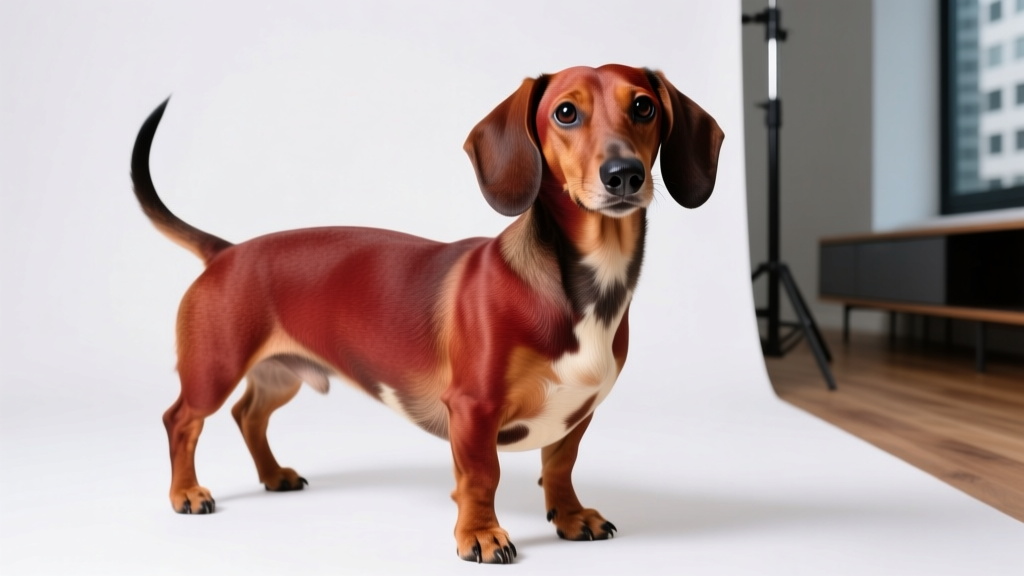
Breed Overview: The Short-Haired Dachshund at a Glance
The dachshund short hair — often called the smooth-coated dachshund — is the original and most recognizable variety of this iconic German breed. Bred in the 15th and 16th centuries to hunt badgers (the name literally translates to "badger dog"), these low-slung hounds were designed to enter narrow burrows and face fierce prey underground. Today, the smooth-coated dachshund is consistently ranked among the top 15 most popular breeds in the United States according to AKC registration data.
Unlike the longhaired and wirehaired varieties, the short-haired dachshund has a sleek, close-lying coat that requires minimal grooming and sheds moderately year-round. They come in two distinct sizes — standard and miniature — and a dazzling array of colors and patterns including red, black and tan, chocolate, dapple (merle), and brindle.
| Attribute | Details |
|---|---|
| Size Class | Small (Miniature) to Medium (Standard) |
| Weight — Standard | 16–32 lb / 7–14.5 kg |
| Weight — Miniature | 11 lb and under / 5 kg and under |
| Height | 5–9 inches / 13–23 cm at the shoulder |
| Lifespan | 12–16 years (many live to 17+) |
| Coat Type | Short, smooth, dense single coat |
| Energy Level | Moderate — bursts of high intensity |
| Grooming Frequency | Low — weekly brushing |
| Family Fit | Best with older children; cautious introductions with other pets |
| Apartment Friendly | Yes, with adequate daily walks |
| AKC Group | Hound Group |
Temperament & Personality: What Living With a Short-Haired Dachshund Is Really Like
Dachshunds are not lap dogs in the traditional sense — they're bold, opinionated hounds with a stubborn streak a mile wide. Here are the core personality traits you'll encounter daily:
1. Fearless and Bold
Bred to confront badgers in tight tunnels, the short-haired dachshund has no concept of its own small size. They will bark at delivery drivers, stand their ground against dogs five times their weight, and investigate every rustling bush on walks. This courage is endearing but requires management — an off-leash dachshund who spots a rabbit will bolt without hesitation.
2. Stubbornly Independent
Don't expect blind obedience. A dachshund short hair will look at you, process your command, and then decide whether compliance serves their interests. This isn't a lack of intelligence — it's a working-dog trait. Underground, they had to make split-second decisions without handler input. In your living room, it means "come" might get ignored if there's a more interesting smell.
3. Deeply Devoted to Their Person
Dachshunds tend to bond intensely with one person, following them room to room and demanding proximity. They're notorious for burrowing under blankets and sleeping pressed against their owner. This loyalty can tip into separation anxiety if the dog isn't gradually conditioned to alone time starting in puppyhood.
4. Vocal and Alert
You will know when someone approaches your door. Dachshunds have a surprisingly deep, loud bark for their size, and they use it freely. This makes them excellent watchdogs but potentially problematic in apartments with thin walls and noise-sensitive neighbors.
5. Playful with a Mischievous Streak
Well into their senior years, short-haired dachshunds retain a puppy-like playfulness. They love fetch, tug, and puzzle toys — but they also enjoy stealing socks, raiding trash cans, and digging at your garden beds. Channeling this energy into structured play prevents destructive habits.
Physical Characteristics: Size, Build, and Coat Details
The dachshund short hair has one of the most distinctive silhouettes in the canine world: an elongated body, short muscular legs, a deep keel chest, and a tapered muzzle with alert, slightly arched eyebrows. The AKC breed standard specifies two sizes:
Standard Dachshund: 16–32 lb (7–14.5 kg), typically 8–9 inches (20–23 cm) tall at the withers. Standards are the original working size and retain the most hunting drive.
Miniature Dachshund: 11 lb (5 kg) and under at maturity, typically 5–7 inches (13–18 cm) tall. Miniatures were developed to hunt rabbits and are more common as companion dogs today.
Between these two exists an unofficial "tweenie" category — dogs weighing 12–15 lb — which many breeders produce but which falls outside the show standard.
The smooth coat is short, dense, and glossy, lying flat against the body. Common colors include:
- Solid Red — the most iconic dachshund color, ranging from pale wheaten to deep mahogany
- Black and Tan — jet black with rust points over the eyes, muzzle, chest, and legs
- Chocolate and Tan — rich brown base with tan markings
- Cream — pale golden, more common in European lines
- Dapple (Merle) — mottled patches; double dapple (merle-to-merle breeding) is associated with deafness and eye defects and is strongly discouraged by responsible breeders
- Brindle — dark striping over a lighter base
- Sable — red base with black-tipped guard hairs
Exercise & Activity Needs: Keeping Your Dachshund Fit Without Risking Their Spine
Despite their short legs, dachshund short hair dogs need real daily exercise — not just a quick backyard potty break. Here's what works:
| Activity | Duration | Frequency | Notes |
|---|---|---|---|
| Leash walks | 30–45 minutes total | Daily (split into 2 walks) | Use a harness, never a neck collar — reduces spinal strain |
| Sniffing/enrichment walks | 15–20 minutes | 3–4x per week | Let them explore at their pace; mental stimulation tires them as much as physical exercise |
| Fetch/tug play | 10–15 minutes | Daily | Avoid high jumps or repetitive twisting; keep play on flat ground |
| Puzzle toys/training sessions | 10–15 minutes | Daily | Food-dispensing toys, scent games, short trick-training bouts |
| Hiking (standards only) | 45–60 minutes | 1–2x per week | Moderate terrain; carry miniatures over rough sections; avoid steep descents |
Critical exercise restrictions: Dachshunds should not jump on/off furniture repeatedly, run up and down full staircases daily, or engage in high-impact agility until their growth plates close (around 12–14 months). Provide dog ramps for couches and beds. The goal is maintaining lean muscle mass to support their vulnerable spine without subjecting it to jarring forces.
Total daily exercise target: 45–60 minutes of combined physical and mental activity for adults. Puppies under 12 months should follow the 5-minutes-per-month-of-age rule (e.g., a 4-month-old gets roughly 20 minutes of structured exercise per day).
Common Health Issues: What Short-Haired Dachshund Owners Must Know
The dachshund's unique body structure creates specific health vulnerabilities. Responsible breeding has reduced some risks, but prospective owners should budget for and monitor these conditions:
| Condition | Description | Prevalence | Prevention/Management |
|---|---|---|---|
| Intervertebral Disc Disease (IVDD) | Degeneration or herniation of spinal discs, causing pain, paralysis. Most common in chondrodystrophic breeds. | ~25% of dachshunds will experience IVDD in their lifetime (Merck Veterinary Manual) | Weight management, harness use, ramp access, avoiding jumping. Surgical treatment costs $3,000–$8,000+. |
| Obesity | Excess weight dramatically increases spinal load and IVDD risk. | Estimated 30–35% of pet dachshunds are overweight | Measure food precisely; target body condition score (BCS) of 4–5/9. Ribs should be easily palpable. |
| Dental Disease | Small mouths crowd teeth, accelerating plaque and periodontal disease. | Over 80% of small breeds show dental disease by age 3 | Daily tooth brushing with enzymatic toothpaste; professional cleanings every 1–2 years ($300–$700 per cleaning). |
| Patellar Luxation | Kneecap slips out of position, causing intermittent lameness. | Grade I–II common; Grade III–IV may require surgery ($1,500–$3,500) | Maintain healthy weight; avoid repetitive jumping. |
| Progressive Retinal Atrophy (PRA) | Gradual degeneration of retinal cells leading to blindness. | Higher in miniature lines; responsible breeders test via CERF/OFA | No cure; DNA testing available. Reputable breeders screen breeding stock. |
- Your dachshund suddenly yelps when picked up or refuses to move
- Dragging hind legs or stumbling/loss of coordination (ataxia)
- Loss of bladder or bowel control
- Arched back with tense abdominal muscles (sign of severe pain)
- Reluctance to eat, drink, or look up/down
Early intervention dramatically improves prognosis. Dogs treated surgically within 24–48 hours of acute paralysis have a 90%+ recovery rate for regaining ambulation.
Always consult your veterinarian for diagnosis and treatment planning. The information above is educational and does not replace professional veterinary care.
Grooming & Maintenance: The Low-Effort Coat Advantage
The smooth-coated dachshund is the easiest of the three coat varieties to maintain. Here's a realistic grooming schedule:
- Brushing: Once weekly with a rubber grooming mitt or soft bristle brush (e.g., Kong ZoomGroom, ~$8–$12). This removes loose hair and distributes skin oils.
- Bathing: Every 4–8 weeks or as needed. Use a gentle, oatmeal-based dog shampoo. Over-bathing strips natural oils and can cause dry, flaky skin.
- Nail trims: Every 2–4 weeks. Long nails alter foot angle and put additional stress on the back. Use a scissor-style clipper or a Dremel grinder if your dog tolerates vibration.
- Ear cleaning: Weekly inspection; clean with a vet-recommended ear wash (e.g., Epi-Otic Advanced, ~$14–$18) if debris accumulates. Floppy ears trap moisture and increase infection risk.
- Teeth brushing: Daily or minimum 4x per week with a dog-specific enzymatic toothpaste (e.g., Virbac CET, ~$10–$14).
- Anal glands: Some dachshunds need manual expression every 4–8 weeks; watch for scooting or fishy odor. Your vet or groomer can handle this.
Shedding is moderate and year-round — you'll find short, stiff hairs embedded in fabrics. A good lint roller and regular vacuuming are part of life with a smooth dachshund.
Training & Intelligence: Working With the Dachshund Mindset
Dachshunds rank in the middle-to-lower tier on Stanley Coren's working/obedience intelligence scale, but this is misleading. They're highly intelligent dogs who simply lack the biddable, eager-to-please nature of retrievers or herding breeds. A dachshund short hair understands your command perfectly — they're just weighing whether it's worth their effort.
Trainability rating: 3/5 (capable but willfully independent)
Recommended methods:
- Positive reinforcement only. High-value food rewards (freeze-dried liver, small cheese pieces, commercial training treats under 5 calories each) work exceptionally well. Dachshunds are food-motivated to an almost comical degree.
- Keep sessions short: 5–10 minutes, 2–3 times daily. Their attention span for repetitive drills is minimal.
- Start early: Puppy socialization between 8–16 weeks is critical. Expose them to diverse people, surfaces, sounds, and other dogs to prevent the wariness that can harden into fear-based reactivity.
- Crate train from day one: Dachshunds den naturally and take well to crates, which aids housebreaking and protects them from household hazards when unsupervised.
- Never use aversive tools. Shock collars, prong collars, and alpha rolls damage trust and can trigger fear-based aggression. Force-free, LIMA (Least Intrusive, Minimally Aversive) methods produce better long-term results with this sensitive breed.
Housebreaking challenge: Dachshunds are notoriously difficult to fully housebreak, especially in cold or rainy climates. Their small bladders and stubborn nature mean accidents can persist into adulthood. Consistency, frequent outdoor trips (every 1–2 hours for puppies), and crate training are essential. Some owners successfully litter-train their miniature dachshunds for bad weather days.
Family Suitability: Kids, Other Pets, and Apartment Living
- Compact size suits apartments and smaller homes
- Long lifespan — a 12–16+ year commitment but rewarding companionship
- Minimal grooming demands compared to most breeds
- Alert and watchful — excellent "doorbell" dogs
- Playful and entertaining personalities
- Generally healthy outside of spinal concerns
- Fragile spine — young children may accidentally injure them through rough handling
- Vocal — barking can be an issue in shared-wall housing
- High prey drive — may chase cats, rabbits, small dogs
- Stubborn housebreaking requires patience
- Prone to separation anxiety if left alone 8+ hours daily
- IVDD treatment costs can be financially devastating without insurance
With children: Dachshund short hair dogs do best with children aged 8 and older who understand how to handle small dogs gently. Toddlers can inadvertently drop, squeeze, or step on a dachshund, triggering a spinal injury or a defensive bite. Always supervise interactions and teach children to support the dog's chest and hindquarters simultaneously when picking them up.
With other pets: Same-species playmates (other dogs) are usually fine, especially if introduced as puppies. However, dachshunds have strong prey drive and may not coexist peacefully with cats, rabbits, or small rodents. Multi-dachshund households are common and generally harmonious, though same-sex pairs can occasionally develop resource-guarding conflicts.
Apartment living: Their size makes them apartment-compatible, but the barking requires proactive management — adequate exercise, white noise machines, and desensitization to hallway sounds help. Ensure your lease allows breeds with strong vocal tendencies.
Cost of Ownership: Budgeting for a Short-Haired Dachshund
Owning a dachshund short hair involves both upfront and ongoing costs that many first-time buyers underestimate:
Puppy purchase price (2026 estimates):
- AKC-registered from a responsible breeder (health-tested parents, OFA/PennHIP, genetic screening): $2,500–$4,500
- Pet-quality from a reputable breeder: $1,500–$2,500
- Rescue/adoption: $200–$600 (often includes spay/neuter, initial vaccines)
- Avoid any breeder offering puppies under $800 with no health testing — these are typically backyard breeders or puppy mills where IVDD and other genetic issues are rampant
First-year costs (estimated):
- Initial veterinary exam, vaccines (DHPP series, rabies, optional bordetella): $300–$600
- Spay/neuter: $400–$800
- Supplies (crate, harness, ramp, bed, bowls, toys): $250–$500
- Food (high-quality small-breed kibble, ~$45–$70/bag lasting 4–6 weeks): $400–$600/year
- Pet insurance (recommended given IVDD risk): $40–$80/month ($480–$960/year)
- Preventive medications (heartworm, flea/tick — e.g., Simparica Trio): $250–$400/year
- Training classes (puppy socialization + basic manners): $200–$400
Estimated first-year total: $4,500–$8,500 (including puppy cost)
Estimated annual ongoing cost (years 2+): $1,800–$3,500 (higher if dental work or IVDD treatment is needed)
Pro tip: Given the 25% lifetime IVDD risk, pet insurance that covers hereditary/spinal conditions is strongly recommended. Policies from providers like Trupanion, Healthy Paws, or Fetch typically cover IVDD surgery ($3,000–$8,000+) after the waiting period. Read the fine print — some policies exclude conditions that manifest within the first 14 days of enrollment.
Is the Dachshund Short Hair Right for You? Frequently Asked Questions
Is the dachshund short hair a good breed for first-time dog owners?
They can be, but with caveats. The grooming is easy and the size is manageable, but the housebreaking difficulty, stubbornness during training, and potential for expensive spinal emergencies require an owner who is patient, consistent, and financially prepared. First-time owners who invest in puppy classes and pet insurance tend to succeed. Those expecting a compliant, easy-going companion dog may find the dachshund's independence frustrating.
How much exercise does a short-haired dachshund need daily?
Adult dachshunds need 45–60 minutes of combined physical and mental activity per day, ideally split into two leash walks (20–30 minutes each) plus play sessions and enrichment. They are not couch potatoes despite the stereotype — an under-exercised dachshund will channel that energy into barking, digging, or destructive chewing.
What health problems is this breed most prone to?
Intervertebral Disc Disease (IVDD) is the signature health concern, affecting approximately 25% of dachshunds. Obesity amplifies IVDD risk significantly. Dental disease, patellar luxation, and progressive retinal atrophy are also seen. Always consult your veterinarian for breed-specific screening recommendations and preventive care plans.
How big does a short-haired dachshund get as an adult?
Standard dachshunds weigh 16–32 lb (7–14.5 kg) and stand 8–9 inches (20–23 cm) tall. Miniatures weigh 11 lb (5 kg) or less and stand 5–7 inches (13–18 cm). The unofficial "tweenie" size falls between 12–15 lb. Both sizes share the same elongated body proportions.
Is the dachshund short hair good with children and other pets?
They do best with children aged 8+ who can handle small dogs gently. Young children risk injuring the dog's fragile spine through rough play. With other dogs, socialization from puppyhood usually produces good results. Cats and small animals may trigger the dachshund's prey drive, so introductions require careful management and may not succeed in all households.
How much does a dachshund short hair cost to buy and maintain?
Expect $1,500–$4,500 for a puppy from a responsible breeder, or $200–$600 through rescue. First-year total costs range from $4,500–$8,500 including the puppy, veterinary care, supplies, and insurance. Ongoing annual costs run $1,800–$3,500. Pet insurance ($40–$80/month) is strongly recommended to offset potential IVDD treatment costs of $3,000–$8,000+.
Do short-haired dachshunds shed a lot?
They shed moderately year-round. The short, stiff hairs tend to weave into fabrics and can be difficult to remove from upholstery. Weekly brushing and regular vacuuming keep it manageable. They shed significantly less than the wirehaired and longhaired varieties.
Where can I find a responsible dachshund breeder?
Start with the AKC Marketplace and look for breeders who perform OFA or PennHIP spinal evaluations, genetic testing (PRA, Lafora disease), and offer a written health guarantee with a take-back clause. Alternatively, check breed-specific rescues like Dachshund Rescue of North America (DRNA) for adult dogs needing homes. Always visit the breeder's facility in person and meet the parent dogs.
Comparison: Short-Haired Dachshund vs. Similar Small Breeds
| Trait | Dachshund Short Hair | Miniature Pinscher | Jack Russell Terrier |
|---|---|---|---|
| Weight | 11–32 lb / 5–14.5 kg | 8–10 lb / 3.5–4.5 kg | 9–15 lb / 4–7 kg |
| Energy Level | Moderate (45–60 min/day) | High (60+ min/day) | Very High (90+ min/day) |
| Trainability | 3/5 — independent | 3/5 — spirited | 4/5 — sharp but intense |
| Barking | Frequent | Moderate | Frequent |
| Grooming | Weekly brushing | Weekly brushing | Weekly brushing |
| Spinal Risk | High (IVDD ~25%) | Low | Low |
| Apartment Suitability | Good (with barking management) | Good | Fair (needs significant outlet) |
| Lifespan | 12–16 years | 12–16 years | 13–16 years |
The short-haired dachshund occupies a unique niche: more independent than a Miniature Pinscher, less physically demanding than a Jack Russell, and more compact than either. If you want a small dog with genuine personality, moderate exercise needs, and minimal grooming — and you're prepared for the spinal health commitment — the smooth-coated dachshund may be an excellent match.
Tom Renshaw
All our authors care for dogs every day — read more of their work on the authors page.


