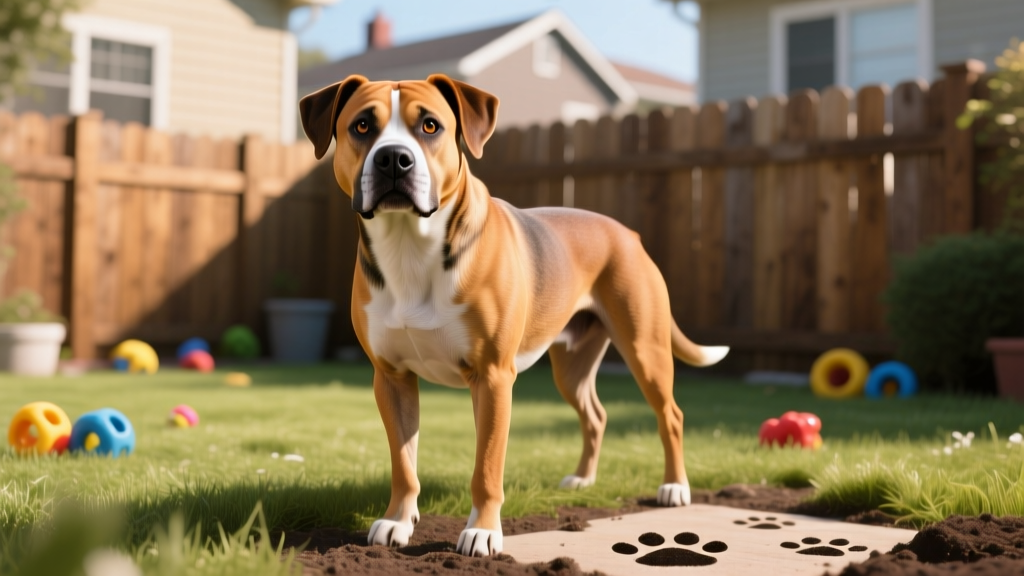
Cattle Dog German Shepherd Mix: Complete Breed Profile & Care Guide
the Cattle Dog German Shepherd mix: size, temperament, health risks, coat types, training needs, and whether this working-dog cross fits your lifestyle.

What Is a Cattle Dog German Shepherd Mix?
The Cattle Dog German Shepherd mix — sometimes called a "Cattle Shepherd" or "Blue Heeler Shepherd" — is a cross between the Australian Cattle Dog (ACD) and the German Shepherd Dog (GSD). Both parent breeds were developed for demanding, all-day working roles, which means this mix tends to produce an intensely driven, athletic, and highly intelligent dog. This is not a casual companion breed. If you're researching the cattle dog German Shepherd mix, you're likely looking at a dog that will demand serious mental and physical engagement every single day.
Unlike designer breeds such as Labradoodles or Goldendoodles, the Cattle Dog German Shepherd mix has no established breed club, no AKC recognition pathway, and no standardized breeding program. Most litters are F1 (first-generation) crosses produced by small-scale breeders or the result of accidental pairings. This means individual puppies can vary dramatically in appearance, size, and temperament — even within the same litter.
Parent Breed Breakdown: Australian Cattle Dog Meets German Shepherd
Understanding the parent breeds is the single most useful thing you can do when evaluating any mixed-breed puppy. Each parent contributes a full genetic toolkit, and knowing what those toolkits contain helps you prepare for the range of outcomes.
| Trait | Australian Cattle Dog | German Shepherd Dog |
|---|---|---|
| Origin | Australia, 1840s — bred from Dingoes, Collies, and Dalmatians to herd cattle across rough outback terrain | Germany, late 1800s — developed by Max von Stephanitz as an all-purpose herding and working dog |
| AKC Weight Range | 35–50 lb / 16–23 kg | 50–90 lb / 23–41 kg (males 65–90, females 50–70) |
| AKC Height | 17–20 in / 43–51 cm | 22–26 in / 56–66 cm |
| Lifespan | 12–16 years | 7–10 years |
| Coat | Short, dense double coat; blue or red speckle/mottle | Medium-length double coat; black/tan, sable, all-black, or white |
| Energy Level | Very high — needs 60–90+ min/day | High — needs 60–90+ min/day |
| Primary Drive | Herding, nipping, close-quarters cattle work | Herding, guarding, scent work, protection |
| Stranger Response | Aloof, suspicious, slow to warm up | Aloof, confident, protective |
| Trainability | High intelligence but independent and stubborn | High intelligence, biddable, handler-focused |
The key takeaway: both breeds are smart, driven, and reserved with strangers. But they differ in working style. The ACD is a close-quarters nipping dog bred to move stubborn cattle by biting heels — which translates to mouthy, nippy behavior in pet homes. The GSD is a larger, more versatile dog with stronger guarding instincts and a tendency to bond intensely with one handler. Your mix puppy could lean heavily toward either parent or land somewhere in between.
How Big Will a Cattle Dog German Shepherd Mix Get?
Size is one of the more predictable aspects of this cross, because the German Shepherd is substantially larger than the Australian Cattle Dog. Most Cattle Dog German Shepherd mixes fall in a middle range, but the spread is wide enough that you should plan for a dog anywhere from 45 to 85 pounds.
| Measurement | Low End (ACD-dominant) | Mid Range (Balanced) | High End (GSD-dominant) |
|---|---|---|---|
| Weight | 40–55 lb / 18–25 kg | 55–70 lb / 25–32 kg | 70–90 lb / 32–41 kg |
| Height (at shoulder) | 18–21 in / 46–53 cm | 21–24 in / 53–61 cm | 24–26 in / 61–66 cm |
| Build | Compact, stocky, ACD-proportioned | Athletic, moderate bone | Tall, substantial, GSD-proportioned |
If you're adopting a puppy, ask the breeder or rescue for the parents' exact weights. A GSD sire weighing 85 lb paired with a 40 lb ACD dam will generally produce puppies that average around 60–70 lb at maturity. Females typically run 10–15 lb lighter than males in this cross.
Temperament: What to Expect (and What to Prepare For)
Temperament is where this mix gets complicated. Both parent breeds are intelligent, loyal, and intensely driven — but they express those traits differently, and a first-generation cross can produce puppies with very different behavioral profiles, even in the same litter.
Best-Case Temperament Scenario
You get a dog that combines the GSD's handler focus and biddability with the ACD's toughness and endurance. The result is a dog that is eager to work with you, responsive to training, physically tireless, and deeply bonded to its family. These dogs excel at agility, herding trials, nose work, advanced obedience, and search-and-rescue volunteering.
Challenging Temperament Scenarios
The less ideal — but entirely possible — outcomes include:
- ACD-dominant nipping and herding behavior: The dog herds children, nips at running ankles, and mouths hands during play. This is instinct, not aggression, but it requires consistent redirection.
- GSD-dominant guarding instincts: The dog becomes overly protective of the home, reactive toward visitors, or territorial with other dogs passing the fence line.
- Combined suspicion: Both breeds are naturally reserved with strangers. Without extensive socialization during the 8–16 week critical window, your dog may become fearful or reactive in novel situations.
- High arousal and frustration: Without adequate outlets, these dogs develop destructive behaviors — chewing drywall, digging under fences, obsessive barking, or fence-running.
Family Compatibility
This mix can do well with children if raised alongside them and if the herding/nipping instinct is actively managed. However, toddlers and young children who run and squeal can trigger herding behavior, making this a better fit for families with kids aged 8 and older. With other dogs, early socialization is essential — both parent breeds can be dog-selective, and same-sex aggression is documented in both ACDs and GSDs. Cats and small pets are a gamble; the ACD's prey drive and the GSD's chase instinct mean introductions should be slow and supervised.
Coat, Shedding, and Grooming
Neither parent breed is hypoallergenic, and neither carries the low-shedding furnishings gene found in Poodles. Your Cattle Dog German Shepherd mix will shed — often heavily.
Coat Type Possibilities
- ACD-dominant coat: Short (1–1.5 inches), very dense, with a harsh outer layer and thick undercoat. Feels almost wiry to the touch. Colors include blue speckle, red speckle, or a blend with GSD markings.
- GSD-dominant coat: Medium length (1.5–3 inches), softer, with a plush undercoat and feathering on the legs, chest, and tail. Typical GSD color patterns (black and tan, sable, bi-color) may appear, sometimes blended with ACD speckling.
- Intermediate coat: Medium-short, dense, with moderate feathering. This is the most common outcome in F1 crosses.
Shedding Reality
Expect year-round moderate shedding with two heavy "coat blow" periods in spring and fall lasting 2–4 weeks each. During blow-out periods, you will be removing handfuls of undercoat daily. A high-velocity dryer (such as the Metro Vac Air Force Commander, approximately $130–$170) is a worthwhile investment for managing blow-outs at home.
Grooming Schedule
- Brushing: 2–3 times per week with an undercoat rake (for medium coats) or a rubber curry brush (for shorter coats). Daily during blow-out season.
- Bathing: Every 6–8 weeks, or as needed. Use a deshedding shampoo with omega fatty acids to support coat health.
- Nails: Trim every 2–3 weeks. Active dogs on concrete may wear nails naturally, but dewclaws always need trimming.
- Ears: Check weekly. Both breeds have erect ears, which are less prone to infection than drop ears, but debris can still accumulate.
Health Considerations: Hybrid Vigor vs. Reality
There's a persistent myth that mixed-breed dogs automatically enjoy "hybrid vigor" — the idea that crossbreeding eliminates genetic health problems. This is misleading. According to Merck Veterinary Manual, mixed breeds can and do inherit any condition present in either parent breed. What hybrid vigor (heterosis) actually provides is a modest reduction in the risk of recessive disorders that require two copies of a gene — but many of the most impactful conditions in these breeds are polygenic or structural, not simple recessive traits.
Conditions Inherited from the German Shepherd Side
- Hip dysplasia: Prevalence in GSDs is estimated at 19–20% according to AKC health data. This polygenic condition causes abnormal hip joint development, leading to arthritis and mobility issues. Screening via OFA or PennHIP is essential for the GSD parent.
- Elbow dysplasia: Less common than hip dysplasia but present in the GSD gene pool. Causes front-limb lameness.
- Degenerative myelopathy (DM): A progressive spinal cord disease that causes rear-limb weakness and eventual paralysis, typically appearing after age 8. A DNA test can identify carriers; the GSD parent should be tested.
- Exocrine pancreatic insufficiency (EPI): GSDs have a breed predisposition to this digestive disorder, where the pancreas fails to produce adequate enzymes.
- Hemangiosarcoma: GSDs are overrepresented in this aggressive blood-vessel cancer, which often affects the spleen or heart.
Conditions Inherited from the Australian Cattle Dog Side
- Progressive retinal atrophy (PRA): A group of degenerative eye diseases leading to blindness. DNA tests are available; the ACD parent should be cleared.
- Congenital deafness: Associated with white coat pigmentation and extreme white markings, which are common in ACDs. BAER testing is recommended.
- Hip dysplasia: Also present in ACDs, though at lower rates than in GSDs.
Shared Risk: Orthopedic Issues
Both breeds are athletic and active, which means cruciate ligament tears (CCL injuries) are a real risk. Maintaining a lean body condition score (BCS of 4–5 on the 9-point scale) significantly reduces joint stress. Budget $2,000–$4,500 for potential CCL surgery per knee — this is one of the most common orthopedic surgeries in active dogs.
Training and Exercise Requirements
This is where most owners of working-dog crosses succeed or fail. The cattle dog German Shepherd mix needs a structured daily routine that addresses both physical exertion and cognitive challenge.
Daily Exercise Minimums
- Physical exercise: 90–120 minutes per day, split into at least two sessions. Include off-leash running (in secure areas), hiking, fetch with a flirt pole or ball launcher, or structured activities like bikejoring.
- Mental exercise: 30–45 minutes per day of training, puzzle toys, scent work, or learning new behaviors. Training sessions should be short (5–15 minutes) and varied to prevent boredom.
- Structured sport (recommended): Enroll in agility, herding instinct testing, rally obedience, nose work, or IGP (formerly Schutzhund) tracking. These give your dog a legitimate job.
Training Approach
Use positive reinforcement and force-free methods exclusively. Both parent breeds are sensitive despite their tough reputations, and aversive tools like shock collars or prong collars damage the trust-based working relationship these dogs thrive on. The AVMA supports reward-based training as the most effective and welfare-positive approach.
Key training priorities for this mix:
- Impulse control: "Leave it," "wait," and settle/mat training from puppyhood. Both breeds are high-arousal dogs that benefit enormously from learning to self-regulate.
- Recall: Establish a reliable recall before 6 months of age. Both breeds have strong chase drives, and off-leash freedom depends entirely on recall reliability.
- Socialization: Expose the puppy to 100+ novel people, surfaces, sounds, and environments before 16 weeks. Both parent breeds are genetically predisposed to wariness — socialization is not optional.
- Nipping/mouthing redirection: Redirect herding-dog nipping to appropriate chew toys. Teach a "soft mouth" protocol. Never physically punish mouthing, as this can escalate to defensive biting.
Cost: Purchase Price and Annual Ownership Budget
Acquisition Costs
Because this is not an established designer breed with organized breeding programs, pricing varies widely:
- From a small-scale breeder (F1 litter): $500–$1,500. These litters are often produced by owners of one parent breed who bred to a neighbor's dog. Health testing may be minimal.
- From a purposeful working-dog breeder: $1,500–$3,000. These breeders health-test both parents, raise puppies with early neurological stimulation (ENS) protocols, and provide temperament evaluations.
- From a rescue or shelter: $50–$400 adoption fee. Working-dog mixes are overrepresented in shelters because owners underestimate their needs. Breed-specific rescues for GSDs and ACDs sometimes take in mixes as well.
First-Year Ownership Budget
| Category | Low Estimate | High Estimate |
|---|---|---|
| Puppy acquisition | $50 (rescue) | $3,000 (breeder) |
| Veterinary (vaccines, spay/neuter, wellness) | $600 | $1,200 |
| Food (high-quality kibble or raw) | $480 ($40/mo) | $960 ($80/mo) |
| Training (group classes + private sessions) | $300 | $1,200 |
| Gear (crate, harness, leash, puzzle toys, bed) | $250 | $600 |
| Pet insurance (annual premium) | $480 | $900 |
| Total first year | $2,160 | $7,860 |
After the first year, expect annual costs of $1,500–$3,500 for food, preventive veterinary care, insurance, and enrichment. Pet insurance is strongly recommended for this mix given the GSD-side risk of hip dysplasia and the potential for orthopedic surgeries.
Who Should (and Shouldn't) Get This Mix
This Mix Is a Good Fit For:
- Experienced dog owners who have managed working breeds before
- Active individuals or couples who hike, run, or spend significant time outdoors daily
- Homes with securely fenced yards (minimum 5-foot fence; 6-foot recommended)
- Families with older children (8+) who understand dog body language
- People interested in competitive dog sports
- Rural or suburban settings with space to move
This Mix Is a Poor Fit For:
- First-time dog owners without mentorship from a trainer
- Apartment dwellers without immediate access to outdoor space
- Households where the dog will be left alone 8+ hours daily
- Families with toddlers or very young children
- Owners seeking a low-energy "couch dog"
- Multi-dog homes with same-sex dogs and no management plan
Frequently Asked Questions
What two breeds make up the Cattle Dog German Shepherd mix?
The Australian Cattle Dog (also known as the Blue Heeler, Red Heeler, or Queensland Heeler) and the German Shepherd Dog. Both are herding breeds in the AKC Herding Group, which gives this cross a strong genetic foundation for working-dog behaviors.
Is the Cattle Dog German Shepherd mix hypoallergenic or low-shedding?
No. Neither parent breed carries low-shedding genes. This mix will shed moderately year-round and heavily during seasonal coat blows. People with dog allergies should not choose this cross.
How much does a Cattle Dog German Shepherd mix cost?
Acquisition costs range from $50–$400 at a rescue to $500–$3,000 from a breeder, depending on whether health testing and early socialization protocols were performed. First-year total ownership costs typically range from $2,160 to $7,860.
Are these mixes good guard dogs?
Both parent breeds are naturally alert and reserved with strangers, so this mix will typically alert-bark at unusual sounds or approaching people. However, they are not trained protection dogs by default, and deliberate guard-dog or aggression training is not recommended. Their protective instincts should be managed through socialization, not amplified.
Can this mix live with cats?
Possibly, but it depends on the individual dog's prey drive. The ACD's strong chase instinct and the GSD's herding drive mean that cats may be pursued. Successful cat cohabitation is most likely when the puppy is raised alongside a confident, dog-savvy cat, with introductions managed carefully using positive reinforcement protocols.
What generation is a Cattle Dog German Shepherd mix?
Nearly all are F1 (first-generation) crosses, meaning one purebred ACD parent and one purebred GSD parent. Unlike Poodle-based designer breeds, there is no established multigenerational breeding program for this cross. F1B (backcross) or F2 (two F1 parents) litters are extremely rare and generally not intentionally produced.
Dr. Hannah Wickes
All our authors care for dogs every day — read more of their work on the authors page.