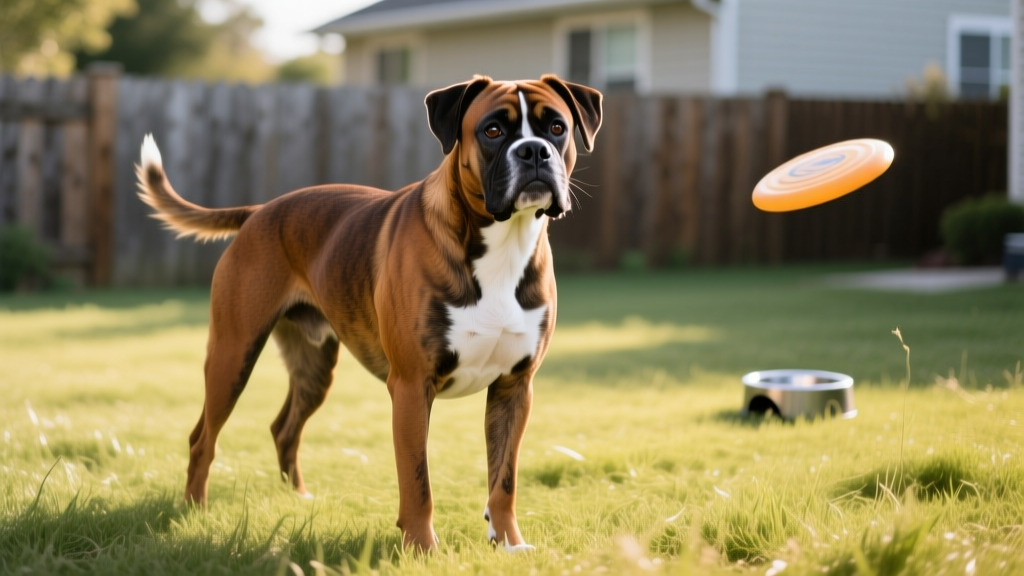
Catahoula Labrador Retriever Mix: Complete Breed Profile & Care Guide
Everything you need to know about the Catahoula Labrador Retriever mix — size, temperament, health risks, coat types, cost, and whether this...

The Catahoula Labrador Retriever mix — sometimes called a Catahoula Lab, Labahoula, or Catahoula Lab cross — pairs one of America's most versatile working dogs with the world's most popular companion breed. The result is a high-energy, intelligent, and often strikingly beautiful dog that thrives with active owners but can overwhelm unprepared households.
This guide breaks down what you can realistically expect from this crossbreed, including the traits that are fairly predictable, the ones that vary wildly between littermates, and the health screenings you should demand from any breeder. Whether you're considering a puppy or adopting an adult, understanding both parent breeds is the key to setting realistic expectations.
Parent Breeds: The Catahoula Leopard Dog and the Labrador Retriever
Before evaluating any mixed-breed dog, you need to understand what each parent brings to the table. The Catahoula and the Lab occupy very different niches in the canine world, and their offspring can lean heavily toward either side.
| Trait | Catahoula Leopard Dog | Labrador Retriever |
|---|---|---|
| AKC Group | Herding Group | Sporting Group |
| Weight Range | 50–95 lb (23–43 kg) | 55–80 lb (25–36 kg) |
| Height | 20–26 in (51–66 cm) | 21.5–24.5 in (55–62 cm) |
| Original Purpose | Feral hog hunting, cattle herding, treeing game | Waterfowl retrieving, gundog work |
| Temperament | Independent, alert, territorial, reserved with strangers | Outgoing, eager to please, biddable, friendly with everyone |
| Energy Level | Very high — needs 90+ min/day of hard work | High — needs 60–90 min/day |
| Coat | Short, single coat; minimal shedding | Short, double coat; heavy seasonal shedding |
| Trainability | Moderate — responds to firm, consistent handlers | Excellent — highly food and praise motivated |
| Lifespan | 10–14 years | 11–13 years |
The Catahoula Leopard Dog, Louisiana's state dog, is a tough, independent herder and hunter originally developed to drive feral hogs through swamps. They're known for their striking "cracked glass" or merle eyes, muscular build, and strong protective instincts. They are not a breed for novice owners — they require confident handling and early, extensive socialization.
The Labrador Retriever needs little introduction. Consistently one of the most registered breeds in the United States, Labs are celebrated for their trainability, gentle mouths, and reliable temperaments. They excel in obedience, field work, therapy, and service dog roles.
Understanding Generations: F1, F1B, and Beyond
Generation terminology matters for mixed breeds. Here's what you'll encounter:
- F1 (First Generation): One purebred Catahoula × one purebred Labrador. Maximum genetic diversity, but the widest range of physical and temperamental outcomes within a single litter.
- F1B (Backcross): An F1 Catahoula Lab × one purebred parent (usually Labrador). Slightly more predictable traits leaning toward the backcross breed.
- F2: Two F1 Catahoula Labs bred together. Trait predictability actually decreases in F2 litters due to gene recombination — you may see puppies that look and act very differently from each other.
- Multigen (F3+): Multiple generations of Catahoula Lab crosses bred together. Still not a standardized breed, so variation persists. No major kennel club recognizes a "Labahoula" breed standard.
Key takeaway: Unlike Poodle mixes (where backcrossing targets a low-shedding coat), Catahoula Lab crosses don't have a widely established multigen breeding program. Most puppies you'll find are F1 crosses from working-dog breeders or accidental litters.
Size, Build, and Physical Appearance
Because both parent breeds fall in a similar medium-to-large range, the Catahoula Labrador Retriever mix is fairly predictable in size — but individual puppies can still land anywhere within that spectrum.
| Measurement | Minimum | Typical | Maximum |
|---|---|---|---|
| Adult Weight | 45 lb (20 kg) | 60–75 lb (27–34 kg) | 95 lb (43 kg) |
| Adult Height (at shoulder) | 20 in (51 cm) | 22–24 in (56–61 cm) | 26 in (66 cm) |
| Growth Timeline | Most reach ~80% of adult size by 10 months; fully mature by 18–24 months | ||
Expect a muscular, athletic build with a broad chest and strong hindquarters. Ear shape is unpredictable — some puppies inherit the Lab's floppy drop ears, others get the Catahoula's rose or semi-prick ears, and many land somewhere in between with an asymmetric fold.
Eye color is one of the most visually striking variables. Catahoulas are famous for heterochromia (two different-colored eyes) and "glass eyes" (pale blue or white). A Catahoula Lab mix may inherit brown eyes, blue eyes, one of each, or marbled irises — even within the same litter.
Coat Types, Colors, and Shedding Reality
Neither parent breed is hypoallergenic, and the Catahoula Labrador Retriever mix is not a low-shedding dog. Here's what to expect:
- Short single coat (Catahoula-dominant): Sleek, close-lying hair with minimal undercoat. Moderate year-round shedding, lighter seasonal blowouts. Easier to maintain but offers less cold-weather insulation.
- Short double coat (Lab-dominant): Dense, water-resistant topcoat with a thick undercoat. Heavy seasonal shedding — expect significant fur on furniture and clothing during spring and fall blowouts lasting 2–4 weeks each.
- Intermediate coat: Many mixes fall between these two, with a moderate undercoat and medium-length guard hairs.
Color possibilities are extensive and include:
- Blue merle, red merle, or patchwork merle (Catahoula inheritance)
- Solid black, yellow, or chocolate (Lab inheritance)
- Brindle, black-and-tan, or spotted combinations
- White markings on chest, feet, and face are common
Merle breeding caution: If both parents carry the merle gene, breeding them together can produce "double merle" puppies with serious vision and hearing defects. Responsible breeders of merle-patterned dogs always confirm that only one parent carries the merle allele. Ask for genetic testing documentation before purchasing any merle Catahoula Lab puppy.
Temperament: Best-Case, Worst-Case, and Everything Between
Temperament is where the Catahoula Labrador Retriever mix shows the widest individual variation. Understanding the range helps you prepare for the dog you actually get, not the one you hoped for.
Best-Case Scenario
You get a dog that blends the Lab's sociable, trainable nature with the Catahoula's intelligence and work ethic. This dog is eager to learn, bonds deeply with family, tolerates strangers politely, and channels energy into structured activities like agility, hiking, or advanced obedience. They're reliable off-leash in safe areas after solid recall training and settle calmly in the house after adequate exercise.
Challenging Scenario
You get a dog that inherits the Catahoula's wariness of strangers, territorial instincts, and high prey drive — but without the biddability that makes a Lab easy to redirect. This dog may bark at visitors, chase livestock or cats, show resource guarding tendencies, and struggle to settle indoors without 2+ hours of intense daily exercise. Without proper socialization during the critical 3–14 week window, these traits can harden into reactivity or fear-based aggression.
What Most Owners Actually Experience
Most Catahoula Labs land somewhere in the middle: friendly with family, cautiously polite with strangers, moderately to very energetic, and responsive to positive reinforcement training but not as relentlessly eager as a pure Lab. They tend to be mouthy as puppies (retriever heritage) and may try to herd children or other pets (Catahoula heritage).
Temperament Variability Factors:
- Parent temperament: Meeting both parents (or at least the mother) is the single best predictor. A confident, friendly dam significantly increases the odds of well-adjusted puppies.
- Early socialization: Puppies exposed to 100+ novel people, surfaces, sounds, and environments between 3–14 weeks are dramatically more adaptable as adults.
- Which parent they favor: Even full littermates can differ substantially. One puppy may be a total Lab in personality; another may be all Catahoula.
- Sex: Males tend to be slightly more outgoing; females may be more reserved and independent, though individual variation outweighs sex-based trends.
Exercise, Training, and Mental Stimulation Requirements
This is not a dog that does well with a 15-minute walk around the block. Both parent breeds are working dogs with deep endurance reserves.
Minimum daily exercise: 90–120 minutes, split across at least two sessions. This should include:
- 30–45 minutes of sustained aerobic activity (running, swimming, biking alongside, flirt pole work)
- 30–45 minutes of structured training or dog sports (obedience drills, agility, nose work, herding trials)
- 15–30 minutes of free exploration or sniffing (decompression walks on a long line in natural settings)
Training approach: Use positive reinforcement methods exclusively — food rewards, toy rewards, and life rewards (access to sniffing, swimming, or play as reinforcement). Catahoula Labs are intelligent enough to learn quickly but independent enough to shut down under harsh or repetitive training. Keep sessions short (5–10 minutes), varied, and end on a success.
Key training priorities for this mix:
- Recall: Both breeds have strong chase instincts. Invest heavily in recall training starting at 8 weeks. Plan for 6–12 months of reliable recall work before trusting off-leash privileges in unfenced areas.
- Impulse control: "Leave it," "wait," and settling on a mat are critical for managing prey drive and herding impulses.
- Leash manners: A 70 lb dog that pulls is unmanageable. Start loose-leash training early with a front-clip harness (such as the Ruffwear Front Range or 2 Hounds Design No Pull).
- Socialization: Ongoing exposure to other dogs, people, children, and environments through at least 18 months of age.
Health Considerations: Hybrid Vigor vs. Reality
Let's address a common misconception directly: hybrid vigor does not eliminate health risks. While crossbreeding can reduce the probability of recessive conditions that are concentrated within a single breed's gene pool, a mixed-breed dog can inherit any condition that affects either parent breed. The Merck Veterinary Manual notes that mixed-breed dogs are susceptible to the same orthopedic, cardiac, and oncological conditions as purebreds.
Here are the specific health conditions to screen for, drawn from both parent breeds:
| Condition | Inherited From | Prevalence | Screening Test |
|---|---|---|---|
| Hip Dysplasia | Both breeds | ~12–15% of Labs; documented in Catahoulas | OFA or PennHIP radiographs |
| Elbow Dysplasia | Both breeds (more common in Labs) | ~10% of Labs | OFA elbow radiographs |
| Deafness (congenital) | Catahoula (linked to merle/white coat genes) | Higher in merle and double-merle dogs | BAER hearing test |
| Eye Conditions (PRA, cataracts) | Both breeds | Progressive retinal atrophy documented in both | CERF/OFA ophthalmologist exam |
| Exercise-Induced Collapse (EIC) | Labrador | ~5–10% of Labs are carriers | DNA test (available via UC Davis VGL) |
| Bloat (GDV) | Both breeds (deep-chested dogs) | Life-threatening emergency | No screening; preventive gastropexy discussed with vet |
| Obesity | Labrador (genetic predisposition to overeating) | Very common in Lab-influenced mixes | Body condition scoring; POMC gene test available |
What to ask a breeder: Request OFA hip and elbow scores for both parents, a current CERF eye exam, EIC DNA test results (at minimum, confirm the Lab parent is clear), and BAER test results for any merle-patterned parent. A reputable breeder will have these documents readily available and will explain them to you.
Estimated lifetime veterinary costs: Plan for $400–$800/year in routine care (vaccines, preventives, dental cleanings). If hip dysplasia develops, surgical treatment (total hip replacement) can cost $3,500–$7,000 per hip. Pet insurance (typically $40–$80/month for this size dog) is strongly recommended.
When to call your veterinarian immediately:
- Unproductive retching, swollen abdomen, or restlessness after eating (possible bloat/GDV — this is a life-threatening emergency)
- Sudden hind-limb weakness, dragging, or collapse during/after exercise (possible EIC episode)
- Acute lameness, bunny-hopping gait, or reluctance to rise (possible hip/elbow issue)
- Cloudy eyes, bumping into furniture, or apparent vision changes
Always consult your veterinarian for diagnosis and treatment — never attempt to manage serious symptoms at home.
Grooming and Daily Care
Grooming demands depend on which coat type your dog inherits, but neither extreme is high-maintenance by breed standards.
- Brushing: 2–3 times per week with a rubber curry brush (for single coats) or an undercoat rake like the Furminator deShedding tool (for double coats). During seasonal shedding, daily brushing for 10–15 minutes will significantly reduce fur around your home.
- Bathing: Every 6–8 weeks, or as needed. Use a dog-specific shampoo — human shampoos disrupt the skin's acid mantle. Labs in particular can develop a "doggy odor" from their oily undercoat; a deodorizing shampoo with oatmeal or aloe helps.
- Nail trims: Every 2–4 weeks. If you hear clicking on hard floors, nails are too long. Overgrown nails alter gait and contribute to joint stress.
- Ear care: Check weekly, especially if your dog inherits floppy Lab ears. Clean with a veterinary ear wash (e.g., Epi-Otic Advanced) to prevent moisture buildup and yeast infections. Catahoula-type rose ears are more self-ventilating and typically need less attention.
- Dental care: Daily tooth brushing with enzymatic dog toothpaste (e.g., CET Poultry or Malt flavor). Dental disease affects an estimated 80% of dogs by age 3, and daily brushing is the single most effective preventive measure.
Cost: Purchase Price, Adoption, and Annual Expenses
| Expense Category | Low End | Mid Range | High End |
|---|---|---|---|
| Puppy from a breeder | $400–$600 (working-dog breeders, minimal health testing) | $800–$1,200 (health-tested parents, early socialization program) | $1,500–$2,500 (fully health-tested, titled parents, puppy curriculum) |
| Rescue/adoption fee | $50–$150 (municipal shelters) | $200–$400 (breed-specific rescues) | $400–$600 (private rescues with full vetting) |
| First-year total costs (food, vet, gear, training) | $1,800 | $2,800 | $4,500+ |
| Ongoing annual costs (after year one) | $1,200 | $1,800 | $3,000+ |
Finding a responsible breeder: Because the Catahoula Lab is not a standardized designer breed with a formal breeding community, most litters come from working-dog breeders (particularly in the southern U.S.) who cross Catahoulas with Labs to produce hunting and hog-dog prospects. Ask about health testing, see the parents in person, and request references from previous buyers. Avoid online listings that offer puppies without health documentation or that ship without a phone conversation.
Adoption: Catahoula Labs and similar mixes frequently appear in southern U.S. shelters and through breed-specific rescues like the Catahoula Rescue Network and general Labrador rescues. Adopting an adult dog (2+ years) has the advantage of a known temperament and energy level, which reduces the unpredictability of raising a mixed-breed puppy.
Who Is This Mix Best Suited For?
The Catahoula Labrador Retriever mix is an outstanding companion for the right household — and a poor fit for others. Here's a decision framework:
✓ Best fit for:
- Active individuals or couples who hike, run, bike, or hunt regularly
- Experienced dog owners (2+ years with high-energy breeds)
- Homes with secure, tall fencing (6 ft minimum recommended)
- Families with older children (10+) who can participate in exercise and training
- Rural or suburban properties with space to run
- People interested in dog sports (agility, barn hunt, lure coursing, herding)
✗ Poor fit for:
- First-time dog owners without professional training support
- Apartment living without guaranteed 2+ hours of daily outdoor exercise
- Homes with cats, small dogs, or livestock (unless raised together from puppyhood with careful management)
- Families with toddlers (herding and mouthiness can be problematic)
- Owners who work 8+ hour days without dog-walking or daycare arrangements
- Anyone seeking a low-energy couch companion
Frequently Asked Questions
What two breeds make up a Catahoula Labrador Retriever mix?
One purebred Catahoula Leopard Dog (a herding/hunting breed from Louisiana) and one purebred Labrador Retriever (a sporting/gundog breed originally from Newfoundland, Canada). The cross combines working-dog drive with retriever sociability.
How big will a Catahoula Lab mix get?
Most adults weigh between 60–75 lb (27–34 kg) and stand 22–24 inches (56–61 cm) at the shoulder. However, individuals can range from as small as 45 lb to as large as 95 lb depending on which parent they favor and their specific lineage.
What will the temperament be like?
Temperament varies significantly between individuals. Most Catahoula Labs are intelligent, energetic, loyal to family, and moderately friendly with strangers. Some lean toward the Lab's outgoing eagerness; others inherit the Catahoula's independence and wariness. Early socialization (3–14 weeks) and consistent positive reinforcement training are essential regardless of which temperament you get.
Is this mix hypoallergenic or low-shedding?
No. Neither the Catahoula nor the Labrador carries low-shedding or hypoallergenic genes. Expect moderate to heavy shedding year-round, with seasonal blowouts in spring and fall. If you need a low-shedding dog, this is not the right crossbreed for you.
What health issues might this mix inherit?
The most significant inherited risks include hip dysplasia, elbow dysplasia, congenital deafness (especially in merle-coated dogs), progressive retinal atrophy, exercise-induced collapse (from the Lab side), and bloat (GDV). Reputable breeders screen both parents for these conditions using OFA, PennHIP, CERF, BAER, and DNA tests.
How much does a Catahoula Labrador Retriever mix cost?
Puppy prices typically range from $400 to $2,500 depending on breeder quality, health testing, and location. Adoption fees from shelters and rescues range from $50 to $600. First-year total ownership costs (including food, veterinary care, gear, and training) typically fall between $1,800 and $4,500.
Are Catahoula Labs good with children?
They can be excellent with older children (10+) who understand how to interact respectfully with dogs. However, the Catahoula's herding instinct may cause nipping at running children, and the Lab's boisterous energy can accidentally knock over toddlers. Always supervise interactions and teach children canine body language basics.
How long do Catahoula Lab mixes live?
Expect a lifespan of 10–14 years, consistent with both parent breeds. Maintaining a lean body condition score (4–5 out of 9), providing regular veterinary care, and keeping joints healthy through appropriate exercise are the most impactful factors for longevity.
Anouk Beaumont
All our authors care for dogs every day — read more of their work on the authors page.