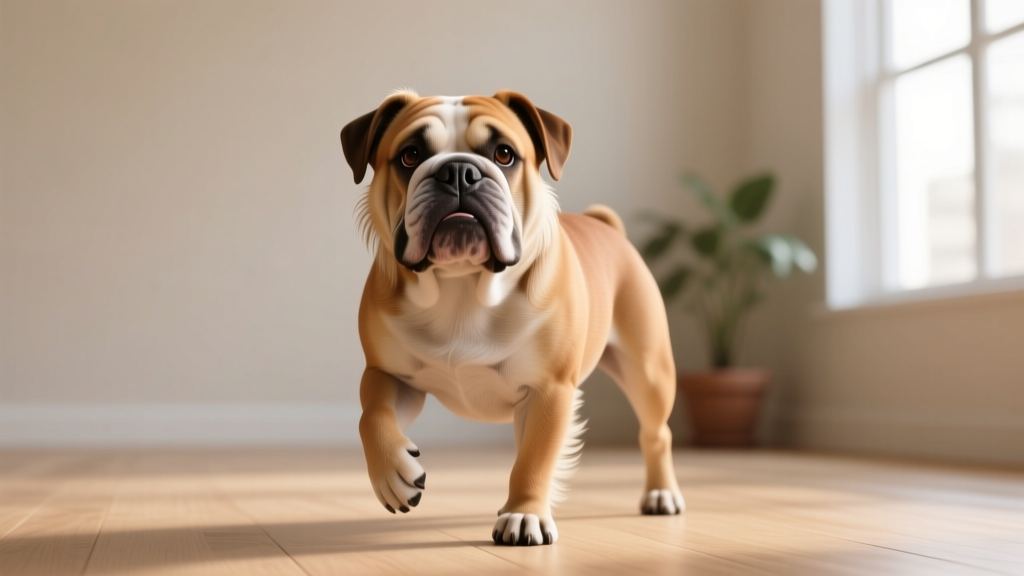
Bullmastiff Price Guide: Puppy Costs, Annual Care & Budget Breakdown
Complete Bullmastiff price guide covering puppy costs ($1,500–$4,000), annual care expenses, health risks, temperament, and what to expect owning this

If you've been researching guardian breeds and the Bullmastiff has caught your eye, you're probably asking the same question every prospective owner asks: how much does a Bullmastiff actually cost? The answer goes well beyond the puppy price tag. Between the initial purchase, giant-breed nutrition, preventive health screening, and the inevitable veterinary surprises that come with a 120-pound dog, the financial commitment is significant.
This guide breaks down every layer of the Bullmastiff price — from what you'll pay a reputable breeder in 2026 to the annual maintenance costs that keep your dog healthy. We'll also cover whether this powerful, devoted breed is the right fit for your household, because no amount of budgeting matters if the dog isn't suited to your lifestyle.
Bullmastiff at a Glance: Quick Reference Table
| Size Class | Giant breed |
| Weight (Males) | 110–130 lb / 50–59 kg |
| Weight (Females) | 100–120 lb / 45–54 kg |
| Height (Males) | 25–27 inches / 63.5–68.5 cm at the shoulder |
| Height (Females) | 24–26 inches / 61–66 cm at the shoulder |
| Lifespan | 7–9 years (some reach 10–11 with excellent care) |
| Coat Type | Short, dense, weather-resistant single coat |
| Coat Colors | Fawn, red, brindle; small white chest mark acceptable per AKC standard |
| Energy Level | Low to moderate — calmer than most guardian breeds |
| Grooming Needs | Low — weekly brushing, regular wrinkle care |
| AKC Group | Working Group |
| Origin | England, mid-19th century |
Origin and History: The Gamekeeper's Night Dog
The Bullmastiff was developed in England during the 1860s by estate gamekeepers who needed a dog capable of silently tracking and pinning poachers on large country estates. Unlike breeds designed to maul or kill, the Bullmastiff was bred to overpower and hold — using its massive body weight to knock a person down and keep them immobilized until the gamekeeper arrived.
The formula was deliberate: approximately 60% English Mastiff (for size, power, and courage) and 40% Old English Bulldog (for speed, tenacity, and jaw strength). This cross produced a dog that was faster than a Mastiff but larger and more tractable than a Bulldog. The breed earned the nickname "Gamekeeper's Night Dog" because it worked primarily after dark, relying on its keen nose and silent approach.
The American Kennel Club recognized the Bullmastiff in 1933, and the breed has since transitioned from estate guardian to family protector and companion. Modern Bullmastiffs retain their instinct to guard but are notably calmer and more predictable than many other guardian breeds when properly socialized.
Bullmastiff Price: What You'll Actually Pay
Understanding the full Bullmastiff price requires separating the initial acquisition cost from ongoing annual expenses. Giant breeds are expensive to maintain, and the Bullmastiff is no exception — everything from food to medication to surgery costs more when your dog weighs as much as an adult human.
Puppy Purchase Price Ranges
| Source | Price Range | What's Included |
|---|---|---|
| Reputable AKC Breeder (pet quality) | $1,500–$2,500 | Health-tested parents, early socialization, first vaccines, deworming, spay/neuter contract, take-back clause |
| Reputable AKC Breeder (show/breeding quality) | $2,500–$4,000+ | All of the above plus show potential evaluation, breeding rights, extended health guarantees |
| Bullmastiff Rescue/Adoption | $300–$600 | Spay/neuter, vaccines, microchip, basic vetting; often adult dogs with known temperaments |
| Backyard Breeder / Online Marketplace | $800–$1,500 | ⚠️ Rarely includes health testing; high risk of inherited conditions and poor early socialization |
Critical cost-saving advice: A Bullmastiff puppy from an untested backyard breeder may seem like a bargain at $900, but hip dysplasia surgery alone runs $3,500–$7,000 per hip. Reputable breeders perform OFA (Orthopedic Foundation for Animals) hip and elbow evaluations, cardiac exams, and thyroid screening on parent dogs. Those tests cost the breeder $400–$800 per breeding pair — and they protect you from inheriting a dog with a predictable, expensive genetic condition.
Annual Cost of Ownership Breakdown
| Expense Category | Low Estimate | High Estimate | Notes |
|---|---|---|---|
| Food (giant-breed formula) | $900/year | $1,500/year | Adult Bullmastiffs eat 5–8 cups/day; premium brands like Royal Canin Giant or Purina Pro Plan Large Breed |
| Routine Veterinary Care | $600/year | $1,000/year | Annual exam, vaccines, heartworm test, fecal; giant-breed blood panels recommended after age 4 |
| Heartworm & Flea/Tick Prevention | $300/year | $500/year | Weight-based dosing means giant breeds pay the highest tier (e.g., Simparica Trio for dogs 88.1–132 lb runs ~$40/dose) |
| Pet Insurance | $600/year | $1,200/year | Highly recommended for giant breeds; premiums increase with age; enroll before 12 months for best rates |
| Grooming Supplies & Wrinkle Care | $100/year | $200/year | Rubber curry brush, wrinkle wipes, chlorhexidine wipes for facial folds |
| Gear Replacement (beds, crates, leashes) | $200/year | $400/year | XXL orthopedic beds ($120–$250), heavy-duty crates, 6-foot leather or biothane leashes |
| Training Classes | $200/year | $600/year | Puppy socialization, basic obedience, and ongoing reinforcement; critical for guardian breeds |
| Estimated Annual Total | $2,900 | $5,400 | Excluding emergency vet visits, which average $1,500–$5,000+ per incident for giant breeds |
Temperament and Personality: What Living With a Bullmastiff Is Actually Like
Bullmastiffs are often described in one word: steady. Unlike more high-strung guardian breeds, a well-bred Bullmastiff is characteristically calm indoors, observant rather than reactive, and deeply bonded to their family. Here are the core traits that define the breed in daily life:
1. Quiet Vigilance — Bullmastiffs rarely bark without cause. They watch. A delivery driver approaching your door will be met with a Bullmastiff standing between you and the door, body still, eyes tracking. They assess before they act. This makes them excellent urban and suburban dogs — neighbors won't complain about nuisance barking.
2. Physical Closeness — Expect a 120-pound dog who believes he's a lap dog. Bullmastiffs lean against their owners, rest their heads on your feet while you cook, and follow you room to room. They are not independent dogs who contentedly lounge in another part of the house. If you work from home, your Bullmastiff will be within touching distance all day.
3. Stubborn Cooperation — Bullmastiffs are intelligent but not biddable in the way a Border Collie or Golden Retriever is. They understand what you want — they simply evaluate whether it's worth doing. Training works best when you make cooperation rewarding and keep sessions short (5–10 minutes). Repetitive drilling causes them to disengage.
4. Low Play Drive in Adulthood — Puppies are appropriately playful, but adult Bullmastiffs typically lose interest in fetch, tug, and extended play sessions by age 2–3. They prefer sniffing walks, sunbathing, and being near their people. Don't expect a hiking partner — this is a dog who enjoys a 30-minute walk and then wants to lie on a cool tile floor.
5. Same-Sex Aggression Potential — Bullmastiffs, particularly males, can show dog aggression toward same-sex dogs. This isn't universal, but it's common enough that many experienced Bullmastiff owners keep single-dog households or pair a male with a female. Early socialization helps but doesn't eliminate this tendency.
Physical Characteristics: Build, Coat, and Size Details
The Bullmastiff is a powerfully built, nearly square dog — meaning body length roughly equals height at the withers. The AKC breed standard specifies males at 25–27 inches (63.5–68.5 cm) and 110–130 lb (50–59 kg), females at 24–26 inches (61–66 cm) and 100–120 lb (45–54 kg). Dogs outside these ranges are faulted in the show ring, though pet-quality dogs may fall slightly above or below.
The head is broad and square with a short, deep muzzle — a hallmark of the brachycephalic influence from the Bulldog side. However, Bullmastiffs are moderately brachycephalic, not as extreme as English Bulldogs or Pugs, so they typically have fewer breathing difficulties. The dark, medium-sized eyes convey alertness and good nature. Ears are V-shaped, set high and wide, folding forward close to the head.
The coat is short, flat, and dense — designed to shed rain and resist brambles during night patrols on English estates. Colors range from fawn (light tan to golden) to red (deeper, richer tan) to brindle (dark striping over a fawn or red base). A black mask covers the muzzle and extends around the eyes. A small white spot on the chest is permissible but larger white markings are considered a fault.
Exercise and Activity Needs: How Much Does a Bullmastiff Need Daily?
Despite their size, Bullmastiffs are surprisingly low-energy dogs. The recommended daily exercise is 30–45 minutes, typically split into two walks of 15–20 minutes each. This is significantly less than most working breeds — a German Shepherd or Rottweiler needs 60–90+ minutes daily.
| Life Stage | Daily Exercise | Recommended Activities | Restrictions |
|---|---|---|---|
| Puppy (2–12 months) | 5 minutes per month of age, twice daily (e.g., 25 min at 5 months) | Short leash walks, free play in yard, sniffing exploration | No forced running, jumping, or stair climbing — growth plates are open until 18–24 months |
| Adult (1–6 years) | 30–45 minutes total | Two leash walks, yard time, occasional swimming | Avoid exercise in heat above 80°F (27°C) — brachycephalic traits increase heatstroke risk |
| Senior (7+ years) | 20–30 minutes, adjusted to comfort | Gentle walks, short sniffing outings | Monitor for joint stiffness; reduce distance if lagging or reluctant |
Health Issues: What Bullmastiff Owners Need to Watch For
Bullmastiffs have a shorter lifespan than most breeds — 7–9 years on average — and are predisposed to several serious conditions. Understanding these risks helps you advocate for early screening and recognize symptoms before they become emergencies. Always consult your veterinarian if you notice changes in your Bullmastiff's mobility, appetite, breathing, or behavior.
| Condition | Description | Estimated Prevalence | Treatment Cost Range |
|---|---|---|---|
| Hip Dysplasia | Malformation of the hip joint causing progressive arthritis and pain | ~24% of Bullmastiffs (OFA data) | $3,500–$7,000 per hip (total hip replacement) |
| Gastric Dilatation-Volvulus (Bloat) | Stomach fills with gas and twists — fatal within hours without surgery | High risk — deep-chested breeds are 5–10x more likely | $3,000–$7,000 emergency surgery; prophylactic gastropexy $1,500–$2,500 |
| Lymphoma (Lymphosarcoma) | Cancer of the lymphatic system; Bullmastiffs have a documented breed predisposition | Higher than breed average; one of the leading causes of death in the breed | $5,000–$10,000+ for chemotherapy protocols |
| Hypothyroidism | Underactive thyroid causing weight gain, lethargy, coat thinning, skin infections | ~9–10% of Bullmastiffs tested (OFA thyroid registry) | $15–$40/month for lifelong thyroid supplementation (e.g., levothyroxine) |
| Elbow Dysplasia | Abnormal development of the elbow joint leading to front-leg lameness | ~14% of Bullmastiffs (OFA data) | $1,500–$4,000 surgical intervention; conservative management $50–$150/month |
Preventive screening your breeder should provide: Ask for OFA certificates (or PennHIP scores) for hips and elbows, an OFA cardiac evaluation, and a thyroid panel for both parent dogs. The Orthopedic Foundation for Animals maintains a publicly searchable database where you can verify these results independently.
At-home bloat prevention: Feed two or three smaller meals instead of one large meal. Use a slow-feeder bowl to prevent gulping. Avoid vigorous exercise for 60 minutes before and after meals. Discuss prophylactic gastropexy (surgically tacking the stomach to the abdominal wall) with your vet — this can be done during spay/neuter and dramatically reduces the risk of fatal torsion.
Grooming Requirements: Low-Maintenance Coat, High-Maintenance Wrinkles
The Bullmastiff's short coat is genuinely easy to maintain. A weekly brushing with a rubber curry brush (such as a Kong ZoomGroom, approximately $8–$12) removes loose hair and distributes skin oils. Shedding is moderate year-round with two heavier seasonal sheds in spring and fall. Bathing is needed only every 6–8 weeks or when the dog gets into something messy.
However, the facial wrinkles require consistent attention. The folds around the muzzle and eyes trap moisture, food debris, and bacteria — creating a breeding ground for skin fold dermatitis (also called fold pyoderma). Clean the facial folds 2–3 times per week using chlorhexidine-based wipes (e.g., Vetnique Labs Glandex wipes, $12–$18 for a pack of 50) or a damp cloth followed by thorough drying. If you notice redness, odor, or discharge from the folds, consult your veterinarian — a topical antimicrobial may be needed.
| Grooming Task | Frequency | Tools Needed |
|---|---|---|
| Full-body brushing | Weekly (2x/week during heavy shed) | Rubber curry brush, deshedding tool for seasonal sheds |
| Facial wrinkle cleaning | 2–3 times per week | Chlorhexidine wipes or damp cloth + dry cloth |
| Nail trimming | Every 2–3 weeks | Guillotine or scissor-style clippers sized for large breeds; styptic powder |
| Ear cleaning | Every 2 weeks | Veterinary ear cleaning solution, cotton balls (never Q-tips) |
| Dental care | Daily brushing ideal; 3x/week minimum | Dog-specific enzymatic toothpaste, finger brush or large-head toothbrush |
| Bathing | Every 6–8 weeks or as needed | Oatmeal-based dog shampoo; handheld sprayer or professional grooming tub |
Training and Intelligence: Positive Reinforcement Is Non-Negotiable
Bullmastiffs are intelligent dogs who learn quickly but lack the eager-to-please drive of retrievers or herding breeds. Their trainability rating is best described as moderate — they'll learn any command you teach, but they won't perform it on command 50 times in a row for no reason.
This breed responds exclusively to positive reinforcement methods: food rewards, praise, and play. Harsh corrections, physical force, or intimidation-based training will cause a Bullmastiff to shut down — or worse, to view the handler as a threat. A 120-pound dog who loses trust in their owner is a dangerous situation. Force-free, LIMA (Least Intrusive, Minimally Aversive) training methods are the only appropriate approach.
Training priorities for Bullmastiffs:
- Loose-leash walking — A Bullmastiff who pulls is unmanageable. Start leash training at 8 weeks using a front-clip harness (e.g., Ruffwear Front Range, $40–$45) and reward-based redirection.
- Rock-solid recall — Essential for safety. Use high-value treats (freeze-dried liver, boiled chicken) and practice in progressively distracting environments.
- "Drop it" and "leave it" — Bullmastiffs have powerful jaws and a tendency to grab and hold. These commands prevent resource guarding and dangerous ingestion.
- Early socialization (8–16 weeks) — Expose your Bullmastiff puppy to diverse people, surfaces, sounds, and environments during the critical socialization window. Puppy classes with a certified positive-reinforcement trainer are strongly recommended.
Family Suitability: Kids, Other Pets, and Apartment Living
With children: Bullmastiffs are generally excellent with children in their own family — patient, tolerant, and protective. Their low energy level means they're less likely to accidentally knock over a toddler during play compared to a bouncy Labrador. However, their sheer size is a consideration: a Bullmastiff swinging its head can inadvertently strike a small child. Supervision is always required, and children must be taught to respect the dog's space, especially during meals and sleep.
With other pets: Bullmastiffs can coexist peacefully with cats and smaller dogs, especially when raised together from puppyhood. Same-sex dog aggression is the primary concern — male Bullmastiffs in particular may not tolerate another male dog in the household. Multi-pet households work best with opposite-sex pairings and careful introductions.
Apartment living: Surprisingly, Bullmastiffs adapt reasonably well to apartment life due to their low indoor energy. They are not prone to barking, pacing, or destructive behavior when their moderate exercise needs are met. The challenges are practical: finding a landlord who accepts a 120-pound dog (many properties have breed or weight restrictions), fitting an XXL crate and orthopedic bed in your space, and managing stair access — carrying an injured or elderly Bullmastiff down three flights of stairs is a real concern.
✓ Pros of Bullmastiff Ownership
- Quiet, low-barking temperament ideal for close-quarters living
- Low exercise requirements compared to other guardian breeds
- Deeply loyal and physically affectionate with family
- Minimal grooming needs for the coat
- Natural protective instinct without aggression training
- Generally calm and predictable with children
✗ Cons of Bullmastiff Ownership
- Short lifespan (7–9 years) — expect heartbreak sooner than most breeds
- High annual costs ($2,900–$5,400+) due to giant-breed pricing on everything
- Significant drooling — especially after eating and drinking
- Potential same-sex dog aggression limits multi-dog household options
- Stubborn streak makes off-leash reliability difficult to achieve
- Prone to serious health conditions (bloat, cancer, joint dysplasia)
Is a Bullmastiff Right for a First-Time Owner?
Honestly? It's possible but not ideal. Bullmastiffs are not inherently difficult dogs — they're calmer and less demanding than many guardian breeds. But their size creates a margin of error that first-time owners don't have. A poorly trained Chihuahua with behavior problems is frustrating; a poorly trained 120-pound Bullmastiff with behavior problems is dangerous.
A first-time owner can succeed with a Bullmastiff if they commit to: professional puppy classes starting at 8–10 weeks, ongoing obedience training through the first two years, extensive socialization during the critical 8–16 week window, and a willingness to hire a certified professional dog trainer (CPDT-KA or IAABC-certified) if any guarding, reactivity, or resource guarding behaviors emerge. Budget at least $500–$1,000 for professional training support in the first year.
Bullmastiff vs. Similar Breeds: Quick Comparison
| Trait | Bullmastiff | English Mastiff | Rottweiler | Dogue de Bordeaux |
|---|---|---|---|---|
| Weight Range | 100–130 lb / 45–59 kg | 120–230 lb / 54–104 kg | 80–135 lb / 36–61 kg | 99–150 lb / 45–68 kg |
| Daily Exercise | 30–45 min | 30–45 min | 60–90 min | 30–45 min |
| Trainability | Moderate | Moderate | High | Low–Moderate |
| Lifespan | 7–9 years | 6–10 years | 9–11 years | 5–8 years |
| Puppy Price Range | $1,500–$4,000 | $1,500–$3,500 | $1,500–$4,000 | $2,000–$5,000 |
| Drool Level | Moderate–High | Very High | Low | Very High |
Frequently Asked Questions About Bullmastiff Costs and Care
How much does a Bullmastiff puppy cost from a reputable breeder?
A Bullmastiff puppy from a responsible AKC-registered breeder who performs OFA health testing on parent dogs typically costs between $1,500 and $2,500 for pet-quality puppies, and $2,500 to $4,000+ for show or breeding-quality puppies. Always verify health testing through the OFA database before committing to a purchase.
How big does a Bullmastiff get?
Adult male Bullmastiffs stand 25–27 inches (63.5–68.5 cm) at the shoulder and weigh 110–130 lb (50–59 kg). Females are slightly smaller at 24–26 inches (61–66 cm) and 100–120 lb (45–54 kg). Some males from larger lines may exceed 140 lb (64 kg), though this is outside the AKC breed standard and can increase joint stress.
Is a Bullmastiff good with children and other pets?
Bullmastiffs are generally patient and protective with children in their own family, though their large size requires supervision around small children. They can coexist with cats and smaller dogs, particularly when raised together. Same-sex dog aggression — especially male-on-male — is a known breed tendency, so multi-dog households should consider opposite-sex pairings.
What health problems are Bullmastiffs prone to?
The most significant health risks for Bullmastiffs include hip dysplasia (~24% prevalence per OFA data), elbow dysplasia (~14%), gastric dilatation-volvulus (bloat), lymphoma (breed predisposition documented), and hypothyroidism (~9–10% prevalence). Their short lifespan of 7–9 years means serious health issues often appear earlier than in longer-lived breeds.
How much exercise does a Bullmastiff need daily?
Adult Bullmastiffs need 30–45 minutes of exercise per day, typically split into two walks of 15–20 minutes each. This is considerably less than most working breeds. Puppies should follow the "5 minutes per month of age" rule to protect developing joints. Avoid exercising Bullmastiffs in temperatures above 80°F (27°C) due to heatstroke risk.
How much does it cost to maintain a Bullmastiff annually?
Annual Bullmastiff maintenance costs range from approximately $2,900 to $5,400, covering food, routine veterinary care, preventive medications, insurance, grooming supplies, gear replacement, and training. This does not include emergency veterinary expenses, which can add $1,500–$5,000+ per incident. The first year, including puppy purchase, typically totals $4,500–$8,000.
Is a Bullmastiff a good choice for a first-time dog owner?
Bullmastiffs are not the ideal first breed, but a committed first-time owner can succeed with professional training support, early and ongoing socialization, and a willingness to invest in obedience classes through the dog's first two years. The primary risk is that a 120-pound dog with behavioral problems is difficult to manage and rehome — so prevention through early training is essential.
Sources: American Kennel Club — Bullmastiff Breed Standard | Orthopedic Foundation for Animals — Breed Statistics | Merck Veterinary Manual
Beth Carrasco
All our authors care for dogs every day — read more of their work on the authors page.