The Complete Bull-Tzu Breed Guide
Everything about the English Bulldog mixed with Shih Tzu (Bull-Tzu): size, temperament, health risks, grooming needs, cost, & whether this designer mix...
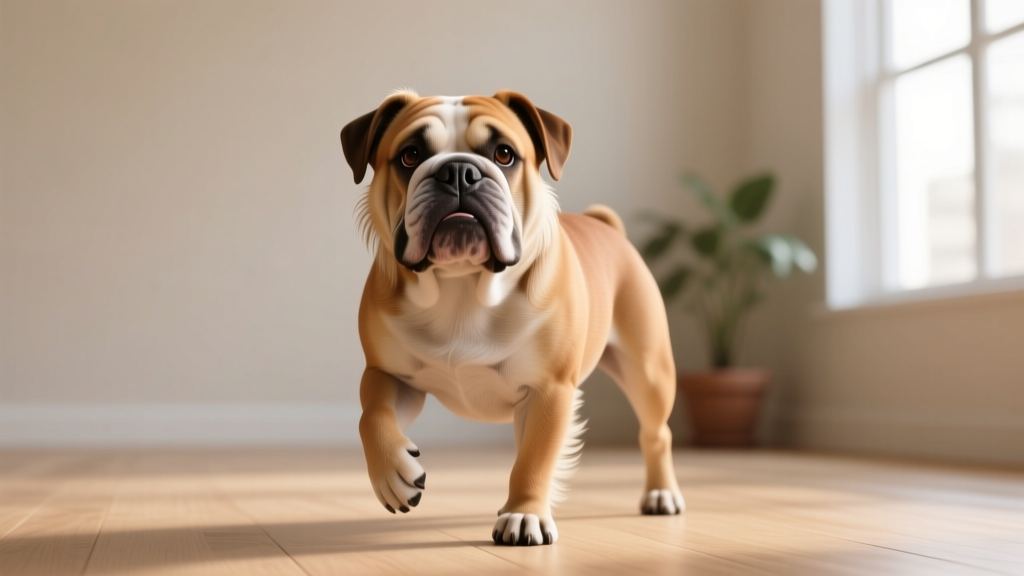
If you've been searching for an English Bulldog mixed with Shih Tzu, you've likely encountered the name "Bull-Tzu" — a designer cross that blends the stocky charm of the Bulldog with the silky elegance of the Shih Tzu. This mix is uncommon compared to popular doodle crosses, which means reliable information is scarce. Most online summaries gloss over the real variability inherent in first-generation designer dogs, leaving prospective owners unprepared for the range of outcomes.
This guide breaks down what you can realistically expect from a Bull-Tzu in terms of size, coat, temperament, and health — including the traits that are highly predictable and those that are essentially a genetic coin flip. We'll also cover costs, grooming demands, and the specific lifestyle this cross suits best.
Parent Breed Breakdown: English Bulldog Meets Shih Tzu
Understanding any designer mix starts with its foundation breeds. The English Bulldog and Shih Tzu sit on opposite ends of the canine spectrum in nearly every way — size, build, origin, and historical purpose. That divergence is exactly what makes their offspring so variable.
| Trait | English Bulldog (AKC Standard) | Shih Tzu (AKC Standard) |
|---|---|---|
| Weight | 40–50 lb (18–23 kg) | 9–16 lb (4–7 kg) |
| Height | 14–15 in (36–38 cm) | 9–10.5 in (23–27 cm) |
| Coat | Short, smooth, fine | Long, flowing, double coat |
| Shedding | Moderate (year-round) | Low (hair-like, minimal shed) |
| Muzzle | Extremely brachycephalic | Brachycephalic (shorter than Bulldog) |
| Energy Level | Low (20–40 min/day) | Low to moderate (30–45 min/day) |
| Lifespan | 8–10 years | 10–18 years |
| Original Purpose | Bull-baiting → companion | Imperial Chinese lap dog |
| Trainability | Stubborn, food-motivated | Moderately trainable, can be willful |
Both breeds share brachycephaly (flat-faced structure), which is the single most consequential trait a Bull-Tzu will inherit regardless of which parent it favors. According to the American Kennel Club's Bulldog breed standard, the English Bulldog's head should be massive and short-muzzled, while the AKC Shih Tzu standard calls for a broad, round head with a short, square muzzle. A Bull-Tzu will almost certainly have a shortened airway — the degree is what varies.
How Big Does an English Bulldog Mixed With Shih Tzu Get?
This is where the size gap between parent breeds creates the widest range of outcomes. An English Bulldog can weigh three to five times what a Shih Tzu weighs, so the resulting mix depends heavily on which parent's size genes dominate and which parent served as the dam (mother).
| Generation | Weight Range | Height Range |
|---|---|---|
| F1 (Bulldog dam × Shih Tzu sire) | 20–40 lb (9–18 kg) | 11–15 in (28–38 cm) |
| F1 (Shih Tzu dam × Bulldog sire) | 15–30 lb (7–14 kg) | 10–13 in (25–33 cm) |
| F1B (Bull-Tzu × Shih Tzu backcross) | 12–25 lb (5–11 kg) | 9–12 in (23–30 cm) |
| F1B (Bull-Tzu × Bulldog backcross) | 30–48 lb (14–22 kg) | 13–16 in (33–41 cm) |
| F2 (Bull-Tzu × Bull-Tzu) | 15–40 lb (7–18 kg) | 10–15 in (25–38 cm) |
Why dam size matters: A Shih Tzu dam carrying Bulldog-sired puppies faces significant whelping risks due to fetal size relative to her birth canal. Responsible breeders typically use the Bulldog as the dam and the Shih Tzu as the sire, or employ artificial insemination with a Bulldog dam. Litters from a Shih Tzu dam almost always require a planned cesarean section — a $1,500–$3,000 procedure that affects the puppy's purchase price.
Generation Explainer: F1, F1B, F2, and Multigen Bull-Tzus
Unlike established breeds, designer mixes are categorized by generation, which directly affects trait predictability. Here's what each label means for a Bull-Tzu:
F1 (First Generation): Direct cross of a purebred English Bulldog and a purebred Shih Tzu. Maximum genetic diversity, maximum trait variability. Each puppy in an F1 litter may look and behave quite differently.
F1B (First Generation Backcross): An F1 Bull-Tzu bred back to one of the parent breeds. An F1B bred to a Shih Tzu produces smaller, more consistently coated puppies. An F1B bred to a Bulldog produces stockier, shorter-coated puppies.
F2 (Second Generation): Two F1 Bull-Tzus bred together. This generation produces the widest variation — you can get puppies that look almost entirely like one grandparent breed. Genetically unpredictable.
Multigen (F3+): Bull-Tzus bred to Bull-Tzus for multiple generations. Extremely rare for this specific cross. True multigen lines would begin showing more consistency, but the Bull-Tzu has not reached this stage in any meaningful population.
In practice, the vast majority of Bull-Tzus available are F1 crosses. F1B litters occasionally appear when breeders want to push traits toward one parent breed. F2 and multigen Bull-Tzus are essentially nonexistent in the current market — anyone claiming to sell a "multigen Bull-Tzu" should be asked for documented pedigree records.
Coat Types and Grooming: What to Expect
The coat a Bull-Tzu inherits is one of the more visible genetic coin flips. The English Bulldog carries genes for a short, smooth, single-layer coat. The Shih Tzu carries genes for a long, dense double coat with hair-like texture. The resulting puppy may land anywhere on that spectrum.
| Coat Type | Inherited From | Shedding Level | Grooming Frequency |
|---|---|---|---|
| Short & smooth | Bulldog-dominant | Moderate year-round | Weekly brushing, occasional bath |
| Medium-length, wiry | Mixed expression | Low to moderate | Brushing 2–3×/week |
| Long & silky | Shih Tzu-dominant | Low (hair-like) | Daily brushing, professional groom every 6–8 weeks |
Is the Bull-Tzu hypoallergenic or low-shedding? Not reliably. Only Bull-Tzus that inherit the Shih Tzu's hair-like coat will approach low-shedding status, and even then, no dog is truly hypoallergenic. Allergens come from dander, saliva, and urine — not just fur. If allergies are a primary concern, this mix is a risky choice because you cannot predict coat type in an F1 litter before birth.
Facial wrinkle care is non-negotiable regardless of coat type. Both parent breeds have facial folds that trap moisture, debris, and bacteria. Bull-Tzu owners should clean facial wrinkles daily with a damp cloth or veterinary-recommended wrinkle wipe (products like Squishface Wrinkle Wipes, approximately $12–$15 per pack). Untreated fold dermatitis — also called intertrigo — is painful and leads to chronic yeast infections. According to the Merck Veterinary Manual, intertrigo is among the most common skin conditions in brachycephalic breeds.
Temperament Range: Best-Case and Challenging Scenarios
Both the English Bulldog and the Shih Tzu were bred as companion animals, so the Bull-Tzu's baseline drive is to be near people. Beyond that shared trait, temperament outcomes span a wide range.
Best-case temperament profile: A Bull-Tzu that blends the Bulldog's calm, easygoing nature with the Shih Tzu's playful, affectionate personality. This dog is content with two 20-minute walks daily, enjoys lap time, gets along with children and other pets, and shows moderate trainability with food rewards. This is the outcome most breeders aim for.
Challenging temperament profile: A Bull-Tzu that inherits the Bulldog's stubbornness combined with the Shih Tzu's wariness of strangers and tendency toward small-dog reactivity. This dog may bark excessively at visitors, resist training with passive noncompliance (lying down and refusing to move — a classic Bulldog trait), and display resource guarding over food or toys. Early socialization and positive reinforcement training from 8 weeks of age significantly reduce these risks.
With children: Bull-Tzus that lean toward the Bulldog's patience generally tolerate children well, but any dog under 40 lb can be injured by rough handling. Supervision with children under age 8 is essential. With other pets, early exposure during the 3–14 week socialization window is the strongest predictor of multi-pet household success.
Health Considerations: Inherited Risks From Both Parent Breeds
The concept of "hybrid vigor" — the idea that mixed-breed dogs are automatically healthier than purebreds — is frequently overstated. While genetic diversity can reduce the risk of certain recessive disorders, a Bull-Tzu can inherit dominant or polygenic conditions from either parent. Here's what prospective owners should discuss with their veterinarian:
| Condition | Parent Breed Source | Prevalence/Notes | Estimated Treatment Cost |
|---|---|---|---|
| Brachycephalic Obstructive Airway Syndrome (BOAS) | Both breeds | Very high probability — both parents are brachycephalic. Ranges from mild snoring to severe airway obstruction requiring surgery. | $2,000–$6,000 (surgical correction) |
| Hip Dysplasia | Primarily Bulldog | OFA data shows ~30% of English Bulldogs have hip dysplasia. Risk depends on which parent's skeletal structure dominates. | $1,500–$7,000 (surgical options) |
| Intervertebral Disc Disease (IVDD) | Both breeds | Both are chondrodystrophic breeds (long body, short legs). Disc degeneration can begin as early as 2–3 years of age. | $3,000–$8,000 (surgical decompression) |
| Patellar Luxation | Primarily Shih Tzu | Common in small breeds. Kneecap slips out of position, causing intermittent lameness. | $1,000–$3,000 (surgical correction) |
| Eye Conditions (Cherry Eye, Entropion, Dry Eye) | Both breeds | Brachycephalic eye anatomy puts Bull-Tzus at elevated risk for corneal ulcers, prolapsed nictitans gland, and keratoconjunctivitis sicca. | $300–$2,500 per eye |
| Allergies (Atopic Dermatitis, Food Sensitivities) | Both breeds | English Bulldogs are among the most allergy-prone breeds. Environmental and food allergies commonly manifest between 1–3 years of age. | $500–$3,000/year (ongoing management) |
BOAS deserves special attention. Because both parent breeds are brachycephalic, a Bull-Tzu has an exceptionally high probability of inheriting some degree of airway compromise. Brachycephalic Obstructive Airway Syndrome (BOAS) encompasses stenotic nares (narrowed nostrils), elongated soft palate, hypoplastic trachea, and everted laryngeal saccules. Signs include noisy breathing, exercise intolerance, heat sensitivity, and sleep apnea. The American Veterinary Medical Association advises owners of brachycephalic dogs to maintain lean body condition, avoid heat exposure, and use a harness instead of a neck collar to reduce airway pressure.
Recommended health screenings before breeding (ask your breeder for documentation): OFA hip evaluation, OFA patella evaluation, cardiac exam, ophthalmologist evaluation, and BOAS functional assessment. A responsible breeder will provide these for both parent dogs.
Lifespan expectations: Given the Bulldog's shorter lifespan (8–10 years) and the Shih Tzu's longer one (10–18 years), a Bull-Tzu's lifespan typically falls in the 10–13 year range, heavily dependent on whether BOAS, joint disease, or allergies are managed proactively. Consult your veterinarian about a breed-appropriate wellness plan from puppyhood.
Cost Breakdown: Buying vs. Adopting a Bull-Tzu
The English Bulldog mixed with Shih Tzu is not a mainstream designer breed like the Goldendoodle or Labradoodle, which affects both pricing and availability.
| Source | Price Range | Notes |
|---|---|---|
| Breeder (F1, health-tested parents) | $1,200–$3,500 | Higher end includes OFA certifications, genetic testing, early socialization programs |
| Breeder (no health testing) | $500–$1,200 | Higher health risk; often backyard breeders |
| Breed-specific rescue (Bulldog or Shih Tzu rescue) | $200–$600 | Occasionally receives mixed-breed dogs; adoption includes spay/neuter and vaccinations |
| General shelter/rescue | $50–$350 | Uncommon to find labeled Bull-Tzus; may be listed as "mixed breed, small/medium" |
First-year total ownership cost: Beyond the purchase price, budget $2,500–$4,500 for the first year. This includes spay/neuter ($300–$800), initial vaccinations ($200–$400), pet insurance ($40–$90/month for this mix given brachycephalic risk), food ($400–$800/year for a small-to-medium dog), grooming if the coat is Shih Tzu-dominant ($360–$600/year for professional grooming every 6–8 weeks), and preventive medications ($200–$400/year).
Finding a responsible breeder: Because this is a niche cross, dedicated Bull-Tzu breeders are rare. Most litters come from breeders who primarily work with one parent breed and occasionally produce a cross litter. Ask for: health clearances for both parents (not just "vet checked"), a take-back clause in the contract, proof of early neurological stimulation (ENS) or Puppy Culture socialization, and willingness to let you meet the dam in person. Avoid breeders who have multiple designer mixes available simultaneously — this often signals a commercial breeding operation.
Who This Mix Suits Best
The Bull-Tzu is not a one-size-fits-all companion. Here's a practical decision framework:
Well-suited for:
- Apartment or condo dwellers — both parent breeds adapt well to smaller spaces, and the Bull-Tzu's exercise needs are modest (30–45 minutes of daily activity, split into two walks)
- Adults or families with older children (age 8+) who understand gentle handling of small-to-medium dogs
- Owners who work from home or have flexible schedules — both parent breeds are prone to separation distress when left alone for 8+ hours
- First-time owners willing to invest in positive reinforcement training classes ($150–$300 for a 6-week course) and early socialization
- Cooler climates — brachycephalic dogs overheat dangerously in temperatures above 80°F (27°C)
Poorly suited for:
- Highly active owners seeking a hiking or running partner — BOAS risk makes sustained vigorous exercise unsafe
- Hot, humid climates without reliable air conditioning (Southern US summers pose serious risk)
- Households where the dog will be left alone for long hours daily
- Owners unwilling to commit to daily wrinkle cleaning and regular veterinary dermatology checkups
- Anyone seeking a hypoallergenic dog with guaranteed low shedding — trait predictability is too low in this cross
Frequently Asked Questions
What two breeds make up the Bull-Tzu?
The Bull-Tzu is a cross between the English Bulldog and the Shih Tzu. It is sometimes also called a Bull Shih Tzu or Shih Tzu Bulldog mix. This is a designer cross, not a recognized breed by the AKC or UKC, though some registries like the American Canine Hybrid Club (ACHC) list it.
How big will an English Bulldog mixed with Shih Tzu get?
Adult weight typically ranges from 15 to 40 lb (7–18 kg) depending on generation and which parent's size genes dominate. Height usually falls between 10 and 15 inches (25–38 cm) at the shoulder. The most reliable predictor is the average of the two parents' weights, adjusted by ±15%.
What will the temperament be like?
Expect a companion-oriented dog that wants to be near its people. The blend of Bulldog calmness and Shih Tzu playfulness produces a generally easygoing pet, but individual dogs may lean toward stubbornness (Bulldog trait) or wariness with strangers (Shih Tzu trait). Early socialization between 8 and 14 weeks is the strongest factor in shaping adult temperament.
Is the Bull-Tzu hypoallergenic or low-shedding?
No. Only Bull-Tzus that inherit the Shih Tzu's hair-like coat will be low-shedding, and this cannot be guaranteed in an F1 litter. No dog breed is truly hypoallergenic. If allergies are a dealbreaker, consider spending time with the specific puppy before committing, or look into more predictable low-shedding breeds.
What health issues might this mix inherit?
The highest-probability concern is Brachycephalic Obstructive Airway Syndrome (BOAS), since both parent breeds are flat-faced. Other risks include hip dysplasia, IVDD, patellar luxation, eye conditions (cherry eye, dry eye, corneal ulcers), and allergies. Pet insurance is strongly recommended — companies like Trupanion or Healthy Paws typically charge $45–$85/month for this mix.
How much does a Bull-Tzu cost?
From a responsible breeder with health-tested parents, expect to pay $1,200–$3,500. Adoption through a rescue ranges from $50–$600. First-year total ownership costs (including veterinary care, food, insurance, and supplies) typically reach $2,500–$4,500 beyond the purchase price.
Can Bull-Tzus live with cats or other dogs?
Generally yes, particularly when introduced during the puppy socialization window (3–14 weeks). Neither parent breed has a strong prey drive. However, individual temperament varies, and any dog should be supervised with smaller pets until their relationship is well-established.
Beth Carrasco
All our authors care for dogs every day — read more of their work on the authors page.


