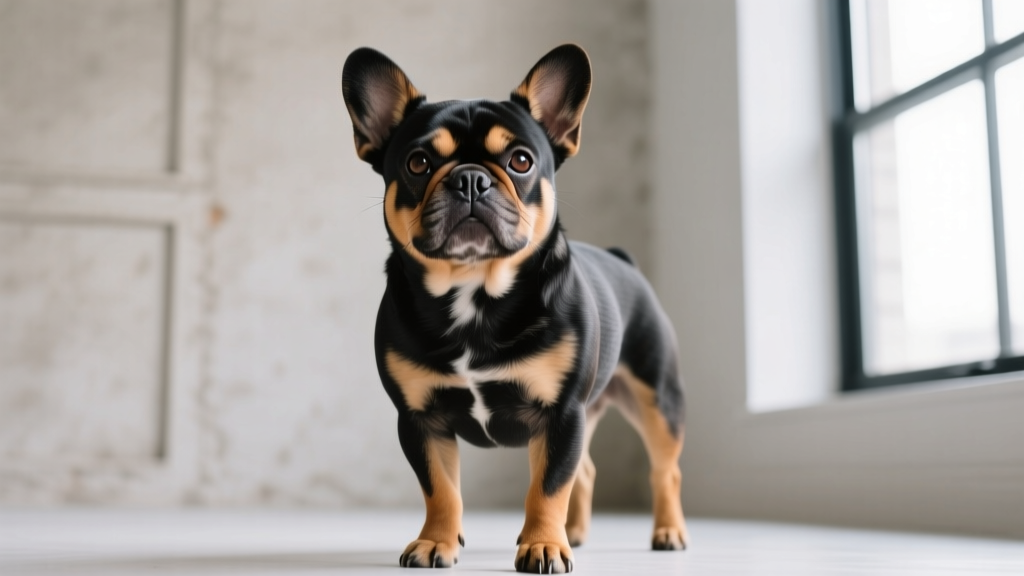
Bulldog and a Pug: The Complete Breed Comparison Guide
Bulldog and a Pug side-by-side comparison covering size, health, temperament, exercise needs, and costs to help you choose the right brachycephalic companion.

If you've ever found yourself choosing between a Bulldog and a Pug, you're not alone. These two brachycephalic breeds share wrinkled faces, curled tails, and a reputation for being lovable couch companions—but beneath the surface similarities, they differ significantly in size, health risks, energy levels, and lifetime costs. This guide breaks down every critical factor so you can make an informed decision.
Breed Origins: Two Wrinkled Faces, Two Different Histories
The English Bulldog traces back to 13th-century England, where the breed was originally developed for bull-baiting—a brutal sport that required immense jaw strength, a low center of gravity, and pain tolerance. After bull-baiting was outlawed in 1835, breeders selectively softened the Bulldog's temperament, transforming it into the gentle companion recognized by the American Kennel Club (AKC) today. The modern Bulldog was refined in the United Kingdom and became a national symbol of British tenacity.
The Pug has a far older and more aristocratic origin. Pugs date back to at least 200 B.C. in ancient China, where they were bred as companion dogs for Tibetan Buddhist monks and Chinese emperors. Dutch traders brought Pugs to Europe in the 16th century, and the breed became the official dog of the House of Orange in the Netherlands. The AKC recognizes the Pug as part of the Toy Group, reflecting its purpose as a pure companion animal.
The key distinction: the Bulldog was built for combat and then repurposed for companionship, while the Pug was designed from the start to be a lap dog. This history shapes their modern temperaments and physical builds.
Size, Build, and Physical Characteristics
| Attribute | English Bulldog | Pug |
|---|---|---|
| Weight (Adult) | 40–50 lb (18–23 kg) | 14–18 lb (6.4–8.2 kg) |
| Height (at shoulder) | 14–15 in (36–38 cm) | 10–13 in (25–33 cm) |
| Size Class | Medium | Toy |
| Coat Type | Short, smooth, fine-textured | Short, smooth, double coat |
| Common Colors | Brindle, white, red, fawn, piebald | Fawn, black, silver, apricot |
| Lifespan | 8–10 years | 13–15 years |
| Head Shape | Brachycephalic, massive, flat-faced | Brachycephalic, round, flat-faced |
| Tail | Short, straight or screwed | Tightly curled over hip |
The Bulldog's body is unmistakable: broad-shouldered, thick-limbed, with a pronounced underbite and loose, pendulous skin forming deep facial wrinkles. The Pug is essentially a scaled-down version of the same concept—square-bodied, muscular for its size, with large, prominent dark eyes and a tightly curled tail. The Pug's double coat means noticeably more shedding than the Bulldog's single coat.
Temperament & Personality: What Living With Each Breed Is Really Like
Both breeds are known for their affectionate, people-oriented nature—but their energy levels and behavioral tendencies differ in ways that matter for daily life.
English Bulldog Temperament
- Calm and low-energy: Bulldogs are famously sedentary. A typical adult Bulldog will happily spend 18–20 hours per day sleeping or lounging. They are not prone to hyperactivity or destructive behavior from boredom alone.
- Stubborn but not aggressive: Bulldogs rank low on obedience intelligence scales—not because they lack intelligence, but because they were bred to act independently during bull-baiting. Expect selective hearing during training sessions. A Bulldog will evaluate whether a command is worth obeying.
- Gentle with family: Modern Bulldogs are notably patient with children and rarely display aggression toward household members. They form strong bonds but are not typically velcro dogs—they'll sit near you, not necessarily on you.
- Territorial with unfamiliar dogs: Same-sex aggression can occur, particularly between intact males. Early socialization (8–16 weeks) is critical.
- Low bark drive: Bulldogs are not yappy. They may grunt, snort, and snore loudly, but nuisance barking is uncommon.
Pug Temperament
- Playful and mischievous: Pugs retain puppy-like energy well into adulthood (3–5 years). They are more likely to initiate play, chase toys, and perform what owners often describe as "zoomies"—brief bursts of excited running.
- Highly social and attention-seeking: Pugs are genuine companion dogs that thrive on constant human contact. They will follow you room to room and often develop separation anxiety if left alone for more than 4–6 hours regularly.
- More trainable than Bulldogs: Pugs are food-motivated and eager to please, making them responsive to positive reinforcement training. They excel in rally obedience and trick training when sessions are kept short (5–10 minutes).
- Generally good with all dogs: Pugs tend to be sociable with other dogs of all sizes. They rarely initiate conflict but can be overwhelmed by rough play from larger breeds.
- Moderate barkers: Pugs will alert-bark at doorbells and strangers but are not persistent barkers. They are more vocal than Bulldogs overall.
- Extremely calm—ideal for apartments
- Minimal barking
- Patient and sturdy with children
- Low exercise demands
- Independent—tolerates alone time better
- Shortest lifespan of most breeds (8–10 years)
- Highest veterinary costs among popular breeds
- Stubborn—difficult to train for beginners
- Severe heat intolerance
- Loud snoring, grunting, flatulence
- Longer lifespan (13–15 years)
- More trainable and food-motivated
- Playful and entertaining personality
- Compact size—easy to travel with
- Excellent with other dogs and pets
- Prone to separation anxiety
- Heavy shedding (double coat)
- Eye injuries due to prominent eyes
- Obesity risk if overfed
- Cannot tolerate heat or intense exercise
Exercise & Activity Needs: Minutes Per Day and Activity Types
Neither breed is athletic, and both are at risk for brachycephalic obstructive airway syndrome (BOAS)—a condition where shortened airways make breathing difficult, especially during exertion or in warm weather. Exercise must be carefully managed.
| Activity | English Bulldog | Pug |
|---|---|---|
| Total Daily Exercise | 20–30 minutes | 30–45 minutes |
| Walk Format | 2 short walks (10–15 min each) | 2–3 walks (10–15 min each) |
| Best Activities | Leisurely walks, gentle tug, sniffing games | Short walks, indoor fetch, puzzle toys, trick training |
| Avoid | Running, swimming (cannot float), heat exposure | Long-distance running, jogging, heat exposure |
| Heat Safety Threshold | No outdoor exercise above 75°F (24°C) | No outdoor exercise above 80°F (27°C) |
A critical note on swimming: Bulldogs are physically unable to swim. Their front-heavy body composition and short legs mean they will sink immediately. Never leave a Bulldog unsupervised near pools, ponds, or bathtubs. Pugs can paddle but are not efficient swimmers and should wear a canine life jacket (such as the Ruffwear Float Coat) near water.
Health Issues: Breed-Specific Conditions and Prevalence
Both breeds are brachycephalic, meaning their shortened skulls create a cascade of health concerns. However, the Bulldog carries a significantly heavier health burden due to its extreme conformation.
| Condition | English Bulldog | Pug | Estimated Treatment Cost |
|---|---|---|---|
| Brachycephalic Obstructive Airway Syndrome (BOAS) | Very high prevalence (~60%+) | Moderate prevalence (~30–40%) | $2,500–$6,000 (surgical correction) |
| Hip Dysplasia | ~72% affected (OFA data) | ~7% affected | $1,500–$7,000 (surgery per hip) |
| Cherry Eye (Prolapsed Nictitans Gland) | Common | Occasional | $500–$1,500 per eye |
| Corneal Ulcers / Eye Injuries | Moderate risk | High risk (prominent eyes) | $200–$3,000 depending on severity |
| Skin Fold Dermatitis | Very common | Common (facial folds) | $100–$500 per flare-up |
| Pug Dog Encephalitis (PDE) | Not applicable | Rare but fatal (breed-specific) | No cure; diagnostic costs $1,000–$3,000 |
| Patellar Luxation | Occasional | Common | $1,000–$3,500 per knee |
| Delivery Complications (Dystocia) | ~90% require C-section | Higher than average C-section rate | $1,500–$4,000 (emergency C-section) |
According to the Merck Veterinary Manual, brachycephalic breeds experience progressive airway deterioration with age. Bulldogs are among the most severely affected, with many requiring surgical widening of the nostrils (stenotic nares resection) and shortening of the elongated soft palate by age 2–4. Pet insurance is strongly recommended for both breeds but is practically essential for Bulldogs—expect monthly premiums of $60–$120 for a Bulldog puppy enrolled at 8 weeks.
Grooming Requirements: Tools, Frequency, and Wrinkle Care
Neither breed requires professional grooming, but both demand consistent at-home maintenance—particularly around their facial wrinkles, which trap moisture and bacteria.
Bulldog Grooming Schedule
- Wrinkle cleaning: Daily to every other day. Use a damp cloth or unscented baby wipe to clean inside each facial fold, then dry thoroughly with a soft towel. Apply a thin layer of petroleum jelly or a veterinary-recommended wrinkle balm (such as Squishface Wrinkle Paste, ~$18) to prevent chafing.
- Brushing: 2–3 times per week with a rubber curry brush (e.g., Kong ZoomGroom, ~$10) to remove loose hair.
- Bathing: Every 4–6 weeks with a gentle, oatmeal-based dog shampoo. Pay special attention to drying all skin folds completely.
- Nail trimming: Every 3–4 weeks. Bulldogs tend to have thick nails that can split if overgrown.
- Ear cleaning: Weekly with a veterinary ear cleanser (e.g., Epi-Otic Advanced, ~$16). Their small, folded ears trap moisture and are prone to yeast infections.
- Tail pocket cleaning: Bulldogs with screw tails often have a deep tail pocket that requires cleaning 2–3 times per week to prevent infection.
Pug Grooming Schedule
- Wrinkle cleaning: Every 2–3 days. Same technique as the Bulldog—damp cloth, dry thoroughly.
- Brushing: 3–4 times per week with a de-shedding tool (e.g., Furminator Short Hair Small, ~$30). Pugs shed heavily year-round, and their double coat produces more loose hair than you'd expect from such a small dog.
- Bathing: Every 3–4 weeks. Pugs may need more frequent baths due to their tendency to get dirty during play.
- Nail trimming: Every 3–4 weeks.
- Eye care: Daily visual inspection. Use a sterile saline eyewash to gently flush debris from around the eyes. Pugs' prominent eyes are vulnerable to scratches from grass, branches, and even carpet fibers.
Training & Intelligence: Methods That Actually Work
Both breeds require patience, but their trainability differs meaningfully.
Bulldog Trainability Rating: 3/10 — Bulldogs are not unintelligent; they are independent thinkers bred to act without human direction. They respond to short (3–5 minute), high-value training sessions using food rewards (freeze-dried liver, small pieces of chicken). Repetition bores them quickly. Focus on essential commands: sit, down, come, leave it, and loose-leash walking. Do not expect competition-level obedience. Never use aversive methods—shock collars, prong collars, or alpha rolls will damage the Bulldog's trust and may trigger fear-based aggression. Positive reinforcement and LIMA (Least Intrusive, Minimally Aversive) methods are the only appropriate approaches.
Pug Trainability Rating: 6/10 — Pugs are noticeably easier to train. Their food motivation is intense, and they enjoy the interaction of training sessions. Keep sessions to 5–10 minutes to accommodate their brachycephalic breathing. Pugs can learn tricks, compete in rally obedience, and earn AKC Canine Good Citizen certification. House training may take 4–8 months—Pugs have small bladders and are slower to develop bladder control than larger breeds. Crate training (using a properly sized 22-inch or 24-inch crate) is highly recommended for housebreaking support.
Family Suitability: Kids, Other Pets, and Living Environments
With Children: Both breeds are excellent with children when properly socialized. Bulldogs are sturdier and more tolerant of clumsy handling from toddlers, making them better suited for families with very young children. Pugs are more fragile—their prominent eyes can be injured by a child's accidental poke, and their small frames are vulnerable to being dropped. Pugs are better matched with families whose children are at least 6–8 years old and can be taught gentle handling.
With Other Dogs: Pugs are generally sociable with all dogs. Bulldogs can be selective—same-sex aggression is more common, particularly between males. Neutering reduces but does not eliminate this tendency. Both breeds should be supervised with much larger dogs that could accidentally injure them during play.
With Cats: Both breeds have low prey drive and typically coexist well with household cats when introduced properly.
Apartment Living: Both breeds are among the best choices for apartments. They are relatively quiet, don't require yard space, and are content with indoor living. The Bulldog's larger size (40–50 lb) may be a consideration for very small apartments or buildings with weight restrictions. The Pug's smaller frame and slightly higher energy make it more versatile for studio or one-bedroom layouts.
Climate Considerations: Neither breed tolerates heat. If you live in a region where summer temperatures regularly exceed 85°F (29°C), you must have reliable air conditioning and plan all outdoor activities for early morning or evening. Bulldogs are particularly vulnerable—heatstroke can develop in as little as 10–15 minutes of exertion in warm conditions. Both breeds tolerate cold poorly due to their short coats and low body fat; a dog coat or sweater is recommended when temperatures drop below 40°F (4°C).
Cost of Ownership: Purchase Price and Annual Expenses
The cost difference between these breeds is substantial, particularly when veterinary expenses are factored in.
| Expense Category | English Bulldog | Pug |
|---|---|---|
| Puppy Price (Responsible Breeder) | $2,500–$5,000 | $1,500–$3,500 |
| First-Year Veterinary Costs | $1,200–$3,000 | $800–$1,500 |
| Annual Vet Costs (Adult) | $1,500–$4,000+ | $600–$1,500 |
| Monthly Pet Insurance | $60–$120 | $30–$60 |
| Food (Annual) | $480–$720 | $240–$400 |
| Grooming Supplies (Annual) | $100–$200 | $80–$150 |
| Estimated First-Year Total | $5,500–$10,000 | $3,500–$6,500 |
| Lifetime Cost (Estimated) | $25,000–$50,000+ | $15,000–$30,000 |
These estimates assume purchase from a responsible breeder who conducts health testing (OFA hip and elbow evaluations, cardiac exams, and genetic screening). Adoption from a breed-specific rescue (such as Bulldog Rescue Network or Pug Rescue) can reduce initial costs to $300–$600, though rescue dogs may have pre-existing health conditions. Always consult your veterinarian to develop a breed-appropriate preventive care plan.
Frequently Asked Questions
Is the Bulldog or Pug better for first-time dog owners?
Both breeds are considered suitable for first-time owners due to their manageable exercise needs and affectionate temperaments. However, the Pug is generally the easier choice: it's more trainable, has fewer health emergencies, and costs significantly less to maintain. First-time owners considering a Bulldog should budget for higher veterinary costs and be prepared for the emotional weight of a shorter lifespan. Either way, connecting with a positive-reinforcement trainer during the puppy's first 6 months is strongly recommended.
How much daily exercise does a Bulldog need versus a Pug?
Bulldogs need approximately 20–30 minutes of gentle exercise per day, split into two short walks. Pugs need slightly more—30–45 minutes daily, which can include short walks and indoor play sessions. Neither breed should exercise in temperatures above 75–80°F (24–27°C), and both should use a harness rather than a collar to reduce pressure on their compromised airways.
Which breed has more health problems?
The English Bulldog has a significantly higher health burden. According to a study published in Canine Genetics and Epidemiology, Bulldogs have the second-lowest lifespan of all popular breeds and the highest rates of hip dysplasia among AKC-registered breeds. The Pug shares brachycephalic concerns (breathing difficulties, eye problems) but benefits from a less extreme body conformation and a lifespan 5–7 years longer on average.
How big does each breed get as an adult?
Adult male Bulldogs typically weigh 45–50 lb (20–23 kg) and stand 14–15 inches (36–38 cm) at the shoulder. Adult female Bulldogs weigh 40–45 lb (18–20 kg). Adult Pugs of both sexes weigh 14–18 lb (6.4–8.2 kg) and stand 10–13 inches (25–33 cm). Pugs are prone to obesity and should be maintained at a body condition score (BCS) of 4–5 out of 9—you should be able to feel ribs without pressing hard, and see a visible waist from above.
Are Bulldogs and Pugs good with children and other pets?
Yes, both breeds are generally excellent with children and other household pets. Bulldogs are sturdier and more tolerant of rough handling, making them slightly better with toddlers. Pugs are more playful and engaging with older children but are fragile enough to be injured by rough play. Both breeds have low prey drive and typically coexist peacefully with cats. Always supervise interactions between any dog and children under 10 years old.
How much does it cost to buy and maintain a Bulldog versus a Pug?
A Bulldog puppy from a responsible breeder costs $2,500–$5,000, with first-year total expenses of $5,500–$10,000 and lifetime costs of $25,000–$50,000+. A Pug puppy costs $1,500–$3,500, with first-year expenses of $3,500–$6,500 and lifetime costs of $15,000–$30,000. The Bulldog's higher costs are driven by its shorter lifespan packed with more veterinary interventions—particularly BOAS surgery, hip procedures, and skin fold management. Pet insurance is strongly recommended for both breeds and nearly essential for Bulldogs.
Tom Renshaw
All our authors care for dogs every day — read more of their work on the authors page.