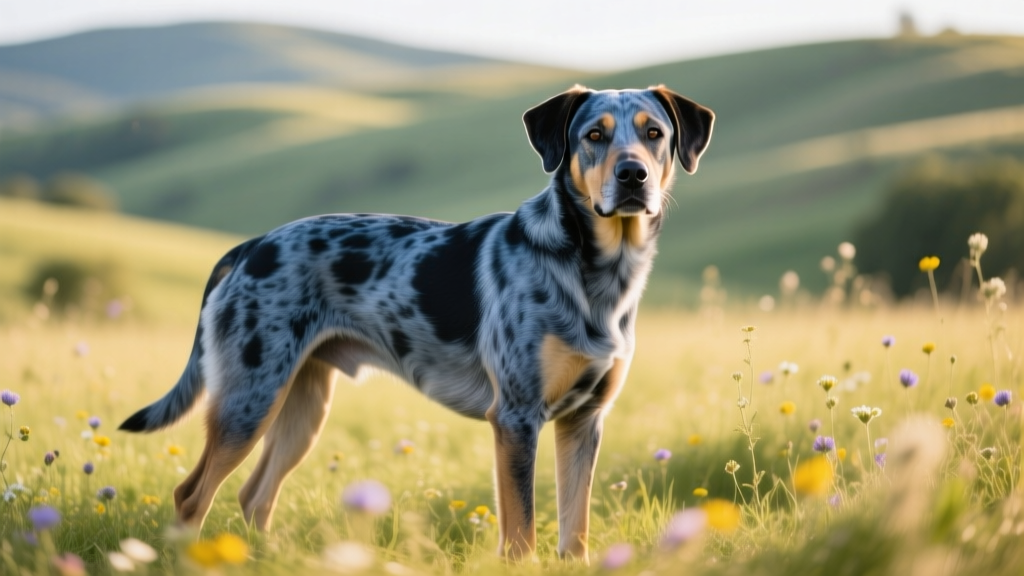
Brown Boston Terrier: Complete Breed Guide & Care Profile
Everything about the brown Boston Terrier: rare color genetics, temperament, health risks, exercise needs, grooming, and 2026 ownership costs.

The Brown Boston Terrier: A Rare Twist on the American Gentleman
If you've scrolled through Boston Terrier forums or rescue pages, you've likely seen the classic black-and-white "tuxedo" coat. But the brown Boston Terrier — sometimes called chocolate, liver, or seal-brown — is a striking variation that turns heads at the dog park and sparks plenty of questions from prospective owners. Is the brown coat recognized by the AKC? Does it signal health problems? What does it cost to bring one home?
This guide covers everything you need to know about brown Boston Terriers, from the genetics behind their unusual coloring to real-world ownership costs, health screenings you should demand from breeders, and daily care routines calibrated to this brachycephalic (short-nosed) breed's specific needs.
Breed at a Glance: Brown Boston Terrier Quick Facts
| Attribute | Details |
|---|---|
| Size Class | Small (non-sporting/toy-adjacent) |
| Weight Range | 12–25 lb (5.4–11.3 kg) |
| Height at Shoulder | 15–17 inches (38–43 cm) |
| Lifespan | 11–13 years (some reach 15 with excellent care) |
| Coat Type | Short, smooth, fine single coat |
| Coat Colors (Brown Variant) | Chocolate/liver with white markings; seal-brown with brindle undertones |
| Energy Level | Moderate — bursts of playfulness, long nap sessions |
| Grooming Needs | Low — weekly brushing, monthly baths |
| AKC Breed Standard Color | Brown/liver is not a standard color for conformation showing; eligible for companion/performance events |
| Origin | Boston, Massachusetts, USA — 1870s (English Bulldog × English White Terrier crosses) |
Origin and History: From Pit-Fighting Roots to Parlor Companion
The Boston Terrier's story begins around 1870 in Boston, Massachusetts, when coachman William O'Brien sold a dog named "Judge" (sometimes called "Hooper's Judge") to Robert C. Hooper. Judge was a Bull-and-Terrier type — a cross between an English Bulldog and the now-extinct English White Terrier. He weighed over 30 pounds and looked nothing like today's compact Bostons.
Through selective breeding with smaller dogs — including French Bulldogs introduced in the 1890s — breeders refined the type into the gentle, tuxedo-coated companion we recognize today. The American Kennel Club recognized the Boston Terrier in 1893, making it one of the first breeds developed entirely in the United States.
Brown and liver-colored Bostons have existed since the breed's early days. The recessive liver gene was present in founding stock, and brown puppies periodically appeared in litters. However, the AKC breed standard specifies only black, brindle, or seal (black with red cast in sunlight) with white markings as acceptable show colors. Brown/liver Bostons are disqualified from conformation rings but are fully eligible for agility, obedience, rally, and other performance events.
This disqualification has an important practical consequence: some breeders market "rare chocolate Boston Terriers" at inflated prices. A brown coat is uncommon, but it is not a premium feature that justifies a $4,000+ price tag. Reputable breeders price brown puppies comparably to their standard-colored littermates.
Physical Characteristics: What Does a Brown Boston Terrier Look Like?
Brown Boston Terriers share every structural trait of the breed — the only difference is pigment. Here's what to expect:
- Build: Compact, square-proportioned, muscular with a short back. The body length should roughly equal the height at the withers.
- Head: Square, flat on top with a short, wide muzzle — classic brachycephalic structure. The stop (angle between forehead and muzzle) is well-defined.
- Eyes: Large, round, dark, and set wide apart. Brown/liver Bostons may have lighter amber or hazel eyes rather than the deep brown seen in black-pigmented dogs. This is normal and linked to the same TYRP1 gene affecting coat color.
- Ears: Small, erect, set wide on the skull. May be natural or cropped (though ear cropping is increasingly uncommon and discouraged by the AVMA).
- Tail: Naturally short — either straight or screwed. Never docked; the short tail is a breed trait.
- Coat: Short, smooth, fine-textured single coat. Brown variants range from warm milk-chocolate to deep mahogany-liver, typically with white markings on the muzzle, chest, and a white blaze between the eyes. Some brown Bostons show a subtle brindle pattern overlay.
- Nose & Eye Rims: Liver/brown-pigmented rather than black — this is a key identifier distinguishing a true brown (b/b) from a dark seal that may appear brownish in certain light.
Temperament & Personality: Five Traits That Define the Brown Boston Terrier
Coat color doesn't influence temperament — a brown Boston Terrier is every bit as charming, goofy, and people-oriented as a black one. Here are five core personality traits backed by breed-standard descriptions and owner surveys:
1. Affectionate and Clingy ("Velcro Dog" Tendency)
Bostons form intense bonds with their primary person and often follow them room-to-room. Expect your brown Boston to curl up pressed against your thigh on the couch, rest a paw on your foot while you work, and greet you at the door with full-body wiggles. This attachment level means they are prone to separation anxiety if left alone for more than 4–6 hours regularly.
2. Playful but Not Hyperactive
Bostons have what owners describe as "zoomie bursts" — 5 to 10 minutes of frantic, joyful sprinting in circles — followed by long naps. They'll enthusiastically chase a flirt pole or play tug, but they don't have the endurance of a sporting breed. A 20-minute fetch session typically satisfies their play drive.
3. Friendly with Strangers
Unlike many small breeds that are aloof or wary, Bostons tend to approach new people with curiosity and tail wags. They make terrible guard dogs — a brown Boston is more likely to lick an intruder than bark at one. They may give a short alert bark at the doorbell but settle quickly once visitors are inside.
4. Comedic and Expressive
Boston Terriers are famous for their vocal range: grunts, snorts, sneezes, yodels, and the occasional dramatic sigh. Their brachycephalic anatomy contributes to this soundtrack. Many owners report their Bostons "talk back" during conversations and tilt their heads in response to specific words.
5. Stubborn Streak During Training
Bostons are intelligent (ranking around 54th out of 138 breeds in Stanley Coren's working intelligence rankings), but they're not biddable in the way a Border Collie is. They learn commands quickly but may choose to ignore them if something more interesting is happening. Food motivation is typically very high, which is your training advantage.
Exercise, Activity & Training: Daily Needs for a Brown Boston Terrier
Because Boston Terriers are brachycephalic, their exercise needs require more nuance than "a daily walk." Their shortened airways mean they overheat faster and struggle to breathe efficiently during sustained exertion, especially in warm or humid conditions.
| Activity | Duration | Frequency | Notes |
|---|---|---|---|
| Leash walk | 15–20 minutes | 2× daily | Use a harness (never a collar) to reduce tracheal pressure. Avoid walks when temperature exceeds 80°F (27°C). |
| Indoor play / fetch | 10–15 minutes | 1–2× daily | Soft indoor balls, tug ropes. Great for apartment living. |
| Sniffari / enrichment walk | 20–30 minutes | 2–3× weekly | Let them sniff freely on a long line (15–20 ft). Mental stimulation tires them as much as physical exercise. |
| Puzzle toys / training games | 10–15 minutes | Daily | Kong Classic (size Small), Outward Hound Nina Ottosson Dog Brick, snuffle mats. |
| Agility / sport training | 15–20 minutes | 1–2× weekly | Bostons excel at low-impact agility. Keep jump heights at 4–8 inches. Avoid in extreme heat. |
Total daily exercise target: 30–45 minutes, split into multiple short sessions rather than one long outing.
Training Approach: Positive Reinforcement Only
Boston Terriers respond best to positive reinforcement (R+) methods — high-value treats (freeze-dried liver, small cheese pieces), enthusiastic praise, and short training sessions of 5–10 minutes. Their attention span wanes quickly, and drilling the same command for 20 minutes will produce a Boston who lies down and snores.
Key training priorities for brown Boston Terrier puppies:
- Housebreaking: Bostons can be notoriously difficult to potty train. Their small bladders and stubborn streak mean accidents are common until 6–8 months. Use a strict schedule: outside every 2 hours for puppies, immediately after meals, naps, and play. Reward with a high-value treat the instant they eliminate outdoors.
- Leash manners: Bostons tend to pull. A front-clip harness (such as the Ruffwear Front Range) redirects pulling force without choking their compromised airway.
- Impulse control: Practice "leave it" and "wait" early. Bostons are opportunistic food snatchers — a reliable "leave it" can prevent them from grabbing toxic items (chocolate, xylitol gum, grapes) off the floor.
- Crate training: Essential for housebreaking and managing separation anxiety. Use a wire crate sized for a small dog (24" L × 18" W × 21" H) with a divider panel for puppies.
Never use shock collars, prong collars, choke chains, or alpha rolls on a Boston Terrier. Their trachea is already compromised by brachycephalic anatomy, and any neck pressure increases the risk of tracheal collapse and respiratory distress.
Common Health Issues: What Brown Boston Terrier Owners Must Know
Boston Terriers are generally sturdy small dogs, but their brachycephalic structure and compact genetics create specific health vulnerabilities. The brown coat color itself does not cause additional health problems — liver pigment is not linked to deafness or skin disease the way the merle or extreme white piebald genes can be in other breeds. However, brown Bostons share all standard breed health risks:
| Condition | Prevalence | What to Watch For | Prevention / Management |
|---|---|---|---|
| Brachycephalic Obstructive Airway Syndrome (BOAS) | Estimated 50–60% of Bostons show some degree of airway obstruction (Veterinary Record studies) | Loud snoring, exercise intolerance, gagging, cyanotic (blue) gums after exertion, heat collapse | Maintain lean body condition (BCS 4–5/9). Avoid heat. Surgical correction of elongated soft palate and stenotic nares if severe. Consult your veterinarian for BOAS grading. |
| Patellar Luxation | ~9% of Bostons screened (Orthopedic Foundation for Animals data) | Intermittent "skipping" on hind legs, sudden yelping, reluctance to jump | OFA patella screening for breeding stock. Surgical correction for Grade III–IV. Weight management reduces stress on knees. |
| Corneal Ulcers & Eye Injuries | Bostons rank among top breeds for corneal ulcer incidence | Squinting, tearing, pawing at eye, visible cloudiness or indentation on cornea | Avoid letting Bostons push through dense brush. Seek immediate vet care — corneal ulcers can progress to rupture within 24–48 hours. |
| Allergies (Atopic Dermatitis) | Estimated 20–30% of Bostons affected | Itchy paws (licking/chewing), recurrent ear infections, red belly skin, hot spots | Allergy testing (intradermal or serum IgE), Apoquel or Cytopoint injections, limited-ingredient diet trials. Consult a veterinary dermatologist for persistent cases. |
| Cataracts (Juvenile & Age-Related) | Hereditary cataracts documented in breed; OFA reports ~4% affected | Cloudy or bluish haze in the lens, bumping into furniture, reluctance to navigate stairs in dim light | Annual CERF/OFA ophthalmologist exams. Surgical removal available ($1,500–$3,500 per eye). Breeding dogs should be screened. |
- Blue or purple gums/tongue (cyanosis) — indicates oxygen deprivation
- Labored breathing with extended neck and elbows spread wide
- Eye injury or sudden cloudiness — corneal rupture risk is high in Bostons
- Repeated vomiting or unproductive retching (possible gastric issues)
- Seizures or sudden collapse
If you suspect poisoning or toxic ingestion, call ASPCA Animal Poison Control: (888) 426-4435 (24/7, consultation fee applies).
Health Screening Checklist for Breeders
If you're buying a brown Boston Terrier puppy, request documentation of these health tests performed on both parent dogs:
- OFA Patella Evaluation — normal rating
- OFA or CERF Ophthalmologist Examination — within past 12 months
- Cardiac Exam — by a veterinary cardiologist (Boston Terriers can carry congenital heart defects)
- B-locus Genetic Test — confirms brown/liver genotype if color is a selling point
The Orthopedic Foundation for Animals (OFA) maintains a public database where you can verify a dog's health test results by name or registration number.
Grooming, Nutrition & Daily Care
Boston Terriers are one of the lowest-maintenance breeds in terms of grooming, but their facial structure and allergy-prone skin require targeted attention.
Grooming Schedule
- Brushing: Once per week with a rubber curry brush (e.g., Kong ZoomGroom) or soft bristle brush. Bostons shed moderately year-round — their short hairs embed in fabric and are notoriously hard to remove from furniture.
- Bathing: Every 4–6 weeks using a gentle, oatmeal-based dog shampoo. Over-bathing strips natural oils and worsens allergy-related dry skin.
- Facial wrinkle cleaning: 2–3 times per week. Wipe the folds around the nose and eyes with a damp cloth or veterinary wipe (e.g., VetOne MalAcetic). Moisture trapped in wrinkles causes bacterial and yeast infections.
- Nail trimming: Every 2–3 weeks. Overgrown nails alter gait and worsen patellar luxation. Use a scissor-style clipper or a Dremel pet nail grinder.
- Ear cleaning: Weekly with a veterinarian-approved ear cleanser. Bostons' erect ears collect less debris than floppy ears, but allergy-prone dogs are still susceptible to ear infections.
- Dental care: Daily tooth brushing with enzymatic dog toothpaste (e.g., Virbac CET). Bostons are prone to early periodontal disease due to tooth crowding in their short jaw. Professional dental cleaning under anesthesia typically needed every 1–2 years ($300–$800 depending on extractions).
Nutrition Guidelines
Feed a brown Boston Terrier a diet that meets AAFCO nutritional standards for their life stage. Look for a named protein source (chicken, lamb, salmon) as the first ingredient and a guaranteed analysis showing minimum 22% protein and 8% fat for adult maintenance.
Daily food amounts (approximate, varies by brand and caloric density):
- 12–15 lb (5.4–6.8 kg) dog: ½ to ⅔ cup high-quality kibble per day, split into 2 meals
- 16–20 lb (7.3–9.1 kg) dog: ⅔ to ¾ cup per day
- 21–25 lb (9.5–11.3 kg) dog: ¾ to 1 cup per day
Because Bostons are prone to gas and flatulence (a common owner complaint), consider a diet with easily digestible carbohydrates and avoid formulas heavy in soy, peas, or dairy. Slow-feeder bowls reduce air swallowing, which is a major contributor to gas in brachycephalic breeds.
Family Suitability: Kids, Pets, and Apartment Living
✅ Strengths
- Excellent with children ages 6+ who understand gentle handling
- Adapts well to apartment and condo living (low bark drive, compact size)
- Generally friendly with other dogs when properly socialized
- Minimal shedding compared to most breeds
- Travel-friendly size — fits under airline seats in an approved carrier
- Eager to please with food-motivated training
⚠️ Considerations
- Not ideal for families with toddlers — fragile small dogs can be injured by rough handling
- High separation anxiety risk — not suited for owners away 8+ hours daily
- Snoring and snorting may bother light sleepers
- Heat intolerance makes them poor outdoor dogs in warm climates
- Can be territorial with food bowls (resource guarding tendencies in some lines)
- Flatulence is a genuine lifestyle factor — it's real, and it's potent
With children: Brown Boston Terriers are patient and playful with school-age children who've been taught to handle dogs gently. They are not recommended for homes with children under 5, as a toddler's unpredictable movements and grabbing can injure a 15-pound dog or trigger a fear-based nip.
With other pets: Most Bostons coexist peacefully with other dogs, especially when raised together. Some males show same-sex dog aggression, which is more common in intact (unneutered) dogs. Bostons have a mild prey drive — they may chase cats or small animals, but early socialization usually produces cat-tolerant adults.
Apartment living: This is where Bostons shine. Their moderate energy, small size, and relatively quiet nature (they bark less than most terrier breeds) make them one of the best brachycephalic breeds for apartment dwellers. Just ensure your building allows dogs and that you have access to outdoor potty areas.
Cost of Ownership: Buying and Maintaining a Brown Boston Terrier
Here's a realistic cost breakdown based on 2026 market data from breeders, veterinary clinics, and pet supply retailers:
Puppy Purchase Price
- Responsible breeder (health-tested parents, AKC registration): $1,500–$2,800
- Brown/liver color premium (some breeders charge more): Add $200–$500, though ethical breeders do not inflate prices for non-standard colors
- "Rare chocolate" marketing breeders (buyer beware): $3,000–$5,000+ — often backyard breeders capitalizing on color. Health testing is frequently absent.
- Boston Terrier rescue/adoption: $200–$600. Organizations like the Boston Terrier Club of America Rescue Network occasionally have brown Bostons available.
First-Year Estimated Costs
| Expense | Estimated Cost |
|---|---|
| Puppy purchase | $1,500–$2,800 |
| Initial vet visits (3 puppy exams + DHPP/rabies vaccines) | $300–$500 |
| Spay/neuter | $300–$600 |
| Microchipping | $40–$60 |
| Crate, harness, leash, bowls, bed | $150–$300 |
| Food (12 months, quality kibble) | $250–$400 |
| Heartworm/flea/tick prevention (12 months) | $150–$250 |
| Pet insurance (annual premium) | $400–$700 |
| First-Year Total (excluding puppy) | $1,590–$2,810 |
Annual ongoing costs (years 2+): $1,200–$2,200 per year, including food, preventive medications, annual vet exams, dental cleanings, and insurance. Budget an additional $500–$1,500 emergency fund annually — Boston Terriers' eye and respiratory issues can require urgent care.
Frequently Asked Questions About Brown Boston Terriers
Is a brown Boston Terrier right for a first-time dog owner?
Yes — Boston Terriers are widely considered one of the best breeds for first-time owners. They're small, adaptable, eager to eat (which makes training easier), and don't require advanced grooming skills. The main challenges for a novice owner will be housebreaking patience and learning to manage brachycephalic heat risks. If you can commit to consistent potty training schedules and avoid exercising your Boston in hot weather, you'll do well.
Can brown Boston Terriers be AKC registered?
Yes. A brown Boston Terrier from AKC-registered parents can receive full AKC registration. The brown/liver color is a disqualification in conformation (show ring) events, but brown Bostons can compete in obedience, agility, rally, coursing ability, and all other AKC performance events. They can also earn Canine Good Citizen (CGC) and therapy dog certifications.
Do brown Boston Terriers have more health problems than black ones?
No. The B-locus gene that produces brown pigment is not linked to any specific health condition. A brown Boston Terrier has the same breed-related health risks as any other Boston — BOAS, patellar luxation, eye problems, and allergies. The color itself is cosmetic. What matters is the overall health testing and breeding practices behind the individual dog, not the coat color.
How much exercise does a brown Boston Terrier need each day?
Plan for 30–45 minutes of total daily activity, split into two or three short sessions. Two 15–20 minute leash walks plus one indoor play session or puzzle toy time is a solid routine. Never exercise a Boston Terrier in temperatures above 80°F (27°C) or in high humidity — their brachycephalic airways make them extremely susceptible to heatstroke, which can be fatal within minutes.
Are brown Boston Terriers good with children and other pets?
They are generally excellent with children ages 6 and up and can coexist with other dogs and even cats when properly socialized. Supervise all interactions between any dog and young children. Bostons are sturdy for their size but still small enough to be injured by a toddler who falls on them or pulls their ears. Early puppy socialization classes (starting at 8–10 weeks, after first DHPP vaccine) are strongly recommended.
Why do some breeders charge more for brown Boston Terriers?
Some breeders market brown/liver Bostons as "rare" or "chocolate" to justify higher prices. While the recessive gene combination is less common, brown is a naturally occurring color that appears regularly in well-bred litters. Paying a premium solely for color is not advisable — prioritize health-tested parents, temperament evaluation, and a breeder who offers a health guarantee and take-back clause over coat color novelty.
This article provides general breed information and should not replace professional veterinary advice. Always consult your veterinarian for health decisions specific to your dog.
Dr. Hannah Wickes
All our authors care for dogs every day — read more of their work on the authors page.