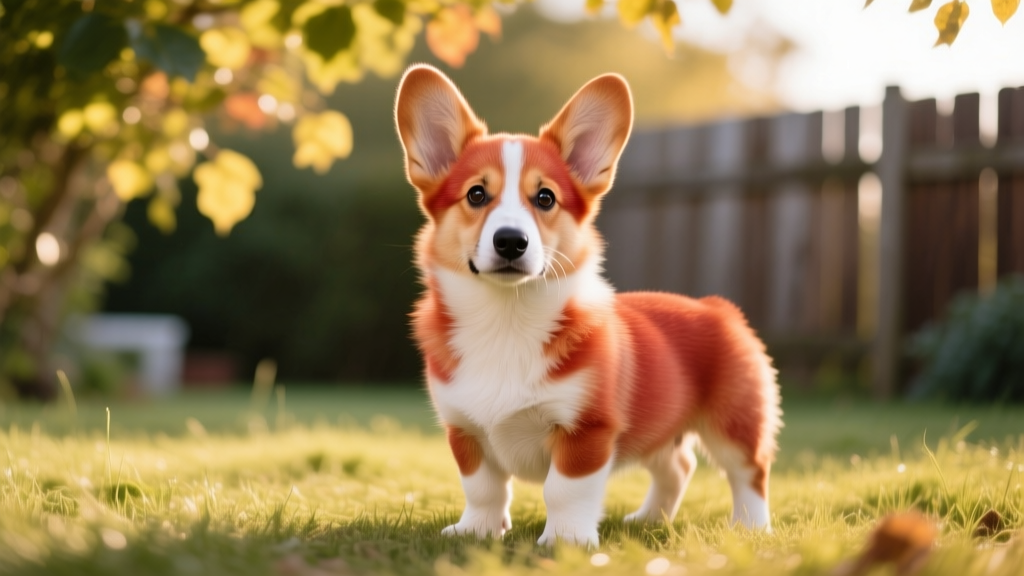
British Pointer: The Complete Breed Profile, Care & Health Guide
Everything you need to know about the British Pointer: temperament, exercise needs, health risks, grooming, training, and real ownership costs for 2026.

The British Pointer — known simply as the Pointer in most kennel registries — is one of the oldest and most recognizable sporting breeds in the world. With their distinctive "pointer stance," athletic build, and tireless energy, these dogs were engineered for one purpose: to locate game birds and freeze in place so hunters could close in. Today, the British Pointer remains a phenomenal companion for active households, though their exercise demands and strong prey drive mean they aren't a fit for every family.
This guide covers the breed's history, physical standards, temperament, health predispositions, training strategies, and the real costs of ownership — based on current breed club data, veterinary references, and hands-on experience working with pointing breed owners.
Breed Overview: Origin, Size Class & Lifespan
The Pointer's origins trace back to 17th-century England, where they were developed from Spanish pointing dogs (the Perro de Punta) crossed with Foxhounds, Bloodhounds, and Greyhounds to produce a dog with scenting ability, speed, and the instinct to freeze upon locating prey. By the early 1700s, Pointers were well-established among English sportsmen, and the breed was refined further through the 1800s with selective breeding for field performance over appearance.
The American Kennel Club (AKC) recognized the Pointer in 1879 as part of the Sporting Group. In the UK, the Kennel Club classifies them in the Gundog Group. The breed's name "British Pointer" distinguishes the English-type Pointer from other pointing breeds like the German Shorthaired Pointer or the Portuguese Pointer.
| Attribute | Details |
|---|---|
| Size Class | Large |
| Weight (Male) | 55–75 lb / 25–34 kg |
| Weight (Female) | 45–65 lb / 20–29 kg |
| Height (Male) | 25–28 in / 63–71 cm |
| Height (Female) | 23–26 in / 58–66 cm |
| Lifespan | 12–17 years (median ~14 years) |
| Coat Type | Short, smooth, dense; low-shedding |
| Common Colors | Liver & white, black & white, orange & white, lemon & white (solid, ticked, or patched) |
| Energy Level | Very High |
| AKC Group | Sporting |
Pointers are notably long-lived for a large breed. The UK Kennel Club health surveys have recorded individual Pointers living to 18 or 19 years, though 12–15 years is the more typical range. Their longevity is partly attributed to the breed's historically function-first breeding, which avoided the extreme conformational exaggerations seen in some show breeds.
Temperament & Personality: What Living With a British Pointer Is Really Like
Pointers have a temperament that surprises many first-time owners. They're not the hyperactive, bouncing-off-walls stereotype people associate with high-energy breeds. Instead, they tend to display what experienced Pointer owners call an "off-switch" — intense focus and drive outdoors, but a surprisingly calm, couch-friendly demeanor inside the house once their exercise needs are met.
Here are the core personality traits you can expect:
- Even-tempered and congenial: Pointers are notably friendly with strangers. They rarely show aggression and are more likely to greet a burglar with a wagging tail than a growl. This makes them poor guard dogs but excellent companions for social households.
- Intensely focused on scent and movement: A Pointer on a walk will periodically freeze — one paw raised, nose locked, tail extended — when they detect birds or small animals. This is an involuntary instinct, not disobedience. You'll need a reliable recall before letting them off-leash in unfenced areas.
- Gentle and patient with family: Pointers tend to form soft, affectionate bonds with their owners. They're known for leaning against legs, sleeping under desks, and following family members room to room. They're not clingy in an anxious way — just socially engaged.
- Sensitive to tone and tension: This breed does not respond well to harsh corrections or raised voices. They can become shut-down or avoidant if trained with punitive methods. Positive reinforcement is not just recommended — it's essentially required for this breed.
- Playful but not mouthy: Unlike many retrievers, Pointers aren't typically obsessed with carrying objects. They'll chase a flirt pole or sprint alongside a bike, but they're less interested in fetch-and-return games. Think "sprinter" rather than "retriever."
Pros of the British Pointer Temperament
- Friendly with strangers and visitors
- Calm indoors when exercised adequately
- Low dog-aggression compared to many sporting breeds
- Affectionate without being needy
- Generally quiet — not prone to nuisance barking
Challenges of the British Pointer Temperament
- Strong prey drive — will chase cats, squirrels, rabbits
- Can be slow to mature mentally (puppy-like until age 2–3)
- Prone to separation distress if left alone 8+ hours daily
- Recall is difficult to proof around wildlife distractions
- Sensitive — does not tolerate harsh training methods
Exercise & Activity Requirements: Minutes, Types & Realistic Schedules
This is the single most important section for anyone considering a British Pointer. These dogs were bred to cover 20–30 miles of open field in a single day of hunting. While your Pointer won't need that level of output, they do require significantly more exercise than the average dog.
Minimum daily exercise: 90–120 minutes of structured, vigorous activity. This is non-negotiable for behavioral and physical health.
| Activity Type | Duration | Frequency | Notes |
|---|---|---|---|
| Off-leash running (fenced field or long-line) | 30–45 min | Daily | Best for satisfying breed drive; use a 30-ft long-line if recall isn't reliable |
| Bike-joring or canicross | 20–40 min | 3–5x/week | Excellent for high-drive Pointers; wait until 14+ months to protect growing joints |
| Scent work / barn hunt | 15–30 min | 2–3x/week | Mental stimulation that channels pointing instinct; low physical impact |
| Structured leash walks | 30–45 min | Daily | Supplement, not replacement, for free-running exercise |
| Fetch / flirt pole | 15–20 min | As needed | Some Pointers enjoy this; others prefer straight sprinting |
Apartment living assessment: A Pointer can live in an apartment if the owner commits to 2+ hours of outdoor exercise daily and has access to a nearby park or field. However, they thrive in homes with a securely fenced yard (minimum 6-foot fence recommended — Pointers are athletic jumpers). They are not suitable for owners whose lifestyle involves only short neighborhood walks.
Heat caution: Pointers have short coats and lean bodies with low fat reserves. They tolerate heat moderately well but can overheat during intense exercise above 85°F (29°C). Always provide water access and avoid midday exertion in summer. Conversely, their thin coat offers poor cold insulation — below 40°F (4°C), a dog jacket is recommended for extended outdoor sessions.
Health Issues: Breed-Specific Conditions & Prevalence Data
The British Pointer is generally a robust breed, benefiting from centuries of selection for working ability rather than appearance. However, like all purebreds, they carry predispositions to certain conditions. Always consult your veterinarian for diagnosis and treatment planning — the information below is for awareness and early detection.
| Condition | Description | Estimated Prevalence | Screening / Prevention |
|---|---|---|---|
| Hip Dysplasia | Malformation of the hip joint causing progressive arthritis | ~5–8% (OFA data) | OFA/PennHIP screening of parents; maintain lean body condition |
| Progressive Retinal Atrophy (PRA) | Genetic degeneration of the retina leading to blindness | ~2–4% | DNA test available (rcd1 variant); annual CERF eye exams |
| Hypothyroidism | Underactive thyroid causing weight gain, lethargy, coat thinning | ~5–10% | Annual thyroid panel; lifelong levothyroxine treatment if diagnosed |
| Aortic Stenosis | Narrowing of the aortic valve restricting blood flow from the heart | ~2–3% | Cardiac exam by veterinary cardiologist; echocardiogram if murmur detected |
| Gastric Dilatation-Volvulus (GDV / Bloat) | Life-threatening stomach torsion, most common in deep-chested breeds | Risk elevated vs. average dogs | Prophylactic gastropexy during spay/neuter; avoid exercise 1 hr before/after meals; feed 2–3 smaller meals daily |
Bloat deserves special attention. The Pointer's deep, narrow chest puts them at elevated risk for GDV. According to the Merck Veterinary Manual, deep-chested breeds are significantly overrepresented in GDV cases. If your Pointer shows a distended abdomen, unproductive retching, restlessness, or pale gums — this is a surgical emergency. Survival drops sharply after 2–3 hours without intervention.
Allergy note: Pointers can develop environmental allergies (atopic dermatitis), typically appearing between ages 1–3. Symptoms include paw licking, ear redness, and facial rubbing. While not life-threatening, chronic allergies require veterinary management — Apoquel or Cytopoint injections are common treatments your vet may discuss.
Grooming & Maintenance: Tools, Frequency & Seasonal Considerations
The Pointer's short, smooth coat is one of the breed's most practical features. Grooming is minimal compared to most sporting breeds — no professional grooming appointments are needed.
- Brushing: Once per week with a rubber curry brush (e.g., Kong ZoomGroom or Safari rubber brush, ~$8–12). This removes loose hair and distributes skin oils. During spring and fall shedding transitions, increase to 2–3x per week.
- Bathing: Every 6–8 weeks or as needed. Use a gentle oatmeal-based dog shampoo. Pointers don't have the oily coat of retrievers, so they stay relatively clean between baths.
- Nail trimming: Every 2–3 weeks. Active Pointers who run on hard surfaces may wear nails down naturally, but check weekly. Use guillotine-style clippers or a Dremel 7300-PT grinder (~$25–35).
- Ear care: Check weekly for debris or odor. Pointers have drop ears that restrict airflow. Clean with a veterinary ear wash (e.g., Epi-Otic Advanced) on a cotton pad — never insert cotton swabs into the ear canal.
- Dental care: Brush teeth 3–4x per week minimum using enzymatic dog toothpaste (e.g., C.E.T. AquaDent or Virbac toothpaste). Dental disease is common in Pointers by age 5–7 without preventive care.
Shedding level: Low to moderate. Pointers shed year-round in small amounts rather than seasonal "blowing coat" events. Their white hairs are notably visible on dark furniture and clothing. A lint roller is a Pointer owner's constant companion.
Training & Intelligence: Methods That Work for This Breed
Pointers rank in the upper-middle tier for working/obedience intelligence (Stanley Coren's classification places them around 40–50 out of 138 breeds). This doesn't mean they're slow learners — it means they were bred for independent decision-making in the field rather than close obedience to a handler. A Pointer who "ignores" your sit command while locked onto a quail scent isn't being stubborn; they're doing exactly what centuries of breeding designed them to do.
Recommended training approach:
- Positive reinforcement only. Use high-value treats (freeze-dried liver, chicken), praise, and play as rewards. Force-free methods are not optional with this breed — harsh corrections cause Pointers to shut down or become hand-shy.
- Start socialization early (8–14 weeks). Expose puppies to varied surfaces, sounds, people, and other dogs during the critical socialization window. Under-socialized Pointers can develop timidity or fear-based reactivity.
- Build recall in low-distraction environments first. Practice in a fenced yard, then a quiet park, then gradually add distractions. Use a long-line (30-foot training lead, ~$15–25) to maintain safety while building reliability. Expect 6–12 months of consistent practice before trusting off-leash recall around wildlife.
- Channel the pointing instinct. Enroll in AKC Hunting Instinct Tests, scent work classes, or field training clubs. These activities satisfy the breed's drive far better than basic obedience drills and strengthen your bond.
- Keep sessions short (5–10 minutes). Pointers, especially under age 2, have limited attention spans for repetitive drills. Multiple short sessions outperform one long session.
Trainability rating: 7/10. They learn quickly but require motivation and variety. They excel at field trials, agility, rally obedience, and scent work. They are less suited to precision obedience or protection sports.
Family Suitability: Kids, Other Pets & Household Fit
With children: Pointers are generally excellent with children, particularly in active families. They're sturdy enough to handle clumsy toddler interactions and playful enough to keep up with older kids. However, a young Pointer (under 2 years) can accidentally knock over small children during exuberant play. Supervision is recommended until both the dog and child learn appropriate boundaries.
With other dogs: Most Pointers are sociable with other dogs, having been bred to work alongside hunting partners without territorial aggression. They typically do well in multi-dog households. Same-sex aggression is uncommon in this breed but not unheard of — introduce carefully and monitor initial interactions.
With cats and small animals: This is where the Pointer's prey drive becomes a real concern. Many Pointers can learn to coexist with household cats if raised together from puppyhood, but the instinct to chase squirrels, rabbits, and neighborhood cats is deeply ingrained. Never trust a Pointer unsupervised with small pets (hamsters, birds, reptiles) — their hunting drive makes these animals targets regardless of training.
First-time owner assessment: The British Pointer can work for a first-time owner who is physically active, committed to 90+ minutes of daily exercise, and willing to invest in structured training. They are not recommended for first-time owners with sedentary lifestyles or those who work 10+ hour days without dog-walking support. A Pointer who doesn't get enough exercise will develop destructive behaviors — chewing, digging, escape attempts — that overwhelm many novice owners.
Cost of Ownership: Purchase Price & Annual Expenses
Owning a British Pointer is a significant financial commitment. Here's a realistic breakdown based on 2026 market data:
| Expense Category | Cost Range (USD) | Frequency |
|---|---|---|
| Puppy from AKC-registered responsible breeder | $1,200–$2,500 | One-time |
| Rescue/adoption fee | $200–$600 | One-time |
| Initial supplies (crate, leash, collar, bowls, bed, long-line) | $250–$450 | One-time |
| Puppy vaccination series (DHPP + rabies) | $200–$400 | First year |
| Spay/neuter | $300–$700 | One-time |
| High-quality kibble (e.g., Purina Pro Plan Sport 26/16) | $60–$90/month | Ongoing |
| Heartworm + flea/tick prevention (e.g., Simparica Trio) | $180–$280/year | Annual |
| Annual vet exam + bloodwork | $200–$400 | Annual |
| Pet insurance (accident + illness, e.g., Trupanion or Healthy Paws) | $45–$85/month | Ongoing |
| Training classes (puppy + intermediate) | $300–$600 | First 1–2 years |
Estimated first-year total: $3,500–$6,000+ (including puppy purchase). Ongoing annual cost: $2,000–$3,500 after the first year, assuming no major health events.
Breeder selection note: Reputable Pointer breeders health-test parents for hip dysplasia (OFA), eye conditions (CERF), and PRA (DNA test). They provide a written contract with a take-back clause and typically price puppies between $1,500–$2,500. Be wary of breeders selling "hunting line" Pointer puppies below $1,000 with no health testing documentation — these are often backyard breeders or puppy mills. Adoption through Pointer rescue organizations is an excellent alternative, with many adult Pointers available from owners who underestimated the breed's exercise needs.
Frequently Asked Questions
Is the British Pointer a good choice for first-time dog owners?
It depends entirely on lifestyle. An active first-time owner who runs, hikes, or bikes daily and commits to structured training can succeed with a Pointer. A sedentary or time-constrained first-time owner will likely struggle with the breed's exercise demands and potential for destructive boredom behaviors. Consider starting with a lower-energy breed if your daily routine doesn't allow 90+ minutes of vigorous dog exercise.
How much exercise does a British Pointer need every day?
A minimum of 90–120 minutes of vigorous activity daily. This should include off-leash running in a secure area, not just leash walking. Activities like canicross, bike-joring, field training, and scent work are ideal. Without this outlet, Pointers develop behavioral problems including excessive chewing, digging, and escape attempts.
What health problems are British Pointers most prone to?
The most significant breed-specific risks are hip dysplasia (5–8%), hypothyroidism (5–10%), progressive retinal atrophy (2–4%), aortic stenosis (2–3%), and elevated GDV/bloat risk due to their deep chest conformation. Responsible breeders screen parents for hip and eye conditions. Discuss prophylactic gastropexy with your veterinarian at the time of spay or neuter surgery to reduce bloat risk.
How big does a full-grown British Pointer get?
Adult males typically weigh 55–75 lb (25–34 kg) and stand 25–28 inches (63–71 cm) at the shoulder. Females are slightly smaller at 45–65 lb (20–29 kg) and 23–26 inches (58–66 cm). They are lean, athletic dogs — if you can't easily feel your Pointer's ribs, they are overweight, which significantly increases joint and bloat risk.
Are British Pointers good with children and other household pets?
Pointers are typically excellent with children and other dogs. They are gentle, patient, and playful. However, their prey drive means they may chase cats and should never be trusted with small animals like rabbits, hamsters, or birds. Early socialization with cats during puppyhood improves cohabitation success, but supervision is always recommended.
How much does it cost to buy and maintain a British Pointer?
Expect to pay $1,200–$2,500 for a puppy from a health-tested, AKC-registered breeder. First-year expenses including supplies, veterinary care, and training typically total $3,500–$6,000. Ongoing annual costs for food, preventive medications, veterinary exams, and insurance run approximately $2,000–$3,500 per year. Adoption through Pointer rescue organizations costs $200–$600 and is an excellent option for those open to an adult dog.
Do British Pointers shed a lot?
No — Pointers are low-to-moderate shedders. Their short, smooth coat sheds small amounts year-round rather than in heavy seasonal bursts. Weekly brushing with a rubber curry brush keeps shedding manageable. However, their white hairs are highly visible on dark fabrics, so lint rollers are a household staple.
Tom Renshaw
All our authors care for dogs every day — read more of their work on the authors page.