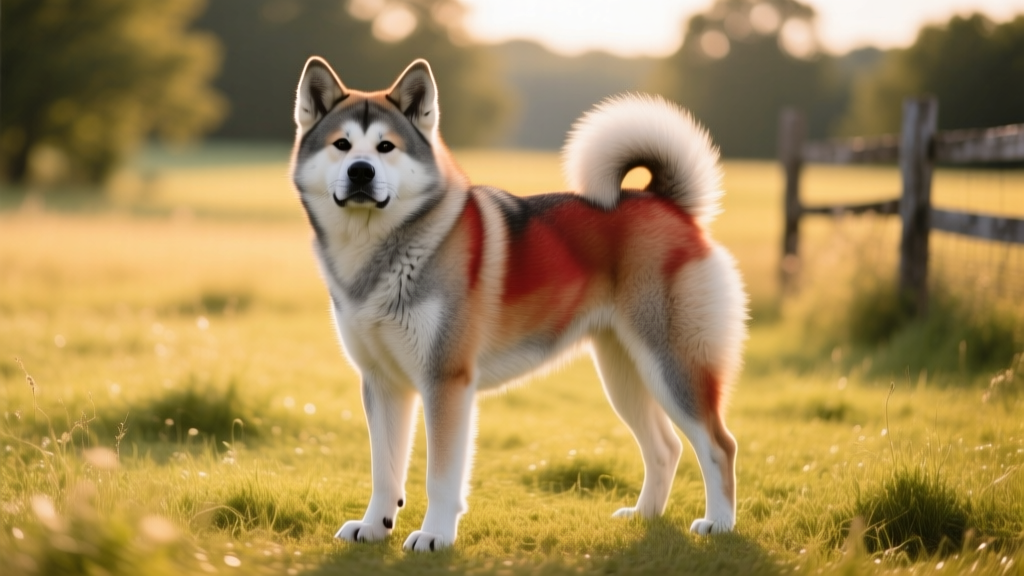
Boxer Mixed Pitbull: Complete Guide to the Bullboxer Pit Mix
Everything about the boxer mixed pitbull (Bullboxer Pit): size, temperament, health risks, coat care, cost.

If you've ever watched a muscular, short-coated dog barrel across a dog park with equal parts goofiness and determination, you may have been looking at a boxer mixed pitbull. Often called the Bullboxer Pit, Pitoxer, or Boxer Pit, this designer crossbreed combines two of the most recognizable working breeds in America. But unlike standardized purebreds, every boxer mixed pitbull is a genetic roll of the dice — and understanding what you might get is essential before bringing one home.
This guide breaks down what prospective owners actually need to know: realistic size ranges, the temperament spectrum you might encounter, inherited health conditions from both parent lines, and whether this mix fits your household. We'll also address the hybrid vigor myth head-on, because responsible ownership starts with honest expectations.
What Two Breeds Make Up the Boxer Mixed Pitbull?
The boxer mixed pitbull is a first-generation or multigenerational cross between two distinct breeds:
| Trait | Boxer (AKC-Recognized) | American Pit Bull Terrier (UKC-Recognized) |
|---|---|---|
| Origin | Germany, 19th century — descended from Bullenbeisser hunting dogs | United Kingdom / United States — bulldog and terrier crosses |
| AKC Weight Range | 50–80 lb (23–36 kg) | Not AKC-recognized; UKC standard: 30–60 lb (14–27 kg) |
| Height | 21.5–25 in (55–64 cm) | 17–21 in (43–53 cm) |
| Original Purpose | Bull-baiting, then military/police work and family companion | Bull-baiting, farm work, family companion |
| Temperament Hallmarks | Playful, alert, loyal, clownish, high energy | Confident, people-oriented, tenacious, eager to please |
| Coat | Short, smooth, single coat | Short, smooth, single coat |
| Lifespan | 10–12 years | 12–14 years |
Both breeds share athletic builds, short coats, and strong human attachment. However, the Boxer is a brachycephalic breed (shortened skull), while the American Pit Bull Terrier has a more moderate mesocephalic head shape. This distinction matters significantly for health outcomes in the mix, as we'll cover below.
Understanding Generations: F1, F1B, F2, and Multigen
Unlike popular doodle crosses where generation labels are widely marketed, boxer mixed pitbull generation tracking is less formalized. Still, the genetics work the same way:
- F1 (First Generation): Direct cross of a purebred Boxer and a purebred APBT. Each puppy receives roughly 50% genetics from each parent. Trait expression is the most variable at this generation — one littermate may look nearly like a Boxer, while another strongly favors the Pitbull parent.
- F1B (Backcross): An F1 Bullboxer Pit bred back to one of the parent breeds (usually the Boxer for size predictability or the APBT for temperament consistency). Result is approximately 75% one breed, 25% the other.
- F2 (Second Generation): Two F1 Bullboxer Pits bred together. This generation shows the widest trait variation due to genetic recombination — expect significant differences even within a single litter.
- Multigen (F3+): Multiple generations of Bullboxer Pit to Bullboxer Pit breeding. Rare in this particular cross, as most breeders don't maintain established Bullboxer Pit lines the way they do with Labradoodles or Goldendoodles.
In practice, the vast majority of boxer mixed pitbulls available through rescue organizations and casual breeders are F1 or unknown-generation crosses. This means you should always evaluate the individual dog rather than relying on generation labels for trait prediction.
How Big Will a Boxer Mixed Pitbull Get?
Size is one of the more predictable traits in this cross, since both parents fall within a similar athletic-medium-to-large range. However, the Boxer's upper weight ceiling is considerably higher than the APBT's, creating a wide potential spectrum.
| Category | Weight (lb / kg) | Height at Shoulder (in / cm) |
|---|---|---|
| Small end (favors APBT parent) | 35–50 lb / 16–23 kg | 17–20 in / 43–51 cm |
| Average | 50–70 lb / 23–32 kg | 20–23 in / 51–58 cm |
| Large end (favors Boxer parent) | 70–85 lb / 32–39 kg | 23–25 in / 58–64 cm |
Males typically land on the higher end of these ranges. If you're adopting a puppy rather than an adult, ask for the parents' weights — the puppy will almost certainly fall somewhere between the two. A Boxer dam and APBT sire tends to produce slightly larger offspring than the reverse pairing, due to maternal size influence on fetal growth.
Body condition score (BCS) matters enormously for this mix. Both parent breeds are prone to joint issues, and carrying excess weight accelerates hip and elbow degeneration. Aim for a BCS of 4–5 out of 9, where ribs are easily felt but not prominently visible.
What Will the Temperament Be Like?
Here's where individual variation becomes most pronounced. Both parent breeds are known for loyalty and high energy, but their behavioral styles differ enough that any given boxer mixed pitbull could lean heavily in either direction.
Best-Case Temperament Scenario
A well-socialized Bullboxer Pit inherits the Boxer's playful clownishness and the APBT's people-oriented confidence. The result is an exuberant, trainable dog that thrives on interaction, excels at dog sports like agility and weight pull, and bonds deeply with every family member. These dogs tend to be excellent with children when raised with positive exposure, and they greet visitors with enthusiasm rather than suspicion.
Challenging Temperament Scenarios
Some individuals inherit the Boxer's wariness of strangers combined with the APBT's dog-selectiveness, producing a dog that is intensely loyal to family but reactive toward unfamiliar dogs or people. This isn't aggression — it's a combination of protective instinct and insufficient socialization during the critical 3–14 week developmental window.
Both parent breeds can exhibit same-sex dog aggression, and this tendency may express in the cross. The ASPCA recommends careful, gradual introductions for any new dog entering a household with an existing same-sex dog, regardless of breed mix.
Energy and Exercise Requirements
Plan for a minimum of 60–90 minutes of structured exercise daily. This includes:
- Two brisk walks of 20–30 minutes each
- At least one session of vigorous activity (fetch, flirt pole, agility, swimming)
- Daily mental stimulation (food puzzles, scent work, short training sessions)
An under-exercised boxer mixed pitbull will find its own entertainment — typically involving chewing, digging, or excessive barking. These are working-line dogs that need a job, even if that job is learning tricks for five minutes before dinner.
Coat, Shedding, and Grooming Reality
Is this mix hypoallergenic or low-shedding? No. Both parent breeds have short, smooth single coats that shed moderately year-round with seasonal increases. There are no hypoallergenic genes in either breed's lineage.
Coat color possibilities are extensive due to both breeds' diverse color genetics:
- From the Boxer side: Fawn (light tan to deep mahogany), brindle, with or without white markings
- From the APBT side: Blue (dilute black), red, fawn, brindle, black, white, or any combination
- Common mix outcomes: Brindle with white chest, fawn with dark muzzle, blue/fawn, or seal (appears black with reddish cast in sunlight)
Grooming is straightforward: nail trims every 2–3 weeks, ear cleaning weekly (especially if the dog inherits the Boxer's semi-floppy ears, which trap moisture), and bathing only when visibly dirty to preserve skin oils. Both breeds can have sensitive skin, so use a gentle, oatmeal-based dog shampoo rather than human products.
Health Considerations: Hybrid Vigor Myth vs. Reality
Let's address this directly: hybrid vigor does not eliminate health issues. The concept of heterosis (hybrid vigor) refers to a statistical tendency for crossbred animals to have slightly better overall fitness than heavily inbred purebreds. It does not mean your boxer mixed pitbull will be disease-free. What it means is that recessive genetic conditions requiring two copies of a defective gene are less likely to express — but conditions that involve complex polygenic inheritance (like hip dysplasia) can absolutely pass from either parent.
Here's what you should screen for based on both parent breeds' known health risks:
| Condition | Inherited From | Prevalence | Screening Method |
|---|---|---|---|
| Hip Dysplasia | Both breeds | Boxers: ~18%; APBTs: ~15% (OFC data) | OFC/PennHIP radiographs |
| Elbow Dysplasia | Both breeds | Lower prevalence than hip, but documented | OFC elbow radiographs |
| Aortic Stenosis (heart) | Primarily Boxer | Estimated 5–10% of Boxers | Cardiac auscultation + echocardiogram |
| Boxer Cardiomyopathy (ARVC) | Boxer | Up to 6% in Boxer lines | Holter monitor, genetic test available |
| Brachycephalic Obstructive Airway Syndrome (BOAS) | Boxer | Varies — depends on muzzle length inherited | Physical exam, breathing assessment |
| Skin Allergies / Atopic Dermatitis | Both breeds | Very common — estimated 20–30% | Veterinary dermatology workup |
| Hypothyroidism | Both breeds | ~3–5% | Full thyroid panel (T4, free T4, TSH) |
| Demodectic Mange | APBT (genetic predisposition) | Higher in APBT lines than general population | Skin scrape, veterinary diagnosis |
If purchasing from a breeder, request documentation that both parent dogs have been screened by a veterinarian for hip dysplasia (OFC or PennHIP certification), cardiac conditions (board-certified veterinary cardiologist clearance), and thyroid function. Responsible breeders will provide this without being asked.
Brachycephalic concern: If your boxer mixed pitbull inherits the Boxer's shortened muzzle, they may be at risk for BOAS (brachycephalic obstructive airway syndrome). Signs include noisy breathing, exercise intolerance, heat sensitivity, and sleep disruption. Dogs with moderate-to-severe BOAS should avoid strenuous exercise in temperatures above 75°F (24°C) and should always be discussed with your veterinarian for individualized management.
Who Is the Boxer Mixed Pitbull Best Suited For?
This cross is not a first-time-owner-friendly dog in most cases. Here's a practical breakdown of fit:
| Factor | Best Fit | Poor Fit |
|---|---|---|
| Experience level | Intermediate to experienced — someone who has trained at least one strong, energetic dog before | First-time owner without professional training support |
| Living situation | House with fenced yard; some apartments work if exercise needs are met | Small apartment without nearby green space |
| Family composition | Active families with older children (8+); single active adults; couples who hike/run | Homes with very young toddlers (dog's size and exuberance pose accidental knockdown risk) |
| Other pets | Best as only dog or with opposite-sex dog; cat cohabitation possible with early socialization | Multi-dog households with same-sex dogs unless careful introductions succeed |
| Time commitment | Someone home most of the day or able to arrange midday exercise | 12+ hour days away without dog walker or daycare |
| Training approach | Positive reinforcement, force-free methods; enthusiasm for ongoing training | Anyone considering aversive tools (shock collars, prong collars) — these worsen reactivity in sensitive breeds |
One often-overlooked consideration: breed-specific legislation (BSL). The Pitbull parent breed means this mix may be restricted or banned in your municipality, housing complex, or by your homeowner's insurance provider. Laws vary significantly by jurisdiction. Before committing to a boxer mixed pitbull, check your local animal control ordinances, review your lease or HOA rules, and confirm coverage with your insurance company.
How Much Does a Boxer Mixed Pitbull Cost?
Cost varies enormously depending on your source:
| Category | Low End | Mid Range | High End |
|---|---|---|---|
| Purchase price (breeder) | $300–$500 | $500–$1,000 | $1,000–$2,000 (health-tested parents) |
| Adoption fee (rescue/shelter) | $50 | $150–$300 | $400 (specialty breed rescue) |
| Initial veterinary (vaccines, spay/neuter, microchip) | $300 | $500–$700 | $1,000+ |
| Supplies (crate, bed, leash, bowls, toys) | $150 | $300 | $500+ |
| First-year food (quality kibble, 50–70 lb dog) | $400 | $600 | $800+ (premium/raw) |
| Training classes (group obedience) | $150 | $300 | $600+ (private sessions) |
| Pet insurance (annual premium) | $400 | $600 | $900+ |
Total realistic first-year cost: $1,750–$4,800 depending on acquisition source, veterinary needs, and your choices on food and insurance.
For breeders, look for those who perform OFA health testing on parent dogs, raise puppies in-home with early neurological stimulation (ENS protocols), offer a health guarantee of at least one year, and include a take-back clause requiring the dog be returned to them if you can no longer keep it. Avoid breeders who have multiple litters available simultaneously, cannot show health clearances, or sell through third-party pet stores.
Rescue is an exceptionally viable route for this mix. Both Boxers and Pitbull-type dogs are overrepresented in shelters, and their crosses are common. Organizations like the ASPCA and local Pitbull-specific rescues frequently have Bullboxer Pits available. Adopting an adult dog (2+ years) also lets you evaluate the dog's actual temperament, energy level, and any existing health conditions — removing much of the guesswork that comes with a puppy.
Training Essentials for the Boxer Mixed Pitbull
Both parent breeds are intelligent and responsive to training, but they can also be strong-willed. The approach that works best combines consistency, high-value rewards, and short sessions.
- Start early: Begin socialization between 8–14 weeks (after appropriate vaccinations per your vet's guidance). Expose the puppy to diverse people, surfaces, sounds, and other vaccinated dogs in controlled settings.
- Use positive reinforcement exclusively: Food rewards, toy rewards, and praise. Both breeds are sensitive to handler emotion and respond poorly to harsh corrections, which can damage trust and increase fear-based reactivity.
- Teach a solid recall: A reliable "come" command is a safety essential for a dog this powerful. Practice in low-distraction environments before progressing to outdoor settings with a long line (15–30 ft training leash).
- Leash manners matter: A 60 lb dog that pulls is a genuine physical hazard. Front-clip harnesses (like the Ruffwear Front Range or 2 Hounds Design Freedom Harness) reduce pulling leverage while you train loose-leash walking.
- Impulse control exercises: "Leave it," "wait," and "settle" are foundational for a breed mix with high prey drive and excitement levels.
Consider enrolling in a group obedience class or working with a certified professional dog trainer (CPDT-KA or IAABC certified) if you encounter leash reactivity, resource guarding, or difficulty with basic commands. Early intervention prevents minor issues from becoming entrenched behavioral patterns.
Frequently Asked Questions
Are boxer mixed pitbulls aggressive?
No breed or mix is inherently aggressive. Aggression is a behavior influenced by genetics, socialization, training, environment, and individual temperament. Well-raised boxer mixed pitbulls from stable parent dogs are typically friendly and people-oriented. However, dog-selectiveness or same-sex dog aggression can occur, and any powerful dog requires responsible management and training.
Can a boxer mixed pitbull live in an apartment?
It's possible but challenging. These dogs need 60–90 minutes of daily exercise and can be vocal. Success depends on your commitment to multiple daily walks, access to nearby parks, and your building's breed restrictions. Many apartment complexes and insurance providers restrict Pitbull-type dogs regardless of mix.
How long do boxer mixed pitbulls live?
Expect a lifespan of 10–14 years, with most landing around 11–13 years. The APBT parent tends to be longer-lived than the Boxer parent, so mixes that inherit more APBT genetics may trend toward the higher end. Maintaining lean body condition and staying current on preventive veterinary care are the two most impactful things you can do to maximize longevity.
Do boxer mixed pitbulls get along with cats?
Some do, some don't. Both parent breeds have prey drive, and individual variation is high. A boxer mixed pitbull raised alongside a cat from puppyhood has a better chance of cohabitation success than one introduced to a cat as an adult. Always supervise initial interactions and never leave the dog unsupervised with a cat until you're confident in their behavior over several months.
What should I feed a boxer mixed pitbull?
Look for an AAFCO-certified complete and balanced diet formulated for large-breed adults (or large-breed puppies if under 12 months). For a 50–70 lb dog, expect to feed approximately 2.5–3.5 cups of quality kibble daily, split into two meals. Both parent breeds are prone to food allergies, so if you notice itchy skin, ear infections, or digestive upset, consult your veterinarian about a limited-ingredient or novel-protein diet trial.
This article is for informational purposes only and does not replace professional veterinary advice. Always consult your veterinarian for health decisions specific to your dog. For suspected poisonings, contact the ASPCA Animal Poison Control Center at (888) 426-4435 (24/7, consultation fee applies) or the Pet Poison Helpline at (855) 764-7661.
Priya Sutaria
All our authors care for dogs every day — read more of their work on the authors page.