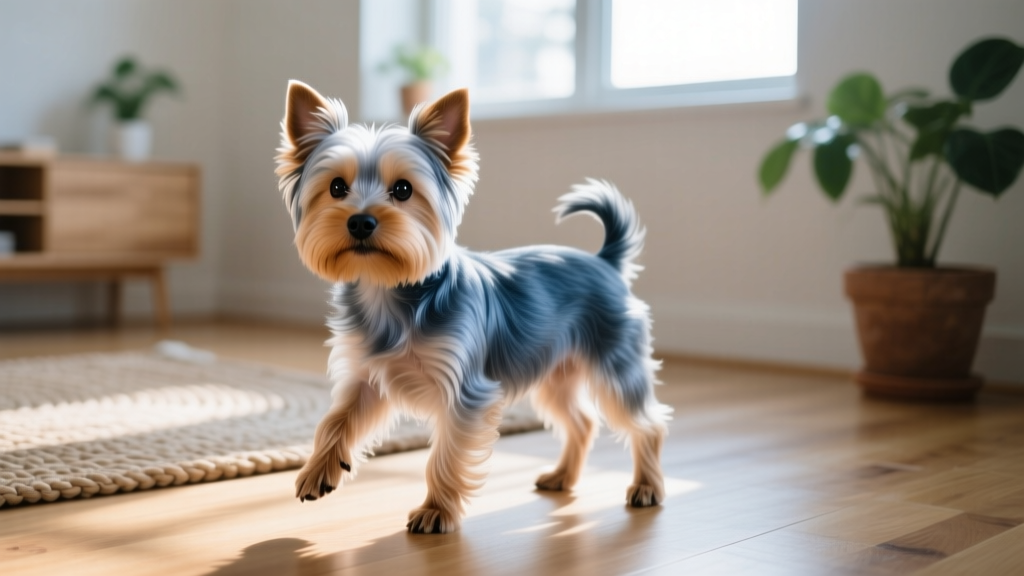
Boston Terrier Dachshund Mix: The Complete Boxdach Breed Guide
Everything about the Boston Terrier Dachshund mix (Boxdach): size, temperament, health risks, coat types, cost.

If you've spotted a compact, barrel-chested dog with the tuxedo markings of a Boston Terrier but the low-slung body of a Dachshund, you've likely encountered a Boston Terrier Dachshund mix — sometimes called a Boxdach. This designer cross combines two beloved AKC-recognized breeds into a small but personality-packed companion. But because mixed-breed dogs inherit traits unpredictably, prospective owners need a realistic picture of what life with a Boxdach actually looks like.
This guide breaks down the parent breeds, the range of physical and behavioral traits you might see, health considerations backed by veterinary data, and the real costs of bringing one home — whether from a breeder or a rescue.
Parent Breed Breakdown: Boston Terrier Meets Dachshund
Understanding any designer mix starts with its foundation breeds. Both the Boston Terrier and the Dachshund have well-documented breed standards through the AKC, giving us a reliable baseline for what each parent contributes.
| Trait | Boston Terrier | Dachshund (Standard/Miniature) |
|---|---|---|
| Origin | United States, 1870s — bred from Bulldogs and White English Terriers | Germany, 15th–17th century — bred for badger hunting |
| Weight | 12–25 lb (5.4–11.3 kg) | Standard: 16–32 lb (7.3–14.5 kg); Miniature: ≤11 lb (≤5 kg) |
| Height | 15–17 in (38–43 cm) | Standard: 8–9 in (20–23 cm); Miniature: 5–6 in (13–15 cm) |
| Coat | Short, smooth, fine | Smooth, longhaired, or wirehaired |
| Temperament | Friendly, lively, intelligent; "American Gentleman" | Bold, curious, stubborn; independent hunter |
| Energy Level | Moderate — 30–45 min daily exercise | Moderate — 30–60 min daily exercise |
| Lifespan | 11–13 years | 12–16 years |
| Shedding | Low to moderate | Low to moderate (smooth); higher (longhaired) |
The Boston Terrier brings brachycephalic (short-muzzled) facial structure, compact musculature, and a people-oriented temperament. The Dachshund contributes chondrodysplastic (short-legged) structure, a strong prey drive, and an independent streak. Which traits dominate in any given puppy is a genetic lottery.
Understanding Generations: F1, F1B, and Beyond
F1 (First Generation): A direct cross between a purebred Boston Terrier and a purebred Dachshund. Puppies inherit 50% of genes from each parent, producing the widest trait variation.
F1B (First Generation Backcross): An F1 Boxdach bred back to one of the parent breeds (usually the Boston Terrier for temperament or the Dachshund for body type). Results in roughly 75/25 genetic split, leaning toward the backcrossed breed.
F2 (Second Generation): Two F1 Boxdachs bred together. This is where trait unpredictability peaks — puppies in the same litter can look dramatically different as recessive genes recombine.
Multigen (F3+): Boxdachs bred to Boxdachs across multiple generations. Still uncommon for this particular mix; most breeders produce F1 or F1B litters.
Most Boston Terrier Dachshund mixes on the market are F1 crosses. Always ask a breeder which generation they're selling.
Unlike Poodle-based designer breeds (Goldendoodles, Labradoodles) where multigen breeding is well-established, the Boxdach remains primarily an F1 cross. This means fewer breeders are working toward a standardized "type," and individual puppies within the same litter can vary significantly in appearance and temperament.
Size, Build, and Appearance: What to Expect
One of the most common questions from prospective Boxdach owners is: how big will this mixed breed get? The honest answer spans a wide range, especially if the Dachshund parent is a miniature versus a standard.
| Measurement | Low End (Mini Dachshund Parent) | High End (Standard Dachshund Parent) |
|---|---|---|
| Adult Weight | 10–15 lb (4.5–6.8 kg) | 18–28 lb (8.2–12.7 kg) |
| Adult Height (at shoulder) | 8–11 in (20–28 cm) | 12–16 in (30–41 cm) |
| Body Length (chest to tail base) | 14–18 in (36–46 cm) | 18–24 in (46–61 cm) |
| Time to Full Size | 10–12 months | 12–14 months |
Body structure is where unpredictability shows most. Some Boxdachs inherit the Dachshund's dramatically short legs and elongated spine, while others get the Boston Terrier's proportionally longer legs and squarer build. Many land somewhere in between — a moderately low-slung dog with a barrel chest and a slightly elongated body.
Coat and color possibilities: Most Boxdachs inherit the short, smooth coat from both parents, though if the Dachshund parent carries longhaired or wirehaired genes, puppies may show slightly longer fur around the ears, chest, or legs. Common color patterns include:
- Boston tuxedo (black and white) — inherited from the Boston Terrier side
- Red, black and tan, or chocolate — from the Dachshund side
- Brindle or seal — possible from either parent
- Piebald or dapple markings — if the Dachshund parent carries these patterns
Temperament Range: From Best-Case to Challenging Scenarios
Temperament in a Boston Terrier Dachshund mix can range from easygoing to strong-willed. Both parent breeds are intelligent, but they express that intelligence differently — and your puppy could land anywhere on the spectrum.
- Friendly and outgoing with strangers (Boston Terrier trait)
- Playful but not hyperactive
- Eager to please and responsive to positive reinforcement training
- Good with children and other dogs when properly socialized
- Alert barker but not excessively vocal
- Adapts well to apartment living
- Stubborn and resistant to training (Dachshund independence)
- High prey drive — chases cats, squirrels, small animals
- Resource guarding tendencies
- Excessive barking at doorbells, passersby, other dogs
- Separation anxiety if left alone for long periods
- Digging behaviors (Dachshund burrowing instinct)
The Dachshund's hunting heritage means many Boxdachs will show prey drive — chasing anything small and fast. Early socialization (ideally starting before 16 weeks of age) and consistent positive reinforcement training are non-negotiable. Force-free methods like clicker training and reward-based shaping work best; aversive tools like shock collars or prong collars will damage trust and can worsen behavioral problems in sensitive, small breeds.
With children: Boxdachs can do well with respectful, dog-savvy kids ages 8+. Their long backs (if they inherit Dachshund structure) make them fragile — young children who pick up, drop, or roughhouse with the dog can cause serious spinal injury. Always supervise interactions and teach children to let the dog approach them.
Health Considerations: Hybrid Vigor Myth vs. Reality
A common claim in the designer dog world is that mixed breeds automatically benefit from "hybrid vigor" — the idea that genetic diversity eliminates inherited diseases. The reality is more nuanced. While outcrossing can reduce the risk of recessive conditions that require two copies of a faulty gene, it does not protect against dominant or polygenic conditions, and it does not erase structural health risks shared by both parent breeds.
According to the Merck Veterinary Manual, both Boston Terriers and Dachshunds carry breed-specific health risks that a Boxdach may inherit:
| Condition | Inherited From | Prevalence / Risk Level | Screening Method |
|---|---|---|---|
| Intervertebral Disc Disease (IVDD) | Dachshund (primary) | ~25% of Dachshunds affected; risk increases if Boxdach inherits long spine | Veterinary orthopedic exam; no genetic test yet |
| Brachycephalic Obstructive Airway Syndrome (BOAS) | Boston Terrier (primary) | Moderate risk if puppy inherits shortened muzzle | Respiratory assessment by vet |
| Patellar Luxation | Both breeds | Common in small breeds — estimated 5–8% prevalence | OFA patella evaluation |
| Eye Conditions (cataracts, corneal ulcers, cherry eye) | Boston Terrier (primary) | Boston Terriers rank high for hereditary cataracts | CERF/OFA ophthalmologist exam |
| Obesity | Both breeds (predisposition) | High risk — both breeds love food and gain weight easily | Body Condition Score (BCS) monitoring |
| Allergies (atopic dermatitis) | Boston Terrier (primary) | Boston Terriers are among the top breeds for skin allergies | Veterinary dermatology workup |
IVDD deserves special attention. If your Boxdach inherits the Dachshund's elongated spine and chondrodysplastic leg structure, the intervertebral discs are under increased mechanical stress. Signs include reluctance to jump, yelping when picked up, hind leg weakness, or a hunched back. Any of these symptoms require immediate veterinary evaluation — IVDD can progress to paralysis within hours.
BOAS is the other structural concern. If your Boxdach has a noticeably short muzzle, watch for noisy breathing, exercise intolerance in warm weather, and sleep apnea-like symptoms. Keep walks short during hot days (above 80°F / 27°C), and never leave a brachycephalic dog in a car.
When to Call Your Vet Immediately:
- Sudden hind leg weakness, dragging, or inability to stand
- Labored breathing, blue-tinged gums, or collapse after exercise
- Repeated vomiting or dry heaving (possible bloat — rare but documented in deep-chested small dogs)
- Eye redness, squinting, or visible third eyelid protrusion
Responsible breeders should provide health clearances for both parent dogs: OFA patella and hip evaluations, CERF eye exams, and (for the Dachshund parent) documentation of no IVDD history in their breeding lines. Always consult your veterinarian to establish a preventive care plan tailored to your individual dog.
Grooming, Coat Care, and Shedding Reality
Is the Boston Terrier Dachshund mix hypoallergenic? No. Neither parent breed is hypoallergenic, and no dog truly is — allergens come from dander and saliva, not just fur. However, the Boxdach is generally a low-to-moderate shedder, making cleanup manageable.
Most Boxdachs inherit a short, smooth, single-layer coat that requires minimal grooming:
- Brushing: 1–2 times per week with a rubber grooming mitt or soft-bristle brush (like the Kong Zoom Groom or a Hertzko soft bristle brush, both under $12)
- Bathing: Every 4–6 weeks, or as needed. Use a gentle, dog-specific shampoo — human shampoo disrupts canine skin pH
- Nail trimming: Every 2–3 weeks. Overgrown nails alter gait and worsen spinal stress in long-backed dogs
- Ear cleaning: Weekly checks; clean with a vet-recommended ear solution if waxy buildup appears. Floppy-eared Boxdachs (inheriting Dachshund ears) are more prone to ear infections
- Dental care: Daily brushing with enzymatic dog toothpaste, or at minimum 3–4 times weekly. Both parent breeds are prone to dental disease
- Facial wrinkle care: If your Boxdach inherits a slightly wrinkled face from the Boston Terrier side, wipe folds daily with a damp cloth to prevent yeast infections
If the Dachshund parent was longhaired or wirehaired, some puppies may have longer fur around the ears, tail, and belly. These dogs need brushing 3–4 times per week and occasional professional grooming every 8–10 weeks ($40–$65 per session depending on your area).
Cost Breakdown: Breeder, Rescue, and Annual Care
How much does a Boston Terrier Dachshund mix cost? Pricing varies based on source, generation, and breeder reputation.
| Source | Price Range | What's Typically Included |
|---|---|---|
| Reputable small-breed breeder (F1) | $800–$1,800 | First vaccinations, deworming, health guarantee, parent health clearances |
| Backyard breeder / online listing | $300–$700 | Variable — often no health testing, no guarantee |
| Breed-specific rescue or shelter | $150–$400 | Spay/neuter, vaccinations, microchip, basic vet exam |
First-year total cost estimate: $2,200–$4,500 including acquisition, initial veterinary visits (vaccination series, spay/neuter if not included, heartworm and flea prevention), quality small-breed kibble (approximately $35–$55/month for brands like Purina Pro Plan Small Breed or Orijen Small Breed), gear (crate, harness, leash — budget $150–$250), and pet insurance ($25–$55/month through providers like Trupanion, Healthy Paws, or Lemonade).
Ongoing annual cost: $1,400–$2,800 after the first year, covering food, routine veterinary care, preventives, grooming supplies, and insurance premiums.
Finding a Boxdach through rescue is less common than finding one through a breeder, but not impossible. Check Petfinder and set alerts for "Boston Terrier mix" or "Dachshund mix" in your area. Breed-specific rescues for both parent breeds occasionally take in mixed-breed dogs as well.
Exercise, Training, and Daily Life
A Boxdach typically needs 30–45 minutes of structured exercise daily, split into two or three sessions. This might include:
- Morning walk: 15–20 minutes at a comfortable pace
- Afternoon play: 10–15 minutes of indoor fetch, tug, or puzzle toys
- Evening walk: 10–15 minutes, plus training practice
Spinal protection is critical. If your Boxdach has a long-backed build, invest in a ramp or pet stairs (the PetSafe CozyUp Folding Pet Steps, around $35–$45, work well for couches and beds). Discourage jumping on and off furniture, which puts compressive force on intervertebral discs. A front-clip harness (like the Ruffwear Front Range, ~$40) is preferable to a collar for walks — collars put pressure on the trachea, which is especially risky if your dog inherits brachycephalic airway structure.
Training approach: Use high-value treats (small pieces of freeze-dried chicken or Zuke's Mini Naturals) and keep sessions short — 5 to 10 minutes, two to three times daily. Dachshund-influenced dogs tend to have shorter attention spans for repetitive drills but excel at scent-based games and nosework. Consider enrolling in a positive reinforcement puppy class (typically $120–$200 for a 6-week session) to build foundational skills and socialization.
Who Is the Boxdach Best Suited For?
The Boston Terrier Dachshund mix fits a specific type of household. Based on the trait range from both parent breeds, here's a practical suitability framework:
| Factor | Good Fit | Poor Fit |
|---|---|---|
| Living space | Apartments, condos, homes with small fenced yards | Large properties with unfenced acreage (prey drive + escape risk) |
| Owner experience | First-time owners willing to commit to training classes | Owners who want a "self-training" dog |
| Children | Families with calm, dog-respectful kids ages 8+ | Homes with toddlers or very young children |
| Other pets | Other dogs of similar or larger size | Households with pet rabbits, hamsters, birds (prey drive risk) |
| Time commitment | Owners home most of the day or with midday breaks | Owners away 10+ hours daily (separation anxiety risk) |
| Activity level | Moderate — enjoys walks but also couch time | High-intensity athletes wanting a running/hiking partner |
| Climate | Temperate climates with mild summers | Extremely hot/humid areas (BOAS risk) or very cold regions (thin coat) |
Bottom line: The Boxdach is best suited for a moderately active individual or couple, a retiree, or a family with older children who want an affectionate, compact companion. They thrive with structure, consistent training, and an owner who understands that this mix's charm comes with real management needs — spinal care, weight control, and patience during training.
Frequently Asked Questions
What two breeds make up the Boston Terrier Dachshund mix?
A purebred Boston Terrier and a purebred Dachshund (either standard or miniature). Most Boxdachs are F1 first-generation crosses, meaning each puppy gets roughly 50% of its genetics from each parent breed.
How big will a Boston Terrier Dachshund mix get?
Adult weight typically ranges from 10–28 lb (4.5–12.7 kg) and height from 8–16 in (20–41 cm) at the shoulder, depending on whether the Dachshund parent was miniature or standard. Most fall in the 15–22 lb range.
What will the temperament be like?
Expect a blend of the Boston Terrier's friendliness and the Dachshund's boldness and independence. Most Boxdachs are alert, playful, and affectionate with their families, but can be stubborn during training and may show prey drive toward small animals. Early socialization and positive reinforcement training shape temperament significantly.
Is the Boston Terrier Dachshund mix hypoallergenic or low-shedding?
No dog is truly hypoallergenic. The Boxdach is a low-to-moderate shedder thanks to the short coats of both parent breeds, but it still produces dander and saliva allergens. People with mild dog allergies may tolerate a Boxdach better than a heavy-shedding breed, but there are no guarantees.
What health issues might this mix inherit?
The primary concerns are Intervertebral Disc Disease (IVDD) from the Dachshund side, Brachycephalic Obstructive Airway Syndrome (BOAS) from the Boston Terrier side, patellar luxation, eye conditions (cataracts, corneal ulcers), allergies, and obesity. A "hybrid vigor" advantage may reduce some recessive condition risks, but does not eliminate structural or polygenic health concerns.
How much does a Boston Terrier Dachshund mix cost?
From a reputable breeder, expect to pay $800–$1,800. Rescue adoption fees typically range from $150–$400. First-year total ownership costs (including food, vet care, supplies, and insurance) generally run $2,200–$4,500.
Can Boxdachs be left alone during the day?
Most Boxdachs tolerate being alone for 4–5 hours if properly exercised beforehand and given enrichment (food puzzles, safe chew toys). Beyond that, separation anxiety becomes a real risk, especially in dogs with stronger Boston Terrier temperament traits. A dog walker or daycare visit can help for longer absences.
Are Boxdachs good for first-time dog owners?
Yes, with caveats. They're small, manageable in size, and generally eager to bond. However, the Dachshund's stubbornness and potential prey drive mean first-time owners should commit to puppy training classes and consistent positive reinforcement methods. This is not a breed mix that trains itself.
Tom Renshaw
All our authors care for dogs every day — read more of their work on the authors page.