Yorkie Breed Guide
Complete Yorkshire Terrier breed profile covering temperament, health risks, grooming needs, costs, and how to find reputable Yorkie dog breeders.
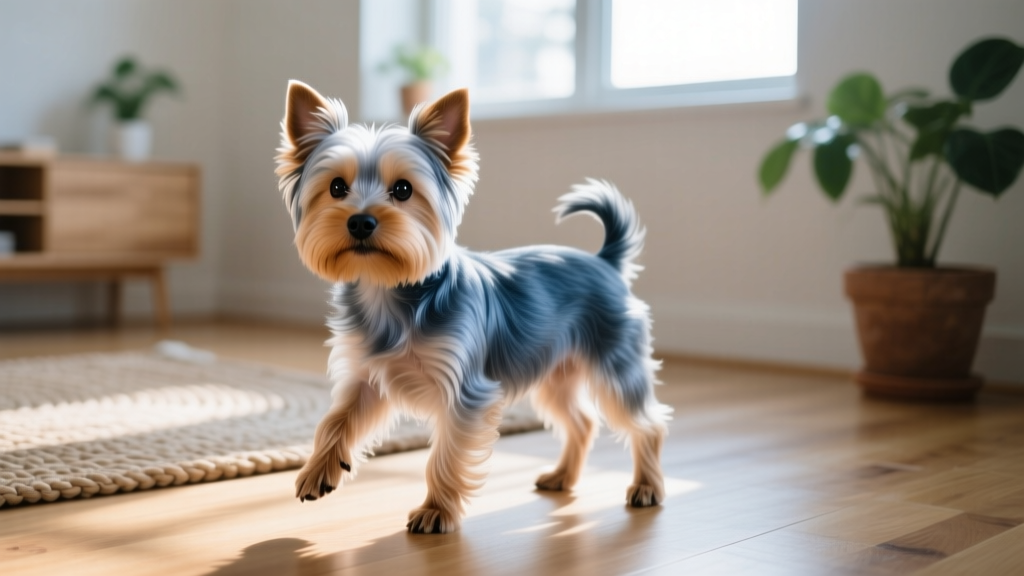
Yorkshire Terrier: The Complete Breed Profile for Prospective Owners
The Yorkshire Terrier packs a bold, confident personality into a frame that rarely exceeds seven pounds. Originally bred to hunt rats in the textile mills and coal mines of northern England, today's Yorkie is one of the most popular toy breeds in the United States — and one of the most frequently produced by both responsible and irresponsible operations alike. If you're researching dog breeders Yorkie puppies, understanding the breed inside and out is the single best way to protect yourself from backyard breeders and ensure you bring home a healthy, well-socialized companion.
This guide covers everything from the Yorkie's exact size parameters and coat genetics to the health conditions that responsible breeders screen for — plus a framework for evaluating any breeder you encounter.
Origin and Breed History
The Yorkshire Terrier emerged in the mid-1800s in the English counties of Yorkshire and Lancashire. Scottish weavers migrating to the region brought with them several small terrier types — including the now-extinct Clydesdale Terrier and the Paisley Terrier — which were crossbred with local English terriers and likely the Maltese. The result was a small, long-coated dog ideally suited to catching rats in mills and mines.
The breed was officially recognized by the English Kennel Club in 1886 and by the American Kennel Club (AKC) in 1885. One of the most famous early Yorkies, Huddersfield Ben (born 1865), is widely considered the foundation sire of the modern breed. By the 1940s, Yorkies had become firmly established as companion dogs rather than working terriers, and they've ranked consistently in the AKC's top 15 most popular breeds for decades.
Physical Characteristics and Size Standards
Yorkies are classified as a toy breed — one of the smallest recognized by major kennel clubs. The AKC breed standard does not specify a minimum weight, only that dogs should not exceed 7 lb (3.2 kg). In practice, many healthy Yorkies fall slightly outside this range.
| Attribute | Specification |
|---|---|
| Weight Range | 4–7 lb (1.8–3.2 kg); some healthy individuals reach 8–10 lb (3.6–4.5 kg) |
| Height at Withers | 7–8 inches (18–20 cm) |
| Lifespan | 11–15 years (median 13 years) |
| Coat Type | Single coat, long, straight, fine — hair-like rather than fur |
| Standard Color | Blue and tan (steel blue saddle with tan head/chest/legs) |
| Energy Level | Moderate for a toy breed |
| Grooming Frequency | Daily brushing (long coat) or every 2–3 days (puppy cut) |
| AKC Group | Toy Group |
| Family Fit | Best with older children, adaptable to apartments |
A critical note for anyone evaluating Yorkie puppies: so-called "teacup" or "mini" Yorkies weighing under 4 lb are not a recognized variety. These are typically the runts of litters, and breeding specifically for extremely small size increases the risk of hypoglycemia, fragile bones, dental overcrowding, and cardiac defects. The Merck Veterinary Manual notes that toy breeds already face elevated dental disease risk due to jaw-to-tooth ratios, and deliberately downsizing exacerbates this.
Temperament and Core Personality Traits
Yorkies are terriers first and companions second. Their personality profile is distinct and consistent:
- Bold and confident: Yorkies typically show no awareness of their small size. They'll challenge dogs ten times their weight at the dog park and investigate every new sound with genuine intensity. This trait requires active management on leash — a Yorkie who bolts toward a larger dog can be seriously injured.
- Vocally alert: Expect your Yorkie to announce deliveries, passersby, and the sound of a car door three houses down. They are not nuisance barkers by default, but without training to interrupt alert barking, the behavior escalates quickly.
- Deeply attached: Yorkies tend to bond intensely with one primary person. They follow their chosen human from room to room and often develop separation anxiety if left alone for extended periods (more than 4–5 hours regularly).
- Intelligent but independent: They learn commands quickly but may choose whether to comply. A Yorkie who sees no benefit in a recall will simply ignore it — this isn't stupidity, it's terrier calculation.
- Feisty with same-sex dogs: Many Yorkies show same-sex aggression or territorial behavior with other small dogs, particularly other toy breeds. Early socialization helps but doesn't eliminate this tendency entirely.
Exercise, Activity Needs, and Mental Stimulation
Despite their size, Yorkies are not couch ornaments. They need structured daily activity to prevent boredom-driven behaviors like excessive barking, destructive chewing, and obsessive licking.
| Activity Type | Duration | Frequency |
|---|---|---|
| Leash walks | 20–30 minutes | Twice daily (morning and evening) |
| Indoor play sessions | 10–15 minutes | 2–3 times daily |
| Sniff-and-explore time | 15–20 minutes | Daily (yard or quiet park) |
| Puzzle toys / food-dispensing toys | 15–30 minutes | Daily (rotate toys to maintain interest) |
| Training sessions | 5–10 minutes | Daily (short sessions suit their attention span) |
Total daily activity target: 45–60 minutes of combined physical and mental exercise.
A word on outdoor safety: Yorkies are vulnerable to predators in some regions — hawks, coyotes, and even large owls can target dogs under 10 lb. Never leave a Yorkie unattended in a yard, and consider a covered outdoor run if you live in an area with raptor activity. In cold weather (below 40°F / 4°C), a fitted dog coat is necessary — their single coat provides minimal insulation.
Health Issues and Screening Priorities
Responsible Yorkie breeders health-test their breeding stock for conditions known to affect the breed. When evaluating any breeder, ask for documented proof of the following screenings. Consult your veterinarian about a breed-appropriate wellness plan once you bring your puppy home.
| Condition | Prevalence / Risk | Screening Method | What to Ask the Breeder |
|---|---|---|---|
| Patellar Luxation | Affects an estimated 10–15% of Yorkies | OFA patella evaluation | Request OFA certificates for both parents showing Grade 0 or Grade 1 |
| Portosystemic Shunt (PSS / Liver Shunt) | Yorkies are among the top 5 predisposed breeds; estimated 2–5% incidence | Bile acids test, abdominal ultrasound | Ask if breeding stock has been bile-acids tested; puppies can be screened at 8+ weeks |
| Tracheal Collapse | Very common in middle-aged to senior Yorkies; estimated 20–25% develop symptoms | Clinical signs, radiographs, fluoroscopy | No genetic test exists; ask about tracheal issues in the sire/dam's lineage |
| Progressive Retinal Atrophy (PRA) | Low-moderate prevalence; autosomal recessive | OFA/CERF eye exam or DNA test | Request current CERF certificate or PRA DNA clearance for both parents |
| Dental Disease | Extremely high — most Yorkies show periodontal disease by age 3–4 | Veterinary dental exam | Ask about retained puppy teeth in prior litters (common in the breed) |
Additional concerns: Hypoglycemia is a serious risk in Yorkie puppies under 4 months, especially those under 3 lb. Symptoms include lethargy, trembling, and collapse — rubbing Karo syrup on the gums and seeking emergency veterinary care is the standard first response. Yorkies are also prone to Legg-Calvé-Perthes disease (degeneration of the femoral head), typically appearing between 5–8 months of age.
Grooming Requirements and Coat Care
The Yorkie's coat is structurally similar to human hair — it grows continuously and sheds minimally, which is why the breed is often described as "hypoallergenic" (though no dog is truly allergen-free). This coat type demands consistent maintenance.
| Task | Frequency | Tools Needed |
|---|---|---|
| Full brushing | Daily (long coat) or every 2–3 days (short/puppy cut) | Pin brush, metal greyhound comb, detangling spray |
| Bathing | Every 2–3 weeks | Dog-specific shampoo (pH 6.5–7.5), conditioner for long coats |
| Professional grooming | Every 4–6 weeks | Clippers, thinning shears (or book a groomer — expect $50–$80 per session) |
| Teeth brushing | Daily (minimum 3× per week) | Dog toothpaste (enzymatic), finger brush or small-head toothbrush |
| Nail trimming | Every 2–3 weeks | Small guillotine or scissor-style clippers; styptic powder on hand |
| Ear cleaning | Weekly | Dog ear cleaning solution, cotton rounds (never cotton swabs in the canal) |
| Eye area cleaning | Daily if tear staining present | Warm damp cloth or commercial tear stain wipes |
Most pet Yorkie owners opt for a "puppy cut" or "teddy bear cut" — keeping the coat at 1–2 inches all over — which reduces brushing time to every other day and significantly decreases matting risk. The full show coat requires daily brushing sessions of 15–20 minutes and is impractical for most households.
Training Intelligence and Recommended Methods
Yorkies rank in the upper tier of toy breeds for working intelligence. They learn new commands in 5–15 repetitions and retain them well — but their terrier independence means compliance is often a negotiation rather than a guarantee.
Trainability rating: 7/10 — High capacity, moderate willingness.
Effective training for Yorkies relies entirely on positive reinforcement and force-free methods. These dogs are physically fragile and emotionally sensitive; aversive tools like shock collars, prong collars, or alpha rolls can cause physical injury (tracheal damage) and psychological fallout (fear-based aggression, shutdown).
Key training priorities for Yorkie owners:
- Housebreaking: Yorkies are notoriously difficult to housebreak — their small bladders and reluctance to go outside in cold or wet weather are the main obstacles. Use a consistent schedule (outside every 2 hours for puppies, after every meal/nap/play session), high-value treats for outdoor elimination, and consider indoor grass-pad systems for bad weather days. Expect 4–8 months for reliable housebreaking.
- Recall training: Begin in low-distraction environments and build gradually. A Yorkie chasing a squirrel will not hear you — always use a harness and long-line for outdoor practice until recall is rock-solid.
- Handling desensitization: Gently handle paws, ears, mouth, and tail daily from puppyhood. This prevents the grooming-time battles and vet-visit panic that plague many adult Yorkies.
- Bark management: Teach a "quiet" cue using counter-conditioning — reward silence after an alert bark rather than punishing the barking itself.
Family Suitability: Kids, Pets, and Living Spaces
Yorkshire Terrier Family Fit Assessment
Apartments: Excellent fit. Yorkies adapt well to small spaces provided they receive their 45–60 minutes of daily activity. Their alertness makes them good "watchdogs" but manage barking early to avoid neighbor complaints.
Children: Yorkies are best suited to homes with children aged 8 and older. Their small size makes them extremely fragile — a toddler who picks up, drops, or squeezes a Yorkie can cause broken bones, internal injuries, or spinal damage. No toy breed is a safe match for unsupervised young children. Teach children to interact at floor level and never to carry the dog.
Other Dogs: Variable. Yorkies often do well with dogs of similar or larger, calm temperaments when properly introduced. They may bully or be bullied by other small terriers. Same-sex aggression is common. Always supervise initial interactions.
Cats: Generally good with cats if raised together. The Yorkie's prey drive is directed at smaller animals (rodents, small birds) rather than feline-sized companions.
Seniors and low-mobility owners: Excellent match. Yorkies are light enough to carry, have manageable exercise needs, and thrive on close companionship.
Cost of Ownership and Finding Reputable Dog Breeders (Yorkie-Specific Guidance)
The Yorkshire Terrier is one of the breeds most frequently produced by puppy mills and backyard breeders due to its popularity and small litter sizes (typically 2–5 puppies). Understanding costs and breeder red flags protects both your wallet and your future dog's health.
| Expense Category | Cost Range |
|---|---|
| Puppy from AKC-registered responsible breeder | $2,500–$5,000+ |
| Puppy from backyard breeder / pet store | $800–$2,000 (higher health risk) |
| Yorkie from breed-specific rescue | $300–$600 (adoption fee) |
| First-year veterinary care (vaccines, spay/neuter, wellness) | $800–$1,500 |
| Annual ongoing veterinary care | $500–$1,000 |
| Grooming (professional, every 6 weeks) | $400–$650/year |
| Food (high-quality small-breed formula) | $250–$400/year |
| Pet insurance (accident + illness) | $35–$65/month ($420–$780/year) |
| Supplies (crate, harness, toys, dental care) | $200–$400 first year |
| Estimated first-year total | $4,500–$9,500+ |
| Estimated annual cost after year one | $1,500–$3,200 |
Evaluating Dog Breeders: Yorkie-Specific Checklist
When searching for responsible dog breeders (Yorkie), use this framework to separate ethical operations from profit-driven ones:
Green flags (signs of a responsible breeder):
- Provides OFA or PennHIP health certificates for both parents — and encourages you to verify them on the OFA database yourself
- Raises puppies in their home with early neurological stimulation (ENS) and structured socialization programs like Puppy Culture or Avidog
- Limits breeding to 1–3 litters per year per dam
- Asks you detailed questions about your lifestyle, experience, and home environment
- Requires a spay/neuter contract for pet-quality puppies
- Offers a written health guarantee covering genetic conditions for at least 2 years
- Has a take-back clause requiring you to return the dog to them if you can no longer keep it — at any point in the dog's life
- Can provide references from previous puppy buyers and from their veterinarian
Red flags (walk away immediately):
- Multiple litters available simultaneously or year-round
- No health testing documentation — "my vet says they're healthy" is not equivalent to genetic screening
- Offers "teacup," "tiny," or "pocket" Yorkies as premium-priced specialties
- Willing to ship a puppy without any conversation or screening
- Only accepts payment via wire transfer, gift cards, or cryptocurrency
- Cannot provide the names and registration numbers of the sire and dam
Adoption is equally valid. The ASPCA and breed-specific rescues like Yorkshire Terrier Club of America's rescue network regularly have Yorkies and Yorkie mixes available — often already housebroken, vetted, and temperament-evaluated.
Frequently Asked Questions
Is the Yorkshire Terrier right for first-time owners?
Yes, with caveats. Yorkies are manageable in size, have moderate exercise needs, and are adaptable to most living situations — all of which suit first-time owners. However, housebreaking difficulty, grooming demands, and the need for consistent training mean first-time owners should be prepared to invest time (and possibly a trainer's fees, $80–$150 per session) in the first year.
How much exercise does a Yorkie need daily?
Aim for 45–60 minutes total per day, split between two 20–30 minute leash walks, indoor play sessions, and mental stimulation through puzzle toys or short training sessions. This is sufficient to keep most Yorkies physically fit and mentally satisfied.
What health problems is the Yorkie breed prone to?
The most significant breed-specific concerns are patellar luxation (knee dislocation), portosystemic liver shunts, tracheal collapse, progressive retinal atrophy, and severe dental disease. Puppyhood hypoglycemia is also a serious concern in dogs under 4 months. Reputable breeders screen for these conditions where testing exists.
How big does a Yorkie get as an adult?
The AKC standard caps Yorkies at 7 lb (3.2 kg), with a typical height of 7–8 inches (18–20 cm) at the shoulder. Some healthy, well-bred Yorkies reach 8–10 lb — this doesn't disqualify them as companions, but they should not be bred. Any breeder advertising Yorkies under 4 lb as a specialty is prioritizing novelty over health.
Are Yorkies good with children and other pets?
Yorkies do best with children aged 8+ who understand how to interact gently with small dogs. They are too fragile for toddlers. With other dogs, results vary — early socialization helps, but same-sex aggression and terrier boldness are common. They generally coexist well with cats when raised together.
How much does a Yorkie cost to buy and maintain?
Expect to pay $2,500–$5,000 for a well-bred puppy from a responsible breeder. First-year total costs (puppy price, vet care, grooming, supplies, food, insurance) typically range from $4,500–$9,500+. Ongoing annual costs settle to approximately $1,500–$3,200 depending on your region and the dog's health needs.
How do I avoid Yorkie puppy scams?
Never send money before meeting the breeder and seeing the puppies and dam in person. Verify AKC registration numbers independently. Be wary of breeders who only communicate via text or email, use stock photos, or pressure you to pay a "deposit" to hold a puppy. If a deal seems too good to be true — a $500 "AKC Yorkie" — it almost certainly is a scam or a puppy mill product.
Tom Renshaw
All our authors care for dogs every day — read more of their work on the authors page.


