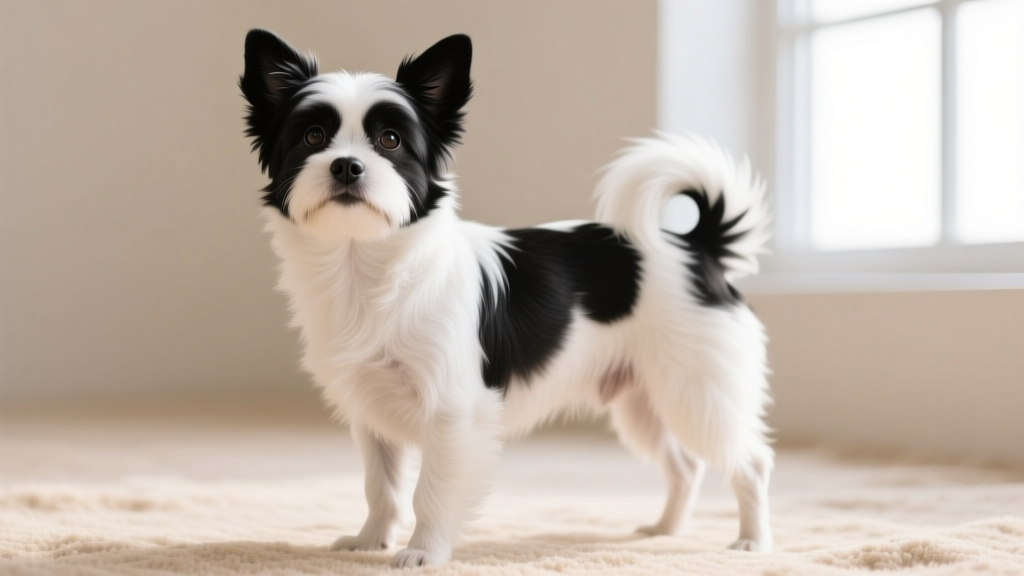
Border Collie Blue Heeler Mix: Complete Breed Guide
Everything about the Border Collie Blue Heeler mix: temperament, size, exercise needs, health risks, grooming, training, and 2026 ownership costs.

The Border Collie Blue Heeler mix — sometimes called a Border Heeler — pairs two of the most driven herding breeds on the planet. The result is a medium-sized, athletically built dog with extraordinary intelligence, relentless energy, and a work ethic that can overwhelm unprepared owners. This guide covers everything prospective and current owners need to know about living with, training, and caring for this high-octane crossbreed.
Origin and Background of the Border Collie Blue Heeler
The Border Collie Blue Heeler is a first-generation or multigen cross between two purebred herding dogs: the Border Collie, developed along the Anglo-Scottish border for sheep herding since at least the 1800s, and the Australian Cattle Dog (commonly called the Blue Heeler), bred in New South Wales and Queensland during the 1840s to drive cattle across rough Australian terrain. The Australian Cattle Dog itself descends from Smithfield herding dogs crossed with dingoes and later Dalmatians and Kelpies.
Neither the AKC nor the UKC recognizes designer crosses as standalone breeds, so the Border Collie Blue Heeler has no official breed standard. Individual dogs inherit varying proportions of each parent's traits depending on generation (F1, F1B, F2, or multigen). Most Border Heelers available through breeders or rescues are F1 (first-generation) crosses, meaning one purebred Border Collie parent and one purebred Australian Cattle Dog parent.
This mix gained traction in the United States during the early 2000s as the designer-dog trend expanded beyond companion breeds into working-dog crosses. Ranchers and sport-dog enthusiasts were among the earliest adopters, valuing the combination of the Border Collie's gathering instinct and the Blue Heeler's heeling tenacity.
| Attribute | Details |
|---|---|
| Size Class | Medium |
| Weight Range | 30–50 lb (14–23 kg) |
| Height Range | 17–22 inches (43–56 cm) at the shoulder |
| Lifespan | 12–16 years |
| Coat Type | Short-to-medium double coat; smooth or rough |
| Common Colors | Blue merle, red merle, black & white, blue mottled, red speckled |
| Energy Level | Very high |
| Trainability | Exceptional (5/5) |
| Grooming Frequency | 2–3 times per week; daily during shedding season |
| Best Suited For | Active households, farms, dog-sport competitors |
Physical Characteristics: Size, Coat, and Build
Most Border Collie Blue Heelers fall squarely in the medium size class. Adult weight typically ranges from 30 to 50 lb (14–23 kg), with males averaging 38–50 lb and females 30–42 lb. Height at the withers runs 17 to 22 inches (43–56 cm). Dogs inheriting more Border Collie structure tend toward the taller, leaner end; those favoring the Australian Cattle Dog are stockier and more compact.
The coat is a double coat in nearly all cases — a dense, weather-resistant undercoat beneath a straight or slightly wavy outer coat. Length varies from the Blue Heeler's short, close-lying coat to the Border Collie's medium-length rough coat. Colors are highly variable and often striking: blue merle, red merle, solid black with white markings, blue-mottled (the classic "Blue Heeler" pattern), and red speckled are all common. Heterochromia (two different-colored eyes) appears occasionally, particularly in merle individuals.
The build is athletic and balanced — deep chest, strong hindquarters, and a moderately long tail carried low at rest and level or slightly elevated during activity. Ears may be fully erect, semi-erect (tipped), or occasionally folded, even within the same litter.
Temperament and Personality: Five Core Traits
Understanding the Border Collie Blue Heeler's temperament requires appreciating that both parent breeds were selected for independent decision-making under physical and mental pressure. These traits show up in daily life whether or not the dog ever sees a sheep or cow.
1. Intense focus and drive. This mix locks onto moving objects — joggers, bicycles, squirrels, children running — with single-minded concentration. You'll notice your dog "stalking" the family cat through the hallway or fixing an unblinking stare on a tennis ball before you've even thrown it. This is the Border Collie's famous "eye" combined with the Blue Heeler's relentless persistence.
2. High intelligence with independent problem-solving. These dogs learn commands in 3–5 repetitions and then start experimenting with variations. If you teach "sit" at the front door, expect your Border Heeler to offer a sit at every door in the house within a week. They also figure out latch mechanisms, gate locks, and food-storage containers faster than most breeds — a trait documented in canine cognition research on herding breeds.
3. Strong herding instinct. Nipping at heels, circling, and attempting to "gather" family members (especially small children) are default behaviors, not misbehavior. A Border Heeler may try to herd toddlers away from stairs or block doorways to keep the family "together." This instinct is hardwired and cannot be trained away entirely, only redirected.
4. Loyal but reserved with strangers. The Australian Cattle Dog parent contributes wariness of unfamiliar people. Expect polite aloofness rather than immediate friendliness at the door. Early, ongoing socialization (positive exposure to varied people, surfaces, sounds, and environments before 16 weeks and continuing through adulthood) prevents this reserve from tipping into fear-based reactivity.
5. Sensitivity to handler emotion. Both parent breeds are attuned to their handler's tone and body language. Harsh corrections shut these dogs down; they perform best with calm, consistent, positive-reinforcement training. A raised voice or frustrated body language can trigger stress behaviors like lip-licking, yawning, or avoidance.
Strengths
- Among the most trainable breeds — excels in agility, obedience, flyball, disc, and herding trials
- Extremely loyal bond with primary handler
- Athletic and durable for hiking, trail running, and outdoor work
- Generally healthy with hybrid vigor benefits when sourced from tested parents
- Alert and aware — makes an excellent watchdog (not a guard dog)
Challenges
- Destructive when under-stimulated — will chew, dig, or bark excessively
- Herding instinct creates conflict with small children and running pets
- Not a casual companion — requires daily structured activity and mental work
- Prone to leash reactivity if not socialized early and consistently
- Can develop obsessive-compulsive behaviors (shadow-chasing, light fixation) without outlet
Exercise and Activity Requirements
The Border Collie Blue Heeler needs a minimum of 90 to 120 minutes of structured physical and mental activity per day. A casual walk around the block will not meet this dog's needs — and an under-exercised Border Heeler will invent its own entertainment, usually in ways that damage your home or your relationship.
Here is a practical daily activity framework:
| Activity Type | Duration | Examples |
|---|---|---|
| Aerobic exercise | 40–60 min | Off-leash running, fetch with a Chuckit! launcher, biking with a Springer attachment, swimming |
| Mental stimulation | 20–30 min | Puzzle feeders (Outward Hound Nina Ottosson series), scent work, trick training sessions |
| Structured sport or job | 20–30 min | Agility practice, herding lessons, flyball, disc work, structured obedience |
| Decompression walk | 15–20 min | Long-line sniffari in a natural area — let the dog choose pace and direction |
Puppies under 12 months should follow the "5 minutes of structured exercise per month of age" guideline to protect developing growth plates — so a 4-month-old gets roughly 20 minutes of structured activity, supplemented by free play. High-impact activities like repetitive jumping or long-distance running should wait until skeletal maturity, typically around 14–18 months for medium breeds.
Training and Intelligence
On Stanley Coren's intelligence rankings (as referenced in AKC training resources), the Border Collie ranks #1 and the Australian Cattle Dog ranks #10 for working and obedience intelligence. The cross inherits exceptional trainability — but "trainable" does not mean "easy." These dogs learn bad habits as quickly as good ones, and they remember both indefinitely.
Recommended methods: Positive reinforcement (food rewards, toy rewards, life rewards like access to the yard) and force-free, LIMA (Least Intrusive, Minimally Aversive) protocols are the gold standard for this mix. Marker-based training (clicker or verbal marker like "yes!") capitalizes on their speed of association. Avoid shock collars, prong collars, and alpha rolls — these methods trigger shutdown or defensive aggression in sensitive herding breeds and damage the handler-dog bond.
Key training priorities for Border Heeler owners:
- Impulse control: "Leave it," "wait" at doors, and settling on a mat are non-negotiable foundation skills. Practice with increasing distraction levels weekly.
- Recall: Build a rock-solid recall before allowing off-leash access. Use a long line (15–30 ft) during proofing. These dogs have high prey drive and will chase wildlife into traffic if recall is unreliable.
- Herding redirection: Teach an incompatible behavior — like "go to your mat" or "carry a toy" — to replace heel-nipping and circling when children or guests are present.
- Alone-time training: Both parent breeds are prone to separation distress. Gradually build tolerance to solitude starting in puppyhood. A Kong Classic stuffed with frozen peanut butter or a West Paw Toppl can provide enrichment during absences.
Common Health Issues
Crossbreeding can offer hybrid vigor — the tendency for mixed-breed dogs to have lower incidence of recessive genetic conditions than purebreds — but only when both parents have been health-tested. A Border Collie Blue Heeler can inherit conditions from either parent breed. Below are the most clinically significant risks.
| Condition | Description | Estimated Prevalence | Screening / Prevention |
|---|---|---|---|
| Hip Dysplasia | Malformation of the hip joint causing progressive arthritis | ~10–15% in parent breeds (OFA data) | OFA or PennHIP screening of parents; maintain lean body condition |
| Collie Eye Anomaly (CEA) | Congenital retinal and choroidal defect; ranges from mild to blindness | ~2–5% in Border Collies | CERF/OFA ophthalmologist exam; DNA test available |
| Progressive Retinal Atrophy (PRA) | Gradual degeneration of retinal cells leading to blindness | ~3–4% in Australian Cattle Dogs | DNA test (prcd-PRA); annual CERF exam |
| Multidrug Sensitivity (MDR1) | Mutation in the MDR1 gene causing toxic reactions to ivermectin, loperamide, and other common drugs | ~1–4% in herding breeds | Washington State University Veterinary Clinical Pharmacology Lab DNA test |
| Osteochondritis Dissecans (OCD) | Cartilage defect in shoulder, elbow, or hock joints | ~3–5% in active medium breeds | Avoid repetitive high-impact exercise before skeletal maturity; OFA elbow screening |
Important: Always consult your veterinarian about breed-appropriate health screening and any medications your dog may need. If your Border Heeler carries the MDR1 mutation, common drugs like ivermectin (found in some heartworm preventives) can cause severe neurological toxicity at standard doses. A simple cheek-swab DNA test can identify this risk before it becomes an emergency.
Grooming Requirements
The double coat requires regular maintenance but is not high-maintenance compared to long-coated breeds. Plan for:
| Task | Frequency | Recommended Tools |
|---|---|---|
| Brushing | 2–3 times per week; daily during spring/fall shedding peaks | Undercoat rake (e.g., Furminator Medium Short Hair or Chris Christensen Big G slicker brush) |
| Bathing | Every 6–8 weeks or as needed | Oatmeal-based canine shampoo; avoid human products |
| Nail trimming | Every 2–3 weeks | Guillotine or scissor-style clippers; Dremel 7300-PT for grinding |
| Ear cleaning | Weekly check; clean every 2–4 weeks | Veterinary ear cleaner (e.g., Epi-Otic Advanced); cotton balls — never Q-tips |
| Dental care | Daily brushing ideal; minimum 3x per week | Enzymatic canine toothpaste (Virbac C.E.T.) and dual-head brush |
During heavy shedding seasons (typically March–May and September–November in most US climates), expect significant coat blow — clumps of undercoat releasing in tufts. A high-velocity dryer like the Metro Air Force Commander can dramatically reduce brushing time and remove loose undercoat more effectively than any hand tool.
Family Suitability and Living Arrangements
Children: The Border Collie Blue Heeler can coexist well with children aged 8 and older who understand how to interact calmly with dogs. With toddlers and younger children, the herding instinct creates genuine risk — heel-nipping can cause falls, and the dog's intensity can frighten small kids. Supervision is mandatory, and families with children under 5 should carefully consider whether this mix is appropriate for their household.
Other pets: Coexistence with other dogs is generally good when the Border Heeler is raised alongside them or introduced through structured, positive protocols. Cats can be challenging — the strong prey and herding drive means cats that run will be chased. Cats that are confident and hold their ground tend to fare better. Small pets (rabbits, guinea pigs, chickens) should never be left unsupervised with this mix.
Apartment living: This is not an apartment-friendly breed by default. The combination of high energy, vocal tendencies (both parent breeds bark at stimuli), and space needs makes apartment life stressful for dog and neighbors alike. Exceptions exist for highly committed owners who provide 2+ hours of daily off-site exercise and enrichment — but a house with a securely fenced yard (minimum 5-foot fence; these dogs are agile jumpers) is strongly preferred.
Cost of Ownership
Budgeting realistically prevents surrender — herding breeds are overrepresented in rescues when owners underestimate lifetime costs.
| Expense Category | Estimated Cost |
|---|---|
| Puppy from responsible breeder (health-tested parents) | $800–$2,000 |
| Adoption from rescue or shelter | $150–$500 |
| First-year veterinary care (vaccines, spay/neuter, microchip, baseline screening) | $800–$1,500 |
| Annual veterinary care (wellness exam, vaccines, heartworm/flea/tick prevention) | $500–$900/year |
| High-quality food (AAFCO complete & balanced, 22–30% protein) | $40–$80/month ($480–$960/year) |
| Grooming supplies and professional grooming (if used) | $150–$400/year |
| Training classes (group obedience, sport classes) | $200–$600/year |
| Pet insurance (accident + illness, medium dog) | $40–$70/month ($480–$840/year) |
| Toys, enrichment, gear replacement | $200–$400/year |
| Estimated first-year total | $3,000–$6,500 |
| Estimated annual cost after year one | $2,000–$4,100 |
These estimates reflect 2026 US averages. Costs vary significantly by region — urban veterinary care in cities like San Francisco or New York can be 40–60% higher than rural Midwest averages. Emergency veterinary care for conditions like hip dysplasia surgery ($3,000–$7,000 per hip) or emergency bloat treatment ($2,500–$6,000) are not included in routine annual estimates, which is why pet insurance or a dedicated emergency fund is strongly recommended.
Is the Border Collie Blue Heeler Right for First-Time Owners?
The honest answer: usually not. This mix demands an owner who understands herding-dog behavior, can commit to 90+ minutes of daily structured activity, and has the patience for sensitive, intelligent dogs that test boundaries constantly. First-time owners who are physically active, willing to invest in professional training classes, and prepared for a 12–16 year commitment to a high-needs dog can succeed — but the learning curve is steep. A lower-energy breed is a more forgiving choice for someone still building dog-handling experience.
If you are a first-time owner set on this mix, consider adopting an adult dog (3+ years) from a herding-breed rescue. Adult dogs have established temperaments, and rescue organizations can match you with a lower-drive individual that's more manageable than a puppy from working lines.
Frequently Asked Questions
How big does a Border Collie Blue Heeler mix get?
Adults typically weigh 30–50 lb (14–23 kg) and stand 17–22 inches (43–56 cm) at the shoulder. Males trend toward the upper end; females toward the lower. Growth is mostly complete by 12–14 months, with full muscular maturity around 18–24 months.
How much exercise does a Border Collie Blue Heeler need daily?
A minimum of 90–120 minutes per day, combining aerobic exercise (running, fetch, swimming), mental stimulation (puzzle toys, training sessions), and structured sport or job-oriented activity. Less than this consistently leads to behavioral problems including destructive chewing, excessive barking, and obsessive-compulsive patterns.
What health problems is this breed prone to?
The most significant breed-specific risks are hip dysplasia (10–15%), Collie Eye Anomaly (2–5%), Progressive Retinal Atrophy (3–4%), MDR1 multidrug sensitivity (1–4%), and Osteochondritis Dissecans (3–5%). Request OFA, CERF, and DNA test results from any breeder. Always consult your veterinarian for breed-appropriate screening schedules.
Is the Border Collie Blue Heeler good with children and other pets?
With children 8+, yes — with supervision and training for both dog and child. With toddlers, the herding instinct (heel-nipping, circling) creates safety concerns. With other dogs, generally good. With cats, variable and dependent on the individual dog's prey drive. With small animals (rabbits, poultry), not safe unsupervised.
How much does a Border Collie Blue Heeler cost?
Puppies from responsible breeders range from $800–$2,000. Rescue adoptions cost $150–$500. First-year total ownership costs run $3,000–$6,500, with ongoing annual costs of $2,000–$4,100 after the first year.
Does the Border Collie Blue Heeler shed a lot?
Yes. The double coat sheds moderately year-round and blows coat heavily twice a year (spring and fall). Daily brushing during shedding seasons and a high-velocity dryer significantly reduce the amount of loose hair in your home.
Jonas Cole
All our authors care for dogs every day — read more of their work on the authors page.