Maltese Dog Black and White: The Rare Parti-Colored Coat Explained
Everything about the black & white Maltese dog: parti-color genetics, AKC standards, temperament, health, grooming, & whether this rare coat variant is...
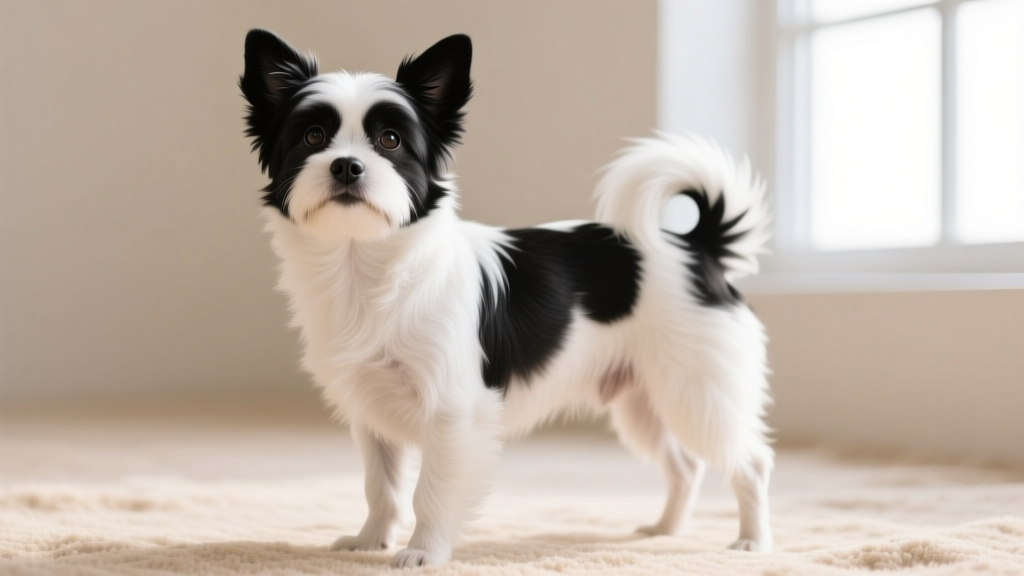
If you've ever scrolled through Maltese puppy listings and spotted a black and white Maltese dog, you probably did a double-take. The Maltese is famous for its flowing, snow-white coat — so what's the story behind the striking parti-colored version? Is it a recognized variant? A mixed breed in disguise? Or something else entirely?
As someone who has counseled dozens of prospective Maltese owners through coat-color confusion, I can tell you the black and white Maltese sits at the intersection of genetics, breed standards, and responsible breeding practices. This guide breaks down everything you need to know about the parti-colored Maltese — from the science behind the coat to the real-world costs, care, and health considerations of owning one in 2026.
What Exactly Is a Black and White Maltese Dog?
A black and white Maltese — often called a parti-colored Maltese or parti Maltese — is a purebred Maltese that carries a recessive piebald gene, resulting in patches of black (or sometimes brown) on an otherwise white coat. These dogs are not a separate breed, a designer cross, or a genetic anomaly. They are Maltese through and through, with the same temperament, size, and care needs as their solid-white counterparts.
However, there's an important distinction to make. The American Kennel Club (AKC) breed standard specifies that the Maltese coat should be pure white, with light tan or lemon shading on the ears being permissible but not desirable. Black and white markings fall outside the AKC conformation standard, meaning a parti-colored Maltese cannot compete in AKC conformation shows. They can, however, be AKC-registered (the AKC registers dogs based on parentage, not coat color) and can compete in obedience, agility, and rally events.
Breed Overview: The Maltese at a Glance
| Breed Name | Maltese (Parti-Colored / Black and White Variant) |
| Size Class | Toy |
| Adult Weight | 4–7 lb (1.8–3.2 kg) |
| Adult Height | 7–9 inches (18–23 cm) at the shoulder |
| Lifespan | 12–15 years (some reach 17+ with excellent care) |
| Coat Type | Long, straight, single-layered, silky hair (not fur); parti-color variant has black patches on white base |
| Energy Level | Moderate — playful bursts with long rest periods |
| Grooming Needs | High — daily brushing, professional grooming every 4–6 weeks |
| AKC Group | Toy Group |
| Origin | Central Mediterranean (Malta, Sicily); documented since at least 500 BCE |
Origin and History: From Ancient Lapdogs to Modern Companions
The Maltese is one of the oldest recognized dog breeds in the world. Merck Veterinary Manual traces the breed's lineage to the central Mediterranean island of Malta, where Phoenician traders likely brought small white dogs as early as 1000 BCE. Greek and Roman aristocrats prized the breed — Aristotle referred to a small dog called Canis Melitaeus around 370 BCE, and Roman women carried them in their sleeves as living accessories.
Parti-colored Maltese are not a modern invention. Historical paintings and tapestries from the Renaissance period occasionally depict Maltese-type dogs with spotted or patched coats. The piebald gene has existed in the breed's gene pool for centuries but was systematically bred against once kennel clubs formalized the all-white standard in the late 1800s. The AKC recognized the Maltese in 1888, and the white-only standard effectively pushed parti-colored puppies out of the show ring — though responsible breeders continued to place them as beloved pets.
Today, the United Kennel Club (UKC) actually allows parti-colored Maltese in its conformation ring, making it one of the few registries where a black and white Maltese can compete on appearance alone.
Temperament and Personality: What to Expect
Coat color has zero influence on temperament. A black and white Maltese dog behaves identically to a solid-white one. Here are the core personality traits you'll encounter:
1. Affectionate and Velcro-Like Attachment
Maltese dogs bond intensely with their primary person. Expect your Maltese to follow you room-to-room, curl up on your lap within seconds of sitting down, and greet you at the door with full-body wiggles. This attachment level means separation anxiety is a genuine concern — a Maltese left alone for 8+ hours daily will likely develop destructive behaviors or excessive barking.
2. Alert and Vocal
Despite their tiny size, Maltese are exceptional watchdogs. They notice every sound, every passerby, every delivery truck, and they will announce it. This isn't aggression — it's communication. However, without consistent training, alert barking can escalate into nuisance barking that frustrates neighbors, especially in apartment settings.
3. Playful but Not Hyperactive
A Maltese will happily chase a ball down the hallway, wrestle with a rope toy, and perform tricks for treats — then collapse into a nap for the next two hours. They have a playful spark without the relentless drive of a terrier. Think of them as "sprint and snooze" dogs.
4. Confident and Sometimes Bossy
Maltese routinely forget they weigh under 7 pounds. They'll square up to dogs ten times their size at the dog park and demand the best spot on the couch. This confidence is charming but requires an owner who sets boundaries early — a Maltese with no rules becomes a tiny tyrant.
5. Sensitive to Tone and Routine
Harsh corrections shut a Maltese down. They respond to praise, treats, and gentle redirection. They also thrive on predictable schedules — feeding, walks, and bedtime at consistent times reduce anxiety and problem behaviors.
Physical Characteristics and the Parti-Color Coat
Beyond the distinctive coat, a black and white Maltese shares all physical traits of the breed:
- Weight: 4–7 lb (1.8–3.2 kg). The AKC standard prefers under 7 lb, with 4–6 lb being ideal.
- Height: 7–9 inches (18–23 cm) at the withers.
- Build: Compact and slightly rectangular, with a level topline and a plumed tail carried over the back.
- Head: Slightly rounded skull, moderate stop, drop ears set close to the head, dark round eyes with black eye rims and nose (in the parti variant, nose pigment may vary).
- Coat: Single-layered, long, straight, and silky — no undercoat. The black patches in a parti Maltese can appear anywhere: over one eye (pirate patch), across the back, on the ears, or scattered asymmetrically. No two parti Maltese look alike.
Exercise and Activity Needs
The Maltese is not a couch potato, but it's not an athlete either. Here's a realistic daily exercise breakdown:
| Activity | Duration | Frequency | Notes |
|---|---|---|---|
| Leash walks | 15–20 minutes per walk | 2x daily | Use a harness (not collar) to protect the trachea |
| Indoor play (fetch, tug, puzzle toys) | 10–15 minutes | 1–2x daily | Great for rainy days and apartment living |
| Training sessions | 5–10 minutes | Daily | Mental stimulation tires them as much as physical exercise |
| Socialization outings | 20–30 minutes | 2–3x weekly | Café patios, pet-friendly stores, puppy classes |
Total daily exercise: approximately 30–45 minutes of structured activity, supplemented by free play. Avoid overexertion in hot weather — toy breeds overheat quickly, and a Maltese's long coat adds insulation. Walk during early morning or evening in summer months, and always carry water.
Common Health Issues in Maltese Dogs
A black and white Maltese faces the same health risks as any Maltese — coat color does not affect disease susceptibility. However, buying from a breeder who specifically breeds for rare colors can sometimes signal that health testing took a backseat to coat aesthetics. Always verify health clearances regardless of coat color.
| Condition | Description | Estimated Prevalence | Prevention / Management |
|---|---|---|---|
| Patellar Luxation | Kneecap slips out of position, causing intermittent limping or "skipping" gait | ~15–20% of toy breeds | OFA patella evaluation of parents; maintain healthy weight; avoid jumping from heights |
| White Shaker Syndrome (Idiopathic Cerebellitis) | Tremors and shaking, historically associated with white-coated toy breeds; cause is idiopathic (unknown) | Rare, but Maltese are overrepresented | Corticosteroid treatment usually resolves symptoms within 1–2 weeks; consult your veterinarian immediately if tremors appear |
| Dental Disease | Periodontal disease due to small jaw crowding teeth; can lead to tooth loss and systemic infection | ~80% of toy breeds by age 3 | Daily tooth brushing with enzymatic toothpaste; professional dental cleanings every 12–18 months |
| Hypoglycemia (Puppies) | Dangerously low blood sugar, especially in puppies under 4 months; can cause lethargy, seizures, or collapse | Common in toy breed puppies | Feed puppies 3–4 small meals daily; keep Nutri-Cal or honey on hand for emergencies |
| Portosystemic Shunt (Liver Shunt) | Abnormal blood vessel bypasses the liver, causing toxin buildup; symptoms include stunted growth, disorientation, seizures | ~2–5% of Maltese | Bile acid testing at 8–12 weeks; surgical correction or medical management with prescription diet and lactulose |
Grooming the Parti-Colored Maltese Coat
The Maltese has hair, not fur — meaning it grows continuously and sheds minimally, making the breed a popular choice for allergy sufferers. However, that beautiful coat demands serious maintenance.
| Task | Frequency | Tools Needed |
|---|---|---|
| Full-body brushing | Daily (if kept long); every 2–3 days (if kept in puppy clip) | Pin brush (no balls on tips), metal greyhound comb, detangling spray |
| Professional grooming | Every 4–6 weeks | Professional groomer; expect $50–$90 per session depending on region |
| Bathing | Every 1–2 weeks | Whitening shampoo for white areas; gentle moisturizing shampoo for black patches to prevent drying |
| Tear stain cleaning | Daily | Pre-moistened eye wipes or warm damp cloth; particularly visible on white facial hair |
| Ear cleaning | Weekly | Veterinary ear cleaner; cotton balls (never Q-tips in the ear canal) |
| Nail trimming | Every 2–3 weeks | Guillotine or scissor-style small dog nail clippers; styptic powder on hand |
Parti-color grooming tip: The black patches on a parti Maltese can sometimes appear dull or brownish if the hair is dry or sun-bleached. Using a color-enhancing shampoo formulated for dark coats on the black patches (and a whitening shampoo on the white areas) during baths keeps the contrast sharp and the coat healthy.
Training and Intelligence
The Maltese ranks in the upper tier of toy breeds for trainability. They're quick learners who thrive on positive reinforcement — small treats (think pea-sized pieces of freeze-dried chicken), verbal praise, and clicker training all work exceptionally well.
Trainability rating: 7.5/10 — Eager to please but can be stubborn when bored. Keep sessions short (5–10 minutes) and varied.
Priority training goals for a Maltese:
- Housetraining: Notoriously challenging in toy breeds due to small bladders. Use a consistent outdoor schedule (every 1–2 hours for puppies), reward immediately after elimination, and consider bell-training for door communication. Expect 4–6 months for reliable housetraining — some Maltese take up to a year.
- Bark management: Teach a "quiet" cue early. When your Maltese alerts, acknowledge the trigger ("Yes, I see the mail carrier"), then redirect with a treat for silence. Never yell — your Maltese will think you're barking along.
- Crate training: Essential for housetraining and preventing separation-related destruction. Use a small crate (just enough room to stand, turn, and lie down), make it cozy with a soft bed, and build positive associations with meals and treats inside.
- Socialization: Expose your Maltese puppy to diverse people, dogs, surfaces, and sounds between 8–16 weeks. A well-socialized Maltese is confident and adaptable; an under-socialized one tends toward fear-based barking and nipping.
Force-free, positive reinforcement methods are the only approach I recommend. Aversive tools like shock collars, prong collars, or alpha rolls damage the trust-based bond Maltese need and can trigger fear-based aggression in a dog this small.
Family Suitability: Kids, Pets, and Apartment Living
✅ Great For
- Apartment or condo living (small size, moderate energy)
- Single adults, couples, or retirees home most of the day
- Families with older, gentle children (ages 10+)
- Multi-pet households with cats or other small, calm dogs
- Allergy-sensitive households (low-shedding coat)
- Owners who want a travel-friendly companion
⚠️ Think Twice If
- You have toddlers or very young children (a 5 lb dog can be seriously injured by a fall or rough handling)
- You work long hours away from home (separation anxiety risk)
- You want a rugged outdoor adventure dog
- You're unwilling to commit to daily grooming
- Your household has large, high-prey-drive dogs
- You prefer a low-maintenance, independent breed
With children: Maltese are best matched with children who understand how to handle a small dog gently — supporting the chest and hindquarters, no squeezing, no dropping. Supervision is non-negotiable with kids under 10. A Maltese stepped on or dropped can suffer broken bones or internal injuries.
With other pets: Maltese generally coexist peacefully with cats and other dogs, especially when raised together. Their confidence sometimes leads them to boss around much larger dogs, which is more amusing than dangerous — but always supervise interactions with breeds that have high prey drive.
Cost of Ownership: Puppy Price and Annual Expenses
Because the black and white parti-colored coat falls outside the AKC show standard, you might assume these puppies are cheaper. In practice, some breeders charge more for the "rare" coloring. Here's a realistic cost breakdown for 2026:
| Expense | Estimated Cost | Notes |
|---|---|---|
| Puppy purchase price | $1,500–$4,000 | Standard white Maltese: $1,500–$3,000; parti-color often priced at a premium by breeders marketing "rare" colors |
| First-year veterinary care | $500–$800 | Vaccination series (DHPP, rabies, bordetella), spay/neuter, microchip, fecal tests, heartworm test |
| Annual veterinary care (after year 1) | $400–$700 | Annual exam, vaccines, heartworm preventive, flea/tick preventive, dental cleaning |
| Grooming (professional) | $600–$1,100/year | Based on $50–$90 per session, every 4–6 weeks |
| Food and treats | $250–$400/year | Small breed kibble or wet food; ~½ cup/day for an adult |
| Pet insurance | $300–$600/year | Varies by plan, deductible, and coverage level; toy breeds tend to be moderately priced to insure |
| Supplies (first year) | $200–$400 | Crate, harness, leash, bed, grooming tools, toys, bowls |
| Estimated first-year total | $3,750–$8,000 | Includes puppy price; subsequent years: $1,550–$2,800/year |
Adoption alternative: Maltese rescue organizations like American Maltese Rescue occasionally have parti-colored adults available for $300–$600 adoption fees. These dogs are often surrendered due to owner lifestyle changes and come spayed/neutered, vaccinated, and temperament-evaluated.
Frequently Asked Questions
Is a black and white Maltese dog right for first-time owners?
Yes — the Maltese is one of the better toy breeds for first-time owners, regardless of coat color. They're adaptable, trainable, and don't require large living spaces. The main challenge is grooming commitment and managing separation anxiety. If you can dedicate 15 minutes daily to brushing and arrange your schedule so your Maltese isn't alone for extended stretches, you'll do well.
How much exercise does a Maltese need daily?
Approximately 30–45 minutes of structured activity, split between two short leash walks and indoor play or training sessions. They're not built for hiking or jogging — their exercise needs are easily met in apartments and small yards.
What health problems is the Maltese breed prone to?
The most common breed-specific concerns include patellar luxation (kneecap dislocation), dental disease (affecting roughly 80% of toy breeds by age 3), portosystemic liver shunts, hypoglycemia in puppies, and white shaker syndrome. Reputable breeders screen parents through OFA (Orthopedic Foundation for Animals) evaluations for patellas and cardiac health, plus bile acid tests for liver shunts.
How big does a Maltese get as an adult?
A healthy adult Maltese weighs 4–7 lb (1.8–3.2 kg) and stands 7–9 inches (18–23 cm) at the shoulder. There is no separate "teacup" or "miniature" Maltese classification — dogs marketed as such are often underweight runts with heightened health risks. The AKC standard calls for under 7 lb, with 4–6 lb preferred.
Is the Maltese good with children and other pets?
Maltese do well with gentle, older children (10+) who understand how to handle a tiny dog. They are not recommended for homes with toddlers due to injury risk. With other pets, they're generally sociable — especially with cats and similarly sized dogs — but always supervise interactions with larger or high-energy breeds.
How much does a black and white Maltese cost to buy and maintain?
Expect to pay $1,500–$4,000 for a parti-colored Maltese puppy from a breeder, with some marketing the "rare" color at a premium. Annual care costs (vet, grooming, food, insurance, supplies) range from $1,550–$2,800 per year after the first year. Adoption through a Maltese rescue is a more affordable option at $300–$600.
Can I show a black and white Maltese in AKC events?
Not in conformation (appearance-based) shows, because the parti-color coat falls outside the AKC breed standard. However, your parti Maltese can be AKC-registered and compete in obedience, agility, rally, and other performance events. The United Kennel Club (UKC) does permit parti-colored Maltese in conformation.
This article is for informational purposes and does not replace professional veterinary advice. Always consult your veterinarian for health decisions specific to your dog. For suspected poisonings, contact the ASPCA Animal Poison Control Center at (888) 426-4435 (24/7, consultation fee applies).
Anouk Beaumont
All our authors care for dogs every day — read more of their work on the authors page.


