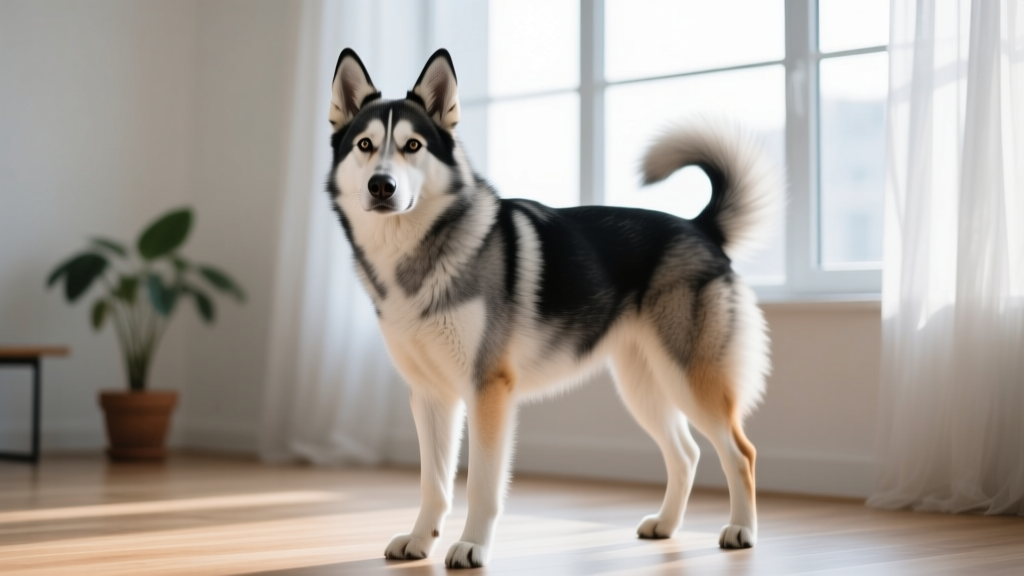
Border Collie & Australian Shepherd Mix: Border Aussie Guide
Everything you need to know about the border collie and australian shepherd mix — size, temperament, health risks, grooming, and whether this...

If you've ever watched a Border Collie weave through agility poles or an Australian Shepherd nail a frisbee catch mid-air, you've witnessed two of the most driven, intelligent herding breeds on the planet. Now imagine combining that focus, athleticism, and work ethic into a single dog. That's the promise — and the challenge — of the Border Collie and Australian Shepherd mix, sometimes called the Border Aussie or Aussie Collie.
This designer cross has gained steady popularity among active dog owners, agility competitors, and ranchers looking for a versatile working partner. But mixing two high-octane herding breeds doesn't produce a predictable, easy-going companion. In this guide, we'll break down exactly what you can expect from this mix — including where genetics get unpredictable, what health screenings matter, and whether this dog is the right fit for your household.
Parent Breed Breakdown: What Goes Into a Border Aussie
Before we talk about the mix, you need to understand the two powerhouse breeds behind it. Each parent contributes distinct traits, and knowing their baseline helps you anticipate what your puppy might inherit.
| Trait | Border Collie (AKC Standard) | Australian Shepherd (AKC Standard) |
|---|---|---|
| Origin | Anglo-Scottish border region; developed for sheep herding | Western United States (despite the name); ranch herding dog |
| Weight Range | 30–55 lb (14–25 kg) | 40–65 lb (18–29 kg) |
| Height | 18–22 in (46–56 cm) | 18–23 in (46–58 cm) |
| Coat Type | Medium-length double coat; rough or smooth variety | Medium-length double coat; straight to wavy |
| Energy Level | Extremely high — bred for all-day work | High to very high — athletic and enduring |
| Trainability | Widely considered the most trainable breed | Highly trainable; eager and responsive |
| Herding Instinct | Intense — may herd children, cars, other pets | Strong — tends to herd with nipping behavior |
| Lifespan | 12–15 years | 12–15 years |
| AKC Recognition | Herding Group (recognized 1995) | Herding Group (recognized 1991) |
Both breeds share a herding heritage, high intelligence, and a need for structured daily activity. They also share some overlapping health risks, which we'll cover later. The key takeaway: this mix will almost certainly be a dog that needs a job, whether that's agility, advanced obedience, herding trials, or structured play sessions.
Understanding Generations: F1, F1B, and Multigen Border Aussies
- F1 (First Generation): One purebred Border Collie × one purebred Australian Shepherd. Maximum genetic diversity, but traits are the least predictable. Each puppy in a litter may look and behave quite differently.
- F1B (First Generation Backcross): An F1 Border Aussie × one purebred parent (either Border Collie or Aussie). Slightly more predictable toward the backcrossed breed. Some breeders do this to "set" certain traits like coat color or size.
- F2 (Second Generation): Two F1 Border Aussies bred together. This is where genetic variability spikes again — you may get puppies that look almost purebred Border Collie alongside ones that favor the Aussie side heavily.
- Multigen (F3+): Multiple generations of Border Aussie × Border Aussie breeding. Rare for this particular mix. More trait consistency, but the gene pool narrows and responsible breeders must be diligent about health testing.
Most Border Aussies you'll find from breeders are F1 crosses. Unlike the Poodle-based designer breeds (Labradoodles, Goldendoodles) that have established multigen breeding programs, the Border Collie and Australian Shepherd mix hasn't developed into a standardized multigen line. This means you're typically getting a first-generation cross with genuine unpredictability in appearance and temperament.
If a breeder advertises "F2" or "multigen" Border Aussies, ask detailed questions about their health testing protocol across generations. Breeding two mixed-breed dogs together without OFA or PennHIP certifications is a red flag.
Size, Build, and Physical Appearance
Because both parent breeds fall into a similar size range, the Border Collie and Australian Shepherd mix tends to be a medium-sized dog — but "medium" covers a wide spread.
| Measurement | Low End | High End | Notes |
|---|---|---|---|
| Weight (Males) | 35 lb (16 kg) | 65 lb (29 kg) | Depends on which parent's frame dominates |
| Weight (Females) | 30 lb (14 kg) | 55 lb (25 kg) | Typically leaner and slightly smaller |
| Height at Shoulder | 18 in (46 cm) | 23 in (58 cm) | Leg length varies significantly between individuals |
| Adult Weight (Most Common) | 40 lb (18 kg) | 55 lb (25 kg) | Where the majority of F1 dogs land |
Build can range from the Border Collie's leaner, more angular frame to the Aussie's stockier, broader-chested build. Some Border Aussies inherit the Australian Shepherd's slightly longer body and heavier bone structure; others get the Border Collie's lighter, more aerodynamic silhouette. You often won't know which until the puppy is 4–6 months old and growth patterns become clearer.
Coat Colors and Markings
This is where the mix gets visually striking. Possible coat colors include:
- Black and white (classic Border Collie pattern)
- Red merle (Australian Shepherd signature)
- Blue merle (both breeds carry this gene)
- Black tri-color (black, white, and tan points)
- Red tri-color (liver, white, and tan)
- Sable, brindle, or solid colors (less common but possible)
Merle genetics warning: If both parents carry the merle gene, breeding them together can produce "double merle" puppies, which carry significant risks of deafness and eye abnormalities. Responsible breeders never breed merle to merle. Ask for documentation that at least one parent is a solid (non-merle) color.
Temperament: Best-Case and Challenging Scenarios
Temperament is where the Border Collie and Australian Shepherd mix shows the most individual variation — and where prospective owners often underestimate what they're signing up for.
| Trait | Leaning Border Collie | Leaning Australian Shepherd | Middle Ground (Common) |
|---|---|---|---|
| Focus/Drive | Intense, almost obsessive task focus | High drive but slightly more adaptable | Very focused; needs daily structured work |
| Social Behavior | Can be aloof with strangers; bonds tightly to one person | More outgoing; social with family and visitors | Reserved initially, warm once comfortable |
| Herding Instinct | Strong eye-stalk-chase sequence; may herd anything moving | Nipping/herding behavior; more physical with livestock | Moderate-to-strong herding; may circle children or pets |
| Energy Expression | Endless stamina; needs 90+ minutes of intense activity | High energy but can settle with 60–90 minutes of exercise | 60–120 minutes daily; mix of physical and mental work |
| Sensitivity | Extremely sensitive to tone, environment, routine changes | Sensitive but generally more resilient/confident | Responsive to handler; needs calm, consistent training |
| Off-Switch | Difficult — may pace, whine, or create own "jobs" indoors | Moderate — can relax after adequate exercise | Varies; most settle well if daily needs are met |
Best-Case Temperament Scenario
A well-bred Border Aussie from health-tested, temperament-evaluated parents, raised with early socialization (following the AKC Puppy Socialization guidelines), and placed in an active home with structured training from 8 weeks onward: this dog becomes an extraordinary companion. They excel at agility, obedience, rally, disc dog, and advanced trick training. They're responsive, bonded, athletic, and capable of settling calmly in the house after a good workout.
Challenging Temperament Scenario
A Border Aussie placed in a sedentary home without adequate mental stimulation can develop serious behavioral problems: compulsive spinning or shadow-chasing (a known Border Collie tendency), destructive chewing, excessive barking, reactivity toward other dogs, and herding behaviors directed at children that include nipping at heels and ankles. These aren't "bad dogs" — they're under-stimulated working dogs expressing frustration through problem behaviors.
If you have young children (under 8), be aware that the herding instinct can make this mix a poor fit. Nipping, circling, and body-blocking are natural herding behaviors that can knock over toddlers and frighten small children. This isn't aggression — it's genetics — but it requires management and training to redirect.
Health Considerations: Hybrid Vigor vs. Reality
Let's address a common misconception directly: the idea that mixed-breed dogs automatically have fewer health problems than purebreds (often called "hybrid vigor") is oversimplified. While outcrossing does increase genetic diversity and can reduce the risk of certain recessive disorders, both parent breeds share overlapping health risks that a Border Collie and Australian Shepherd mix can absolutely inherit.
According to the Merck Veterinary Manual, responsible screening of both parent breeds should include:
| Condition | Border Collie Prevalence | Australian Shepherd Prevalence | Screening Method |
|---|---|---|---|
| Hip Dysplasia | Moderate (estimated 10–15%) | Moderate (estimated 6–12%) | OFA or PennHIP radiographs |
| Elbow Dysplasia | Low-to-moderate | Low | OFA elbow radiographs |
| Collie Eye Anomaly (CEA) | Significant (2–5% affected; higher carrier rate) | Rare but documented | CERF/OFA ophthalmologist exam + DNA test |
| Progressive Retinal Atrophy (PRA) | Present in breed | Present in breed | DNA panel (Optigen or equivalent) |
| MDR1 Drug Sensitivity | Present (roughly 1–4% carriers) | Significant (roughly 50% of Aussies carry the mutation) | Washington State University MDR1 DNA test |
| Epilepsy/Seizure Disorders | Known concern in breed | Known concern; estimated 2–5% affected | No reliable screening test; pedigree history review |
| Cataracts | Present | Hereditary cataracts documented | Annual CERF ophthalmologist exam |
The MDR1 gene deserves special attention. Dogs with the MDR1 (multi-drug resistance) mutation can have severe, potentially fatal reactions to common medications including ivermectin (found in some heartworm preventives), loperamide (Imodium), and certain sedatives. Because Australian Shepherds have a high carrier rate, any Border Aussie should be MDR1-tested before receiving these medications. The test is inexpensive (around $70–$85 through Washington State University's Veterinary Clinical Pharmacology Lab) and could save your dog's life.
What to Demand from a Breeder
A responsible breeder of Border Collie and Australian Shepherd crosses should provide:
- OFA or PennHIP hip scores for both parents (not just one)
- Current CERF/OFA eye exam certificates for both parents
- MDR1 DNA test results for both parents
- CEA and PRA DNA test results (or clear pedigree documentation)
- Health guarantee covering genetic conditions for at least 2 years
- A take-back clause requiring the dog be returned to them if you can no longer keep it
If a breeder cannot provide these documents, walk away. Health testing is non-negotiable for this mix given the overlapping genetic risks.
Coat, Grooming, and Shedding: Is This Mix Low-Shedding?
No. The Border Collie and Australian Shepherd mix is not hypoallergenic or low-shedding. Both parent breeds have double coats — a dense, weather-resistant undercoat beneath a longer outer coat — and the mix inherits this structure in virtually all cases.
What to Expect
- Shedding level: Moderate year-round with heavy seasonal "blowing" of the undercoat, typically in spring and fall. During coat blow periods (2–4 weeks), daily brushing is necessary.
- Brushing schedule: 2–3 times per week minimum with a slicker brush and undercoat rake. Increase to daily during shedding season.
- Bathing: Every 6–8 weeks, or as needed. Over-bathing strips natural oils from the double coat.
- Professional grooming: Not typically required unless the coat mats. Most Border Aussies are maintained at home.
- Never shave a double-coated dog. Shaving disrupts the coat's insulating structure and can cause permanent coat damage (post-clipping alopecia).
Coat texture varies: some dogs inherit the Border Collie's rougher, longer outer coat while others get the Aussie's slightly softer, wavier texture. Ear feathering, tail plume, and hindquarter "pants" are common in both breeds and likely in the mix.
Grooming Product Recommendations
For a Border Aussie's coat, the tools that work best include:
- Chris Christensen Big G slicker brush (medium, ~$55–$65) — excellent for removing loose topcoat
- Furminator deShedding tool for medium dogs (~$30–$40) — use during heavy shed periods only; can damage coat if overused
- Undercoat rake (long-tooth) (~$12–$18) — reaches deep into the undercoat during blow season
- High-velocity dryer (e.g., Metrovac Air Force Commander, ~$130–$160) — dramatically reduces drying time and blows out loose undercoat efficiently
Exercise, Training, and Mental Stimulation Requirements
This is the section that should determine whether you get this dog or not. The Border Collie and Australian Shepherd mix is not a casual pet — it's a canine athlete that requires structured daily engagement.
Minimum Daily Exercise
- Physical exercise: 60–120 minutes per day, including off-leash running in a secure area, hiking, swimming, or structured fetch/frisbee sessions
- Mental exercise: 30–60 minutes per day of training, puzzle toys, scent work, or trick training
- Structured activity: At least 2–3 sessions per week of agility, obedience, herding, disc, or rally
A 20-minute leash walk around the block will not satisfy this dog. Without adequate stimulation, Border Aussies develop what trainers call "behavioral unemployment" — they create their own jobs, which often involve destructive chewing, obsessive barking, digging, or chasing cars and bicycles.
Training Approach
Both parent breeds respond exceptionally well to positive reinforcement and force-free training methods. Their intelligence and sensitivity make them poor candidates for harsh corrections — aversive methods (shock collars, prong collars, alpha rolls) can damage the trust bond and trigger fear-based reactivity or shutdown behaviors.
Recommended training framework:
- 8–16 weeks: Puppy socialization classes, basic marker training (clicker or verbal marker), handling exercises, crate training
- 4–6 months: Foundation obedience (sit, down, stay, recall, loose-leash walking), impulse control games, introduction to flatwork for agility
- 6–12 months: Intermediate obedience, introduction to sport-specific skills, continued socialization in varied environments
- 12+ months: Competition-level training if desired, advanced tricks, off-leash reliability work
Enroll in classes with a certified trainer (look for CCPDT-KA or IAABC credentials) rather than attempting to train this mix entirely on your own, especially if you're a first-time owner of a herding breed.
Cost Breakdown: What Does a Border Aussie Cost?
| Expense Category | Low Range | Mid Range | High Range |
|---|---|---|---|
| Puppy Purchase (Breeder) | $600 | $1,000–$1,500 | $2,000+ |
| Adoption/Rescue Fee | $200 | $350–$500 | $600 |
| Initial Vet Visit + Vaccines | $200 | $350 | $500 |
| Spay/Neuter | $250 | $450 | $700 |
| Health Testing (MDR1 + DNA panel) | $70 | $150 | $250 |
| Annual Food (Quality Kibble) | $480 | $720 | $1,100 |
| Annual Preventive Care | $400 | $650 | $900 |
| Training Classes (First Year) | $200 | $500 | $1,200 |
| Grooming Supplies | $50 | $100 | $200 |
| First-Year Total (Breeder Puppy) | $2,450 | $3,920 | $6,850 |
Breeder vs. Rescue Availability
Breeders: Dedicated Border Aussie breeders are relatively uncommon compared to Poodle mixes. You'll mostly find them through Border Collie or Australian Shepherd breeder networks where a breeder occasionally crosses their lines. Prices from health-testing breeders typically range from $800 to $1,800. Be wary of prices below $600 — this often signals no health testing.
Rescues: Border Collie and Australian Shepherd mixes show up regularly in herding breed rescues and general shelters, particularly in rural areas and western U.S. states. Organizations like Australian Shepherd Rescue and Come By And Wait Rescue (Border Collie-focused) occasionally have mixed-breed dogs. Adoption fees range from $200 to $500 and typically include spay/neuter, initial vaccines, and microchipping.
Is the Border Collie and Australian Shepherd Mix Right for You?
- Exercise vigorously for 60+ minutes daily (running, hiking, cycling with a dog attachment)
- Have experience with herding breeds or high-drive working dogs
- Are interested in dog sports (agility, obedience, disc, herding trials)
- Have a securely fenced yard (minimum 5-foot fence; these dogs can climb and jump)
- Can commit to 30–60 minutes of structured training daily
- Have older children (8+) or no children
- Work from home or can arrange midday exercise/mental stimulation
- Live in an apartment with limited outdoor access
- Are away from home 8+ hours daily with no dog walker or daycare arrangement
- Have toddlers or very young children who may be herded/nipped
- Want a low-maintenance, couch-potato companion
- Have no experience with high-energy breeds and aren't committed to professional training
- Prefer a quiet, low-shedding dog
- Live in an area with breed-specific legislation that may restrict herding-type dogs (check your local ordinances)
Frequently Asked Questions
What two breeds make up the Border Collie and Australian Shepherd mix?
The mix combines a purebred Border Collie and a purebred Australian Shepherd. Both are AKC-recognized herding breeds with origins in working livestock — the Border Collie from the UK borderlands and the Australian Shepherd from the American West. The resulting cross inherits traits from both herding lines.
How big will a Border Collie and Australian Shepherd mix get?
Most adults fall between 40–55 lb (18–25 kg) and stand 18–23 inches (46–58 cm) at the shoulder. However, because both parent breeds have size variation, individual dogs may land outside this range. Males tend toward the larger end. You can estimate adult size by looking at the parents' weights — a puppy typically lands between the two parents' sizes, but this isn't guaranteed in mixed breeds.
What will the temperament be like?
Expect a highly intelligent, energetic, and driven dog with strong herding instincts. Most Border Aussies are alert, responsive to training, and deeply bonded to their handlers. They tend to be reserved with strangers initially but loyal with family. The specific temperament balance between the Border Collie's intense focus and the Aussie's slightly more adaptable nature varies by individual. Early socialization and consistent training are essential regardless of which parent the puppy favors.
Is this mix hypoallergenic or low-shedding?
No. Neither parent breed is hypoallergenic. The Border Collie and Australian Shepherd mix has a double coat that sheds moderately year-round and heavily during seasonal coat blows. If you need a low-shedding dog due to allergies, this is not the right mix. Consider a Poodle-based cross instead.
What health issues might this mix inherit?
The primary concerns are hip dysplasia, Collie Eye Anomaly (CEA), Progressive Retinal Atrophy (PRA), MDR1 drug sensitivity (especially from the Aussie side), epilepsy, and cataracts. Health testing both parents significantly reduces — but does not eliminate — these risks. Always request OFA hip scores, CERF eye exams, and MDR1 DNA results before purchasing a puppy.
How much does a Border Collie and Australian Shepherd mix cost?
From a responsible breeder who health-tests both parents, expect to pay $800–$1,800 for a puppy. Adoption through a breed rescue typically costs $200–$500. First-year total expenses (including veterinary care, food, training, and supplies) generally range from $2,500 to $4,000, with ongoing annual costs of $1,200–$2,000.
Are Border Aussies good with cats and other small pets?
It depends on the individual dog's prey drive and herding instinct. Some Border Aussies coexist peacefully with cats when raised together from puppyhood, while others will relentlessly chase or herd smaller animals. Early, supervised introductions and positive reinforcement training around other species improve outcomes, but this mix's herding heritage means you should never assume compatibility with small pets without careful assessment.
How long do Border Collie and Australian Shepherd mixes live?
With proper care, nutrition, and preventive veterinary attention, most Border Aussies live 12–15 years. This aligns with both parent breeds' typical lifespans. Maintaining a healthy body condition score (BCS of 4–5 on a 9-point scale) throughout life is one of the most impactful things you can do to support longevity.
Anouk Beaumont
All our authors care for dogs every day — read more of their work on the authors page.