Siberian Husky German Shepherd Mix: The Gerberian Shepsky Breed Guide
Complete guide to the Siberian Husky German Shepherd mix (Gerberian Shepsky): temperament, size, health risks, exercise needs, costs, and family fit.
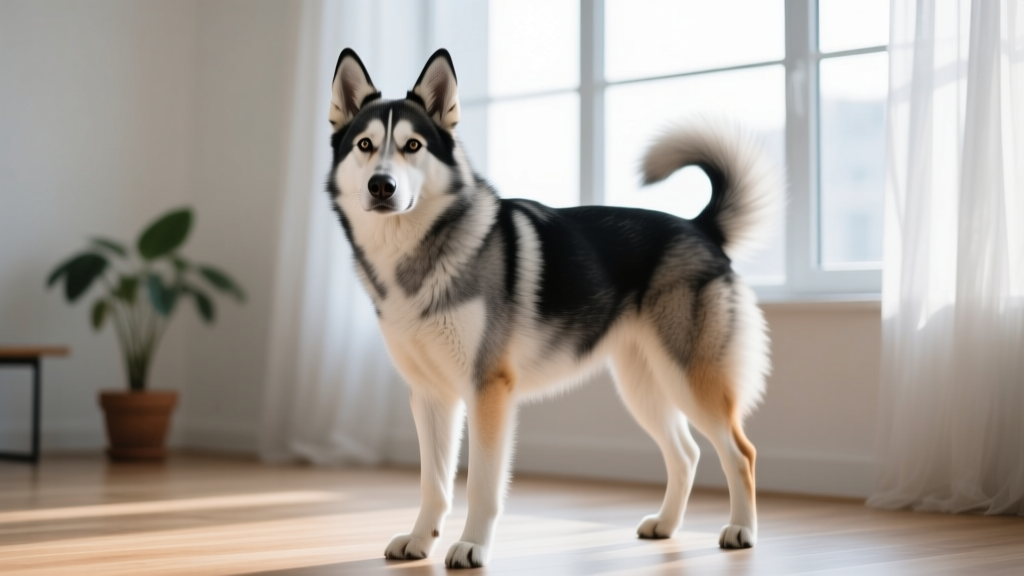
Meet the Gerberian Shepsky: A Siberian Husky German Shepherd Cross
If you've ever scrolled through adoption listings and paused at a striking wolf-like dog with one blue eye and one brown, you may have encountered the Gerberian Shepsky — the increasingly popular Siberian Husky German Shepherd mix. This designer crossbreed combines two of the most iconic working breeds in the world, producing a dog that is athletic, vocal, intelligent, and undeniably head-turning.
The Gerberian Shepsky is not recognized by the American Kennel Club (AKC) as a distinct breed, since it is a first-generation or multigen hybrid. However, both parent breeds — the Siberian Husky and the German Shepherd Dog (GSD) — are AKC-registered working breeds with well-documented standards. Understanding the parent breeds is the key to predicting what you'll get with this mix.
This cross typically falls into the large size class, with adults ranging from 45 to 88 lb (20–40 kg) depending on which parent they favor. Lifespan averages 10 to 13 years, which is slightly better than the purebred GSD's typical 7–10 years, possibly reflecting some degree of hybrid vigor — though this is not guaranteed and depends heavily on the health screening of the parent dogs.
| Attribute | Details |
|---|---|
| Size Class | Large |
| Weight Range | 45–88 lb (20–40 kg) |
| Height Range | 20–25 inches (51–64 cm) at the shoulder |
| Lifespan | 10–13 years |
| Coat Type | Double coat; medium to long; dense undercoat |
| Energy Level | High to very high |
| Grooming Needs | Moderate to heavy (weekly brushing; daily during shedding seasons) |
| Family Fit | Best for active, experienced households with yard access |
| Trainability | High intelligence, moderate-to-high willingness (can be independent) |
Origin: What Happens When You Cross a Husky With a GSD?
The Siberian Husky German Shepherd mix emerged as part of the broader designer-dog trend that gained momentum in the late 1990s and early 2000s in North America. Unlike intentionally developed breeds like the Labradoodle (first crossed in 1989 by Wally Conron for a specific working purpose), the Gerberian Shepsky has no single origin story or founding breeder. Most litters are produced by hobby breeders or result from accidental pairings.
The parent breeds, however, have deep and well-documented histories:
- Siberian Husky: Developed over centuries by the Chukchi people of northeastern Siberia as endurance sled dogs. Imported to Alaska in 1908 for sled racing, they gained fame during the 1925 serum run to Nome. The AKC recognized the breed in 1930. Huskies are pack-oriented, vocal, and built for sustained aerobic work in extreme cold.
- German Shepherd Dog: Created in Germany in 1899 by Captain Max von Stephanitz, who standardized the breed for herding and protection work. GSDs became military and police dogs during both World Wars and remain the second-most popular AKC breed as of 2025 registrations. They are known for biddability, protective instinct, and versatility.
Because the Gerberian Shepsky is a cross, individual puppies within the same litter can vary dramatically in appearance, size, and temperament. An F1 (first-generation) puppy may lean heavily toward one parent. F1B (backcross) or F2 (two Gerberian Shepskys bred together) litters introduce even more variability. This unpredictability is the trade-off for the hybrid's unique combination of traits.
Physical Characteristics: Size, Coat, and the Famous Eyes
The physical appearance of a Siberian Husky German Shepherd mix is one of the most variable among designer breeds. Here is what you can generally expect:
Weight: Males typically weigh 55–88 lb (25–40 kg). Females tend to be lighter at 45–70 lb (20–32 kg). The wide range reflects the size difference between parent breeds — a male GSD can reach 90 lb while a male Husky tops out around 60 lb.
Height: Most adults stand 20–25 inches (51–64 cm) at the shoulder. Dogs inheriting the GSD's longer legs tend to be taller; those favoring the Husky are more compact.
Coat: Nearly all Gerberian Shepskys inherit a double coat — a dense, soft undercoat beneath a coarser outer guard coat. Colors range widely: black and tan (GSD-leaning), agouti, gray, sable, red, or bi-colored. Many display the Husky's facial mask markings.
Eyes: One of the most sought-after traits is heterochromia (one blue eye, one brown), inherited from the Husky side. Some dogs have two blue eyes, two brown eyes, or parti-colored eyes. Brown eyes are more common when the GSD genetics dominate.
Ears: Almost universally erect and pointed, as both parent breeds have prick ears. Ear size and set vary.
Temperament & Personality: Five Core Traits to Expect
Temperament in any crossbreed is a roll of the genetic dice, but the Siberian Husky German Shepherd mix tends to display a recognizable cluster of behavioral traits drawn from both parent breeds. Here are five core traits with real-world examples:
1. High Energy and Drive
Both parent breeds were developed for demanding physical work. Expect a dog that needs a job — whether that's hiking, agility, or structured play. A bored Gerberian Shepsky will invent its own entertainment, which often means destructive chewing, digging, or escape attempts. One owner I worked with described her Shepsky as "a dog that treats the couch like a launchpad if he doesn't get his morning run."
2. Vocal and Expressive
Huskies are notorious for their "talking" — howls, woos, grumbles, and dramatic vocalizations that are distinct from typical barking. GSDs are more prone to alert barking. The mix often produces a dog that is vocally expressive in both registers. This is not a quiet apartment dog.
3. Intelligent but Independent
The GSD's biddability (eagerness to follow commands) and the Husky's problem-solving independence create a dog that learns quickly but may choose when to comply. If you ask your Shepsky to come when called and there's a squirrel in the distance, the Husky prey drive may override training. This makes recall training critical and often challenging.
4. Pack-Oriented and Loyal to Their People
Both breeds bond strongly with their families. GSDs tend to attach to one person; Huskies are more pack-social. The Shepsky usually falls somewhere in between — deeply loyal to the household but generally friendly with visitors once properly socialized. They are not typically one-person dogs, but they may be aloof with strangers initially.
5. Prey Drive and Escape Artistry
Huskies have a famously high prey drive and are known escape artists. GSDs have herding and protection instincts. Combined, you get a dog that may chase cats, squirrels, or joggers — and one that will test every fence, gate, and leash connection. A six-foot privacy fence with no horizontal rails to climb is the minimum recommendation for off-leash yard time.
Exercise & Activity: How Much Does a Gerberian Shepsky Need?
This is where many owners underestimate the breed. The Siberian Husky was bred to run 100+ miles per day in subzero temperatures. The German Shepherd works 8–12 hour shifts in police and military roles. Their offspring does not do well with a 15-minute walk around the block.
Minimum daily exercise: 90–120 minutes of structured activity. This should include:
- 30–45 minutes of sustained aerobic exercise — running, biking (with a proper dog attachment like the Springer Safety Attachment), or off-leash hiking in secure areas
- 30–45 minutes of mental stimulation — nose work, puzzle toys (Kong Classic stuffed with frozen peanut butter, Outward Hound Nina Ottosson puzzles), or obedience training sessions
- 15–30 minutes of structured play — flirt pole, fetch, or tug with rules
Ideal activities for this mix:
- Canicross (competitive dog running) or bikejoring
- Agility or rally obedience
- Hiking and backpacking (adults can carry a dog pack rated for 10–15% of body weight)
- Scent work / barn hunt (channels both the Husky's nose and the GSD's search drive)
- Ski joring or sledding in cold climates
Warning: Puppies under 18 months should not engage in forced running (jogging, biking) due to open growth plates. Free play, short leash walks, and swimming are safer. Consult your veterinarian about appropriate exercise intensity for growing large-breed dogs.
| Activity Type | Duration | Frequency | Examples |
|---|---|---|---|
| Aerobic exercise | 30–45 min | Daily | Running, hiking, bikejoring |
| Mental stimulation | 30–45 min | Daily | Puzzle toys, training, nose work |
| Structured play | 15–30 min | Daily | Flirt pole, fetch, tug |
| Socialization / outings | 30–60 min | 2–3x/week | Dog-friendly stores, park visits |
| Rest / decompression | Variable | Daily | Crate time, mat training, chewing |
Common Health Issues in the Siberian Husky German Shepherd Mix
Crossbreeds can inherit conditions from either parent breed. While hybrid vigor may reduce the risk of some recessive disorders, it does not eliminate structural or polygenic conditions that affect both parent breeds. Here are the most significant health risks to discuss with your veterinarian:
| Condition | Parent Breed Source | Estimated Prevalence | Screening Recommendation |
|---|---|---|---|
| Hip Dysplasia | Both (higher in GSD) | ~19% in GSDs (OFA data); ~5% in Huskies | OFA/PennHIP evaluation at 24 months |
| Elbow Dysplasia | GSD | ~15% in GSDs | OFA elbow evaluation at 24 months |
| Degenerative Myelopathy (DM) | GSD | Carrier rate ~35% in GSDs | DNA test (SOD1 gene); available via Embark or Paw Print Genetics |
| Eye Conditions (cataracts, PRA, corneal dystrophy) | Both (Husky: corneal dystrophy; GSD: PRA) | Variable | Annual CERF/OFA ophthalmologist exam |
| Gastric Dilatation-Volvulus (GDV / Bloat) | GSD (deep-chested breeds) | ~4% lifetime risk in large deep-chested breeds | Discuss prophylactic gastropexy with your vet at spay/neuter |
Additional concerns: Allergies (skin and food — common in both breeds), hypothyroidism (Husky line), and hemangiosarcoma (GSD line). The AKC notes that large-breed dogs benefit from feeding a large-breed-specific puppy formula to support controlled growth and reduce orthopedic risk.
🚨 Bloat Emergency Warning: If your Gerberian Shepsky shows a distended abdomen, unproductive retching (trying to vomit but nothing comes up), restlessness, or pale gums after eating, seek emergency veterinary care immediately. GDV is fatal within hours without surgical intervention. Do not wait.
Training, Intelligence & Grooming: What Daily Life Looks Like
Trainability Rating: 7.5/10 — Highly intelligent but not always compliant. This is not a breed for someone who wants a dog that lives to obey. The GSD side brings focus and handler-orientation; the Husky side brings creativity and stubbornness.
Recommended training methods: Positive reinforcement and force-free methods are essential. This mix responds poorly to harsh corrections — the Husky side tends to shut down or flee, while the GSD side may become defensively reactive. Use high-value treats (freeze-dried liver, chicken), keep sessions short (5–10 minutes), and vary exercises to prevent boredom. Key training priorities:
- Recall: Start in low-distraction environments and proof extensively. A long-line (15–30 ft training leash) is essential for safe off-leash training. Many Shepskys never achieve 100% reliable recall — plan accordingly.
- Leash manners: Both parent breeds pull. A front-clip harness (Ruffwear Front Range or similar) helps manage pulling while you train loose-leash walking.
- Crate training: Essential for this breed. A crate provides a safe decompression space and prevents destruction when unsupervised. Use a 42-inch or 48-inch crate for most adults.
- Socialization: Critical window is 8–16 weeks. Expose to 100+ novel stimuli (people, surfaces, sounds, other dogs) before 16 weeks. Continued socialization through puppy classes and structured playgroups is recommended through at least 12 months.
Grooming Requirements:
- Brushing: 3–4 times per week with an undercoat rake (e.g., Furminator for large dogs or a Chris Christensen Big G slicker brush). During spring and fall "blow coat" periods, daily brushing is necessary — expect tumbleweeds of undercoat throughout your home for 2–4 weeks.
- Bathing: Every 8–12 weeks or as needed. Over-bathing strips natural oils from the double coat. Use a deshedding shampoo during coat blows.
- Nail trimming: Every 3–4 weeks. If nails click on hard floors, they're too long.
- Never shave a double-coated dog. The undercoat provides insulation against both heat and cold. Shaving disrupts the coat's thermoregulation and may cause permanent texture damage.
Family Suitability, Costs & Ownership Realities
With children: Gerberian Shepskys can be excellent family dogs when raised with children and properly socialized. However, their size and energy level mean they can accidentally knock over toddlers. The GSD's herding instinct may manifest as nipping at running children. Always supervise interactions, and teach children to respect the dog's crate and rest time.
With other pets: Dog-to-dog socialization is usually manageable, especially with same-size dogs. The Husky prey drive makes cohabitation with cats, rabbits, or small dogs risky unless the puppy is raised with them from a young age — and even then, supervision is essential. Never leave a Shepsky unsupervised with small animals.
Apartment living: This is not an ideal apartment breed. The combination of high energy, vocalization, and size makes apartment life stressful for both the dog and neighbors. A home with a securely fenced yard (minimum 6-foot fence — Huskies are climbers and diggers) is strongly recommended.
Pros of the Gerberian Shepsky
- Striking, athletic appearance
- Highly intelligent and capable in dog sports
- Loyal and bonded to family
- Generally healthy with proper screening
- Excellent outdoor adventure companion
- Good cold-weather tolerance
Cons of the Gerberian Shepsky
- Requires 90–120 minutes of daily exercise
- Heavy shedding; not ideal for allergy sufferers
- Vocal — howling and "talking" are common
- High prey drive; risky with cats and small animals
- Escape-prone; needs secure fencing
- Not suited for first-time or sedentary owners
- Unpredictable temperament in F1 litters
Cost of Ownership:
- Puppy price: $800–$2,500 from a breeder performing health testing on both parent dogs (OFA hips, elbows, eyes; DM DNA test). Puppies advertised below $800 often come from sources that skip health screening. Adoption from breed-specific rescues (e.g., ASPCA partner shelters) may cost $200–$500.
- First-year costs: $2,500–$4,500 (includes puppy price, spay/neuter, initial vaccinations, crate, harness, training classes, food, and supplies).
- Annual ongoing costs: $1,500–$2,800/year for food ($50–$80/month for a quality large-breed diet), preventive medications (heartworm, flea/tick — $200–$400/year), routine vet care ($300–$600/year), grooming supplies ($50–$100/year), and pet insurance ($40–$80/month for a comprehensive plan).
- Emergency fund: Budget or insure for potential hip surgery ($3,000–$7,000 per hip) or bloat surgery ($3,000–$7,000).
Frequently Asked Questions
Is the Siberian Husky German Shepherd mix right for first-time owners?
Generally, no. This cross combines two high-drive, strong-willed working breeds. The exercise demands, escape tendencies, vocalization, and training challenges make this a better fit for owners with prior experience managing active working breeds. A first-time owner committed to professional training classes (budget $500–$1,000 in the first year) and daily structured exercise could succeed, but the margin for error is slim.
How much exercise does a Gerberian Shepsky need daily?
A minimum of 90–120 minutes per day, split between aerobic exercise (running, hiking), mental stimulation (training, puzzle toys), and structured play. Dogs that receive less than this consistently will develop behavioral problems including destruction, excessive vocalization, and escape attempts.
What health problems is the Siberian Husky German Shepherd mix prone to?
The most significant risks are hip dysplasia (~19% prevalence in the GSD line), elbow dysplasia, degenerative myelopathy (carrier rate ~35% in GSDs), eye conditions (cataracts, progressive retinal atrophy, corneal dystrophy), and gastric dilatation-volvulus (bloat). Always ask breeders for OFA health clearances on both parent dogs. For a full overview of inherited conditions, the Merck Veterinary Manual provides breed-specific guidance.
How big does a Gerberian Shepsky get?
Adult males typically weigh 55–88 lb (25–40 kg) and stand 22–25 inches (56–64 cm) tall. Females are smaller at 45–70 lb (20–32 kg) and 20–23 inches (51–58 cm). Size depends heavily on which parent breed's genetics dominate. If you can meet both parent dogs, their sizes are the best predictor.
Is this mix good with children and other pets?
With children, yes — when properly socialized and supervised. Their size and energy make them better suited to families with children over age 6. With other dogs, usually fine with proper introduction. With cats and small animals, exercise caution — the Husky prey drive is strong and may not be fully trainable away. Never leave any dog unsupervised with small children or small pets.
How much does a Siberian Husky German Shepherd mix cost?
Puppy prices range from $800–$2,500 from health-tested breeders, or $200–$500 from rescues. First-year total ownership costs typically run $2,500–$4,500. Ongoing annual costs are $1,500–$2,800. Pet insurance is strongly recommended given the breed's risk of orthopedic and emergency conditions.
Are Gerberian Shepskys aggressive?
Not inherently. However, the GSD's protective instinct combined with the Husky's reactivity can produce a dog that is alert, vocal, and wary of strangers if not properly socialized. Aggression is almost always a product of poor socialization, fear, or inadequate training — not breed temperament. Positive reinforcement socialization during the 8–16 week critical window is essential.
Disclaimer: This article is for informational purposes only and does not replace professional veterinary advice. Always consult your veterinarian regarding your dog's health, nutrition, and exercise plan. If you suspect your dog has ingested a toxic substance, contact the ASPCA Animal Poison Control Center at (888) 426-4435 (24/7, consultation fee applies).
Marcus Aldridge
All our authors care for dogs every day — read more of their work on the authors page.


