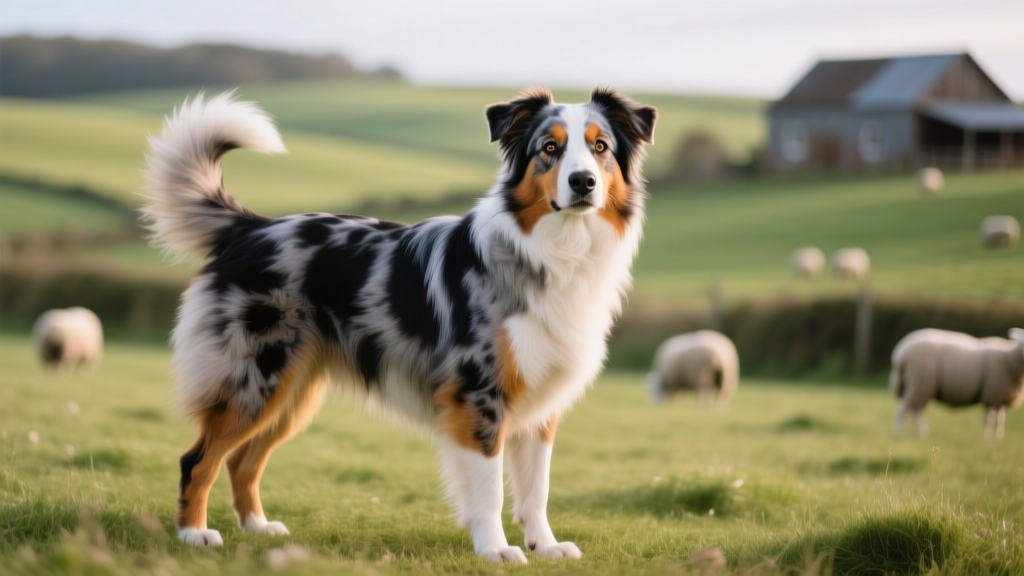
Blue Heeler Hound Mix: Traits, Size, Health & Care Guide
Explore the blue heeler hound mix: size, temperament, coat types, health risks from both parent breeds, costs.

What Two Breeds Make Up the Blue Heeler Hound Mix?
The blue heeler hound mix is a cross between the Australian Cattle Dog (commonly called the Blue Heeler) and a hound breed — most frequently a Beagle, Treeing Walker Coonhound, or Bluetick Coonhound. Because "hound" covers a broad category, the specific hound parent dramatically shapes the offspring's size, coat, drive, and vocalization. A Blue Heeler crossed with a Beagle produces a compact, vocal dog around 25–40 lb, while a Blue Heeler × Treeing Walker Coonhound yields a larger, leggier dog that can push 55–70 lb.
This mix is not recognized by the American Kennel Club as a standardized breed. It falls into the designer or mixed-breed category, meaning every litter — and sometimes every puppy within a litter — can look and behave quite differently.
Parent Breed Breakdown
| Trait | Australian Cattle Dog (Blue Heeler) | Hound Parent (Beagle / Coonhound) |
|---|---|---|
| Original Purpose | Herding cattle across rugged Australian terrain | Scent-tracking and treeing game (rabbits, raccoons) |
| AKC Weight Range | 35–50 lb (16–23 kg) | Beagle: 20–30 lb (9–14 kg); Coonhound: 45–70 lb (20–32 kg) |
| AKC Height Range | 17–20 in (43–51 cm) | Beagle: 13–15 in (33–38 cm); Coonhound: 20–27 in (51–69 cm) |
| Energy Level | Very high — needs 60–90+ min of structured activity daily | Moderate to high — bursts of intensity when on scent |
| Coat | Short, dense double coat; moderate shedder | Short to medium; Beagle sheds moderately; Coonhound sheds moderately |
| Vocalization | Barks to alert; can be mouthy/nippy | Howls, bays, and "talks" — bred to vocalize on trail |
| Trainability | High intelligence, independent thinker, strong handler focus | Food-motivated but easily distracted by scent; slower obedience response |
| Lifespan | 12–16 years | Beagle: 10–15 years; Coonhound: 11–13 years |
When these two working lineages combine, you get a dog with herding instinct and scent drive — an athletic, intelligent animal that needs serious daily engagement. The trade-off is that neither parent breed is known for being a laid-back couch companion.
How Big Will a Blue Heeler Hound Mix Get?
Size is one of the most variable traits in this cross because the hound parent's size swings so widely. Below are realistic ranges based on the two most common pairings.
| Pairing | Expected Weight | Expected Height (at shoulder) |
|---|---|---|
| Blue Heeler × Beagle | 25–45 lb (11–20 kg) | 14–18 in (36–46 cm) |
| Blue Heeler × Bluetick Coonhound | 40–60 lb (18–27 kg) | 18–23 in (46–58 cm) |
| Blue Heeler × Treeing Walker Coonhound | 45–70 lb (20–32 kg) | 19–25 in (48–64 cm) |
Growth timeline: Most blue heeler hound mixes reach near-adult height by 10–12 months but continue filling out in chest and muscle mass until 18–24 months, consistent with the Merck Veterinary Manual's growth guidance for medium-to-large breeds.
If you're adopting a puppy without knowing the exact hound parent, ask the shelter or breeder for the dam and sire's weights. A reasonable estimate for adult weight is roughly double the puppy's weight at 16 weeks for medium-sized crosses.
Generations Explained: F1, F1B, and Backcrosses
Generation matters for predictability. Here's how designer-cross terminology applies to the blue heeler hound mix:
- F1 (First Generation): One purebred Blue Heeler × one purebred Hound. Puppies are 50/50 and show the widest trait variation — some lean heavily heeler, others heavily hound.
- F1B (Backcross): An F1 blue heeler hound mix bred back to one of the parent breeds (usually the Blue Heeler for a more herding-oriented dog, or the hound for a calmer scent-worker). Offspring are roughly 75/25.
- F2: Two F1 blue heeler hound mixes bred together. Trait predictability does not improve — genetic recombination means F2 litters can be even more variable than F1.
- Multigen: Multiple generations of blue heeler hound crosses bred together. This designation is rare for this particular mix because there is no established breeding program standardizing the cross.
Most blue heeler hound mixes you encounter in shelters or through casual breeders will be F1 crosses. Intentional multigen programs for this mix are virtually nonexistent as of 2026.
Temperament: What to Expect (and What Might Surprise You)
Both parent breeds were developed for demanding field work, which means the blue heeler hound mix inherits strong instinctual drives. Here's how those drives typically show up in a home setting.
Best-Case Temperament Scenario
A well-socialized blue heeler hound mix from an F1 pairing often blends the Blue Heeler's handler focus and problem-solving ability with the hound's slightly softer, more forgiving nature. The result: a dog that is alert and responsive to training, enjoys structured activities like agility or scent work, bonds deeply with family, and tolerates children and other dogs when properly introduced during the 8–16 week socialization window.
Challenging Temperament Scenarios
- Herding + prey drive collision: The heeler side may try to herd children, cats, or bicycles by nipping at heels, while the hound side may bolt after squirrels or deer with complete disregard for recall. A dog expressing both drives simultaneously requires secure fencing (minimum 6 ft for coonhound-leaning mixes) and consistent positive-reinforcement recall training.
- Vocalization overload: Hounds bay and howl; heelers bark and "talk." A mix inheriting vocal tendencies from both parents may not be suitable for apartments, close-quarter townhomes, or noise-sensitive neighborhoods.
- Destructive boredom: Both breeds were built for 8+ hour work days. A blue heeler hound mix receiving fewer than 60 minutes of structured physical and mental activity daily is at high risk for destructive chewing, digging, escape attempts, and barrier frustration.
- Resource guarding: Australian Cattle Dogs have a documented tendency toward resource guarding. Early counter-conditioning with high-value treats around food bowls, toys, and resting spaces is critical from puppyhood.
Trait Variability Chart
| Trait | Leans Heeler | Leans Hound | Blended (Most Common) |
|---|---|---|---|
| Recall Reliability | Moderate — responds to handler but may herd instead | Low — scent overrides training | Moderate — needs ongoing reinforcement |
| Stranger Friendliness | Reserved, watchful | Outgoing, tail-wagging | Cautious then warms up |
| Independence | Velcro dog — follows handler everywhere | Content to wander and sniff | Attached but not clingy |
| Prey Drive | Herding-type (chase + nip) | Hunting-type (chase + grab) | High chase drive; variable grab intent |
| Separation Tolerance | Low — prone to separation anxiety | Moderate — may howl but self-settles | Moderate with crate training |
Coat, Color, and Grooming Needs
Is the blue heeler hound mix hypoallergenic? No. Neither the Australian Cattle Dog nor any common hound breed carries the low-shedding coat genes found in Poodles or Bichons. Expect moderate year-round shedding with seasonal "blowouts" in spring and fall if the dog inherits the heeler's double coat.
Coat Possibilities
- Short, dense double coat (heeler-dominant): Stiff guard hairs over a soft undercoat. Water-resistant. Sheds moderately year-round, heavily during seasonal changes. Requires brushing 2–3 times per week with an undercoat rake like the Furminator Medium Short Hair model ($25–$35).
- Short, smooth single coat (hound-dominant): Softer, flatter coat with less undercoat. Easier to maintain — weekly rubber curry brush session (e.g., Kong ZoomGroom, $8–$12) removes loose hair.
- Intermediate coat: Slightly longer than either parent, sometimes with feathering on legs and tail. Brush 2–3 times weekly.
Color Variations
Coat colors in this mix are highly variable and can include:
- Blue merle / blue mottled (from the heeler's merle gene)
- Red merle / red speckled
- Tricolor (black, white, tan — common in Beagle crosses)
- Blue tick / blue roan (from Bluetick Coonhound parent)
- Solid black and tan, or tan and white
Important: If one parent carries the merle gene (common in Blue Heelers) and the other also carries merle, breeding two merles produces "double merle" puppies with a ~25% chance of severe hearing and vision impairment. Responsible breeders will never intentionally breed merle × merle. If adopting, ask whether both parents were merle-patterned.
Grooming Schedule
| Task | Frequency | Tool/Product |
|---|---|---|
| Brushing | 2–3× per week (daily during coat blow) | Undercoat rake or rubber curry brush |
| Bathing | Every 6–8 weeks or as needed | Oatmeal-based dog shampoo (avoid human shampoo — pH mismatch) |
| Nail trimming | Every 3–4 weeks | Guillotine or scissor-style clippers; Dremel 7300-PT for nail grinding |
| Ear cleaning | Weekly (especially for hound-dominant dogs with flop ears) | Veterinary ear wash (e.g., Epi-Otic Advanced, $12–$18) |
| Dental care | Daily brushing ideal; minimum 3× per week | Dog-specific enzymatic toothpaste (Virbac C.E.T., $8–$12) |
Health Considerations: Hybrid Vigor Myth vs. Reality
One of the most persistent misconceptions in the designer dog world is that mixed breeds automatically enjoy "hybrid vigor" — the idea that crossing two breeds eliminates all health problems. The reality, according to AVMA-aligned veterinary genetics research, is more nuanced. Mixed breeds benefit from a wider gene pool only when the specific genetic diseases of both parent breeds are different. When both parents share susceptibility to the same condition, the mix can inherit it just as readily.
Conditions Inherited from the Blue Heeler Side
- Progressive Retinal Atrophy (PRA): A degenerative eye disease leading to blindness. The prcd-PRA mutation is prevalent in Australian Cattle Dogs. DNA testing (Optigen or Paw Print Genetics, $120–$180 per test) can identify carriers before breeding.
- Hip Dysplasia: Abnormal development of the hip joint. The AKC recommends OFA hip evaluations for Australian Cattle Dogs used in breeding. Prevalence in the breed is estimated at 15–20% based on OFA database records.
- Deafness: Congenital deafness is linked to the merle gene and white coat markings in heelers. BAER testing (Brainstem Auditory Evoked Response, $50–$100 at veterinary neurology clinics) confirms hearing status in puppies.
- Osteochondritis Dissecans (OCD): A joint cartilage defect that can affect elbows and shoulders, particularly in fast-growing puppies fed excessive calories.
Conditions Inherited from the Hound Side
- Ear Infections (Otitis Externa): Floppy-eared hounds are prone to chronic ear infections due to trapped moisture and poor air circulation. Expect at least 1–2 veterinary ear infection treatments per year ($45–$80 per visit) in hound-dominant mixes.
- Intervertebral Disc Disease (IVDD): More common in Beagle lines due to their chondrodystrophic build. Disc extrusion can cause pain, weakness, or paralysis. Surgical treatment ranges from $3,000–$8,000 depending on severity and location.
- Hip Dysplasia (shared): Coonhounds also carry hip dysplasia risk, meaning this condition is a genuine overlap concern in the blue heeler hound mix. Maintaining a lean body condition score (BCS 4–5 on the 9-point Purina scale) reduces joint stress.
- Hypothyroidism: Documented in Beagles and some coonhound lines. Symptoms include weight gain, lethargy, and coat thinning. Managed with daily levothyroxine ($15–$30/month).
- Bloat (Gastric Dilatation-Volvulus): While more common in deep-chested large breeds, coonhound-leaning mixes with a barrel chest are at elevated risk. This is a life-threatening emergency requiring immediate surgery ($5,000–$10,000+).
When to call the vet immediately: If your blue heeler hound mix shows a distended abdomen, unproductive retching, restlessness, or collapse — these are signs of bloat (GDV). This is a surgical emergency. Contact your nearest emergency veterinary hospital immediately. For toxic ingestion concerns, call ASPCA Animal Poison Control at (888) 426-4435 (24/7, consultation fee applies).
Preventive Health Plan
Consult your veterinarian to establish a screening schedule. A reasonable baseline for this mix:
- Year 1: BAER hearing test, OFA hip preliminary evaluation, CERF eye exam, prcd-PRA DNA test
- Years 2–7: Annual wellness exam, hip re-evaluation if symptoms arise, thyroid panel at year 5
- Years 8+: Biannual wellness exams, senior blood panel, joint supplementation (glucosamine/chondroitin, $20–$40/month for quality products like Dasuquin Medium)
Exercise, Training, and Mental Enrichment
This mix requires a minimum of 60–90 minutes of structured activity daily, split across physical exercise and mental challenges. A 15-minute walk around the block will not suffice — these dogs were bred to work full days in the field.
Recommended Activities
- Scent work / nose games: Satisfies the hound's tracking drive. Start with hide-and-seek treats indoors, then progress to formal nosework classes ($150–$250 for a 6-week course).
- Agility or herding trials: Channels the heeler's athleticism and handler focus. AKC-sanctioned agility classes accommodate mixed breeds through the AKC Canine Partners program.
- Hiking and trail running: Excellent for coonhound-leaning mixes with endurance. Use a hands-free leash system (e.g., Ruffwear Roamer, $50–$60) for safe trail exercise.
- Puzzle feeders and frozen Kongs: Essential for mental stimulation on days when outdoor exercise is limited. A Kong Classic ($12–$18) stuffed with peanut butter and frozen can occupy a blue heeler hound mix for 30–45 minutes.
Training Approach
Use positive reinforcement methods exclusively — high-value treats (freeze-dried liver, chicken bites), marker-based clicker training, and reward-based recall practice. Both parent breeds respond poorly to harsh corrections: heelers shut down or become mouthy, and hounds simply disengage. Force-free training builds the trust and cooperation this mix needs to thrive.
Key training priorities for this mix:
- Rock-solid recall: Start in low-distraction environments. Use a long line (15–30 ft, $15–$25) for safe outdoor practice before trusting off-leash freedom.
- "Leave it" and "drop it": Critical for managing prey drive and preventing ingestion of dangerous items on walks.
- Crate training: Provides a safe den and prevents destruction when unsupervised. Use a MidWest iCrate ($35–$60 depending on size) — choose 36-inch for Beagle crosses, 42-inch for coonhound crosses.
- Impulse control: "Wait" at doors, polite leash walking, and settle-on-mat training reduce the chaotic energy this mix can exhibit.
Cost: How Much Does a Blue Heeler Hound Mix Cost?
Pricing varies widely depending on whether you buy from a breeder or adopt through a rescue.
| Source | Price Range | What's Typically Included |
|---|---|---|
| Rescue / Shelter Adoption | $50–$400 | Spay/neuter, initial vaccines, microchip, basic vet exam |
| Casual/Backyard Breeder | $300–$800 | First vaccines and deworming; rarely health-tested parents |
| Intentional Breeder (health-tested parents) | $800–$1,500 | OFA/PennHIP hips, CERF eyes, PRA DNA test, first vaccines, early socialization, take-back clause |
First-Year Ownership Budget
Beyond the purchase or adoption price, budget for these first-year essentials:
- Veterinary (wellness + vaccines + spay/neuter if not included): $600–$1,200
- Food (quality kibble like Purina Pro Plan Sport 26/16 or Orijen Original): $400–$700/year
- Preventives (heartworm, flea/tick — e.g., Simparica Trio): $200–$350/year
- Gear (crate, leash, harness, bowls, bed): $200–$400
- Training classes (group puppy + basic manners): $200–$500
- Pet insurance (optional but recommended — e.g., Trupanion, Healthy Paws): $40–$80/month
Estimated first-year total: $2,000–$4,500 depending on source, veterinary needs, and insurance choice.
Who Is the Blue Heeler Hound Mix Best Suited For?
This cross is not a beginner-friendly dog. The combination of herding instinct, scent drive, high energy, and potential vocalization requires an owner who understands working-dog behavior and can commit to daily structured engagement.
Ideal Owner Profile
- Experience level: Intermediate to advanced — someone who has previously owned a herding or hound breed and understands drive management
- Living situation: House with a securely fenced yard (minimum 5 ft fence for Beagle crosses, 6 ft for coonhound crosses). Not recommended for apartments unless the owner commits to 2+ hours of outdoor activity daily
- Activity level: Active — runner, hiker, hunter, or dog-sport enthusiast who wants a canine partner
- Family composition: Families with children aged 8+ who can participate in training and respect the dog's boundaries. Young toddlers may be herded (nipped) by heeler-leaning mixes
- Time commitment: Home during the day or able to arrange midday exercise. This mix does poorly when left alone for 8+ hours without stimulation
Less Suitable For
- First-time dog owners unfamiliar with high-drive breeds
- Apartment dwellers without access to nearby green space
- Households with cats, rabbits, or small pets (prey drive risk)
- Owners seeking a low-maintenance, independent dog
- Noise-sensitive living situations (the hound bay + heeler bark combination can be loud)
Frequently Asked Questions
What two breeds make up the blue heeler hound mix?
An Australian Cattle Dog (Blue Heeler) and a hound breed — most commonly a Beagle, Bluetick Coonhound, or Treeing Walker Coonhound. The specific hound parent determines much of the mix's size, coat, and temperament.
How big will a blue heeler hound mix get?
Weight ranges from 25 lb (11 kg) for a Beagle cross to 70 lb (32 kg) for a Treeing Walker Coonhound cross. Height ranges from 14 to 25 inches at the shoulder. Ask the breeder or rescue for parent weights to estimate your individual dog's adult size.
What will the temperament be like?
Expect an intelligent, high-energy dog with strong herding and scent-tracking instincts. Best-case: alert, trainable, and affectionate with family. Challenging-case: mouthy, vocal, prone to chasing, and difficult to recall off-leash. Early socialization and consistent positive-reinforcement training are essential.
Is the blue heeler hound mix hypoallergenic or low-shedding?
No. Neither parent breed carries low-shedding coat genes. Expect moderate to heavy shedding year-round with seasonal increases. Regular brushing 2–3 times per week helps manage loose hair.
What health issues might this mix inherit?
Key concerns include progressive retinal atrophy (PRA), hip dysplasia, congenital deafness (from the merle gene), ear infections (from floppy hound ears), and IVDD (in Beagle-dominant crosses). Health-test both parents through OFA and DNA screening before purchasing from a breeder. Always consult your veterinarian to establish an individualized preventive care plan.
How much does a blue heeler hound mix cost?
Adoption fees range from $50–$400 through rescues. Breeder prices range from $300–$800 for casual breeders to $800–$1,500 for intentional breeders who health-test parents. Budget an additional $2,000–$4,500 for first-year care, food, gear, and training.
Are blue heeler hound mixes good with children?
They can be, with proper socialization and supervision. However, the heeler's herding instinct may cause nipping at running children's heels. Best suited for families with children aged 8+ who understand how to interact calmly with dogs. Always supervise interactions between any dog and young children.
Can a blue heeler hound mix live with cats?
It depends on the individual dog's prey drive, which tends to be high in this cross. Some blue heeler hound mixes coexist peacefully with cats they're raised alongside, while others will chase. Introduce carefully using a leash and barrier method, and never leave the dog unsupervised with small pets until trust is firmly established over several months.
Marcus Aldridge
All our authors care for dogs every day — read more of their work on the authors page.