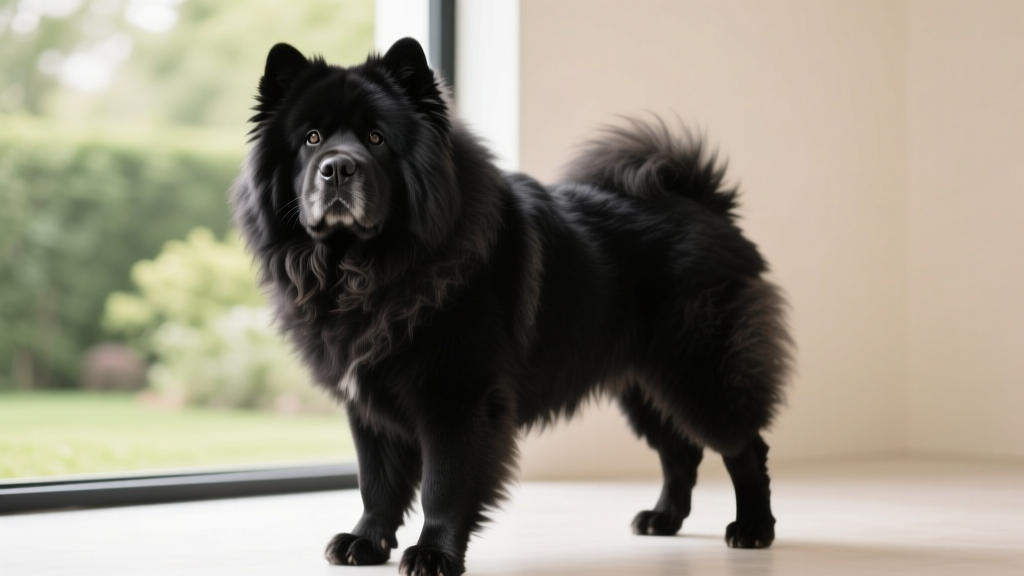
Blood Hounds Dog: The Complete Rare Breed Profile & Care Guide
Everything about the Blood Hounds dog breed: origins, temperament, health risks, costs, and care requirements. A complete guide for prospective owners.

If you've ever seen a Blood Hounds dog in person, you already know they leave an impression. The loose, draping skin. The soulful, almost mournful eyes. The ears that seem to drag the ground. But beyond their iconic appearance lies one of the most specialized scent-tracking dogs ever bred — a breed whose nose is so precise it has been accepted as evidence in courts of law.
Despite their fame, Bloodhounds remain surprisingly uncommon in American households. The AKC consistently ranks them outside the top 50 most popular breeds, and finding a reputable breeder often means joining a waiting list that stretches 12 to 18 months. This guide covers everything a prospective owner needs to know before committing to this extraordinary, demanding, deeply rewarding breed.
Where Did the Blood Hounds Dog Originate?
The Bloodhound's lineage traces back to medieval Europe, specifically the monasteries of Belgium and France. Monks at the Abbey of Saint-Hubert in the Ardennes region are widely credited with systematically breeding these dogs beginning around the 7th to 8th century. The original purpose was stag and boar hunting — the monks needed a dog that could track cold trails over rough terrain for hours without losing the scent.
700s–1000s: Monks at Saint-Hubert Abbey begin selective breeding of scent hounds in the Ardennes (modern-day Belgium).
1066: Norman conquerors are believed to have brought Saint-Hubert hounds to England, where the breed was further refined.
1300s–1600s: English nobility develop the Bloodhound as a distinct breed, emphasizing tracking ability and scenting endurance. The name "Bloodhound" is believed to refer to the breed's "blooded" (thoroughbred/aristocratic) lineage, not tracking blood.
1800s: Bloodhounds gain prominence in law enforcement and search-and-rescue, particularly for tracking escaped persons and missing individuals.
1885: The American Kennel Club (AKC) officially recognizes the Bloodhound — among the earliest breeds registered.
Present day: The FCI classifies the Bloodhound under Group 6 (Scent Hounds), Section 1.1 (Large-sized Hounds). The UKC also recognizes the breed within its Scenthound group.
The Bloodhound's tracking ability isn't folklore — it's documented science. A Bloodhound's nose contains approximately 300 million olfactory receptors, compared to roughly 5–6 million in humans and about 225 million in a German Shepherd. This gives them the ability to discriminate scents at concentrations as low as one part per trillion. According to the American Kennel Club, a Bloodhound's scent trail evidence has been admissible in U.S. courts since the early 1900s, making them the only breed with this legal distinction.
Blood Hounds Dog: Breed-at-a-Glance Specifications
| Attribute | Specification |
|---|---|
| Weight (Males) | 90–110 lb / 41–50 kg |
| Weight (Females) | 80–100 lb / 36–45 kg |
| Height (Males) | 25–27 in / 63–69 cm at the shoulder |
| Height (Females) | 23–25 in / 58–63 cm at the shoulder |
| Lifespan | 10–12 years (median ~10.7 years) |
| Coat | Short, dense, hard — single coat |
| Accepted Colors | Black & tan, liver & tan, red (solid or with lighter "flecking") |
| Energy Level | Moderate — needs 60–90 min structured exercise daily |
| Grooming | Low coat maintenance; high ear and wrinkle maintenance |
| Family Fit | Good with children and other dogs; not ideal for first-time owners |
| AKC Recognition | 1885 (Hound Group) |
| AKC Popularity Rank (2025) | #52 out of 201 recognized breeds |
What Makes the Blood Hounds Dog Physically Distinctive?
The Bloodhound's body is essentially a scent-collection machine, and every unusual physical trait serves a functional purpose:
- The Wrinkles (Skin Folds): The deep folds around the face and neck aren't cosmetic. They trap scent particles close to the dog's nose as it tracks with its head low to the ground. More folds = more scent retention.
- The Ears: Bloodhound ears are the longest of any breed — often measuring 12–14 inches in length on adults. They sweep the ground while the dog tracks, stirring up scent particles and directing them toward the nose.
- The Dewlap: The loose skin hanging beneath the chin and throat (dewlap) further helps trap airborne scent molecules.
- The Build: Despite their sometimes lumbering appearance, Bloodhounds are powerfully built with deep chests, strong shoulders, and remarkable endurance. They can track a scent trail for 20+ miles and work for 4–6 hours without rest.
Temperament: What Surprises New Blood Hounds Dog Owners
Most people expect a Bloodhound to be lazy and slow. The reality is more nuanced — and it catches many first-time owners off guard.
The Stubbornness Factor
Bloodhounds are independent thinkers bred to follow a scent trail without human direction. This makes them extremely challenging to train using traditional obedience methods. They are not unintelligent — they simply don't see the point of repeating commands they've already mastered. A Bloodhound that has decided a squirrel trail is more interesting than your "come" recall will not be persuaded by repetition alone. Positive reinforcement with high-value food rewards (real meat, cheese, freeze-dried liver) is the only consistently effective approach. Force-based methods, shock collars, or prong collars will damage the trust relationship and produce a shut-down dog.
The Vocalization
Bloodhounds are not excessive barkers in the traditional sense, but they produce a distinctive deep, resonant howl called a "bay" — particularly when they've picked up an interesting scent. This bay can carry for over a mile and is loud enough to disturb neighbors. Apartment living is generally not compatible with this breed.
The Affection Level
Despite their serious working-dog heritage, Bloodhounds are remarkably gentle and affectionate at home. They tend to be "velcro dogs" that want physical contact, often leaning against their owners or draping themselves across feet. They are typically excellent with children, though their large size means toddlers can be accidentally knocked over. They are generally friendly with strangers (poor guard dogs) and get along with other dogs.
The "Off Switch" Myth
Bloodhounds are often described as calm indoors — and they can be, as adults. But puppies and adolescents (up to 3 years old) are surprisingly energetic and destructive if under-exercised. Expect chewed furniture, dug-up yards, and counter-surfing if daily exercise needs aren't met.
Blood Hounds Dog Health: Breed-Specific Concerns
The Bloodhound's lifespan of 10–12 years is shorter than many breeds of similar size, and the breed carries several serious health predispositions. Prospective owners should budget for higher-than-average veterinary costs and familiarize themselves with emergency signs. Always consult your veterinarian for diagnosis and treatment of any health concern.
| Condition | Description | Prevalence / Risk | Estimated Treatment Cost |
|---|---|---|---|
| Gastric Dilatation-Volvulus (GDV / Bloat) | Stomach fills with gas and twists. Life-threatening emergency requiring immediate surgery. | Bloodhounds are among the highest-risk breeds due to deep chest conformation. Estimated lifetime risk: 20–30%. | $2,500–$7,000 (emergency surgery); prophylactic gastropexy: $300–$800 if done during spay/neuter |
| Hip Dysplasia | Malformation of the hip joint causing arthritis and pain. | OFA data shows ~17–22% of evaluated Bloodhounds rated dysplastic. | $1,500–$6,000 per hip (total hip replacement) |
| Elbow Dysplasia | Developmental abnormality of the elbow joint. | Moderate prevalence; OFA reports ~12–15% affected. | $1,000–$4,000 (surgical correction) |
| Otitis Externa (Ear Infections) | Chronic ear infections due to long, heavy ears that trap moisture and limit airflow. | Very common — most Bloodhounds experience recurrent ear infections throughout life. | $100–$300 per episode; chronic cases may require $1,500–$3,000 (TECA surgery) |
| Ectropion / Entropion | Eyelids roll outward (ectropion) or inward (entropion), causing irritation and corneal damage. | Common due to excessive facial skin folds. | $500–$1,500 per eye (surgical correction) |
| Hypothyroidism | Underactive thyroid gland causing weight gain, lethargy, and coat issues. | Moderate prevalence in the breed. | $20–$50/month (lifelong thyroid supplement) |
| Fold Dermatitis | Skin infections in facial folds from trapped moisture and bacteria. | Very common without routine fold cleaning. | $80–$200 per episode |
⚠️ Bloat Emergency Warning: If your Bloodhound shows a distended abdomen, unproductive retching (trying to vomit but nothing comes up), restlessness, pale gums, or rapid breathing after eating — go to an emergency vet immediately. GDV can kill within hours. Many Bloodhound owners keep a prophylactic gastropexy on their radar: this preventive surgery tacks the stomach to the abdominal wall and reduces GDV risk by ~90%. It can be performed at the time of spay/neuter for $300–$800.
For more information on breed-specific health conditions, the Merck Veterinary Manual offers detailed owner-facing guidance on large-breed health risks.
Special Care Requirements for a Blood Hounds Dog
Owning a Bloodhound isn't like owning a Labrador. The breed's unique anatomy creates a specific set of daily and weekly care tasks that prospective owners should understand before committing.
Daily Care Checklist
- ☑️ Exercise: 60–90 minutes of structured activity (leash walks, scent work, tracking games). Off-leash time should only happen in fully fenced areas — a Bloodhound on a scent will not recall.
- ☑️ Ear inspection: Check ears for redness, odor, or excess wax. Wipe the inner ear flap with a vet-approved ear cleaner (e.g., Epi-Otic Advanced or Zymox Ear Cleanser) at least 2–3 times per week.
- ☑️ Wrinkle cleaning: Wipe facial folds with a damp cloth or unscented pet wipe, then dry thoroughly. Trapped moisture causes fold dermatitis rapidly in warm weather.
- ☑️ Eye check: Look for redness, discharge, or signs the eyelid is rolling inward/outward.
- ☑️ Drool management: Bloodhounds are moderate-to-heavy droolers. Keep a towel or drool rag accessible, especially after drinking.
Weekly / Monthly Care
- ☑️ Nail trimming: Every 2–4 weeks. Long nails alter gait and stress already-vulnerable joints.
- ☑️ Brushing: 1–2 times per week with a rubber curry brush or hound glove to manage shedding.
- ☑️ Deep ear cleaning: Weekly flushing with a veterinarian-recommended ear solution.
- ☑️ Dental care: Brush teeth 3–4 times per week minimum; annual veterinary dental cleanings recommended.
Nutrition
- ☑️ Feed an AAFCO-approved large-breed formula with controlled calcium/phosphorus ratios (especially for puppies).
- ☑️ Split meals into 2–3 feedings per day to reduce bloat risk. Never feed one large meal.
- ☑️ No vigorous exercise 1 hour before or 2 hours after eating — this is critical for GDV prevention.
- ☑️ Elevated food bowls: Use a raised feeder (12–16 inches) to reduce air swallowing during meals.
- ☑️ Expected food cost: $80–$140/month for a quality large-breed kibble (e.g., Purina Pro Plan Large Breed, Royal Canin Giant Adult, or Hill's Science Diet Large Breed).
How Rare Is the Blood Hounds Dog — and How Much Does One Cost?
Bloodhounds are genuinely uncommon. The AKC registers approximately 1,000–1,500 Bloodhound puppies per year in the United States, compared to over 60,000 Labrador Retrievers annually. This limited supply means prospective buyers should expect:
- Waiting lists of 12–24 months from reputable breeders
- Limited geographic availability — you may need to travel or arrange transport
- Application and interview processes — responsible breeders screen buyers carefully
Price Breakdown
| Item | Estimated Cost |
|---|---|
| Puppy from reputable AKC breeder | $1,500–$3,000 |
| Show/working-line puppy (CHIC/health-tested parents) | $2,500–$4,500 |
| Rescue/adoption fee | $300–$600 |
| First-year veterinary costs (vaccines, spay/neuter, microchip, heartworm) | $800–$1,500 |
| First-year total (puppy + vet + food + supplies) | $3,500–$6,500 |
| Annual ongoing costs (food, vet, insurance, supplies) | $2,000–$3,500/year |
| Pet insurance (recommended) | $50–$90/month for comprehensive coverage |
Breeder Red Flags to Avoid
- 🚩 Puppies available immediately with no waiting list or application
- 🚩 Breeders who cannot provide OFA hip/elbow scores for both parents (checkable at ofa.org)
- 🚩 Prices significantly below $1,200 (possible puppy mill or backyard breeder)
- 🚩 No health guarantee or take-back clause in the contract
- 🚩 Unwillingness to let you meet the dam (mother) or see the living conditions
- 🚩 Multiple litters always available — responsible breeders produce 1–2 litters per year maximum
Rescue Options
The American Bloodhound Club maintains a rescue network, and breed-specific rescues occasionally have adult dogs available. Adopting an adult Bloodhound can be an excellent option for owners who want to skip the destructive puppy phase and get a dog with a known temperament.
Blood Hounds Dog vs. Similar Breeds: A Practical Comparison
If you're drawn to the Bloodhound's scent-hound heritage or large-breed build but aren't sure it's the right fit, here's how it stacks up against comparable breeds:
| Trait | Bloodhound | Coonhound (Black & Tan) | Basset Hound |
|---|---|---|---|
| Weight | 80–110 lb | 45–75 lb | 40–65 lb |
| Scenting Ability | Unmatched — gold standard of scent work | Excellent — bred for raccoon/treeing | Excellent — second only to Bloodhound in receptor count |
| Trainability | Challenging — independent, low obedience drive | Moderate — more handler-focused than Bloodhound | Moderate — stubborn but food-motivated |
| Exercise Needs | 60–90 min/day | 60–90 min/day | 30–60 min/day |
| Drool | Heavy | Minimal | Moderate |
| Apartment-Friendly | No (size + bay vocalization) | No (vocal) | Sometimes (lower energy, smaller) |
| Bloat Risk | Very high | Moderate | Moderate |
| Lifespan | 10–12 years | 11–12 years | 12–13 years |
| Puppy Cost | $1,500–$4,500 | $500–$1,500 | $800–$2,000 |
The Coonhound (particularly the Black and Tan variety) shares the Bloodhound's scent-hound heritage but is more athletic, less wrinkled, and significantly more affordable. The Basset Hound offers similar scenting instincts in a smaller, more apartment-compatible package — though with their own stubborn streak.
Is the Blood Hounds Dog Right for Your Family?
The Bloodhound is a magnificent breed, but it is not a universally good fit. Here's an honest assessment of who thrives with this breed — and who should look elsewhere.
Ideal Bloodhound owners:
- Have prior experience with large, independent hound breeds
- Live in a home with a securely fenced yard (minimum 5-foot fence — Bloodhounds are surprisingly good climbers and diggers when motivated by scent)
- Can commit to 60–90 minutes of daily exercise regardless of weather
- Are comfortable with drool, slobber, and a dog that tracks mud indoors
- Have the budget for potential emergency veterinary costs ($5,000+ for bloat surgery)
- Are patient with training and don't expect off-leash reliability
Consider a different breed if:
- You're a first-time dog owner — the Bloodhound's independence and size make it a steep learning curve
- You live in an apartment or have close neighbors sensitive to noise
- You want a highly obedient, off-leash reliable companion
- You're uncomfortable with routine ear cleaning, wrinkle maintenance, and drool management
- Your budget doesn't accommodate $2,000–$3,500/year in ongoing care plus emergency reserves
Frequently Asked Questions About the Blood Hounds Dog
Are Bloodhounds good with children?
Yes, generally excellent. Bloodhounds are patient, gentle, and tolerant — they rarely show aggression toward children. However, their large size (90–110 lb) means they can accidentally knock over toddlers, and their long ears and facial skin are sensitive to grabbing. Supervised interactions and teaching children to respect the dog's space are essential.
Can you train a Bloodhound off-leash?
Realistically, no. A Bloodhound that catches an interesting scent will follow it regardless of training. Their olfactory drive overrides learned recall commands in most real-world scenarios. Off-leash exercise should only occur in fully enclosed areas. GPS trackers (such as the Fi Series 3 or Whistle Go) are strongly recommended for any Bloodhound that spends time outdoors.
How much do Bloodhounds shed?
Moderately. Despite the short coat, Bloodhounds shed year-round with seasonal increases in spring and fall. Weekly brushing with a rubber hound glove and occasional bathing (every 6–8 weeks) manage shedding effectively. The bigger grooming challenge is ear and wrinkle care, not coat maintenance.
Do Bloodhounds make good guard dogs?
No. Bloodhounds are typically friendly with strangers and lack territorial aggression. They may bay at unfamiliar sounds, but they are far more likely to greet an intruder with a sniff than a bite. They are watchdogs (they'll alert you to unusual sounds) but not protection dogs.
What is the best diet for a Bloodhound?
A high-quality AAFCO-approved large-breed formula is essential, particularly during growth (look for "large breed puppy" formulations that control calcium and phosphorus). Adult Bloodhounds typically eat 4–6 cups of kibble per day, split into two meals. Avoid grain-free diets unless directed by your veterinarian, due to the FDA's ongoing investigation into a potential link between grain-free diets and dilated cardiomyopathy (DCM) in dogs.
How rare is this breed today?
Bloodhounds are genuinely uncommon. With only 1,000–1,500 AKC registrations annually and a popularity ranking around #52, they are significantly less available than mainstream breeds. Finding a puppy from a responsible breeder typically requires a 12–24 month wait. Rescue availability is also limited, though the American Bloodhound Club rescue network occasionally has adult dogs.
Is the Bloodhound suitable for first-time dog owners?
Generally, no. The combination of large size, independent temperament, specialized grooming needs, high bloat risk, and training difficulty makes this breed a poor match for inexperienced owners. If you're a first-time owner drawn to scent hounds, consider starting with a Basset Hound or Beagle — smaller, more manageable breeds with similar temperaments but less demanding care requirements.
Sources & Further Reading:
AKC Bloodhound Breed Standard | Orthopedic Foundation for Animals (OFA) | Merck Veterinary Manual — Dog Owners
Jonas Cole
All our authors care for dogs every day — read more of their work on the authors page.