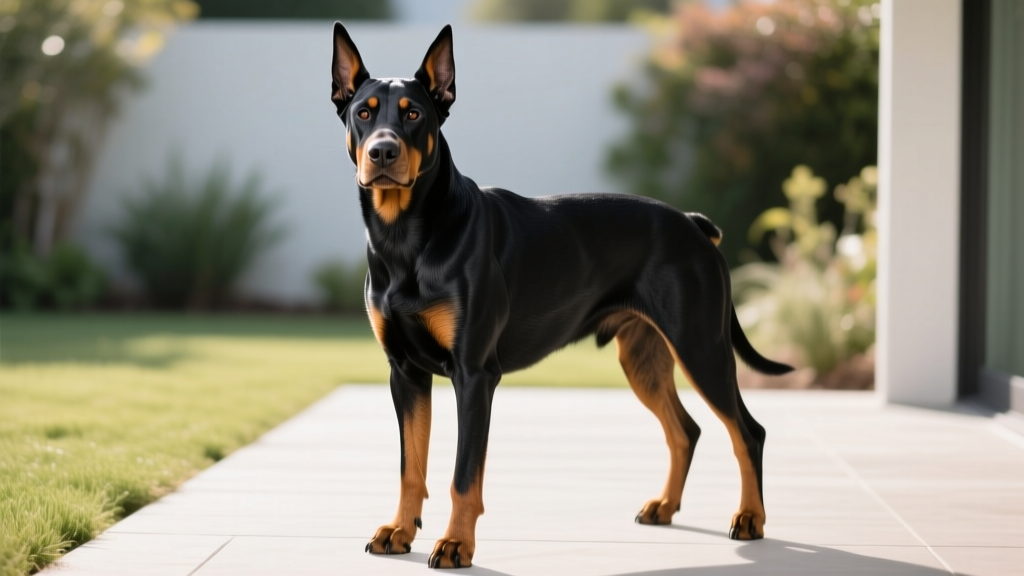
Black Mouth Cur Dog Breed: 10 Best Working Cur & Hound
Explore the black mouth cur dog breed alongside 10 similar working curs and hounds.

What Qualifies a Breed for This Working Cur & Hound List
Selection Criteria: To earn a spot on this list, each breed must meet at least four of the following five benchmarks:
- Hunting or working heritage — bred for treeing, tracking, herding, or general farm utility
- Athleticism — minimum 60 minutes of vigorous daily exercise required
- Trainability — responsive to positive reinforcement methods with proven working intelligence
- Loyalty and family bonding — strong attachment to owners with protective instincts
- Rustic health profile — generally hardy with fewer breed-specific genetic diseases than heavily line-bred purebreds
Breeds are grouped by size class (medium, large, extra-large) and ranked within each group by versatility as both working and family companion dogs. All data reflects AKC, UKC, and breed registry standards current as of 2026.
The black mouth cur dog breed anchors this list because it exemplifies what a true American working cur should be: versatile, intelligent, physically tough, and deeply bonded to its people. But it isn't the only breed in this category. Whether you're researching the black mouth cur as a potential companion or simply exploring the broader cur and hound family, understanding how these breeds stack up against each other is essential before making a commitment.
Below, you'll find 11 breeds organized into three size groups, a head-to-head comparison table, and a decision framework to help you narrow down the right match for your household.
Why the Black Mouth Cur Dog Breed Sets the Standard
1. Black Mouth Cur
Size Class: Large (40–75 lb / 18–34 kg, 16–25 in / 41–64 cm at shoulder)
Key Trait: All-purpose versatility — equally capable treeing squirrels, herding cattle, and guarding property
Profile: The black mouth cur dog breed originated in the southern United States, where frontier families needed one dog that could hunt, herd, and protect. Named for the distinctive dark pigmentation on their gums and lips, these dogs are registered primarily through the United Kennel Club (UKC) and the National Kennel Club (NKC). They're not recognized by the AKC, which means you won't find them in conformation rings — but that's by design. Cur breeders have historically prioritized working ability over appearance, producing dogs with remarkable stamina, problem-solving intelligence, and a strong off-switch at home when properly exercised.
Why it made this list: The black mouth cur is the benchmark against which other American curs are measured. It hits every single selection criterion and represents the gold standard for versatility in a working companion dog. Typical purchase price from a reputable working-line breeder ranges from $500–$1,200, with annual care costs (food, preventive medications, routine vet visits) running $1,200–$1,800.
Medium-Sized Curs and Hounds (30–55 lb / 14–25 kg)
2. Mountain Cur
Size Class: Medium (30–60 lb / 14–27 kg, 16–26 in / 41–66 cm)
Key Trait: Treeing specialist with intense prey drive and vocal communication style
Profile: Closely related to the black mouth cur but generally leaner and more vocal, the Mountain Cur was the frontier dog of the Appalachian region. They excel at treeing squirrels and raccoons and are known for their "bark and hold" technique. Mountain Curs tend to bond intensely with one person and can be aloof with strangers, making early socialization critical.
3. Stephens Stock Cur (Stephens Cur)
Size Class: Medium (35–55 lb / 16–25 kg, 16–23 in / 41–58 cm)
Key Trait: Exceptional scent-tracking ability combined with a quieter temperament than most curs
Profile: Developed by the Stephens family in Kentucky over multiple generations, this cur line is prized for its tracking ability on bobcat and bear. They tend to be slightly calmer in the home than other cur varieties, which can make them a better fit for families with children — provided exercise needs are met.
4. Treeing Tennessee Brindle
Size Class: Medium to Large (30–50 lb / 14–23 kg, 15–24 in / 38–61 cm)
Key Trait: Compact power with a distinctive brindle coat and strong treeing instinct
Profile: Recognized by the UKC, the Treeing Tennessee Brindle is a smaller-package cur with outsized working drive. They're particularly effective on raccoon and opossum. Their shorter coat requires minimal grooming, and they tend to be slightly more adaptable to suburban environments than larger curs — though they still need substantial daily activity.
Large Working Curs and Hounds (50–90 lb / 23–41 kg)
5. Catahoula Leopard Dog (Louisiana Catahoula)
Size Class: Large (50–95 lb / 23–43 kg, 20–26 in / 51–66 cm)
Key Trait: Herding specialist with striking merle/leopard coat patterns and independent decision-making
Profile: Louisiana's state dog, the Catahoula was bred to herd feral hogs in swamp terrain using a technique called "canine fencing" — surrounding and containing livestock through coordinated pack movement. They are extraordinarily intelligent but can be stubborn, requiring experienced handlers who use force-free, positive reinforcement training. Their unique "cracked glass" or heterochromatic eyes are a breed hallmark. Catahoulas need jobs; without one, they will invent their own (usually destructive) work.
6. Blue Lacy
Size Class: Large (35–65 lb / 16–29 kg, 17–25 in / 43–64 cm)
Key Trait: Texas-born all-purpose ranch dog with exceptional endurance and heat tolerance
Profile: The official state dog of Texas, the Blue Lacy was developed in the 1800s by the Lacy family for herding, hunting, and ranch work. Their distinctive blue-gray coat and lean, athletic build make them visually striking. Blue Lacys are known for their sensitivity — they respond poorly to harsh training methods and thrive under patient, reward-based handling. They excel in agility and barn hunt competitions.
7. American Leopard Hound
Size Class: Large (45–75 lb / 20–34 kg, 21–27 in / 53–69 cm)
Key Trait: One of the oldest treeing breeds in the Americas with natural agility and climbing ability
Profile: Recognized by the UKC, the American Leopard Hound is believed to descend from dogs brought by Spanish conquistadors. They are remarkably agile — known to scramble up leaning trees and navigate branches to reach prey. Their spotted or leopard-patterned coat is low-maintenance. They tend to be slightly more sociable with other dogs than some cur breeds, making them a reasonable choice for multi-dog households.
8. Plott Hound
Size Class: Large (40–75 lb / 18–34 kg, 20–27 in / 51–69 cm)
Key Trait: Brindle-coated bear and boar specialist with legendary tenacity and courage
Profile: North Carolina's state dog, the Plott Hound was developed by the Plott family for hunting bear and wild boar. Unlike most curs and hounds that tree prey, Plotts are "strike dogs" — they pursue, catch, and hold large game. This makes them physically powerful and mentally tough. In the home, they're loyal and affectionate but can be dog-aggressive if not properly socialized. The AKC recognizes the Plott Hound in the Hound Group.
Extra-Large Curs and Hounds (75–120+ lb / 34–54+ kg)
9. Black and Tan Coonhound
Size Class: Extra-Large (50–110 lb / 23–50 kg, 23–27 in / 58–69 cm)
Key Trait: Cold-nose tracker capable of following hours-old scent trails over miles of terrain
Profile: The Black and Tan Coonhound is a specialized scent hound that works primarily at night tracking raccoon. They have one of the most powerful noses in the hound world and are known for their melodious bay. In the home, they are gentle and somewhat lazy — but their nose rules their brain. Off-leash reliability is extremely difficult to achieve, so fenced yards are mandatory.
10. Redbone Coonhound
Size Class: Extra-Large (45–85 lb / 20–39 kg, 21–27 in / 53–69 cm)
Key Trait: Fastest of the coonhound breeds with a sleek, red coat and strong swimming ability
Profile: The Redbone was bred for speed and versatility — capable of tracking on land and pursuing prey into water. Their striking mahogany-red coat and lean build set them apart visually from other coonhounds. They tend to be more energetic and high-strung than Black and Tans, requiring more structured exercise. The AKC recognizes the breed in the Hound Group.
11. Rhodesian Ridgeback
Size Class: Extra-Large (65–90 lb / 29–41 kg, 24–27 in / 61–69 cm)
Key Trait: African lion-hunting heritage with silent tracking style and distinctive dorsal ridge
Profile: While not an American cur, the Rhodesian Ridgeback shares the working-hound DNA that makes this list relevant. Bred to track and hold lions (not kill them), they are silent hunters — unlike the vocal American hounds. They're powerful, fast, and independent-minded. Ridgebacks require firm but fair handling and extensive socialization. Their short coat and clean habits make them surprisingly good house dogs when exercised adequately.
Head-to-Head: How All 11 Breeds Compare
| Breed | Weight (lb / kg) | Exercise (min/day) | Vocal Level | Family Fit | Purchase Cost |
|---|---|---|---|---|---|
| Black Mouth Cur | 40–75 / 18–34 | 60–90 | Moderate | Good (experienced homes) | $500–$1,200 |
| Mountain Cur | 30–60 / 14–27 | 60–90 | High | Moderate | $400–$1,000 |
| Stephens Stock Cur | 35–55 / 16–25 | 60 | Moderate | Good | $500–$1,000 |
| Treeing Tennessee Brindle | 30–50 / 14–23 | 60 | High | Good | $400–$800 |
| Catahoula Leopard Dog | 50–95 / 23–43 | 90–120 | Moderate | Moderate (active homes) | $600–$1,500 |
| Blue Lacy | 35–65 / 16–29 | 60–90 | Low–Moderate | Good | $500–$1,200 |
| American Leopard Hound | 45–75 / 20–34 | 60–90 | Moderate | Good | $500–$1,000 |
| Plott Hound | 40–75 / 18–34 | 60–90 | Moderate–High | Moderate | $400–$1,000 |
| Black and Tan Coonhound | 50–110 / 23–50 | 45–60 | High (baying) | Good (space required) | $300–$800 |
| Redbone Coonhound | 45–85 / 20–39 | 60–90 | High (baying) | Moderate | $400–$1,000 |
| Rhodesian Ridgeback | 65–90 / 29–41 | 60–90 | Low (silent hunter) | Good (experienced homes) | $1,500–$3,000 |
Decision Framework: Choosing Between the Top 3
If you've narrowed your search to the black mouth cur, Catahoula Leopard Dog, and Blue Lacy — the three most versatile all-around breeds on this list — here's how to make your final decision based on your specific lifestyle factors.
- Step 1 — Assess your property:
- If you have 5+ acres with fencing → Any of the three will thrive. Proceed to Step 2.
- If you have 1–5 acres with a secure fence → Blue Lacy or Black Mouth Cur (Catahoulas need more space to roam).
- If you have less than 1 acre or live in a suburban setting → Reconsider all three; these are rural working breeds. If committed, the Blue Lacy adapts best to smaller properties with structured exercise.
- Step 2 — Evaluate your experience level:
- First-time dog owner → Blue Lacy (most sensitive and responsive to gentle training)
- Some working-dog experience → Black Mouth Cur (forgiving of handler mistakes, adaptable)
- Experienced handler with herding/working breed background → Catahoula Leopard Dog (requires confident leadership)
- Step 3 — Consider your household composition:
- Children under 10 in the home → Blue Lacy or a well-socialized Black Mouth Cur (Catahoulas can be mouthy and may try to herd small children)
- Other dogs in the household → American Leopard Hound or Black Mouth Cur (Catahoulas and Plotts can be same-sex aggressive)
- Cats or small pets → None of these breeds are reliably safe with small animals due to prey drive. If you must, the Stephens Stock Cur tends to have the lowest prey drive of the group, but supervise always.
- Step 4 — Define your primary purpose:
- Hunting companion (treeing game) → Black Mouth Cur or Mountain Cur
- Hunting companion (tracking/trailing) → Black and Tan Coonhound or Redbone
- Herding and livestock management → Catahoula Leopard Dog or Blue Lacy
- Active family companion (no working purpose) → Blue Lacy or Stephens Stock Cur
Honorable Mentions and Breeds to Approach With Caution
Honorable Mentions
- Kemmer Stock Cur: A smaller, squirrel-hunting specialist cur line that deserves recognition for its focus and agility. Not widely available outside the Southeast.
- Bluetick Coonhound: A striking, muscular hound with excellent cold-nose tracking ability. AKC-recognized. Slightly more laid-back at home than the Redbone.
- Boykin Spaniel: Not a cur, but a versatile American hunting dog that bridges the gap between flushing spaniel and water retriever. Worth considering if you want a smaller (25–40 lb) hunting companion.
Breeds to Approach With Caution for This Criteria
- Argentine Dogo: Bred for big-game hunting but carries significant breed-specific legislation (BSL) risk in many US jurisdictions. Check your local laws before considering. Powerful, requires expert handling.
- American Pit Bull Terrier (working/cur crosses): Some cur lines have been crossed with pit bull-type breeds. These dogs can be excellent workers but may face BSL restrictions, insurance complications, and housing challenges. Research your local regulations thoroughly.
- Any cur or hound from an unverified breeder: Working breeds sold without health clearances (OFA/PennHIP hip evaluations, eye certifications) or without evidence of working-line temperament testing are a gamble. Reputable cur breeders will provide references, health guarantees, and take-back clauses. Always ask.
Health, Costs, and Practical Ownership Realities
Working curs and hounds are generally hardier than many purebred dogs thanks to their broader gene pools and selection for function over form. However, they are not immune to health issues.
Common health concerns across this breed group include:
- Hip dysplasia: Prevalence varies by breed, estimated at 5–15% in working curs. Request OFA or PennHIP certification from breeders.
- Ear infections: Floppy-eared hounds (coonhounds, Plotts) are prone to chronic otitis. Budget for regular ear cleaning and expect 1–2 vet visits per year for ear issues ($75–$150 per visit).
- Tick-borne diseases: Working dogs in wooded areas are at high risk for Lyme, Ehrlichia, and Anaplasma. Year-round preventive medication (e.g., Simparica Trio, NexGard) costs $150–$250 annually.
- Traumatic injuries: Hunting and working dogs face lacerations, pad injuries, and snake bites. A canine first-aid kit ($40–$80) and pet insurance ($30–$70/month) are strongly recommended.
Annual cost estimates for a working cur or hound (2026 pricing):
- High-quality kibble (22–28% protein, AAFCO complete & balanced): $400–$700/year
- Routine veterinary care (vaccines, heartworm test, fecal exam): $250–$450/year
- Preventive medications (flea/tick, heartworm): $150–$300/year
- Training (group classes or private sessions for foundational skills): $200–$600 first year
- Insurance (accident and illness policy): $360–$840/year
Total estimated first-year cost: $2,000–$4,500 (including purchase price, supplies, and initial veterinary care)
Always consult your veterinarian to develop a preventive care plan tailored to your dog's specific breed, age, and working environment.
Frequently Asked Questions
What are the best working cur and hound dog breeds?
The best working cur and hound breeds for versatile family and field use include the Black Mouth Cur, Catahoula Leopard Dog, Blue Lacy, Mountain Cur, and Plott Hound. The right choice depends on your property size, experience level, and whether you need a treeing dog, tracking dog, or herding dog.
Why is the black mouth cur dog breed on this list?
The black mouth cur anchors this list because it meets every selection criterion: hunting versatility, athleticism, trainability, family loyalty, and rustic health. It's the benchmark American working cur and the most well-rounded breed in the category for owners who want one dog that can do it all.
How do these breeds compare on key attributes?
The comparison table above breaks down weight, exercise needs, vocal level, family fit, and purchase cost for all 11 breeds. Key takeaway: coonhounds are the most vocal, Catahoulas need the most exercise, Blue Lacys are the most sensitive to training methods, and the Rhodesian Ridgeback is the most expensive to acquire.
Which breed should I choose for my specific situation?
Use the decision framework above. In short: active rural families with children do best with a Blue Lacy or well-socialized Black Mouth Cur. Solo hunters wanting a treeing dog should look at the Black Mouth Cur or Mountain Cur. Experienced handlers with large property who want a herding specialist should consider the Catahoula. Apartment dwellers should look outside this breed group entirely.
Are black mouth curs good family dogs?
Yes, with conditions. Black mouth curs are loyal and protective of their families, including children they're raised with. However, they need substantial daily exercise (60–90 minutes minimum), early and ongoing socialization, and positive reinforcement training. Without adequate outlets, they can become destructive or develop behavioral problems. They are not a breed for casual or sedentary owners.
Where can I find a reputable black mouth cur breeder?
Start with the UKC breeder directory or the NKC registry. Reputable cur breeders will provide health clearances (hip and eye evaluations), references from previous buyers, a written contract with a take-back clause, and evidence that their breeding dogs actively work (hunt tests, herding trials, or farm work). Avoid breeders who sell puppies without meeting you in person or who cannot describe the working ability of the sire and dam. Adoption through cur-specific rescues like Cur Rescues of America is also a viable option.
Aaron Whyte
All our authors care for dogs every day — read more of their work on the authors page.