Doberman Rottweiler Mix: Complete Rotterman Breed Guide
Everything about the Doberman Rottweiler mix (Rotterman): size, temperament, health risks, exercise needs, training tips, and 2026 ownership costs.
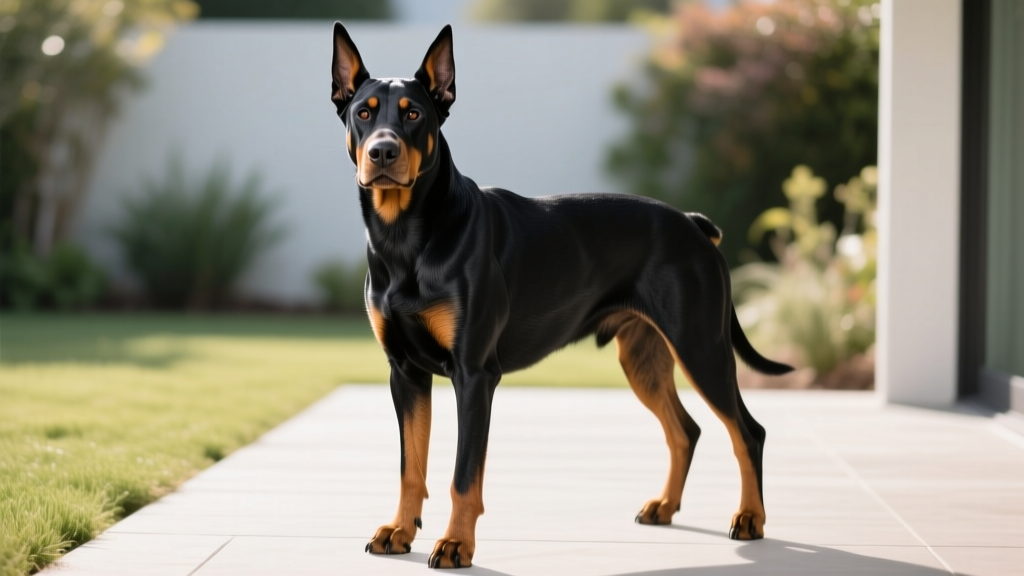
The Doberman Rottweiler mix — commonly called the Rotterman — is a designer crossbreed that blends two of the most iconic working breeds in the world. With the Doberman Pinscher's sleek athleticism and the Rottweiler's stocky power, this hybrid produces a dog that is physically imposing, intellectually sharp, and deeply bonded to its family. But combining two strong-willed guardian breeds is not a decision to take lightly. This guide breaks down exactly what you need to know about the Doberman Rottweiler mix before bringing one home.
Breed Overview: What Is a Doberman Rottweiler Mix?
The Rotterman is a first-generation (F1) or multigen designer cross between a purebred Doberman Pinscher and a purebred Rottweiler. Unlike breeds recognized by the American Kennel Club (AKC), the Rotterman does not have an official breed standard, which means individual puppies can lean heavily toward one parent or land somewhere in between. Most Rottermans fall into the large to giant size class, with a working-drive temperament inherited from both parent breeds.
Both parent breeds originated in Germany: the Doberman was developed in the late 1800s in Apolda by tax collector Karl Friedrich Louis Dobermann as a personal protection dog, while the Rottweiler traces back to Roman drover dogs used in the town of Rottweil for herding cattle and pulling carts. When crossed, the resulting puppies typically carry the protective instinct, intelligence, and loyalty that made both breeds legendary working companions.
| Size Class | Large to Giant |
|---|---|
| Weight | 70–130 lb (32–59 kg) |
| Height | 22–27 in (56–69 cm) at the shoulder |
| Lifespan | 9–12 years |
| Coat Type | Short, dense, single or double coat |
| Energy Level | High (60–90+ minutes/day) |
| Grooming | Low — weekly brushing |
| Trainability | High — responds to structured positive reinforcement |
| Family Fit | Experienced households; supervision with young children |
Physical Characteristics: Size, Build, and Appearance
Because the Rotterman is a mixed breed, physical traits vary depending on which parent the puppy favors. Here is what you can generally expect:
- Weight range: 70–130 lb (32–59 kg). Females tend toward 70–100 lb (32–45 kg); males typically reach 90–130 lb (41–59 kg).
- Height range: 22–27 inches (56–69 cm) at the withers.
- Build: Most Rottermans inherit a muscular, broad-chested frame. Puppies leaning toward the Rottweiler parent are stockier and heavier-boned; those favoring the Doberman are leaner and more angular.
- Head shape: Mesaticephalic (medium-proportioned skull). Expect a broad muzzle with strong jaw definition. Some individuals inherit the Doberman's narrower, more wedge-shaped head.
- Coat: Short, smooth, and dense. Common colors include black with tan or rust markings (the classic "black-and-tan" pattern both breeds share), mahogany, and occasionally brown or brindle. Shedding is moderate year-round with seasonal increases.
- Ears and tail: Natural ears are typically floppy or semi-erect. Tails may be full-length and slightly curved. Ear cropping and tail docking are elective cosmetic procedures — the AVMA opposes both for non-working dogs.
A useful rule of thumb: a puppy's adult weight can be roughly estimated by doubling its weight at 16 weeks, though large breeds mature slowly and may not reach full size until 18–24 months.
Temperament & Personality: Five Core Traits
The Rotterman inherits behavioral tendencies from two of the most trainable and protective breeds in existence. Here are the five traits owners consistently report:
1. Intense family loyalty. Rottermans tend to form a deep attachment to one or two primary handlers. They follow their person from room to room, lean against legs for contact, and position themselves between their owner and unfamiliar people. This is not aloofness — it is a working breed's instinct to stay close and monitor.
2. High alertness and watchdog ability. Expect your Rotterman to bark at delivery drivers, unfamiliar sounds, and approaching strangers. This is controlled alerting, not nuisance barking, when the dog is properly socialized. Both parent breeds score high on the AKC's watchdog criteria, and the mix amplifies this trait.
3. Confidence with a thinking streak. Rottermans are not passive dogs that blindly obey. They assess situations before responding, which can look like stubbornness to inexperienced owners. In reality, the dog is processing whether a command makes sense — a hallmark of high canine intelligence.
4. Playfulness within the family. Behind closed doors, many Rottermans are surprisingly goofy. They enjoy tug-of-war, chase games in the yard, and will happily carry a toy around the house. This playful side emerges once the dog feels secure in its environment.
5. Reserved with strangers. A well-socialized Rotterman will be polite but not gregarious with new people. Expect a period of observation before the dog warms up. Poorly socialized individuals may display fear-based reactivity, which is why early exposure is non-negotiable for this mix.
Exercise & Activity Needs: 60–90+ Minutes Daily
Both the Doberman and the Rottweiler are working breeds with significant stamina. The Rotterman needs structured physical and mental exercise to remain balanced. A dog that receives insufficient activity will develop destructive behaviors — chewing furniture, digging, excessive barking, or escape attempts.
| Activity Type | Duration | Notes |
|---|---|---|
| Morning brisk walk or jog | 30–40 minutes | On-leash; practice loose-leash walking. Jogging suitable for dogs over 18 months (growth plates closed). |
| Afternoon structured play | 20–30 minutes | Fetch, flirt pole, tug-of-war, or agility drills in a fenced yard. |
| Evening training session | 10–15 minutes | Obedience refreshers, trick training, or scent work. Mental exercise burns energy as effectively as physical. |
| Weekend long outing | 60–90 minutes | Hiking, swimming (many Rottermans enjoy water), or urban exploration for novel stimuli. |
Puppy exercise caution: For Rotterman puppies under 12 months, follow the "5 minutes per month of age" rule for structured walks. A 4-month-old puppy should have no more than 20 minutes of leash walking per session. Free play in a yard is safer for developing joints. High-impact activities like jumping, long-distance running, and repetitive stair climbing should wait until the dog is fully mature (18–24 months) to protect growing growth plates.
Common Health Issues in the Doberman Rottweiler Mix
While crossbreeding can offer some hybrid vigor — the theory that mixed breeds have reduced risk of recessive genetic diseases — the Rotterman is still susceptible to conditions common in both parent breeds. Any responsible breeding program should screen parent dogs through the Orthopedic Foundation for Animals (OFA) or equivalent health registries.
| Condition | Description | Estimated Prevalence in Parent Breeds | Screening / Prevention |
|---|---|---|---|
| Dilated Cardiomyopathy (DCM) | Progressive heart muscle weakness leading to heart failure. Dobermans are disproportionately affected. | Up to 58% of Dobermans develop DCM in their lifetime (per veterinary cardiology studies) | Annual echocardiogram + Holter monitor starting at age 2. Early detection with pimobendan can extend life by 1–3 years. |
| Hip Dysplasia | Malformation of the hip joint causing arthritis and pain. | ~20% of Rottweilers, ~6% of Dobermans (OFA data) | OFA or PennHIP evaluation of parent dogs. Maintain lean body condition score (BCS 4–5/9). Avoid high-impact exercise in puppyhood. |
| Wobbler Syndrome (Cervical Vertebral Instability) | Spinal cord compression in the neck causing gait abnormalities and weakness. | Dobermans: ~5% lifetime risk. Rottweilers also predisposed. | No genetic test available. MRI diagnosis. Surgical or conservative management depending on severity. |
| Gastric Dilatation-Volvulus (GDV / Bloat) | Life-threatening stomach torsion. Deep-chested breeds are at highest risk. | Both breeds are high-risk. GDV mortality rate: 10–30% even with surgery. | Prophylactic gastropexy during spay/neuter. Feed 2–3 smaller meals daily. Avoid exercise 1 hour before/after eating. Know emergency signs: distended abdomen, retching without vomiting, restlessness. |
| Hypothyroidism | Underactive thyroid causing weight gain, lethargy, and coat thinning. | ~5–10% across both breeds | Annual thyroid panel (T4, free T4, TSH). Managed with daily levothyroxine — inexpensive and effective. |
When to see the vet immediately: If your Rotterman shows a distended abdomen, unproductive retching, collapse, pale gums, or sudden hind-limb weakness, go to an emergency veterinary clinic. GDV and acute cardiac events are time-critical — minutes matter.
Always consult your veterinarian to establish a breed-appropriate screening schedule for your individual dog. Early detection of DCM, in particular, significantly changes the prognosis.
Grooming Requirements: Low-Maintenance Coat Care
The Rotterman's short coat is one of its easiest traits to manage. Here is a practical grooming schedule:
- Brushing: Once per week with a rubber curry brush (e.g., Kong ZoomGroom, ~$8–$12) or a bristle brush. This removes loose hair and distributes natural skin oils. Increase to 2–3 times per week during spring and fall shedding seasons.
- Bathing: Every 6–8 weeks, or as needed. Use a dog-specific shampoo with a neutral pH (6.5–7.5). Over-bathing strips the coat's natural oils and can cause dry, flaky skin.
- Nail trimming: Every 3–4 weeks. Overgrown nails alter gait and can contribute to joint stress — especially important for a large breed prone to hip dysplasia. Use a guillotine or scissor-style clipper; if nails are black and the quick is not visible, trim 1–2 mm at a time.
- Ear cleaning: Every 2–4 weeks with a veterinarian-recommended ear cleanser. Floppy-eared Rottermans are more prone to moisture buildup and yeast infections.
- Dental care: Daily brushing with enzymatic dog toothpaste is ideal. At minimum, brush 3 times per week. Add VOHC-approved dental chews (e.g., Greenies, Virbac C.E.T.) as a supplement — these reduce tartar by approximately 30–40%.
Training & Intelligence: Structured Positive Reinforcement Works Best
Both parent breeds rank among the most intelligent dogs in canine cognition studies. The Doberman consistently places in the top 5 on Stanley Coren's working/obedience intelligence rankings, while the Rottweiler ranks 9th. The Rotterman inherits exceptional trainability — but also a strong will.
Recommended methods: Positive reinforcement (reward-based training using food, toys, or praise) is the only approach that builds reliable obedience without damaging the trust between you and a powerful guardian breed. Force-free, LIMA (Least Intrusive, Minimally Aversive) methods produce dogs that work with you rather than comply out of fear.
What to avoid: Shock collars, prong collars, alpha rolls, and dominance-based techniques. These methods increase fear and aggression in predisposed breeds. A 2020 study published in PLOS ONE found that dogs trained with aversive methods showed significantly more stress behaviors and were more likely to display aggression toward strangers.
Key training milestones:
- 8–16 weeks: Foundation socialization — expose the puppy to 100+ novel people, surfaces, sounds, and environments. Enroll in a force-free puppy kindergarten class.
- 4–6 months: Basic obedience (sit, down, stay, recall, loose-leash walking). Keep sessions under 10 minutes to match puppy attention span.
- 6–12 months: Adolescent impulse control work — "leave it," "wait" at doors, settling on a mat. This is when many owners report testing behavior; consistency is critical.
- 12–18 months: Advanced obedience, sport introduction (agility, rally, nosework, protection sports like IGP if desired), and Canine Good Citizen (CGC) certification through the AKC.
Family Suitability: Kids, Other Pets, and Living Arrangements
With children: A well-socialized Rotterman raised alongside children is typically gentle and protective. However, due to the dog's large size (a 110-lb dog can easily knock over a toddler) and the breed's tendency to "herd" running children, supervision is mandatory for kids under 8. Teach children never to approach the dog while eating, sleeping, or chewing a toy. Resource guarding can emerge in any breed and should be addressed with a certified behaviorist (IAABC or CCPDT-certified) at the first sign.
With other pets: Rottermans can coexist with other dogs, especially if raised together from puppyhood. Same-sex aggression is more common in both parent breeds, so opposite-sex pairings tend to work better. Small animals (cats, rabbits, rodents) trigger the prey drive in some individuals — early and ongoing exposure is essential, but some Rottermans will never be fully trustworthy with small pets. This is a breed-level tendency, not a training failure.
Apartment living: Technically possible but not ideal. A Rotterman can adapt to apartment life if it receives its full 60–90 minutes of daily exercise and mental stimulation. However, the breed's alertness means it will bark at hallway noises, and its size makes it a challenging tenant in buildings with weight restrictions. A house with a securely fenced yard (minimum 5-foot fence — Rottermans can jump 4-foot fences when motivated) is the better fit.
Pros of the Doberman Rottweiler Mix
- Extremely loyal and protective of family
- Highly trainable — excels in obedience and dog sports
- Low grooming maintenance
- Athletic and versatile exercise partner
- Intelligent problem-solver with strong work ethic
Cons of the Doberman Rottweiler Mix
- Not recommended for first-time owners
- Requires 60–90+ minutes of daily exercise
- Prone to serious health conditions (DCM, GDV, hip dysplasia)
- Can be reactive with unfamiliar dogs and strangers without proper socialization
- Large size and strength demand experienced handling
- May be subject to breed-specific legislation (BSL) in some jurisdictions
Cost of Ownership: Puppy Price and Annual Expenses
Owning a Rotterman is a significant financial commitment. Here is a realistic cost breakdown for 2026:
| Expense Category | Estimated Cost | Frequency |
|---|---|---|
| Puppy from a responsible breeder (health-tested parents) | $1,500–$3,500 | One-time |
| Adoption from breed-specific rescue | $300–$600 | One-time |
| Initial veterinary setup (vaccines, microchip, spay/neuter, gastropexy) | $800–$1,800 | First year |
| High-quality large-breed food (e.g., Purina Pro Plan Large Breed, Royal Canin Giant) | $60–$120/month | Ongoing |
| Annual wellness exams + cardiac screening (echocardiogram, Holter) | $400–$900/year | Annual (increases with age) |
| Heartworm/flea/tick prevention (e.g., Simparica Trio, Heartgard Plus) | $200–$350/year | Annual |
| Pet insurance (large breed, accident + illness) | $70–$130/month | Monthly |
| Training classes (group + private sessions) | $300–$1,200 | First year; ongoing as needed |
| Supplies (crate, leash, harness, bed, toys) | $300–$600 | Initial + replacement |
Estimated first-year total: $4,500–$9,000 (including puppy purchase). Estimated annual cost after year one: $2,500–$5,000. Emergency veterinary care for GDV surgery alone can cost $3,000–$7,000, which is why pet insurance or a dedicated emergency fund is strongly recommended for this mix.
Adoption note: Rottermans and similar mixes appear in breed-specific rescues such as the Doberman Pinscher Club of America Rescue and various Rottweiler rescue networks. Adopting an adult dog gives you the advantage of a known temperament and often includes initial veterinary care. Both adoption and purchasing from a responsible breeder (one who performs OFA health testing, provides a take-back clause, and raises puppies with early neurological stimulation) are valid paths.
Frequently Asked Questions
Is the Doberman Rottweiler mix right for first-time owners?
Generally, no. The Rotterman combines two powerful, strong-willed guardian breeds that require confident, experienced handling and a commitment to ongoing training and socialization. First-time owners who are determined to pursue this mix should invest heavily in professional training support (a minimum of 6–12 months of weekly sessions with a certified force-free trainer) and join breed-specific mentorship groups. If you are a first-time owner, consider starting with a more forgiving breed and working your way up.
How much exercise does a Rotterman need daily?
A minimum of 60 minutes, with 90 minutes being ideal for most adults. This should include a mix of aerobic exercise (brisk walking, jogging, fetch) and mental stimulation (training sessions, puzzle toys, scent work). Puppies under 12 months need shorter, more frequent play sessions to protect developing joints.
What health problems is the Rotterman prone to?
The most significant risks are dilated cardiomyopathy (DCM, particularly from the Doberman side), hip dysplasia, gastric dilatation-volvulus (bloat), Wobbler syndrome, and hypothyroidism. Annual cardiac screening starting at age 2 and maintaining a lean body condition are the two most impactful preventive steps you can take.
How big does a Doberman Rottweiler mix get?
Adult males typically weigh 90–130 lb (41–59 kg) and stand 24–27 inches (61–69 cm) at the shoulder. Females are smaller, usually 70–100 lb (32–45 kg) and 22–25 inches (56–64 cm). Some individuals may fall outside these ranges depending on which parent they favor genetically.
Is the Rotterman good with children and other pets?
With proper socialization and supervision, yes — Rottermans can be excellent family dogs. Their large size means young children should always be supervised during interactions. With other dogs, opposite-sex pairings work best. Small pets may trigger prey drive in some individuals, making early exposure critical but not always sufficient.
How much does a Doberman Rottweiler mix cost to buy and maintain?
Expect to pay $1,500–$3,500 for a puppy from a responsible breeder, or $300–$600 through a breed rescue. Annual maintenance costs range from $2,500–$5,000, including food, veterinary care (with cardiac screening), insurance, and supplies. The first year is the most expensive at $4,500–$9,000 total.
Is the Rotterman affected by breed-specific legislation (BSL)?
Possibly. While the Rotterman itself is not a named breed in most BSL ordinances, the Rottweiler parent breed is restricted or banned in some municipalities, housing complexes, and insurance policies. Check your local regulations and your homeowner's or renter's insurance policy before committing to this mix.
This article is for informational purposes and does not replace professional veterinary advice. Always consult your veterinarian for health screening, dietary planning, and treatment decisions specific to your dog.
Tom Renshaw
All our authors care for dogs every day — read more of their work on the authors page.


