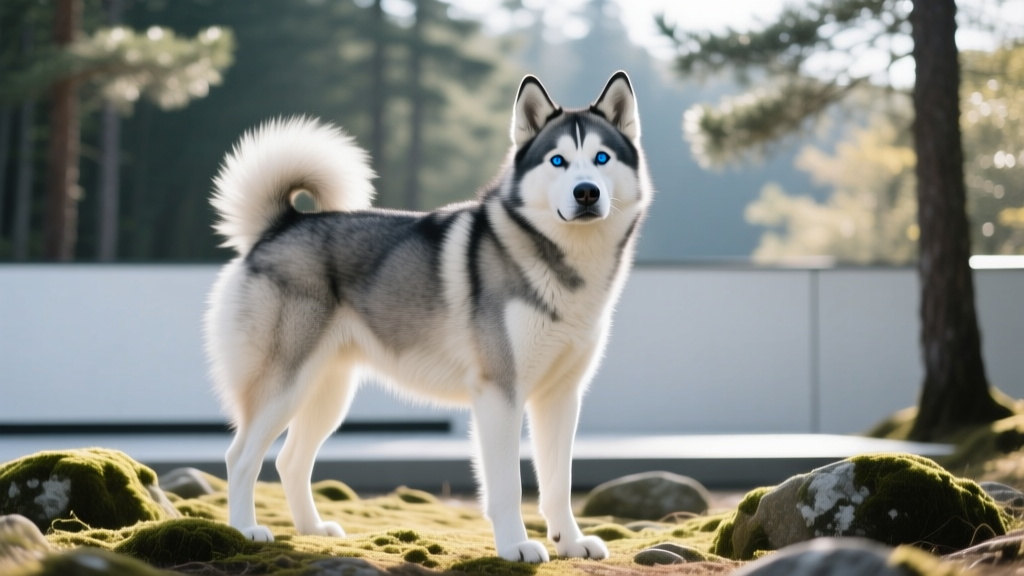
Black and Red German Shepherd
Everything you need to know about the black and red German Shepherd — temperament, health risks, exercise needs, grooming, and true ownership costs.

Breed Overview: The Black and Red German Shepherd at a Glance
The black and red German Shepherd is not a separate breed — it is one of the most striking and sought-after color variations of the German Shepherd Dog (GSD), recognized by the American Kennel Club as a standard coat color. This variation features a deep, rich mahogany or rust-red saddle across the back and sides, contrasted by jet-black markings on the face, legs, and underside.
Originating in Germany in the late 1800s, the breed was developed by Captain Max von Stephanitz, who founded the Verein für Deutsche Schäferhunde (SV) in 1899. His goal was to create the ultimate herding and working dog — intelligent, athletic, and versatile. The black and red coloration has been present since the breed's earliest days and appears frequently in West German show lines, particularly those bred for conformation rather than purely working ability.
Today, the German Shepherd consistently ranks among the top 5 most popular breeds in the United States according to AKC registration data, and the black and red variety commands particular attention in both the show ring and as a family companion.
| Attribute | Details |
|---|---|
| Size Class | Large |
| Weight (Male) | 65–90 lb / 29–41 kg |
| Weight (Female) | 50–70 lb / 23–32 kg |
| Height (Male) | 24–26 in / 61–66 cm at the withers |
| Height (Female) | 22–24 in / 56–61 cm at the withers |
| Lifespan | 9–13 years (median ~11 years) |
| Coat Type | Double coat; medium or long |
| Energy Level | High |
| Grooming Needs | Moderate to High (3–5 times/week) |
| AKC Group | Herding |
| Recognized Color | Yes — AKC breed standard accepted |
Temperament & Personality: What Living With One Is Really Like
German Shepherds are not generic "loyal dogs." Their temperament is specific, intense, and shaped by decades of selective breeding for working partnership with humans. Here are the core traits you will encounter daily with a black and red GSD:
1. Bonded Loyalty (Velcro-Dog Tendency)
A black and red GSD typically forms a primary attachment to one person in the household. This is not casual friendliness — it is a working-dog bond. Expect your dog to follow you room to room, position themselves between you and strangers at the door, and become visibly stressed if separated from you for long periods. In my experience working with GSD owners, separation anxiety is one of the most common behavioral referrals for this breed, particularly in dogs left alone more than 6 hours daily.
2. Alertness Without Constant Aggression
Well-bred GSDs from reputable lines are confident, not reactive. They will bark to alert you to a delivery driver or unfamiliar sound, but they settle once they assess the situation. Dogs from poorly bred lines — particularly those bred for protection sports without temperament testing — may display fear-based reactivity, lunging at strangers or other dogs on leash. This is a breeding problem, not a breed trait.
3. High Problem-Solving Drive
Your black and red GSD will learn to open doors, unlatch gates, and figure out puzzle feeders within days. This intelligence means they get bored fast. A GSD without mental stimulation will create its own entertainment — which usually involves destructive chewing, digging, or obsessive behaviors like shadow-chasing or tail-spinning.
4. Herding Instinct
Even without sheep in sight, many GSDs will attempt to herd children, cats, or bicycles by nipping at heels or body-blocking movement. This is hardwired behavior, not disobedience, and it requires redirection rather than punishment.
5. Reserved With Strangers
Unlike a Labrador Retriever who greets everyone as a potential friend, a properly socialized GSD is politely aloof with unfamiliar people. They observe before engaging. This is normal and desirable — a GSD that is overly friendly to strangers deviates from breed character.
Physical Characteristics: Size, Coat, and the Signature Coloring
The black and red coloration is produced by specific alleles at the Agouti (A) locus — typically the at (tan points) allele combined with intensity modifiers that deepen the tan to a rich red. The result is a dog with a black "saddle" pattern over the back, black mask on the face, and deep red-to-mahogany on the legs, chest, and underbody.
Weight and Build: Adult males typically weigh 65–90 lb (29–41 kg) and stand 24–26 inches (61–66 cm) at the shoulder. Females are noticeably smaller at 50–70 lb (23–32 kg) and 22–24 inches (56–61 cm). West German show-line dogs — where the black and red color is most prevalent — tend to have a more angled hindquarter and slightly heavier bone structure compared to American show lines or Czech working lines.
Coat: The standard GSD double coat consists of a dense, harsh outer coat and a thick, soft undercoat. The medium-length variety is most common, with hair approximately 1–2 inches along the body and longer feathering on the neck (ruff), back of the legs, and tail. A long-coat variant exists (recognized by the AKC since 2010) but is less common in black and red lines.
Shedding: Expect year-round moderate shedding with two intense "coat blow" periods per year (typically spring and fall) lasting 2–4 weeks each, during which the undercoat sheds in clumps. During these periods, daily brushing is non-negotiable.
Exercise & Activity Requirements: Specific Daily Needs
Vague advice like "needs lots of exercise" doesn't help you plan your day. Here is what a healthy adult black and red German Shepherd actually requires:
| Activity Type | Duration | Frequency | Notes |
|---|---|---|---|
| Structured walk (leash) | 30–45 min | 2x daily | Brisk pace; allow sniffing for mental enrichment |
| Off-leash free running | 20–40 min | Daily (fenced area) | Fetch, flirt pole, or free play |
| Mental stimulation | 15–30 min | Daily | Puzzle toys, scent work, obedience drills, trick training |
| Structured sport/activity | 30–60 min | 2–3x weekly | Agility, IPO/IGP, rally obedience, herding, tracking |
Total minimum: 90–120 minutes of combined physical and mental activity per day.
For puppies under 18 months, exercise should follow the "5 minutes per month of age" guideline for structured walks — so a 4-month-old puppy gets approximately 20 minutes of leash walking per session. Free play in a yard is unrestricted. Avoid forced running (jogging, biking) until growth plates close, typically around 18–24 months, to reduce the risk of joint damage.
What happens if exercise needs aren't met? Under-exercised GSDs commonly develop destructive behaviors (chewing furniture, digging holes), excessive barking, pacing, and in severe cases, compulsive disorders like flank sucking or tail chasing. These are not "bad dog" problems — they are unmet-needs problems.
Health Risks: Conditions This Breed Is Prone To
The German Shepherd breed carries several well-documented genetic predispositions. Responsible breeders screen for these through the Orthopedic Foundation for Animals (OFA) and other health registries. Always ask for proof of health testing before purchasing a puppy.
| Condition | Prevalence | Onset | Screening/Test | Estimated Treatment Cost |
|---|---|---|---|---|
| Hip Dysplasia | ~19% of GSDs (OFA data) | 6–24 months (signs); progressive | OFA/PennHIP x-ray at 24 months | $1,500–$7,000 (surgical) |
| Elbow Dysplasia | ~15% of GSDs | 4–10 months | OFA elbow x-ray | $1,500–$4,000 (surgical) |
| Degenerative Myelopathy (DM) | ~38% carrier rate | 8–14 years | DNA test (SOD1 gene) | No cure; supportive care $200–$500/month |
| Gastric Dilatation-Volvulus (Bloat) | GSDs are 2nd most at-risk breed | Any age; peak 4–7 years | No screening; preventive gastropexy available | $2,000–$7,000 (emergency surgery) |
| Exocrine Pancreatic Insufficiency (EPI) | GSDs account for ~70% of cases | 1–5 years | TLI blood test | $50–$150/month (enzyme supplements for life) |
Preventive steps you can take:
- Feed 2–3 smaller meals per day rather than one large meal (reduces bloat risk)
- Use a slow-feeder bowl to prevent rapid eating
- Avoid exercise for 60 minutes before and after meals
- Maintain lean body condition (BCS 4–5 out of 9) — excess weight worsens hip and elbow dysplasia
- Discuss prophylactic gastropexy with your veterinarian if you have a high-risk dog; this can be done during spay/neuter surgery
Always consult your veterinarian for breed-specific health screening schedules and any concerns about your dog's development or behavior.
Grooming Requirements: Tools, Frequency, and Coat-Blow Season Strategy
The black and red GSD's double coat is functional — it insulates against both heat and cold, repels moisture, and protects skin from brush and debris. Shaving a GSD is never appropriate; it destroys the coat's insulating properties and can cause permanent texture changes.
| Task | Frequency | Tools Needed |
|---|---|---|
| Brushing (routine) | 3–4 times per week | Undercoat rake (e.g., Furminator Large Short Hair), slicker brush |
| Brushing (coat-blow season) | Daily for 2–4 weeks | Undercoat rake, high-velocity dryer (e.g., MetroVac Air Force Commander) |
| Bathing | Every 6–8 weeks (or as needed) | Oatmeal-based canine shampoo; conditioner for long-coat variety |
| Nail trimming | Every 2–3 weeks | Guillotine or scissor-style clipper; styptic powder |
| Ear cleaning | Weekly | Veterinary ear cleanser (e.g., Epi-Otic Advanced); cotton balls |
| Teeth brushing | Daily or minimum 3x/week | Canine enzymatic toothpaste (e.g., C.E.T. Poultry flavor); finger brush |
Pro tip for coat-blow season: A high-velocity dryer used on a cool setting can remove enormous amounts of loose undercoat in minutes — far more efficiently than brushing alone. Many professional groomers offer "de-shedding" treatments using this method for $50–$80 per session, which can save your furniture and sanity during peak shedding.
Training & Intelligence: Methods That Actually Work
The German Shepherd ranks 3rd among 138 breeds in working and obedience intelligence according to canine neuropsychologist Stanley Coren's research. In practical terms, a black and red GSD can learn a new command in fewer than 5 repetitions and will obey a known command on the first attempt 95% of the time or better.
However, intelligence does not equal automatic obedience. GSDs are independent thinkers who were bred to make decisions without constant human direction. Here is what works:
Recommended Methods (Force-Free / Positive Reinforcement):
- Marker-based training: Use a clicker or verbal marker ("yes!") to pinpoint the exact moment your dog performs the desired behavior, followed by a high-value reward (real meat, cheese, or a favored toy)
- Shaping: Reward successive approximations toward a complex behavior — excellent for GSDs who enjoy problem-solving
- Nose work / scent detection: Leverages the breed's natural tracking drive; excellent mental exercise; you can start with simple "find it" games at home
- Engagement-based training: Build drive and focus through play before asking for obedience; works particularly well with high-drive working-line dogs
Methods to Avoid: Shock collars (e-collar), prong collars, alpha rolls, and any dominance-based techniques. These methods are associated with increased aggression and fear responses in dogs, according to position statements by the American Veterinary Society of Animal Behavior (AVSAB). GSDs are sensitive dogs despite their tough appearance — harsh methods damage the trust bond and often create the exact behavioral problems owners are trying to solve.
Socialization window: The critical socialization period for puppies is 3–14 weeks. During this time, expose your black and red GSD puppy to at least 100 different people, surfaces, sounds, and environments. Puppy kindergarten classes (after the first DHPP vaccine, typically at 8 weeks) are strongly recommended.
Family Suitability: Kids, Other Pets, and Living Arrangements
- Deeply loyal to family members, including children they are raised with
- Natural protective instinct provides peace of mind
- Thrives on being included in family activities
- Highly trainable for household manners
- Generally good with family cats if introduced as a puppy
- Herding instinct may cause nipping at running children
- Same-sex dog aggression is common, particularly male-male
- Heavy shedding is problematic for allergy-sensitive households
- Not suited to being left alone 8+ hours daily
- Requires a committed owner; not a casual "backyard dog"
With Children: A well-socialized black and red GSD raised alongside children is typically gentle and watchful. However, toddlers and GSDs should never be left unsupervised — the dog's size alone (up to 90 lb) means an accidental bump can knock over a small child. Teach children to respect the dog's crate and sleeping area. The herding instinct means the dog may try to "manage" children's movement, which requires training redirection.
With Other Dogs: GSDs can coexist peacefully with other household dogs, especially if introduced young. Same-sex aggression is a known breed tendency — pairing a male GSD with a female dog (or vice versa) generally produces better results. Dog park visits can be unpredictable; many GSDs develop selective social preferences as they mature (around 2–3 years) and may not enjoy unfamiliar dogs.
With Cats: Puppy-raised GSDs often accept household cats as family members. Adult GSDs introduced to cats for the first time may have a strong prey drive that makes cohabitation difficult. Always supervise initial introductions and provide the cat with elevated escape routes.
Apartment Living: A GSD can live in an apartment if — and only if — the owner commits to the full 90–120 minutes of daily exercise and mental stimulation. Access to a nearby park or yard is nearly essential. Without it, the dog's energy and barking tendencies make apartment life stressful for both the dog and neighbors. A house with a securely fenced yard (minimum 6-foot fence; GSDs are capable jumpers) is the ideal setup.
Cost of Ownership: Puppy Price and Annual Budget Breakdown
The black and red coloration, particularly from West German show lines, carries a premium in the marketplace. Here is realistic pricing for 2026:
| Expense Category | Low Range | Mid Range | High Range |
|---|---|---|---|
| Puppy purchase (AKC registered, health-tested parents) | $1,800 | $2,500–$3,500 | $4,000–$6,000+ (imported German lines) |
| Adoption/Rescue | $200 | $400–$600 | $800 (breed-specific rescue) |
| First-year veterinary (vaccines, spay/neuter, microchip) | $800 | $1,200 | $2,000+ |
| Annual routine veterinary (adult dog) | $500 | $800 | $1,500 |
| High-quality food (large breed formula) | $600/year | $900/year | $1,400/year (raw/fresh diet) |
| Pet insurance (accident + illness) | $480/year | $720/year | $1,200/year |
| Grooming (professional de-shed, nails, baths) | $300/year | $600/year | $1,000/year |
| Training (group classes + private sessions) | $200 | $600 | $2,000+ (sport training/board-and-train) |
| Supplies (crate, leash, bed, toys, puzzle feeders) | $300 | $500 | $800 |
Estimated first-year total (purchased puppy, mid-range): $7,000–$10,000.
Estimated annual ongoing cost (adult dog, mid-range): $3,800–$5,500.
These figures do not include emergency veterinary care. A single bloat surgery can cost $5,000–$7,000. Hip dysplasia surgery (total hip replacement) runs $5,000–$7,000 per hip. Pet insurance is strongly recommended for this breed — look for policies with annual limits of at least $15,000–$30,000 and coverage for hereditary conditions.
Finding a responsible breeder: A reputable breeder of black and red German Shepherds will provide OFA hip and elbow certifications for both parents, DM DNA test results, a written health guarantee (minimum 2 years), and a take-back clause requiring the dog be returned to them if you can no longer keep it. Expect to be on a waitlist for 3–12 months. Avoid breeders who have puppies "always available," who cannot provide health test documentation, or who sell through pet stores or third-party websites.
Adoption alternative: German Shepherd rescue organizations such as GSDCA Rescue and regional breed-specific rescues frequently have adult black and red GSDs available. Adoption fees typically range from $300–$600 and include spay/neuter, vaccinations, and basic veterinary screening.
Frequently Asked Questions
Is the black and red German Shepherd a good choice for first-time dog owners?
Generally, no. The GSD's combination of high exercise needs, strong guarding instincts, sensitivity, and potential for same-sex aggression makes them a challenging first dog. First-time owners who are committed to the breed should invest heavily in professional training (minimum 8–12 weeks of group classes plus private sessions) and choose a puppy from temperament-tested, low-to-moderate-drive lines rather than high-drive working lines. An adult rescue with a known, calm temperament can also be a better fit than an unpredictable puppy.
How much exercise does a black and red German Shepherd need every day?
A minimum of 90–120 minutes of combined physical and mental activity daily. This should include two structured walks (30–45 minutes each), off-leash running or play (20–40 minutes), and dedicated mental stimulation such as puzzle toys, training sessions, or scent work (15–30 minutes). Dogs involved in competitive sports like agility or IGP may need additional activity.
What health problems is this breed most prone to?
The top breed-specific concerns are hip dysplasia (~19% prevalence), elbow dysplasia (~15%), degenerative myelopathy (~38% carrier rate), gastric dilatation-volvulus (bloat), and exocrine pancreatic insufficiency (EPI). Regular veterinary screening and choosing a puppy from health-tested parents significantly reduces — but does not eliminate — these risks.
How big does a black and red German Shepherd get?
Adult males reach 65–90 lb (29–41 kg) and 24–26 inches (61–66 cm) at the shoulder. Females are smaller at 50–70 lb (23–32 kg) and 22–24 inches (56–61 cm). Most GSDs reach their full height by 18 months but continue to fill out in chest and muscle mass until 2.5–3 years of age.
Is a black and red German Shepherd good with children and other pets?
With proper socialization and training, yes — they are typically devoted and gentle with family children. Supervision with toddlers is mandatory due to the dog's size and herding instincts. They can coexist with other household dogs (opposite-sex pairings work best) and cats if raised together. Introducing an adult GSD to new pets requires careful, gradual management.
How much does it cost to buy and maintain a black and red German Shepherd?
Expect to pay $1,800–$6,000 for a puppy from a health-tested, AKC-registered breeder (or $200–$800 through rescue). Annual ongoing costs for food, veterinary care, insurance, grooming, and supplies typically range from $3,800–$5,500. The first year — including puppy purchase, initial veterinary care, supplies, and training — can total $7,000–$10,000.
Does the black and red coat color affect temperament or health?
No. Coat color in German Shepherds is determined by pigment genes that are independent of temperament or health genes. A black and red GSD from working lines will have a very different personality than one from show lines, but this is due to breeding selection for temperament and drive — not coat color. Avoid any breeder who markets a specific color as "rare" or charges a significant premium based on color alone.
Aaron Whyte
All our authors care for dogs every day — read more of their work on the authors page.