Bichon Frises: Complete Breed Profile, Care Guide & Owner Tips
Everything about Bichon Frises: temperament, size, health risks, grooming needs, exercise requirements, costs.
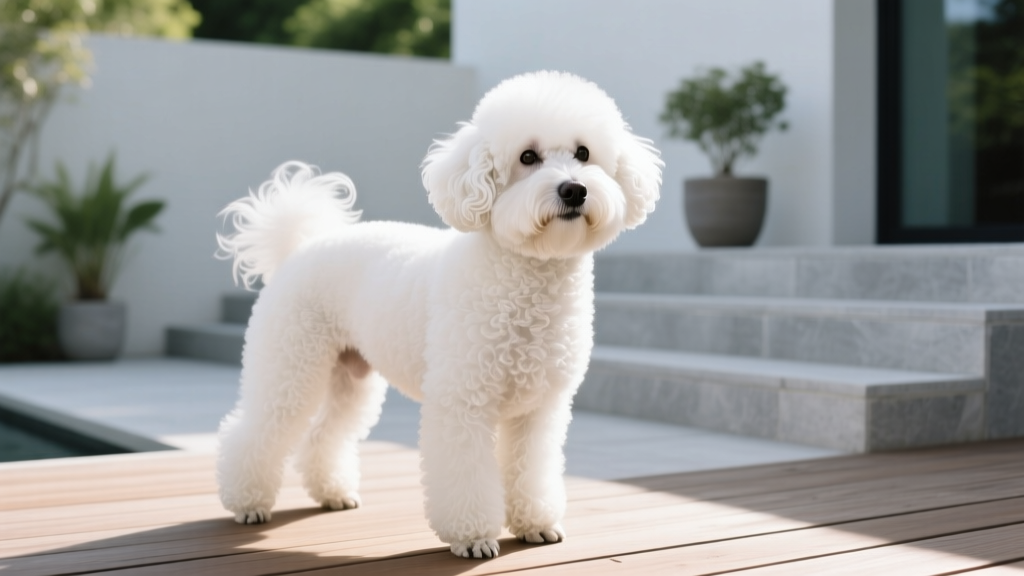
Bichon Frises at a Glance: What Makes This Breed Special
If you've ever spotted a small, cloud-white dog bouncing through a park with what can only be described as a permanent smile, you've likely encountered one of the Bichon Frises that have charmed dog lovers for centuries. Originating in the Mediterranean region — specifically the Canary Islands, where Spanish sailors brought early Bichon-type dogs as early as the 13th century — this breed was refined in France and Belgium into the companion we know today. The American Kennel Club officially recognized the Bichon Frise in 1972, and the breed has maintained a loyal following ever since.
Bichon Frises fall squarely into the small breed category, standing well under a foot tall at the shoulder. Their lifespan typically ranges from 14 to 15 years, with many individuals living to 16 or even 18 with attentive preventive care. That longevity is one of the breed's strongest selling points — you're signing up for a long-term companion, not a short chapter.
| Attribute | Details |
|---|---|
| Weight Range | 12–18 lb (5.4–8.2 kg) |
| Height Range | 9.5–11.5 inches (24–29 cm) |
| Lifespan | 14–15 years (many reach 16–18) |
| Coat Type | Double coat; curly outer, soft dense undercoat; white only |
| Energy Level | Moderate — playful bursts with plenty of couch time |
| Grooming Frequency | Brushing 3–4x/week; professional groom every 4–6 weeks |
| AKC Group | Non-Sporting Group |
| Apartment Friendly | Excellent — low space needs, relatively quiet |
| Family Fit | Strong — thrives with children, seniors, and multi-pet homes |
Temperament & Personality: The Bichon Frise Character
Describing Bichon Frises requires more nuance than "happy little dog." Yes, they're cheerful — but their personality has real depth that prospective owners should understand before committing.
Core Behavioral Traits
1. Socially magnetic. Bichons don't just tolerate strangers — they actively recruit them as friends. At a dog park, a Bichon is the dog trotting up to every new person, tail wagging in a full-body wiggle. This makes them terrible guard dogs but exceptional therapy and visitation candidates.
2. Clownish and attention-seeking. The breed's famous "Bichon Blitz" — a sudden, joyful sprint in circles around the living room — is a real behavioral phenomenon. Owners report these bursts happen most often after baths, when excited, or seemingly at random. It's harmless, entertaining, and a sign of a well-adjusted dog expressing joy.
3. Velcro-attached to their person. Bichon Frises form intense bonds and genuinely struggle when left alone for extended periods. Separation anxiety is a legitimate concern for this breed. If your work schedule requires 8+ hours away daily, a Bichon will likely develop destructive behaviors or excessive vocalization without gradual desensitization training and enrichment tools.
4. Surprisingly alert. While not aggressive, Bichons notice everything. They'll announce the delivery driver, the neighbor's cat on the fence, and the squirrel three trees over. This alertness, channeled properly, makes them responsive training partners.
5. Sensitive to household tension. Bichons read emotional atmospheres with unusual precision. Raised voices, arguments, or stressed body language from their owners can trigger anxious behaviors — hiding, trembling, or clinginess. They thrive in calm, predictable environments.
Strengths
- Hypoallergenic, low-shedding coat — ideal for allergy sufferers
- Highly sociable with people, children, and other dogs
- Adaptable to apartments, condos, and RV living
- Eager to please and responsive to positive reinforcement training
- Long lifespan with proper preventive care
- Natural performer — excels in agility and obedience competitions
Challenges
- Grooming is expensive and non-negotiable ($50–$90 per session)
- Prone to separation anxiety if left alone too long
- Housebreaking can take 4–8 months — patience required
- Tear staining requires daily facial wiping
- Several inherited health conditions need screening
- Not suited for owners who work long hours away from home
Physical Characteristics: Size, Build, and Coat Details
According to the AKC breed standard, adult Bichon Frises stand between 9.5 and 11.5 inches (24–29 cm) at the withers, with weight proportionate to height — typically 12 to 18 lb (5.4–8.2 kg). Dogs outside these ranges are not disqualified in pet homes but would be faulted in conformation shows.
The Bichon's build is sturdy rather than fragile. Despite their small size, they have solid bone structure, a level topline, and a plumed tail that curves gracefully over the back. This is not a delicate teacup-type dog — a healthy Bichon has real substance under all that fluff.
The Famous Coat
The Bichon Frise coat is a double coat consisting of a soft, dense undercoat and a coarser, curly outer coat. The texture should feel like plush velvet when properly maintained. The coat is always white in maturity, though puppies may show faint buff, cream, or apricot shadings around the ears that fade by 12–18 months.
This coat is the breed's defining feature — and its biggest maintenance demand. The curl pattern traps shed hair rather than releasing it, which is why Bichon Frises are often recommended for allergy sufferers. However, that trapped hair will mat aggressively if not brushed thoroughly every 2–3 days.
Exercise & Activity Needs: Keeping Your Bichon Fit
Bichon Frises need approximately 30 to 45 minutes of daily exercise, ideally split into two sessions. This isn't a breed that requires marathon runs — but they're also not content with a quick backyard potty break as their only activity.
| Activity Type | Duration | Frequency | Notes |
|---|---|---|---|
| Leashed walks | 15–20 minutes | 2x daily | Moderate pace; allow sniffing time for mental enrichment |
| Indoor play sessions | 10–15 minutes | 1–2x daily | Fetch, tug, puzzle toys; great for apartment dwellers |
| Dog park visits | 20–30 minutes | 2–3x weekly | Small-dog area recommended; Bichons play well with similar-sized dogs |
| Training sessions | 5–10 minutes | Daily | Short, positive sessions prevent boredom; count as mental exercise |
| Agility or rally | 15–20 minutes | 1–2x weekly | Low jumps only; excellent confidence-builder for the breed |
A note on puppies: Bichon puppies under 12 months should follow the 5-minute-per-month-of-age rule for structured walks (e.g., a 4-month-old gets 20 minutes max per walk). Free play is unrestricted. Over-exercising growing joints increases hip and patella injury risk.
Common Health Issues in Bichon Frises
While Bichon Frises are generally long-lived, the breed carries predispositions to several specific conditions. Responsible breeders screen for these using OFA (Orthopedic Foundation for Animals) and CERF (Canine Eye Registration Foundation) testing. Always request health clearances before purchasing a puppy.
| Condition | Description | Estimated Prevalence | Screening / Prevention |
|---|---|---|---|
| Patellar Luxation | Kneecap slips out of position, causing intermittent skipping or lameness | ~6–8% of Bichons screened by OFA | OFA patella evaluation; avoid jumping from high furniture |
| Hip Dysplasia | Malformation of the hip joint leading to arthritis | ~5% based on OFA breed statistics | OFA hip evaluation of breeding stock; weight management |
| Allergies (Atopic Dermatitis) | Environmental or food allergies causing itchy skin, ear infections, paw licking | Very common — estimated 20–30% of Bichons | Identify triggers early; Apoquel or Cytopoint as prescribed by your vet |
| Cataracts | Clouding of the lens, potentially leading to blindness | Hereditary cataracts reported; CERF screening recommended | Annual CERF eye exams; surgical correction available ($1,500–$3,500 per eye) |
| Immune-Mediated Hemolytic Anemia (IMHA) | Immune system attacks red blood cells; life-threatening emergency | Bichons are overrepresented in IMHA studies | No screening test; know the symptoms (pale gums, lethargy, dark urine) and seek emergency vet care immediately |
Urinary stones also appear with notable frequency in Bichon Frises, particularly calcium oxalate stones. A 2019 study in the Journal of Veterinary Internal Medicine found Bichons among the breeds with the highest odds ratio for urolithiasis. Feeding a veterinary-recommended diet and ensuring adequate water intake can reduce risk.
If you notice limping, excessive scratching, cloudy eyes, changes in urination, or sudden lethargy, consult your veterinarian promptly. Early intervention dramatically improves outcomes for most of these conditions.
Grooming: The Non-Negotiable Commitment
Let's be direct: Bichon Frise grooming is a lifestyle, not a chore you can skip. Budget $50 to $90 per professional grooming session, scheduled every 4 to 6 weeks. That's $500 to $1,080 annually just for professional grooming — a line item many first-time owners underestimate.
At-Home Grooming Schedule
- Brushing (3–4x per week): Use a slicker brush (the Chris Christensen Big G is a groomer favorite at ~$65) followed by a metal comb to check for tangles near the skin. Pay special attention to behind the ears, armpits, and the sanitary area.
- Bathing (every 3–4 weeks at home): Use a whitening shampoo formulated for dogs — human products disrupt canine skin pH. Blow-dry on cool while brushing to maintain the fluffy texture.
- Tear stain wiping (daily): Use a damp cloth or veterinary-recommended tear stain wipe every morning. Persistent reddish-brown stains around the eyes may indicate tear duct issues — mention this at your next vet visit.
- Nail trimming (every 2–3 weeks): Bichons that don't walk on abrasive surfaces need regular nail trims. Overgrown nails alter gait and stress joints.
- Ear cleaning (weekly): The Bichon's drop ears trap moisture. Clean weekly with a veterinary ear cleanser to prevent yeast infections, which the breed is prone to.
Training & Intelligence: Working With the Bichon Mind
Bichon Frises rank solidly in the middle-to-upper tier of canine intelligence. They learn new commands in 15 to 25 repetitions and obey known commands on the first ask approximately 70% of the time — which puts them ahead of many breeds but behind the biddable working breeds like Border Collies.
Their intelligence comes with a caveat: Bichons are clever enough to figure out what they can get away with. Consistency is everything. If jumping on the couch is sometimes allowed and sometimes scolded, your Bichon will test the boundary every single time.
Recommended Training Approach
Positive reinforcement methods work exceptionally well with this breed. Bichons are food-motivated, praise-motivated, and play-motivated — giving you multiple reward channels. Force-free methods including clicker training, lure-and-reward shaping, and marker-based training produce reliable results without damaging the dog's confidence or your bond.
Housebreaking reality check: Small breeds, including Bichon Frises, are notoriously slower to housebreak than larger dogs. Expect 4 to 8 months of consistent crate training and scheduled potty breaks before reliable housetraining. This is normal — their small bladders simply can't hold as long. Take puppies out every 1–2 hours during the day, and never punish accidents (this creates fear-based hiding behaviors).
Family Suitability: Kids, Pets, and Living Spaces
With Children
Bichon Frises are excellent family dogs for households with children aged 6 and older who understand gentle handling. Their small size makes them vulnerable to accidental injury from toddlers who may squeeze, drop, or step on them. For families with very young children, waiting until kids are old enough to interact respectfully is the safer choice.
When raised alongside children, Bichons become devoted playmates. They'll participate in dress-up (many tolerate costumes with remarkable patience), follow kids from room to room, and curl up for movie nights without complaint.
With Other Pets
Bichon Frises generally integrate well with other dogs, especially when socialized from puppyhood. They tend to be submissive rather than dominant in multi-dog households, which reduces conflict. With cats, early introduction produces the best results — an adult Bichon meeting a cat for the first time may be overly enthusiastic, which cats rarely appreciate.
Apartment & Condo Living
This is where Bichon Frises truly shine. Their compact size, moderate exercise needs, and relatively low barking tendency (they alert-bark but don't typically sustain nuisance barking) make them ideal apartment residents. Many condo associations and rental properties that restrict larger breeds welcome Bichons without issue.
Cost of Ownership: What Bichon Frises Actually Cost
Owning a Bichon Frise is a significant financial commitment. Here's a realistic breakdown based on 2026 pricing data:
Puppy Purchase Price
- AKC-registered puppy from a responsible breeder: $1,500–$3,500 (health-tested parents, OFA clearances, early socialization)
- Show-quality puppy from a champion line: $3,500–$6,000+
- Rescue/adoption: $200–$600 (Bichon-specific rescues like Bichon and Little Buddies Rescue often have adults available)
First-Year Cost Estimate
| Expense Category | Estimated Cost |
|---|---|
| Puppy purchase (responsible breeder) | $1,500–$3,500 |
| Initial veterinary (vaccines, spay/neuter, microchip) | $500–$900 |
| Professional grooming (6–8 sessions) | $300–$720 |
| High-quality food (small-breed formula) | $250–$450 |
| Supplies (crate, bed, harness, toys, grooming tools) | $200–$400 |
| Pet insurance (annual premium) | $400–$700 |
| Training classes (puppy + basic obedience) | $150–$350 |
| Total first year | $3,300–$7,020 |
Ongoing Annual Costs (Years 2+)
After the first year, expect to budget approximately $1,800 to $3,200 annually for grooming, food, routine veterinary care, insurance, and supplies. Emergency veterinary care is not included in this figure — a single episode of IMHA or urinary blockage can cost $3,000 to $8,000, which is why pet insurance is strongly recommended for this breed.
Frequently Asked Questions About Bichon Frises
Is the Bichon Frise a good choice for first-time dog owners?
Yes — Bichon Frises are widely considered one of the better breeds for first-time owners. They're forgiving of training mistakes, eager to bond, and their moderate size and exercise needs are manageable for someone still learning the ropes. The main challenge for a novice owner will be the grooming commitment and the patience required for housebreaking. If you can budget for professional grooming and commit to a consistent potty-training schedule, a Bichon is an excellent first dog.
How much exercise does a Bichon Frise need daily?
Plan for 30 to 45 minutes of total daily activity. Two 15–20 minute leashed walks plus an indoor play session or puzzle toy time will satisfy most Bichons. They are not endurance athletes, but they do need regular movement to maintain muscle tone and prevent weight gain, which stresses their small joints.
What health problems are Bichon Frises most prone to?
The breed's most significant health concerns include patellar luxation (slipping kneecaps), hip dysplasia, atopic dermatitis (allergies), cataracts, immune-mediated hemolytic anemia (IMHA), and calcium oxalate urinary stones. Request OFA and CERF health clearances from any breeder, and maintain regular veterinary wellness exams to catch issues early.
How big does a Bichon Frise get as an adult?
Adult Bichon Frises typically weigh 12–18 lb (5.4–8.2 kg) and stand 9.5–11.5 inches (24–29 cm) tall at the shoulder. Males tend toward the upper end of these ranges, females toward the lower end. Most reach their full height by 10–12 months and fill out to their adult weight by 14–18 months.
Are Bichon Frises good with children and other pets?
Bichons are excellent with respectful children (ideally age 6+) and generally get along well with other dogs and cats. Their friendly, non-confrontational nature makes them natural peacemakers in multi-pet households. However, their small size means toddlers should always be supervised to prevent accidental injury to the dog.
How much does it cost to buy and maintain a Bichon Frise?
Expect to pay $1,500–$3,500 for a puppy from a health-tested, responsible breeder. First-year costs including veterinary care, grooming, food, and supplies typically total $3,300–$7,000. Ongoing annual costs run $1,800–$3,200 per year, with grooming being the single largest recurring expense. Adoption through a breed-specific rescue costs significantly less ($200–$600) and often includes initial veterinary care.
For more on breed-specific health screening, visit the Orthopedic Foundation for Animals. If you suspect your Bichon has ingested something toxic, contact the ASPCA Animal Poison Control Center at (888) 426-4435 (24/7, consultation fee applies).
Jonas Cole
All our authors care for dogs every day — read more of their work on the authors page.


