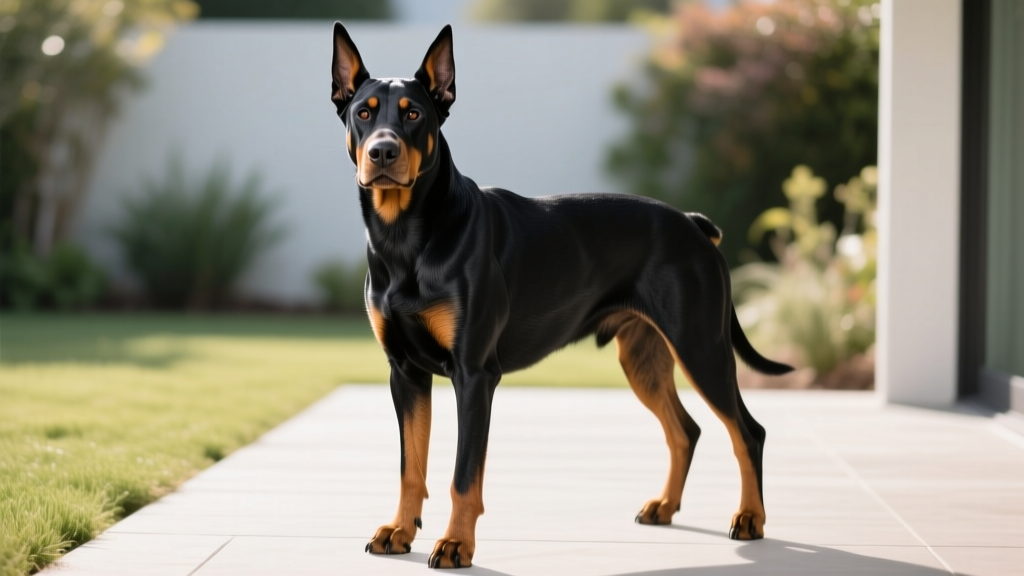
Best Dog Breeds for Therapy Dog Training: Top Picks & Selection Guide
Discover the best dog breeds for therapy dog training, with expert selection criteria, breed comparisons, and a decision framework to match your lifestyle.

What Makes a Great Therapy Dog? Selection Criteria Explained
Not every friendly dog is cut out for therapy work. Before we rank breeds, here's exactly what qualifies a breed for this list. Therapy dogs visit hospitals, nursing homes, schools, and disaster sites — environments that demand a specific temperament profile beyond basic obedience.
- Temperament Stability: Low startle response, minimal reactivity to unfamiliar sounds, surfaces, and people. Breeds must score well on the American Temperament Test Society (ATTS) evaluation or demonstrate equivalent stability in breed surveys.
- Handler Focus: Strong social orientation toward humans — breeds that check in with their handler rather than becoming fixated on environmental stimuli.
- Trainability: Willingness to work for social reward (praise, petting) not just food drive. Therapy dogs must perform reliably in low-reward environments like sterile hospital corridors.
- Physical Suitability: Size appropriate for lap work (small-medium) or wheelchair-level interaction (medium-large), manageable grooming needs for frequent public visits, and low drool/shedding where facility policies require it.
- Stress Resilience: Ability to recover quickly from unexpected stimuli — a dropped tray, a sudden loud noise, an approaching stranger reaching without warning.
These criteria align with the evaluation standards used by major therapy dog organizations including Pet Partners and Therapy Dogs International (TDI). A dog can be wonderfully sweet at home but fail therapy evaluation if they lack environmental confidence or stress recovery.
Top 12 Breeds for Therapy Dog Training
We've organized these breeds into three size categories — because your living situation, the facilities you'll visit, and your physical ability to handle the dog all influence which size class works best. Each entry includes the breed's therapy-relevant strengths.
Toy & Small Breeds (Under 25 lb / 11 kg)
Size Class: Small (13-18 lb / 6-8 kg)
Key Therapy Trait: Exceptional lap orientation — Cavaliers naturally settle into physical contact and maintain calm body posture during extended handling.
Profile: The Cavalier's defining therapy strength is their "contact-seeking" behavior. Unlike breeds that tolerate petting, Cavaliers actively solicit gentle touch and maintain soft, relaxed body language even with clumsy or unpredictable handlers (children, patients with motor impairments). Their 12-15 year lifespan supports long-term therapy partnerships.
Size Class: Small (12-18 lb / 5-8 kg)
Key Therapy Trait: Hypoallergenic coat and consistently cheerful disposition with strangers — ATTS pass rate of 77.3% (above average for small breeds).
Profile: Bichons are the go-to small therapy breed for allergy-sensitive facilities. Their curly, low-shedding coat requires professional grooming every 4-6 weeks ($50-$80 per session), but facilities appreciate the minimal dander. Their inherent playfulness reads as approachable without being overwhelming.
Size Class: Small (7-13 lb / 3-6 kg)
Key Therapy Trait: Velcro-dog attachment style combined with surprising environmental adaptability — less noise-sensitive than many toy breeds.
Profile: Havanese bond intensely with their handler, which translates to excellent focus during therapy visits. They're less prone to the trembling anxiety that disqualifies some toy breeds in chaotic environments. Their 14-16 year lifespan makes the training investment worthwhile.
Medium Breeds (25-70 lb / 11-32 kg)
Size Class: Large-Medium (55-75 lb / 25-34 kg)
Key Therapy Trait: The gold standard — ATTS pass rate of 85.2%, with near-universal soft-mouth behavior and low bite inhibition threshold.
Profile: Golden Retrievers remain the most-placed therapy breed in North America for good reason. Their "soft mouth" (gentle jaw pressure) means even accidental nips during treat-taking are harmless. They read human emotional states with remarkable accuracy and adjust their energy accordingly — exuberant in a school visit, subdued at a hospice bedside. Expect 10-12 years of active therapy work.
Size Class: Large-Medium (55-80 lb / 25-36 kg)
Key Therapy Trait: Unflappable confidence in novel environments — Labs show lower cortisol spikes in unfamiliar settings compared to most breeds.
Profile: Labs bring bombproof confidence to therapy settings. Where a Golden might show mild concern at a loud noise, a Lab typically orients toward their handler with a "what's next?" expression. This makes them ideal for disaster-response therapy work and high-stimulation pediatric hospitals. Their food motivation, while requiring management around hospital meal trays, makes training remarkably efficient.
Size Class: Medium-Large (40-70 lb / 18-32 kg)
Key Therapy Trait: High intelligence (ranked #2 in working/obedience intelligence) combined with a hypoallergenic coat — the only large hypoallergenic breed that consistently passes therapy evaluations.
Profile: Standard Poodles are the thinking person's therapy dog. Their problem-solving ability means they learn complex visit routines quickly — navigating wheelchair-accessible paths, positioning themselves at appropriate heights for bed-bound patients. The grooming commitment is real ($80-$120 every 4-6 weeks for a therapy-appropriate clip), but allergy-restricted facilities often mandate poodle-type coats.
Size Class: Large (70-115 lb / 32-52 kg)
Key Therapy Trait: Calm, grounding physical presence — their large size provides deep-pressure therapy naturally when patients lean against or hug them.
Profile: Berners offer something smaller breeds cannot: a physical anchor. For PTSD patients, autism support, and grief counseling settings, the weight and warmth of a 90-lb dog leaning against a patient provides measurable calming effects. The trade-off is a shorter lifespan (7-10 years) and significant grooming. Best for handlers with vehicle transport and ground-floor living.
Size Class: Medium (35-45 lb / 16-20 kg)
Key Therapy Trait: "Smiling" facial expression and intuitive emotional attunement — Keeshonden were originally companion dogs on Dutch barges, selected for centuries for human attentiveness.
Profile: The Keeshond is an underutilized therapy breed. Their medium size fits most facility requirements, their natural "smile" (upturned mouth corners) reads as non-threatening to wary patients, and they're less common than Labs/Goldens — which means patients often find them novel and engaging. Their thick coat requires brushing 3-4 times weekly but isn't as high-maintenance as a Poodle's professional grooming schedule.
Large & Gentle Giants (70+ lb / 32+ kg)
Size Class: Giant (100-150 lb / 45-68 kg)
Key Therapy Trait: Extraordinary patience with physical handling — Newfoundlands tolerate ear-pulling, tail-touching, and clumsy hugs without flinching or moving away.
Profile: If a facility can accommodate a giant breed, the Newfoundland is unmatched for pediatric and special-needs therapy work. Children instinctively gravitate toward their teddy-bear appearance, and their response to rough handling is to go still and soft rather than retreat. The logistical challenges are real: you need a vehicle that fits a 130-lb dog, facilities must have wide corridors, and drool management is a constant consideration.
Size Class: Giant (90-170 lb / 41-77 kg)
Key Therapy Trait: Regulated breeding requirements — the Leonberger Club of America mandates temperament testing for breeding stock, producing reliably stable dogs.
Profile: Leonbergers benefit from one of the strictest breed-club temperament requirements in the AKC. Every breeding Leonberger must pass a standardized temperament evaluation, which means puppies inherit a higher baseline of stability than breeds without such requirements. Their lion-like appearance creates a "wow factor" in therapy visits that facilitates patient engagement.
Size Class: Giant (85-120 lb / 39-54 kg)
Key Therapy Trait: Independent calm — Pyr temperament is naturally low-arousal, meaning they don't require constant handler direction to remain settled.
Profile: Great Pyrenees bring a meditative quality to therapy work. They settle deeply and remain still for extended periods, making them ideal for reading-to-dogs programs, meditation groups, and hospice visits where a calm, stationary presence is valued over active engagement. Their white coat is striking but requires significant grooming and they shed heavily — not ideal for facilities with strict cleanliness protocols.
Size Class: Large (60-70 lb / 27-32 kg)
Key Therapy Trait: Low energy in home settings despite athletic build — retired Greyhounds are famously "45-mph couch potatoes" who excel at calm, stationary therapy visits.
Profile: Retired racing Greyhounds are an unconventional but highly effective therapy breed. Their short coat is easy to maintain, they're already accustomed to handling by multiple people (racing kennel life), and their natural temperament is gentle and non-reactive. Adoption through groups like Greyhound adoption organizations provides a second career for dogs who may not have been fast enough for the track but are perfectly suited for therapy work. Their thin coat means they need a sweater in cold facilities.
Breed Comparison: Key Therapy Attributes at a Glance
| Breed | Size (lb/kg) | Hypoallergenic | Grooming Level | Best Therapy Setting | Lifespan (Years) |
|---|---|---|---|---|---|
| Cavalier King Charles Spaniel | 13-18 / 6-8 | No | Moderate | Hospice, bedside | 12-15 |
| Bichon Frise | 12-18 / 5-8 | Yes | High | Allergy-sensitive facilities | 14-15 |
| Havanese | 7-13 / 3-6 | Low-shed | High | Schools, libraries | 14-16 |
| Golden Retriever | 55-75 / 25-34 | No | Moderate | All settings | 10-12 |
| Labrador Retriever | 55-80 / 25-36 | No | Low | High-stimulation, disaster response | 10-12 |
| Standard Poodle | 40-70 / 18-32 | Yes | High | Allergy-sensitive, skilled visits | 10-18 |
| Bernese Mountain Dog | 70-115 / 32-52 | No | High | PTSD, autism support | 7-10 |
| Keeshond | 35-45 / 16-20 | No | High | Nursing homes, rehab centers | 12-15 |
| Newfoundland | 100-150 / 45-68 | No | High | Pediatric, special needs | 9-10 |
| Leonberger | 90-170 / 41-77 | No | High | Community events, group therapy | 8-10 |
| Great Pyrenees | 85-120 / 39-54 | No | Very High | Reading programs, hospice | 10-12 |
| Greyhound (Retired) | 60-70 / 27-32 | No | Low | Low-key visits, senior centers | 10-14 |
Breeds That Don't Fit Therapy Work (And Why)
Equally important to understanding which breeds excel at therapy work is recognizing which breeds face inherent disadvantages — not because they're "bad dogs," but because their bred-in traits conflict with therapy requirements.
- Herding breeds (Border Collies, Australian Shepherds): Their instinct to control movement makes them uncomfortable in environments with unpredictable human motion. They tend to nip at heels or circle patients — behaviors that are inappropriate in therapy settings even when not aggressive.
- Primitive breeds (Shiba Inu, Akita, Chow Chow): Bred for independent decision-making, these dogs often lack the handler-focus therapy work demands. They may tolerate handling from their owner but show stress signals with strangers.
- Terrier breeds (Jack Russell, Airedale): High prey drive and reactivity to sudden movements make most terriers poor candidates. A squealing child or dropping medical equipment can trigger instinctive responses that are difficult to override with training.
- Toy guard breeds (Chihuahua, Miniature Pinscher): Their size makes them physically fragile, and their tendency toward one-person bonding means they often show stress with multiple handlers.
Note: Individual dogs of any breed can succeed or fail at therapy work. These are breed-level tendencies, not guarantees. A well-socialized Border Collie with the right temperament can absolutely pass therapy evaluation — but you're working against breed tendencies rather than with them.
Honorable Mentions
These breeds didn't make the top 12 but have strong therapy potential in specific contexts:
- Goldendoodle / Labradoodle (F1B or multigen): When bred from tested parents, the hypoallergenic coat and retriever temperament combine well. However, inconsistent breeding means temperament varies widely — always evaluate the individual dog, not the label.
- Whippet: Similar to Greyhounds but smaller (25-40 lb / 11-18 kg). Excellent for handlers who want a calm, low-maintenance sighthound in a more portable size.
- English Springer Spaniel (show lines): Show-bred Springers have lower energy than field lines and strong human orientation. Avoid field-bred dogs for therapy — their hunting drive creates distraction issues.
Decision Framework: Choosing Between the Top 3 Breeds for Your Situation
The "best" therapy breed depends entirely on your specific circumstances. Use this decision framework to narrow your choice.
- If allergy-restricted facilities (hospitals, some schools) → Choose Bichon Frise or Standard Poodle. These are your only reliably hypoallergenic options that consistently pass therapy evaluations.
- If general facilities (nursing homes, libraries, community centers) → All breeds on this list qualify. Move to Step 2.
- Apartment / small home, no yard → Cavalier King Charles Spaniel, Havanese, or Greyhound (surprisingly good apartment dogs despite their size — they're couch potatoes).
- House with yard, single-story → Golden Retriever, Lab, Standard Poodle, or Keeshond.
- House with yard, ground-floor access, vehicle transport → Bernese Mountain Dog, Newfoundland, Great Pyrenees, or Leonberger.
- Children / schools → Golden Retriever (patient, engaging), Newfoundland (novelty factor + patience), or Havanese (non-intimidating size).
- Seniors / hospice → Cavalier King Charles Spaniel (lap-oriented, quiet), Great Pyrenees (calm stationary presence), or Greyhound (gentle, low-key).
- PTSD / mental health → Bernese Mountain Dog (deep pressure), Labrador Retriever (confident, grounding), or Standard Poodle (intelligent, responsive to emotional cues).
- Disaster response / crisis → Labrador Retriever (bombproof confidence) or Golden Retriever (emotional attunement).
- Under $50/month → Labrador Retriever, Greyhound, or Cavalier King Charles Spaniel (home grooming manageable).
- $50-$100/month → Golden Retriever, Keeshond, or Bichon Frise.
- $100+/month acceptable → Standard Poodle, Bernese Mountain Dog, Newfoundland, Great Pyrenees, or Leonberger.
Therapy Dog Training Costs & Timeline
Understanding the investment required helps set realistic expectations. Here's what therapy dog training typically costs in 2026:
| Training Phase | Duration | Cost Range | What's Covered |
|---|---|---|---|
| Puppy socialization (8-16 weeks) | 2 months | $200-$400 | Puppy kindergarten, exposure work |
| Basic obedience (4-8 months) | 4-6 months | $300-$800 | CGC prep, reliable recall, loose-leash walking |
| Canine Good Citizen (CGC) test prep | 1-2 months | $150-$300 | 10-item CGC test requirements |
| Therapy-specific training | 3-6 months | $400-$1,200 | Equipment desensitization, hospital etiquette, patient interaction |
| Evaluation & registration | 1-2 sessions | $50-$150 | Pet Partners or TDI evaluation, registration fees |
| Total Investment | 12-18 months | $1,100-$2,850 | From puppy to registered therapy dog |
If you're starting with an adult dog who already has basic obedience, you can reduce this timeline to 4-8 months and cut costs to $500-$1,500. Many successful therapy dogs begin training at 2-4 years old after their temperament has fully matured.
Frequently Asked Questions About Therapy Dog Breeds
Can mixed-breed dogs become therapy dogs?
Absolutely. Organizations like Pet Partners and Therapy Dogs International evaluate individual dogs regardless of breed. A well-tempered mixed breed with the right personality can pass evaluation just as readily as a purebred. The advantage of choosing a known breed is predictability — you have a better sense of the likely temperament, size, and grooming needs before committing to the training investment.
At what age should I start therapy dog training?
Socialization and foundation training should begin at 8-12 weeks if you're raising a puppy. However, most therapy organizations require dogs to be at least 1 year old (some require 18 months) before taking the evaluation. Many experienced therapy dog handlers prefer to start with dogs aged 2-4 years, when temperament is fully established and you can assess suitability before investing in specialized training.
What's the difference between a therapy dog, a service dog, and an emotional support animal?
These are legally and functionally distinct. Therapy dogs visit facilities to provide comfort to multiple people — they have no public access rights and work by invitation. Service dogs are individually trained to perform tasks for a person with a disability and have full public access rights under the ADA. Emotional support animals provide comfort to their owner but require no specialized training and have limited legal protections (housing only, no public access). This article focuses exclusively on therapy dogs.
Do I need special insurance for therapy dog work?
Most therapy dog organizations provide liability insurance as part of registration. Pet Partners, for example, includes $1 million in liability coverage for registered teams during approved visits. Verify this with your registering organization and confirm your homeowner's or renter's insurance doesn't exclude therapy dog activities. Annual registration fees typically range from $35-$75 depending on the organization.
Why is the Golden Retriever ranked so highly for therapy dog training?
The Golden Retriever's combination of traits is nearly unmatched: an 85.2% ATTS pass rate (among the highest of any breed), a naturally soft mouth that prevents accidental nipping, strong emotional attunement to humans, moderate grooming needs, and a size that works in most facility settings. They're not the only breed that can excel at therapy work, but they offer the widest margin for handler error — making them ideal for first-time therapy dog handlers.
How do I find a therapy dog training program near me?
Start with the AKC Canine Good Citizen evaluator locator to find CGC prep classes — this is the prerequisite most therapy organizations require. Then check the Pet Partners or Therapy Dogs International websites for local evaluators and preparatory classes. Many communities also have independent therapy dog training groups; ask your veterinarian for referrals to programs with positive-reinforcement methods only.
Disclaimer: This guide provides breed-level generalizations for educational purposes. Individual temperament varies within every breed. Always evaluate a specific dog's behavior and consult with a certified therapy dog evaluator before committing to training. If your dog shows signs of stress or anxiety during training, consult your veterinarian to rule out underlying health issues that may affect behavior.
Tom Renshaw
All our authors care for dogs every day — read more of their work on the authors page.