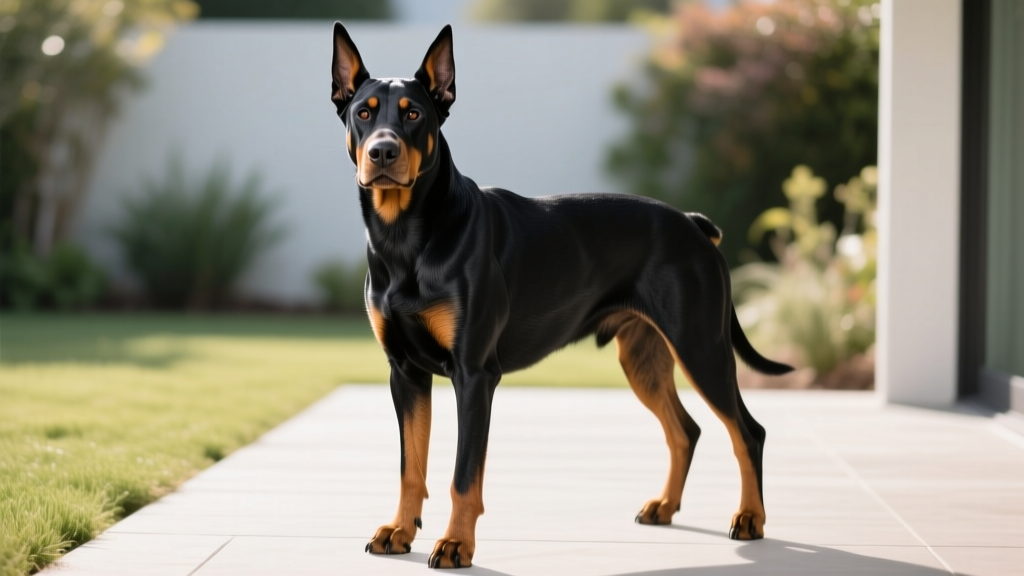
12 Best Big Dogs for Families: Gentle Giants Ranked by Temperament
Discover the 12 best big dogs for families, ranked by temperament, exercise needs, and kid-friendliness.

What Qualifies a Big Dog as Truly Family-Friendly?
Not every large breed thrives in a household with children, other pets, or first-time owners. When we talk about big dogs — generally those weighing 60 pounds (27 kg) or more at maturity — the gap between a breed's physical capability and its temperament suitability becomes critical. A 120-pound dog that knocks over a toddler isn't malicious, but the outcome is the same.
We evaluated breeds using five weighted factors, each informed by AKC breed standards and temperament testing data:
- Tolerance threshold (30%): How well the breed handles unpredictable child behavior — ear pulling, sudden loud noises, invaded personal space
- Energy manageability (25%): Exercise needs that fit typical family schedules (not requiring marathon runs or specialized outlets)
- Trainability (20%): Responsiveness to positive reinforcement methods, especially impulse control around children
- Space adaptability (15%): Whether the breed can function in suburban homes with fenced yards, not just rural acreage
- Health predictability (10%): Prevalence of breed-specific conditions that could mean expensive emergencies or shortened time with your family
Only breeds scoring above threshold on all five factors made this list. We excluded guardian breeds (Great Pyrenees, Anatolian Shepherd) whose protective instincts require experienced handling, and high-drive working breeds (Belgian Malinois, Dutch Shepherd) whose intensity doesn't match most family lifestyles.
The 12 Best Big Dogs for Families, Ranked
Breeds are grouped into three tiers based on overall family-fit scores. Within each tier, ordering reflects how broadly the breed suits different family situations — from apartment-dwelling families with one child to multi-pet households with active outdoor lifestyles.
Tier 1: Exceptional Family Fit (Widely Suitable)
Size class: Large (55–75 lb / 25–34 kg) | Key trait: Highest tolerance threshold of any large breed
The Golden Retriever's combination of soft mouth instinct, low startle response, and genuine enthusiasm for human interaction makes it the benchmark against which other family dogs are measured. According to the AKC breed standard, Goldens should be "friendly, reliable, and trustworthy" — and responsible breeders consistently produce dogs that match this description. Their exercise needs (60–90 minutes daily) are manageable for most families, and they excel at impulse control training, which is essential around young children.
Ranking rationale: No other large breed matches the Golden's combination of gentleness, trainability, and adaptability. The primary drawback — heavy shedding and cancer predisposition (estimated 60% lifetime risk per the Golden Retriever Lifetime Study) — doesn't outweigh their temperament advantages for most families.
Size class: Large (55–80 lb / 25–36 kg) | Key trait: Versatile energy that matches active families
Labs bring slightly more athletic drive than Goldens, making them ideal for families who hike, swim, or play fetch for extended periods. Their "off switch" typically develops between ages 2–3, before which they can be boisterous enough to accidentally overwhelm toddlers. English (show-line) Labs tend toward calmer temperaments than American (field-line) Labs — a distinction worth discussing with breeders.
Ranking rationale: Virtually tied with Goldens on temperament, Labs rank second only because their higher puppy energy requires more management during the first two years. Families with children under age 5 should consider an adult Lab or English-line puppy.
Size class: Giant (70–115 lb / 32–52 kg) | Key trait: Calm, steady demeanor despite massive size
The Bernese Mountain Dog is the gentle giant archetype — patient, low-arousal, and genuinely affectionate with children. Their moderate energy level (45–60 minutes of walking daily) suits families who prefer relaxed evenings over intense outdoor adventures. However, their short lifespan (7–10 years, per Merck Veterinary Manual) and predisposition to histiocytic sarcoma mean families must prepare for heartbreak sooner than with most breeds.
Ranking rationale: Temperament-wise, the Bernese rivals the top two. Their lower ranking reflects health concerns and the reality that their large, sometimes clumsy bodies can inadvertently knock over small children in tight spaces.
Size class: Giant (100–150 lb / 45–68 kg) | Key trait: Legendary patience and natural nanny instinct
Newfoundlands are among the most tolerant dogs ever bred. Their historical role as working partners to fishermen selected for dogs that remained calm under chaotic, loud, and physically demanding conditions — traits that translate directly to households with multiple children. They're natural swimmers and tend to position themselves between children and water, a behavior documented so consistently it's part of breed lore.
Ranking rationale: Newfoundlands would rank higher if not for practical constraints: they require significant space, drool heavily, need regular grooming of their thick double coat, and their size makes veterinary care and medication costs 2–3x those of a Golden Retriever.
Tier 2: Strong Family Fit (Some Considerations Apply)
Size class: Large (40–70 lb / 18–32 kg) | Key trait: Hypoallergenic coat with high intelligence
Standard Poodles are the thinking family's big dog — exceptionally trainable, low-shedding, and surprisingly athletic. Their intelligence means they learn household rules quickly, but it also means they need mental stimulation to prevent boredom-driven mischief. They tend to bond closely with one family member while remaining polite with others.
Ranking rationale: Poodles rank here because their sensitivity to household stress and tendency toward anxiety in chaotic environments means they're best matched with families that have predictable routines. Families with very young, loud children should wait until kids are past the toddler stage.
Size class: Large (50–80 lb / 23–36 kg) | Key trait: Playful, clownish energy that matches kids
Boxers are famously kid-oriented — they seem to intuitively match the energy level of children around them, dialing up for play and down for cuddles. Their brachycephalic (short-faced) structure means they're sensitive to heat and can't tolerate intense exercise in warm weather, which paradoxically makes them manageable for families who aren't ultra-athletic.
Ranking rationale: Boxers are wonderful with children but their exuberant jumping and mouthing behavior persists longer than most breeds (often through age 3–4). Families with infants or frail elderly members need a solid training plan before bringing home a Boxer puppy.
Size class: Large (60–70 lb / 27–32 kg) | Key trait: Outgoing sweetness with athletic stamina
The Irish Setter's hallmark is an almost absurd friendliness — they greet strangers like long-lost friends and generally extend that warmth to children of all ages. They need substantial exercise (90+ minutes daily) and thrive in families who use that energy for structured activities like agility, hiking, or fieldwork introduction.
Ranking rationale: Their ranking reflects exercise requirements that exceed what many families can realistically provide. Under-exercised Irish Setters become destructive and hyperactive — the opposite of the calm companion families want.
Size class: Giant (90–170 lb / 41–77 kg) | Key trait: Gentle temperament in an imposing package
Leonbergers were specifically developed in 19th-century Germany to be impressive yet family-integrated dogs, and modern well-bred specimens retain that balance. They're calm indoors, patient with children, and generally accepting of other pets. Their moderate energy needs and quiet demeanor make them surprisingly easy to live with despite their size.
Ranking rationale: Limited availability and higher purchase prices ($2,500–$4,500 from reputable breeders) place them lower on accessibility. Additionally, their giant-breed health concerns (hip dysplasia, bloat, cancer) require families to budget $1,500–$3,000 annually for preventive care and insurance.
Tier 3: Good Fit for Specific Family Types
Size class: Large (50–75 lb / 23–34 kg) | Key trait: Intuitive herding instinct channeled as family awareness
Collies are attentive, gentle, and tend to naturally monitor children's movements — a herding behavior that manifests as protective awareness rather than nipping in well-socialized dogs. They're highly trainable with positive reinforcement and generally quiet indoors, though they will vocalize to alert you to unusual activity.
Ranking rationale: Collies can be sensitive to loud, chaotic environments and may shut down or become anxious in households with frequent conflict or unpredictable schedules. They suit calm, structured families best.
Size class: Large (60–100 lb / 27–45 kg) | Key trait: Adaptable, easygoing nature with low prey drive
The OES is a shaggy, good-natured companion that generally gets along with everyone — children, cats, visitors, delivery drivers. Their moderate energy and tendency to be "couch potatoes" indoors suits families who want a big dog presence without intense exercise demands.
Ranking rationale: Grooming requirements are significant (professional grooming every 6–8 weeks at $80–$120 per session, or daily brushing at home). Families unwilling to commit to coat maintenance will struggle with matting and skin issues.
Size class: Giant (100–130 lb / 45–59 kg) | Key trait: Low-energy guardian that's gentle with family
Bullmastiffs are calm, quiet, and surprisingly low-energy for their size — typically needing only 30–45 minutes of walking daily. They form deep bonds with their families and are generally tolerant of children they're raised with. Their guarding instinct is present but muted compared to other mastiff-type breeds.
Ranking rationale: Bullmastiffs require early, consistent socialization to ensure comfort with visitors and unfamiliar children. They're not ideal for families who frequently host playdates or have rotating household members, as their wariness of strangers can create management challenges.
Size class: Giant (110–175 lb / 50–79 kg) | Key trait: Surprisingly moderate energy despite enormous size
Great Danes are often called "the world's biggest lap dogs" for good reason — they genuinely prefer lounging with their family over vigorous activity. Their exercise needs are moderate (45–60 minutes of walking daily), and well-bred Danes are typically gentle and patient with children.
Ranking rationale: Their ranking reflects three practical realities: short lifespan (7–10 years), significant risk of gastric dilatation-volvulus (bloat), which is a life-threatening emergency costing $3,000–$7,000 to treat, and the sheer logistics of housing a dog this large. Families should consider prophylactic gastropexy surgery, which AVMA resources note can reduce bloat risk.
How These Big Dogs Compare on Key Attributes
| Breed | Adult Weight | Daily Exercise | Kid Tolerance | Lifespan | Annual Cost Est. |
|---|---|---|---|---|---|
| Golden Retriever | 55–75 lb | 60–90 min | ★★★★★ | 10–12 yr | $2,200–$3,500 |
| Labrador Retriever | 55–80 lb | 60–90 min | ★★★★★ | 10–12 yr | $2,200–$3,500 |
| Bernese Mountain Dog | 70–115 lb | 45–60 min | ★★★★★ | 7–10 yr | $3,000–$5,000 |
| Newfoundland | 100–150 lb | 45–60 min | ★★★★★ | 9–10 yr | $3,500–$5,500 |
| Standard Poodle | 40–70 lb | 60–90 min | ★★★★☆ | 12–15 yr | $2,500–$4,000 |
| Boxer | 50–80 lb | 60–90 min | ★★★★☆ | 10–12 yr | $2,500–$4,500 |
| Irish Setter | 60–70 lb | 90+ min | ★★★★☆ | 12–15 yr | $2,000–$3,200 |
| Leonberger | 90–170 lb | 60 min | ★★★★☆ | 8–9 yr | $3,500–$5,500 |
| Collie | 50–75 lb | 60 min | ★★★★☆ | 12–14 yr | $2,200–$3,500 |
| Old English Sheepdog | 60–100 lb | 45–60 min | ★★★★☆ | 10–12 yr | $3,000–$4,500 |
| Bullmastiff | 100–130 lb | 30–45 min | ★★★☆☆ | 7–9 yr | $3,000–$5,000 |
| Great Dane | 110–175 lb | 45–60 min | ★★★☆☆ | 7–10 yr | $3,500–$6,000 |
Annual cost estimates include food, routine veterinary care, preventive medications, grooming, and pet insurance premiums. Emergency veterinary expenses are not included and can add $1,000–$5,000+ in any given year.
How to Choose Between Your Top 3 Big Dogs
Most families narrow their shortlist to two or three breeds. Use this decision framework to make your final choice based on your specific situation:
- Do you have children under age 5?
- YES → Choose Golden Retriever or Newfoundland (highest tolerance for unpredictable toddler behavior)
- NO → Continue to question 2
- Is anyone in the household allergic to dogs or sensitive to shedding?
- YES → Choose Standard Poodle (only low-shedding breed on this list that meets all other criteria)
- NO → Continue to question 3
- Can you commit to 90+ minutes of daily exercise?
- YES → Choose Labrador Retriever or Irish Setter (they'll thrive with your active lifestyle)
- NO → Continue to question 4
- Is your living space under 1,500 sq ft or do you lack a fenced yard?
- YES → Choose Standard Poodle or Collie (most adaptable to smaller spaces with regular walks)
- NO → Continue to question 5
- Is minimizing lifetime veterinary cost a priority?
- YES → Choose Collie or Irish Setter (longest lifespans, fewer breed-specific emergencies)
- NO → Choose based on temperament preference between remaining options
Honorable Mentions and Breeds to Approach With Caution
Several popular big dogs didn't make this list — not because they're bad dogs, but because they require specific conditions that don't match most family situations:
Honorable mentions (good family dogs with caveats):
- Rottweiler: Loyal and gentle with their own family, but requires experienced handling, early socialization, and may not welcome frequent visiting children. Best for families with older children and dog-experienced parents.
- German Shepherd: Brilliant and devoted, but their herding/guarding instincts and sensitivity to household stress make them better suited to structured, calm families with children over age 8.
- Rhodesian Ridgeback: Athletic and loyal, but their strong prey drive and independent nature require consistent training. Best for active families without small pets.
Breeds to reconsider for typical family situations:
- Cane Corso / Presa Canario: Guardian breeds with powerful protective instincts that require expert-level training and socialization. Not recommended for first-time big dog owners.
- Akita: Same-sex aggression, strong prey drive, and aloofness with strangers make Akitas challenging in family environments with frequent visitors or other pets.
- Chow Chow: Cat-like independence and low tolerance for handling make them poorly suited to households with young children who want an interactive dog.
- Siberian Husky: While technically medium-sized (35–60 lb), many people consider them "big dogs." Their extreme exercise needs, escape artistry, and high prey drive make them poor family matches unless the family is committed to serious daily exercise and secure containment.
Frequently Asked Questions About Big Dogs for Families
What's the best age to bring a big dog puppy into a family with young children?
For families with children under age 3, consider adopting an adult dog (age 2–5) whose temperament is already established. Puppy energy — the jumping, mouthing, and unpredictable bursts of activity — can overwhelm toddlers and create negative associations for both child and dog. If you're set on a puppy, plan for significant management during the first 18–24 months, including crate training, gated spaces, and supervised-only interactions.
How much should I budget for a big dog's first year?
First-year costs for large and giant breeds typically range from $3,500 to $7,500, broken down as:
- Purchase/adoption: $500–$4,500 (adoption at the low end, reputable breeder at the high end)
- Veterinary (initial exams, vaccines, spay/neuter): $800–$1,500
- Food (large-breed puppy formula): $600–$1,000
- Supplies (crate, bed, leash, bowls, gates): $300–$600
- Training (group classes + private sessions): $400–$1,000
- Pet insurance (annual premium): $600–$1,200
Giant breeds (Newfoundland, Great Dane, Leonberger) push costs toward the higher end due to larger food quantities, higher medication doses, and more expensive insurance premiums.
Should I get pet insurance for a big dog?
Yes. Large and giant breeds have significantly higher rates of expensive conditions — hip dysplasia (surgical repair: $3,000–$7,000 per hip), bloat/GDV (emergency surgery: $3,000–$7,000), and various cancers (treatment: $5,000–$15,000+). Monthly premiums for large breeds average $60–$120 depending on age, breed, and coverage level. Enroll before your dog's first birthday to avoid pre-existing condition exclusions.
Are mixed-breed big dogs a good alternative to purebreds?
Mixed-breed big dogs can be excellent family companions, often benefiting from hybrid vigor — reduced risk of breed-specific genetic conditions due to greater genetic diversity. However, temperament predictability is lower since you can't reference a breed standard. If adopting a mixed-breed big dog, work with a reputable rescue that conducts temperament testing (such as the ASPCA's Meet Your Match program) and offers a trial period to ensure the dog fits your household dynamics.
How do I socialize a big dog puppy with children safely?
Use positive reinforcement exclusively — never force interactions or use aversive methods like prong collars or alpha rolls. Key steps:
- Expose the puppy to children of various ages in controlled settings (one child at a time, calm environment) between 8–16 weeks of age
- Reward calm behavior around children with high-value treats (small pieces of chicken, cheese)
- Teach children to approach the dog calmly, avoid the face and tail, and respect the dog's crate or bed as off-limits
- Never leave any child under 10 unsupervised with any dog, regardless of breed or temperament
- Enroll in a positive-reinforcement puppy class that includes children's exposure exercises
Beth Carrasco
All our authors care for dogs every day — read more of their work on the authors page.