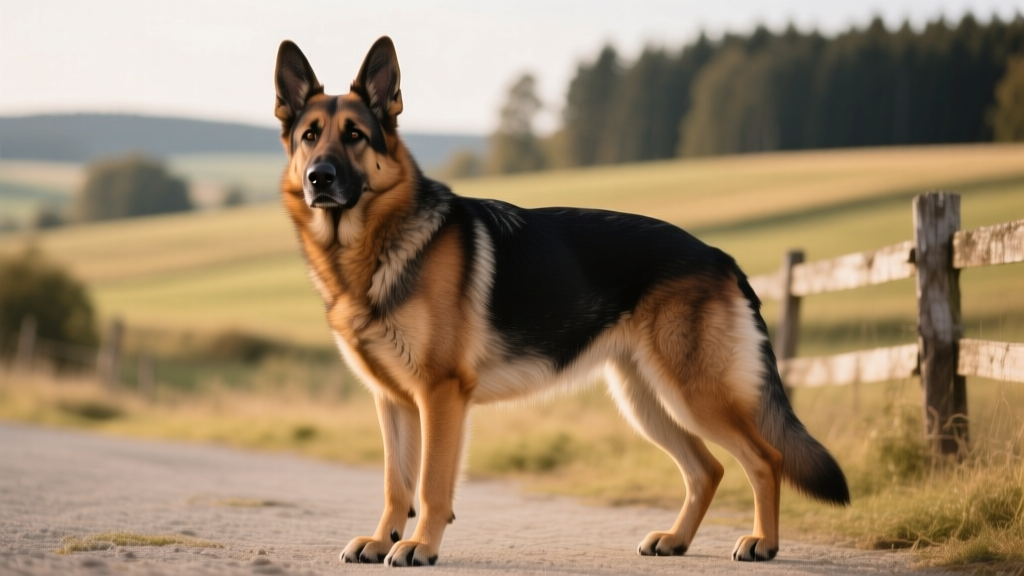
Belgian Shepherd Dog Temperament: A Complete Breed Profile
Explore Belgian Shepherd dog temperament, care needs, health risks, and cost.

What Is the Belgian Shepherd Dog?
The Belgian Shepherd Dog — sometimes called the Belgian Sheepdog or Groenendael in its long-coated variety — is one of four distinct Belgian herding breeds recognized by the Fédération Cynologique Internationale (FCI). While the Malinois has surged in popularity thanks to military and police work, the classic Belgian Shepherd (Groenendael) remains comparatively rare in the United States, often confused with its shorter-coated cousin or with black German Shepherds. Understanding Belgian Shepherd dog temperament is essential before committing to this intelligent, high-drive breed, because their sensitivity and work ethic set them apart from more easygoing herding dogs.
This profile focuses primarily on the Groenendael (long-haired black variety), but because all four Belgian Shepherd types — Groenendael, Tervuren, Malinois, and Laekenois — share the same breed standard for temperament and structure in many registries, much of what follows applies across the group.
| Weight (Male) | 55–66 lb / 25–30 kg |
|---|---|
| Weight (Female) | 44–55 lb / 20–25 kg |
| Height (Male) | 24–26 in / 61–66 cm at withers |
| Height (Female) | 22–24 in / 56–61 cm at withers |
| Lifespan | 12–14 years |
| Coat | Long, straight, dense undercoat; always black (Groenendael) |
| Energy Level | High — 90+ minutes of structured activity daily |
| Grooming | Moderate to high; weekly brushing, heavy seasonal shedding |
| Family Fit | Best with experienced owners; cautious around young children |
| AKC Group | Herding Group (recognized as Belgian Sheepdog, 1911) |
Origin and History: From Belgian Pastures to Global Recognition
Where did this breed originate and what was it bred for?
The Belgian Shepherd traces its roots to the pastoral regions of central Belgium in the late 19th century. In the 1890s, Professor Adolphe Reul of the Cureghem Veterinary School surveyed local herding dogs and identified a consistent type — square-built, medium-sized, prick-eared dogs with intense work drive. The Groenendael variety was named after the Château de Groenendael, where breeder Nicolas Rose maintained a foundational kennel of long-coated black herding dogs beginning around 1893.
Original purpose: These dogs herded sheep across open fields in the Brabant and Ardennes regions, worked as property guardians, and later transitioned into police, military, and messenger roles during both World Wars. The Belgian military used Groenendaels for patrol and ambulance work as early as 1907.
- 1891: The Club du Chien de Berger Belge founded; first breed standard drafted
- 1892: Varieties separated by coat type and color
- 1907: First Groenendaels imported to the United States
- 1911: American Kennel Club (AKC) recognizes the breed as "Belgian Sheepdog"
- 1959: AKC separates the Belgian Sheepdog (Groenendael), Belgian Tervuren, and Belgian Malinois into distinct breeds in the U.S.
- FCI: Recognizes all four varieties under a single breed standard (FCI #15–19)
Source: AKC Belgian Sheepdog breed page
How Rare Is the Belgian Shepherd Today?
Among the four Belgian Shepherd varieties, the Groenendael ranks as the second most popular in the U.S. but remains far less common than the Malinois. According to AKC registration data, the Belgian Sheepdog typically ranks between 120th and 135th out of approximately 200 recognized breeds — a significant gap from the Malinois, which has climbed into the top 50 in recent years. The Laekenois remains the rarest, with only a handful of U.S. breeders.
In Europe, particularly Belgium, France, and the Netherlands, the Groenendael maintains a more stable population, though it has never reached the numbers of German Shepherds or Border Collies. Prospective owners in the U.S. should expect waitlists of 6–18 months from reputable breeders, and litters are often small (averaging 6–8 puppies).
Belgian Shepherd Dog Temperament: What Surprises New Owners
The Belgian Shepherd dog temperament is frequently described by experienced owners as "Velcro dog with an off-switch that takes years to install." Here is what sets this breed apart temperamentally and what catches first-time owners off guard:
Intensity and Sensitivity
Belgian Shepherds bond profoundly with their handlers — often to a single person — and are acutely attuned to emotional shifts. They do not respond well to harsh corrections; force-free, positive reinforcement training is not just preferred but essential. Raised voices or physical punishment can trigger shutdown behaviors, fear-based reactivity, or avoidance. These dogs read body language with almost unsettling accuracy.
The Herding Instinct Factor
Even without livestock, Belgian Shepherds will attempt to herd children, cats, bicycles, and other dogs. This manifests as circling, nipping at heels, and body-blocking. Families with toddlers should be prepared for this instinct and manage interactions carefully. It is not aggression — it is genetics.
Wariness with Strangers
Unlike the gregarious Golden Retriever or the confident Labrador, the Belgian Shepherd is naturally reserved with unfamiliar people. Early, structured socialization between 8 and 16 weeks is critical. Without it, wariness can harden into fear-based reactivity or territorial aggression. The goal is a dog that observes calmly rather than one that greets everyone enthusiastically.
Mental Exercise Needs
Physical exercise alone will not satisfy this breed. Belgian Shepherds need problem-solving work: nose work, advanced obedience, agility, tracking, or structured trick training. A Belgian Shepherd without a job is a Belgian Shepherd who will invent one — often involving destructive chewing, obsessive pacing, or excessive barking.
Is this breed suitable for families or first-time owners?
Experienced owners are strongly preferred. First-time owners who are committed to professional training classes (budget $500–$1,500 for the first year), daily structured exercise, and early socialization can succeed, but the margin for error is slim. Families with children aged 8+ tend to have better outcomes than those with toddlers, due to the breed's herding instincts and sensitivity to chaotic environments.
Distinctive Physical Features
The Belgian Shepherd is a square-proportioned, medium-sized dog that is often mistaken for a black German Shepherd or a flat-coated retriever at a glance. Key distinguishing features include:
- Square build: Height at withers approximately equals body length — distinctly more square than the rectangular German Shepherd
- Head shape: Clean, wedge-shaped head with a moderate stop; skull and muzzle approximately equal in length. The expression is alert and questioning, never dull
- Ears: Triangular, stiff, and erect — proportionally smaller than Malinois ears, set high on the skull
- Coat (Groenendael): Long, straight outer coat with a dense undercoat; heavier ruff around the neck, feathering on the forelegs, and a plumed tail. The coat is always solid black — any white is limited to a small chest patch and toe tips
- Gait: Free, easy, and seemingly tireless at a trot; the breed was built for sustained movement over distance rather than short sprints
Belgian Shepherd vs. Similar Breeds
What makes this breed different from similar-looking breeds? The table below compares the Groenendael to two breeds commonly confused with it:
| Trait | Belgian Shepherd (Groenendael) | German Shepherd Dog | Belgian Malinois |
|---|---|---|---|
| Weight Range | 44–66 lb / 20–30 kg | 50–90 lb / 23–41 kg | 40–80 lb / 18–36 kg |
| Coat | Long, black | Medium/long, varied colors | Short, fawn/mahogany with black mask |
| Energy Level | High (90+ min/day) | Moderate-High (60–90 min/day) | Very High (120+ min/day) |
| Stranger Response | Reserved, watchful | Aloof but approachable | Intensely alert, slow to warm |
| Sensitivity | Very high | Moderate | High |
| Shedding | Heavy seasonal | Heavy year-round | Moderate year-round |
| Trainability | Excellent but sensitive | Excellent, forgiving | Excellent, driven |
| Typical Price (U.S.) | $1,500–$3,000 | $1,500–$5,000 | $1,500–$3,500 |
The Groenendael sits between the German Shepherd's steadiness and the Malinois's explosive drive. It is more sensitive than both and tends to be slightly easier to live with in a home setting — provided its mental and physical needs are met.
Special Care Requirements
What special care does this breed require?
Exercise Protocol
- Minimum daily: 90 minutes of structured activity (not free yard time)
- Ideal mix: 45 minutes of physical exercise (running, hiking, fetch) + 30–45 minutes of mental work (training, puzzle toys, scent games)
- Best activities: Agility, rally obedience, barn hunt, fast cat, herding trials, tracking
- Warning: Belgian Shepherds are prone to exercise-induced stress behaviors if over-exercised without adequate rest. Enforce mandatory downtime
Coat and Grooming
- Brushing: 2–3 times per week with an undercoat rake and slicker brush; daily during biannual shedding seasons (spring and fall)
- Bathing: Every 6–8 weeks or as needed; use a high-velocity dryer to blow out dead undercoat — this saves hours of brushing
- Never shave: The double coat provides insulation against both heat and cold; shaving disrupts the coat's thermoregulatory function and it may not grow back correctly
- Nails: Trim every 2–3 weeks; long nails alter gait and stress joints
Nutrition
- Caloric needs: Approximately 1,200–1,600 kcal/day for an active 55 lb adult (adjust based on body condition score)
- Look for: AAFCO statement confirming complete and balanced nutrition for adult maintenance or all life stages; named animal protein as first ingredient
- Joint support: Consider diets or supplements with EPA/DHA (fish oil, 1,000–1,500 mg/day for a 55 lb dog) to support joint health given breed predisposition to dysplasia
Training Approach
- Method: Positive reinforcement only — reward-based, force-free, LIMA (Least Intrusive, Minimally Aversive)
- Start early: Puppy socialization classes by 12 weeks; basic obedience by 16 weeks
- Channel the drive: Teach a "settle" cue early; Belgian Shepherds do not naturally relax without being taught how
- Avoid: Shock collars, prong collars, alpha rolls, or dominance-based methods — these damage trust and can trigger fear aggression in this sensitive breed
Breed-Specific Health Concerns
While Belgian Shepherds are generally robust, they carry predispositions to several conditions. Responsible breeders screen for these before producing litters. Always ask for OFA (Orthopedic Foundation for Animals) or PennHIP certifications and documentation of health clearances.
| Condition | Description | Estimated Prevalence | Screening Test |
|---|---|---|---|
| Hip Dysplasia | Malformation of the hip joint leading to arthritis and pain | ~11% (OFA data, Belgian Sheepdog) | OFA/PennHIP radiograph |
| Elbow Dysplasia | Abnormal development of the elbow joint | ~5–8% | OFA radiograph |
| Progressive Retinal Atrophy (PRA) | Genetic degeneration of the retina leading to blindness | ~3–5% | DNA test (prcd-PRA); CERF eye exam |
| Hypothyroidism | Autoimmune thyroiditis reducing hormone production | ~8–10% | Thyroid panel (OFA thyroid registry) |
| Epilepsy (Idiopathic) | Seizures with no identifiable structural cause; onset typically 1–5 years | Reported higher than average; exact % unknown | Veterinary neurological exam; diagnosis of exclusion |
| Hemangiosarcoma | Aggressive cancer of blood vessel lining, often affecting spleen or heart | Elevated breed risk reported in Belgian Tervuren studies; Groenendael data limited | No preventive screening; early detection via ultrasound |
| Cataracts | Opacity of the lens impairing vision | ~4–6% | CERF/OFA annual eye exam |
Source: OFA Breed Statistics; Merck Veterinary Manual
When to consult your veterinarian immediately:
- Sudden onset seizures or collapse
- Hind-limb lameness or difficulty rising (possible hip or spinal issue)
- Unexplained weight loss, lethargy, or pale gums (possible hemangiosarcoma)
- Cloudiness in the eyes or apparent vision loss
For any health concern, consult your veterinarian for diagnosis and treatment. This article does not replace professional veterinary care.
Availability, Breeder Guidance, and Cost
How much does this breed typically cost?
| Expense | Estimated Range |
|---|---|
| Puppy purchase (responsible breeder) | $1,500 – $3,000 |
| Import from European breeder | $3,500 – $6,000+ |
| Adoption/rescue | $300 – $600 |
| First-year veterinary care (vaccines, spay/neuter, screenings) | $800 – $1,500 |
| Annual care (food, vet, grooming, insurance) | $1,800 – $3,500/year |
| Training (first year, group + private) | $500 – $1,500 |
| Pet insurance (monthly) | $45 – $90/month |
Where to Find a Belgian Shepherd
- AKC Marketplace: Filter by Belgian Sheepdog; verify breeder health testing via OFA database
- Belgian Sheepdog Club of America (BSCA): Maintains a breeder referral list and rescue network. Reputable breeders will be BSCA members
- Rescue: Belgian Sheepdog Club of America Rescue and regional herding breed rescues occasionally have adults available. Adult dogs may have unknown histories requiring behavioral assessment
Breeder Red Flags
- No OFA/PennHIP hip certifications for both parents
- No CERF/OFA eye exam within the past 12 months
- Cannot provide DNA test results for PRA (prcd-PRA)
- Puppies available immediately with no waitlist — may indicate a backyard breeder or puppy mill
- No take-back clause in the contract (responsible breeders require dogs be returned to them if the owner cannot keep the dog)
- Prices below $1,200 for a puppy — this is a warning sign, not a bargain
- Multiple litters available simultaneously or year-round
Real Owner Experience: What Living With a Belgian Shepherd Is Really Like
Based on conversations with long-time Belgian Shepherd owners and handlers in the sport dog community, here are the recurring themes that prospective owners should hear before committing:
Energy Level Reality
"They don't tire out like a Lab does," one agility competitor noted. "A two-hour hike is a warm-up. You have to be deliberate about teaching them to settle, or they'll pace the house all evening." Owners consistently report that mental exercise tires the dog more effectively than physical exercise alone. A 20-minute shaping session with a clicker can produce more relaxation than an hour of fetch.
Trainability Quirks
Belgian Shepherds learn extraordinarily fast — including bad habits. Inconsistent cues or accidental reinforcement of unwanted behaviors (like jumping or barking for attention) become entrenched quickly. "They'll learn the loophole before you learn the rule," is a common refrain. Professional training is not optional for most owners of this breed.
Lifestyle Fit
The ideal Belgian Shepherd owner is someone who:
- Is active daily and views the dog as a training partner, not just a walking companion
- Has experience with herding or working breeds
- Works from home or can arrange midday exercise (this breed struggles with 8+ hours alone without preparation)
- Is patient with a dog that may take 2–3 years to fully mature emotionally
- Has a securely fenced yard — Belgian Shepherds are athletic and can scale or dig under inadequate fencing (minimum 6-foot fence recommended)
Frequently Asked Questions
Are Belgian Shepherds aggressive?
No — but they are naturally protective and reserved with strangers. Without proper socialization, protective instincts can become fear-based reactivity. Well-socialized Belgian Shepherds are watchful and calm, not aggressive. If you notice escalating fear responses, consult a certified professional dog trainer (CPDT-KA) or veterinary behaviorist early.
Do Belgian Shepherds do well in apartments?
It is possible but challenging. The breed's exercise and mental stimulation requirements are demanding, and their alertness means they may bark at hallway noises, neighbors, and passersby. A house with a fenced yard is strongly preferred. If apartment living is unavoidable, commit to 90+ minutes of structured daily activity and invest in white noise or calming protocols for alone time.
How do Belgian Shepherds handle being left alone?
They are prone to separation anxiety due to their strong bonding tendency. Crate training from puppyhood, gradual desensitization to departures, and enrichment toys (frozen Kongs, snuffle mats) can help. Dogs with severe anxiety may need veterinary-prescribed anti-anxiety medication alongside a behavior modification plan.
Is the Belgian Shepherd the same as the Malinois?
No. While both are Belgian Shepherd varieties and share the same FCI breed standard for temperament, they are registered as separate breeds in the U.S. (AKC). The Malinois has a short fawn coat and tends to be higher-drive and more physically intense. The Groenendael has a long black coat and is generally considered slightly more manageable in a home setting, though still a high-drive working dog.
What is the best age to bring a Belgian Shepherd puppy home?
Between 8 and 10 weeks. The critical socialization window closes around 14–16 weeks, so early exposure to diverse people, environments, sounds, and surfaces is essential. Enroll in a puppy socialization class (proof of at least one DHPP vaccine required by most facilities) within the first week home.
Can Belgian Shepherds live with cats or other small pets?
It depends on the individual dog and the introduction process. Their herding instinct may manifest as chasing. Puppies raised with cats typically coexist well, but adult dogs with unknown prey drive histories should be evaluated carefully. Always supervise initial interactions and provide cats with escape routes and elevated safe spaces.
Robin Maitland
All our authors care for dogs every day — read more of their work on the authors page.