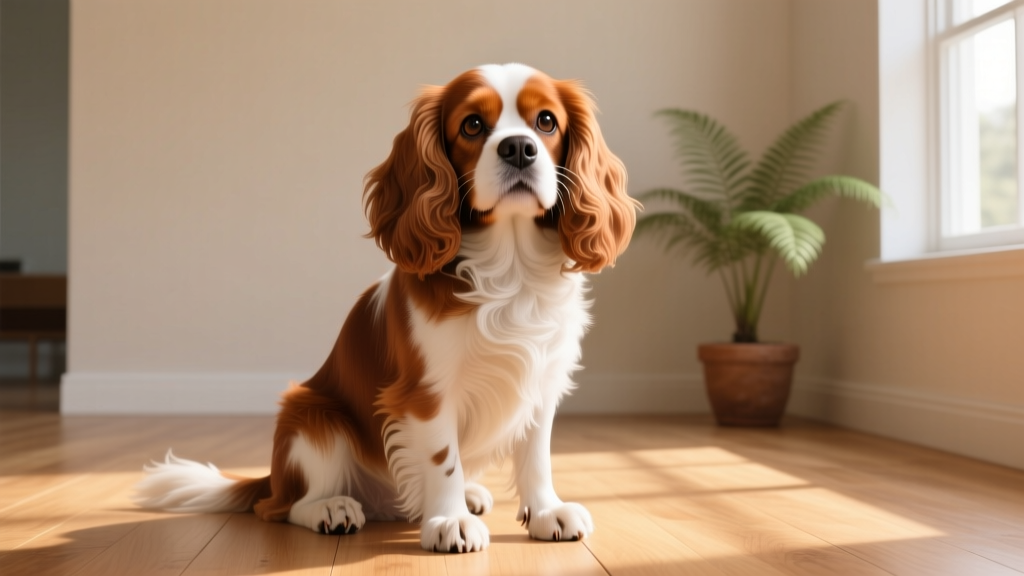
Beardie Poodle Mix: Complete Breed Guide for Bearded
Everything about the Beardie Poodle: Bearded Collie and Poodle mix temperament, size, coat types, health risks, grooming needs, and cost breakdown.

What Is a Beardie Poodle?
The Beardie Poodle (also called a Beardoodle or Bearded Collie Poodle mix) is a designer cross between a Bearded Collie and a Poodle — most commonly a Standard Poodle, though Miniature Poodle crosses exist. This mix combines the Bearded Collie's herding-drive and shaggy charm with the Poodle's intelligence and low-shedding coat genetics. It remains a relatively uncommon designer pairing compared to Goldendoodles or Labradoodles, which means fewer established multigenerational lines and more trait variability between individual dogs.
If you're researching the Beardie Poodle because you've seen one locally or online, you're likely weighing whether this cross fits your household. This guide covers the real-world expectations — including where predictability ends and individual variation takes over.
Parent Breed Breakdown: Bearded Collie Meets Poodle
Understanding a Beardie Poodle starts with understanding both parent breeds. Each contributes distinct traits, and the mix inherits a combination that varies significantly between littermates.
| Trait | Bearded Collie | Standard Poodle |
|---|---|---|
| Origin | Scottish Highlands — herding sheep and cattle | Germany/France — water retrieving, later companion/show |
| Weight Range | 45-55 lb / 20-25 kg | 40-70 lb / 18-32 kg |
| Height | 20-22 in / 51-56 cm | 15+ in / 38+ cm (Standard) |
| Coat | Double coat, long, shaggy, flat; moderate shedder | Single coat, curly/corded; minimal shedding |
| Energy Level | High — 60-90 min/day | Moderate-high — 45-60 min/day |
| Trainability | Intelligent but independent; can be stubborn | Highly trainable; ranks #2 in Stanley Coren's intelligence rankings |
| Barking | Moderate-high (herding vocalization) | Moderate (alert barking) |
| Lifespan | 12-14 years | 10-18 years |
The Bearded Collie brings a bouncy, outgoing personality and strong herding instincts — including potential nipping at heels and circling behavior. The AKC's Bearded Collie standard describes the breed as "alert, self-confident, lively and active." Poodles contribute sharp problem-solving ability, sensitivity to handler cues, and a coat structure that reduces shedding. The resulting mix typically lands somewhere between these two temperaments, but individual puppies in the same litter can lean heavily toward one parent or the other.
Generations Explained: F1, F1B, F2, and Multigen Beardie Poodles
Generation Terminology for Beardie Poodles
- F1 (First Generation): One purebred Bearded Collie × one purebred Poodle. Maximum genetic diversity, most trait variability. Coat type is a coin flip — could be shaggy, curly, or wavy.
- F1B (First Generation Backcross): F1 Beardie Poodle × purebred Poodle. Higher probability of low-shedding curly coat. Slightly more predictable appearance.
- F2 (Second Generation): F1 Beardie Poodle × F1 Beardie Poodle. Widest trait variation — puppies in the same litter may look and behave very differently. Some breeders avoid F2 pairings for this reason.
- Multigen (F3+): Two Beardie Poodles bred together across multiple generations. More predictable traits but requires an established breeding program. Currently rare for this specific mix.
Because the Beardie Poodle is not as widely established as the Goldendoodle or Bernedoodle, most puppies you'll encounter are F1 crosses. This means you should expect significant variability in coat type, size, and even temperament between littermates. Reputable breeders producing F1B or multigen Beardie Poodles are uncommon in 2026 — if a breeder claims multigen lines, ask for documentation of at least three generations of Beardie Poodle-to-Beardie Poodle breeding.
Size Range: How Big Will a Beardie Poodle Get?
Size prediction in mixed breeds is inherently approximate. The following ranges reflect what you can reasonably expect based on parent breed averages, but individual dogs may fall outside these boundaries.
| Poodle Parent | Expected Weight | Expected Height | Variability |
|---|---|---|---|
| Standard Poodle | 45-65 lb / 20-29 kg | 19-23 in / 48-58 cm | Moderate — most common pairing |
| Miniature Poodle | 25-40 lb / 11-18 kg | 15-19 in / 38-48 cm | High — size gap between parents is large |
Most Beardie Poodles are Standard Poodle crosses, placing them firmly in the medium-to-large category. Males tend to run 5-10 lb heavier than females. Puppies typically reach 75% of their adult weight by 6 months and full size by 12-15 months. If you're working with an F1 puppy, ask the breeder for the exact weights of both parents — this gives you the most reliable size projection.
Coat Types and Grooming: What to Expect
The Beardie Poodle's coat is one of its most variable traits, and it directly impacts your grooming commitment. Here's what you might encounter:
Coat Possibilities
- Curly/Wavy (Poodle-dominant): Tighter curls or loose waves. Lower shedding but requires brushing every 1-2 days to prevent matting. Professional grooming every 6-8 weeks at $65-$95 per session.
- Shaggy/Straight (Bearded Collie-dominant): Longer, flatter hair with a softer undercoat. Moderate shedding, especially during seasonal blowouts in spring and fall. Daily brushing during shedding seasons.
- Mixed/Wavy with Undercoat: The most common F1 outcome — wavy outer coat with some undercoat density. Moderate-low shedding with regular maintenance.
Is the Beardie Poodle Hypoallergenic?
No dog is truly hypoallergenic. The Beardie Poodle may be low-shedding if it inherits a Poodle-dominant curly coat, which traps dander in the curls rather than releasing it into the environment. However, F1 crosses with shaggy Bearded Collie coats will shed moderately and are not suitable for allergy-sensitive households. If low-shedding is a priority, seek an F1B backcross (F1 Beardie Poodle × Poodle) — these have a roughly 75% probability of inheriting a curly, lower-shedding coat.
Grooming Schedule
| Task | Curly Coat | Shaggy Coat | Wavy/Mixed Coat |
|---|---|---|---|
| Brushing at home | Every 1-2 days | Daily during sheds; 3x/week otherwise | 2-3 times per week |
| Professional grooming | Every 6-8 weeks | Every 8-12 weeks (trim/sanitary) | Every 8-10 weeks |
| Bathing | Every 4-6 weeks | Every 6-8 weeks | Every 4-8 weeks |
| Estimated annual grooming cost | $520-$760 | $260-$475 | $390-$570 |
Regardless of coat type, invest in a slicker brush and a metal comb for home maintenance. For curly coats, a Chris Christensen Big G slicker brush ($55-$70) handles dense curls effectively. For shaggy coats, an undercoat rake during seasonal sheds prevents painful matting close to the skin.
Temperament: Best-Case and Challenging Scenarios
The Beardie Poodle inherits traits from two intelligent, active working breeds. This creates a dog that's engaging and rewarding for the right owner — and overwhelming for an unprepared one.
Best-Case Temperament
A well-socialized Beardie Poodle from stable parent lines is typically:
- Outgoing and friendly with familiar people; may be reserved (not aggressive) with strangers initially
- Highly responsive to positive reinforcement training — picks up new commands in 5-15 repetitions
- Playful and bouncy, retaining puppy-like energy well into adulthood (Bearded Collies are known for this "bouncy" trait)
- Good with children when raised alongside them, though herding instincts may cause heel-nipping with running toddlers
- Tolerant of other dogs with proper socialization during the 3-14 week critical window
Challenging Scenarios
Dogs that inherit stronger herding drive or insufficient early socialization may display:
- Nipping and circling: Attempting to "herd" children, joggers, or bicycles. This is instinctive, not aggressive, but requires redirection training.
- Separation distress: Both parent breeds bond closely with handlers. A Beardie Poodle left alone 8+ hours daily is at high risk for destructive behavior and vocalization.
- Sensitivity to correction: Poodle-influenced dogs often shut down or become fearful with harsh training methods. Force-free, reward-based training using treats, toys, and praise is essential. Never use shock collars, prong collars, or alpha rolls — these damage trust and can trigger fear-based reactivity.
- Barking: Alert barking at doorbells, passersby, and unusual sounds. Manageable with counter-conditioning but rarely eliminated entirely.
Health Considerations: Hybrid Vigor vs. Reality
One of the most persistent myths in designer dog marketing is that crossbreeding automatically eliminates health problems through "hybrid vigor." Here's the evidence-based reality: hybrid vigor (heterosis) can reduce the risk of recessive inherited conditions that are common within a single closed gene pool — but it does not eliminate conditions that both parent breeds share, nor does it prevent structural or age-related diseases.
The Merck Veterinary Manual notes that mixed-breed dogs benefit from increased genetic diversity, but individual risk depends entirely on which conditions the parent breeds carry. A responsible Beardie Poodle breeder will health-test both parents before breeding.
Conditions Inherited from Both Parent Breeds
| Condition | Prevalence | Screening Test | Estimated Treatment Cost |
|---|---|---|---|
| Hip Dysplasia | Moderate risk — both breeds affected; ~12-15% of Standard Poodles, ~8-10% of Beardies per OFA data | OFA or PennHIP evaluation of both parents | $1,500-$7,000 per hip (surgical) |
| Progressive Retinal Atrophy (PRA) | Low-moderate; identified in both breeds | Ophthalmologist exam + DNA test (prcd-PRA) | No cure; management only |
| Addison's Disease (Hypoadrenocorticism) | Elevated in Standard Poodles (~1 in 50); also reported in Bearded Collies | ACTH stimulation test if symptomatic | $80-$150/month lifelong medication |
| Hypothyroidism | Moderate in Bearded Collies | Thyroid panel (T4, free T4, TSH) | $15-$30/month (levothyroxine) |
| Gastric Dilatation-Volvulus (Bloat) | Elevated risk in deep-chested large breeds; both parents qualify | No screening — preventive gastropexy available | $2,500-$7,500 (emergency surgery); $300-$500 (preventive gastropexy during spay/neuter) |
Always consult your veterinarian about breed-appropriate health screening and preventive care. For puppies, request documentation that both parents have OFA hip scores, current eye certifications, and thyroid panels. A breeder who cannot provide these results is not performing adequate health testing.
Cost and Availability: What You'll Spend
Purchase Price
Because the Beardie Poodle is a less common designer cross, availability is limited and pricing varies significantly by breeder reputation, location, and generation:
- F1 puppies from health-tested parents: $1,800-$3,200
- F1B puppies (if available): $2,200-$3,500
- Multigen puppies (rare): $2,500-$4,000
- Backyard breeder / no health testing: $800-$1,500 (not recommended — higher health and temperament risk)
First-Year Cost Estimate
| Expense | Estimated Cost |
|---|---|
| Puppy purchase | $1,800-$3,500 |
| Initial vet visits (vaccines, deworming, spay/neuter) | $500-$900 |
| Supplies (crate, bed, leash, bowls, toys) | $250-$500 |
| Food (quality kibble or balanced diet) | $480-$720/year |
| Grooming | $350-$700 |
| Training classes (puppy + basic obedience) | $200-$500 |
| Pet insurance (optional but recommended) | $480-$720/year |
| Total first year | $4,060-$7,540 |
Rescue and Adoption Availability
Beardie Poodles rarely appear in breed-specific rescues due to their uncommon status. Your best avenues for adoption include:
- General mixed-breed rescues and local shelters — check Petfinder and Adopt-a-Pet with search terms like "Collie mix" or "Poodle mix"
- Bearded Collie rescues such as Bearded Collie Club of America Rescue — occasionally take in mixes
- Poodle rescues — some accept Poodle mixes
Adoption fees typically range from $200-$500, which usually includes spay/neuter, initial vaccinations, and microchipping.
Who This Mix Suits Best
The Beardie Poodle is not a one-size-fits-all dog. Based on the traits inherited from both parent breeds, here's a practical fit assessment:
Ideal Households
- Active families who hike, run, or spend significant time outdoors (60-90 minutes of structured exercise daily minimum)
- Herding-breed-experienced owners who understand independent thinkers and instinctive behaviors like nipping and circling
- Work-from-home households or families where someone is home most of the day — this mix does poorly with prolonged isolation
- Homes with fenced yards — a securely fenced yard of at least 4 feet height is strongly recommended for safe off-leash play
- Families with older children (8+) who can participate in training and understand how to interact with a high-energy herding dog
Less Ideal Situations
- Apartment living without a plan for 60+ minutes of daily outdoor exercise
- Households away from home 8+ hours daily with no dog walker or daycare arrangement
- Families with toddlers under 3 — the herding instinct to nip at running children can be problematic until the dog matures and is trained
- First-time owners unwilling to invest in professional training classes (at least puppy kindergarten + basic obedience)
- Allergy-sensitive households — unless working with a confirmed low-shedding F1B puppy
Exercise and Enrichment Requirements
Plan for 60-90 minutes of physical exercise daily, split into at least two sessions. This should include:
- Leashed walks or jogs (30-45 minutes)
- Off-leash play in a secure area (20-30 minutes)
- Mental enrichment: puzzle feeders, scent work, trick training sessions (10-15 minutes)
Both parent breeds thrive with jobs. Consider activities like AKC Rally, agility, or herding trials (if Bearded Collie instincts are strong) to channel energy constructively. A bored Beardie Poodle will create its own entertainment — usually by chewing furniture, digging, or barking.
Frequently Asked Questions
What two breeds make up the Beardie Poodle?
The Beardie Poodle is a cross between a Bearded Collie (a Scottish herding breed) and a Poodle (most commonly a Standard Poodle, occasionally a Miniature Poodle). The specific Poodle size determines the mix's overall size range.
How big will a Beardie Poodle get?
Standard Poodle crosses typically weigh 45-65 lb (20-29 kg) and stand 19-23 inches (48-58 cm) at the shoulder. Miniature Poodle crosses are smaller at 25-40 lb (11-18 kg). Individual size varies based on which parent's genes are more strongly expressed.
What will the temperament be like?
Expect an intelligent, active, and sociable dog that bonds closely with its family. Bearded Collie influence brings bouncy energy and some independence; Poodle influence brings handler-focus and sensitivity. Early socialization (before 14 weeks) and consistent positive reinforcement training are critical regardless of which parent the puppy favors.
Is the Beardie Poodle hypoallergenic or low-shedding?
No dog is truly hypoallergenic. F1 Beardie Poodles may shed moderately if they inherit the Bearded Collie's double coat. F1B backcrosses (bred back to a Poodle) have a higher probability of a low-shedding curly coat. If allergies are a concern, spend time with the specific puppy before committing and discuss allergy testing with your doctor.
What health issues might a Beardie Poodle inherit?
Shared risk conditions include hip dysplasia, progressive retinal atrophy, Addison's disease, hypothyroidism, and bloat (GDV). Health-testing both parents — including OFA hip scores, eye certifications, and thyroid panels — significantly reduces risk. Ask your breeder for documentation before purchasing.
How much does a Beardie Poodle cost?
Expect to pay $1,800-$3,500 for an F1 puppy from a breeder who performs health testing on both parents. First-year total ownership costs (including food, vet care, grooming, supplies, and training) typically range from $4,060-$7,540. Adoption through a rescue costs $200-$500 but availability is very limited.
Are Beardie Poodles good with children?
They can be excellent family dogs with children ages 8 and up who understand how to interact respectfully with dogs. With toddlers and very young children, the herding instinct to nip at heels and circle running children requires active management and training. Never leave any dog unsupervised with young children.
How long do Beardie Poodles live?
Based on parent breed lifespans (Bearded Collie: 12-14 years; Standard Poodle: 10-18 years), expect a Beardie Poodle lifespan of approximately 11-15 years with proper nutrition, exercise, and preventive veterinary care.
Dr. Hannah Wickes
All our authors care for dogs every day — read more of their work on the authors page.