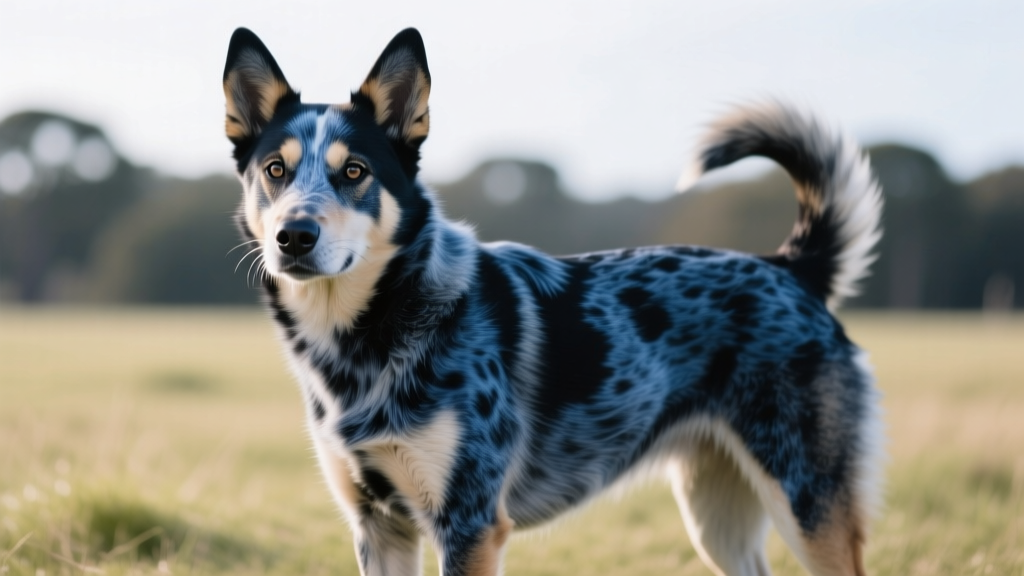
Australian Stumpy Tail Cattle Dog: The Complete Rare Breed Profile
Discover the Australian Stumpy Tail Cattle Dog — a rare, naturally bobtailed herding breed. Learn temperament, health, care, and where to find puppies.

If you've spent any time around working cattle dogs, you've probably encountered the Australian Cattle Dog — the iconic Blue Heeler or Red Heeler with the long, whip-like tail. But there's another cattle dog from the same continent that most people have never seen: the Australian Stumpy Tail Cattle Dog. Naturally bobtailed, compact, and fiercely intelligent, this breed is one of Australia's best-kept secrets and remains exceptionally rare outside its home country.
Whether you're a herding enthusiast, an agility competitor, or simply someone drawn to uncommon breeds, this profile will give you everything you need to know about the Australian Stumpy Tail Cattle Dog — from its frontier origins to what it's actually like to live with one in 2026.
Origin Story: Bred for the Australian Outback
The Australian Stumpy Tail Cattle Dog traces its roots to the early-to-mid 1800s in New South Wales and Queensland, Australia. As European settlers expanded cattle operations across harsh, unforgiving terrain, they needed a dog that could drive semi-wild cattle over vast distances in extreme heat — and do it without the tail injuries that plagued long-tailed working dogs in dense brush country.
Breed Development Timeline
- 1840s: Settlers cross native Dingoes with imported Blue Merle Highland Collies, Smithfield dogs, and later Dalmatians and Black and Tan Kelpies to develop hardy Australian herding dogs.
- Late 1800s: Naturally bobtailed lines emerge and are selectively maintained by station (ranch) owners who value the trait for safety around cattle and brush.
- 1920s–1940s: The Stumpy Tail lines diverge from the mainstream Australian Cattle Dog population. Breeders like the Lee family and others in rural Queensland maintain distinct bobtailed bloodlines.
- 1960s: The Australian National Kennel Council (ANKC) recognizes the Australian Cattle Dog as a single breed, and bobtailed varieties are largely excluded from conformation showing, pushing them toward obscurity.
- 1980s–1990s: Dedicated breeders work to preserve the Stumpy Tail as a separate variety. The name "Stumpy Tail Cattle Dog" gains formal usage.
- 2001: The United Kennel Club (UKC) in the United States officially recognizes the Australian Stumpy Tail Cattle Dog as a distinct breed.
- Present: The breed remains unrecognized by the AKC and FCI, though it holds ANKC status in Australia and UKC recognition in the U.S.
The breed's historical purpose was singular: herding cattle across rugged Australian stations. These dogs were bred to heel (nip at cattle hocks), dodge kicks with explosive agility, and work independently at great distances from their handlers. The natural bobtail was a functional advantage — no tail to get caught in fencing, crushed by hooves, or injured in thick scrub.
How Rare Is the Australian Stumpy Tail Cattle Dog Today?
This is genuinely one of the rarest herding breeds in the world. While exact global population numbers are difficult to verify, the Australian Stumpy Tail Cattle Dog is estimated to number in the low thousands worldwide, with the vast majority still living in Australia. Outside of Australia, the breed is exceptionally uncommon — you'll find scattered breeders in the United States, the United Kingdom, and parts of Europe, but waiting lists for puppies often stretch 12 to 24 months.
For context, the UKC registered fewer than 200 Australian Stumpy Tail Cattle Dogs annually in recent years, compared to over 60,000 Australian Cattle Dogs registered with the AKC each year. This rarity means prospective owners must be prepared for limited availability, potential international importation, and a small gene pool that requires careful breeding management.
Physical Characteristics: What Sets the Stumpy Apart
| Weight | 35–50 lb / 16–23 kg |
|---|---|
| Height (at withers) | 17–20 in / 43–51 cm |
| Tail | Natural bobtail, typically under 4 in / 10 cm (undocked) |
| Coat | Short, straight, weather-resistant double coat |
| Colors | Blue (blue-mottled, blue-speckled), Red (red-mottled, red-speckled) |
| Lifespan | 12–15 years |
| Energy Level | Very high — 60–90+ minutes vigorous exercise daily |
| Grooming Needs | Low — weekly brushing, seasonal heavy shedding |
| Family Fit | Best for active, experienced owners; can do well with children if socialized early |
The most defining feature is right in the name: the natural bobtail. Unlike docked tails (which are surgically shortened), the Stumpy's tail is genetically short — typically under 4 inches (10 cm), though some individuals may have slightly longer or shorter bobs. This is caused by a T-gene mutation (C189G) that is naturally occurring in the breed, similar to the mutation found in Australian Shepherds and Pembroke Welsh Corgis.
Physically, the Stumpy Tail Cattle Dog is slightly stockier and more compact than the standard Australian Cattle Dog. They have a broad skull, pricked ears, a muscular neck, and a deep chest. Their movement is ground-covering and agile — built for quick directional changes when dodging cattle.
Coat and Color Details
The double coat consists of a short, dense undercoat and a harder, straight outer coat that repels rain and dirt. Blue varieties range from blue-mottled (small blue and black spots distributed evenly) to blue-speckled (larger patches on a lighter background), often with tan markings on the legs, chest, and face. Red varieties show similar mottled or speckled patterns in red and cream. Both color types are born nearly white and develop their adult coloring over the first several months of life.
Temperament: What Surprises New Owners
If you've never lived with a cattle dog, the Australian Stumpy Tail Cattle Dog's temperament can be an adjustment. Here's what catches first-time owners off guard:
The herding instinct is relentless. This isn't a dog that casually nips at ankles — these dogs will attempt to herd children, other pets, bicycles, and even adults. They circle, block pathways, and nip at heels as a default behavior. Without appropriate outlets, this instinct becomes a serious household management problem.
They are suspicious of strangers. Bred to protect stock and property in remote areas, Stumpy Tails are naturally wary of unfamiliar people. Early, ongoing socialization (positive exposure to diverse people, places, and situations from 8–16 weeks of age) is not optional — it's essential to prevent fear-based reactivity or aggression.
Intelligence paired with independence. These dogs learn commands rapidly but don't blindly obey. They were bred to make independent decisions while herding cattle far from their handlers. This means they'll assess whether a command makes sense before complying. Force-free, positive reinforcement training methods work best — aversive tools like shock collars or prong collars will damage trust and can trigger defensive aggression in this breed.
Velcro attachment to one person. Stumpy Tails tend to bond intensely with a single handler and may be aloof with other family members. They shadow their chosen person room-to-room and can develop severe separation anxiety if left alone for long periods without gradual conditioning.
Surprisingly vocal. For a compact herding dog, they have a range of vocalizations — alert barks, low grumbles, excited yodels, and a distinctive "talking" sound when communicating with their owner. This is not a quiet apartment dog.
Care Requirements: What This Breed Actually Needs
Daily Care Checklist
- Exercise: Minimum 60–90 minutes of vigorous activity — running, fetch, agility, herding trials, or structured hiking. Leash walks alone are insufficient.
- Mental stimulation: 20–30 minutes of training, puzzle feeders, scent work, or job-based tasks. A bored Stumpy Tail will invent its own (destructive) entertainment.
- Socialization: Ongoing positive exposure, especially during the first two years.
- Coat care: Weekly brushing with a slicker brush or rubber curry comb. During shedding season (spring and fall), daily brushing with an undercoat rake for 10–15 minutes.
- Nail trimming: Every 2–3 weeks if not naturally worn down by activity.
- Dental care: Daily tooth brushing or dental chews approved by the Veterinary Oral Health Council.
Exercise and Activity in Detail
The Australian Stumpy Tail Cattle Dog is not a casual pet — this is a working athlete. Owners who succeed with this breed typically engage them in structured activities:
- Herding trials and stock work — the breed's natural outlet and strongest suit
- Agility — their compact size and explosive speed make them competitive in AKC and UKC agility at the Excellent/Masters level
- Canicross or bikejoring — pulling sports that burn serious energy
- Obedience and rally — channeling intelligence into precision work
- Nose work / scent detection — mentally exhausting in the best way
A Stumpy Tail without a job is a Stumpy Tail who will dismantle your furniture, dig craters in your yard, or develop compulsive behaviors like shadow-chasing or flank-sucking.
Nutrition Guidance
Feed a high-quality, AAFCO-certified diet formulated for active, medium-sized breeds. For a 40 lb (18 kg) adult with high activity levels, expect to feed approximately 900–1,200 calories per day, split into two meals. Look for a named animal protein (chicken, lamb, beef) as the first ingredient, with a minimum of 22% crude protein and 8% crude fat for adult maintenance. Working dogs in active training may need performance formulas with 26–30% protein. Always consult your veterinarian to tailor portions to your individual dog's body condition score and activity level.
Breed-Specific Health Concerns
The Australian Stumpy Tail Cattle Dog is generally a robust, long-lived breed — many live to 14 or 15 years. However, the small gene pool and shared ancestry with the Australian Cattle Dog mean several inherited conditions require attention. Responsible breeders screen for these:
| Condition | Description | Estimated Prevalence | Screening Test |
|---|---|---|---|
| Progressive Retinal Atrophy (PRA-prcd) | Genetic degeneration of the retina leading to eventual blindness, typically onset between 3–8 years | ~5–10% carrier rate in cattle dog breeds | DNA test (Optigen or equivalent) |
| Hip Dysplasia | Malformation of the hip joint causing arthritis and pain | ~8–12% based on OFA data for related cattle breeds | OFA or PennHIP radiographic evaluation |
| Deafness (congenital) | Unilateral or bilateral hearing loss, linked to white coat pigmentation genes | ~2–4% in blue/red cattle dog types | BAER (Brainstem Auditory Evoked Response) test |
| Primary Lens Luxation (PLL) | Displacement of the eye lens, can cause glaucoma and blindness | Low but documented in cattle dog lines | DNA test |
| Elbow Dysplasia | Developmental abnormality of the elbow joint | ~3–5% | OFA radiographic evaluation |
Because the gene pool is small, prospective owners should prioritize breeders who perform full health panels — not just one or two tests. Ask to see OFA certificates, DNA test results, and BAER test documentation for both parents. According to the Merck Veterinary Manual, PRA can be managed with environmental adaptation but has no cure, making genetic screening critical.
When to see the vet urgently: Sudden vision changes (bumping into furniture, reluctance to go outside at night), lameness or stiffness lasting more than 48 hours, head tilting or unresponsiveness to sound (possible deafness), or any signs of eye redness/cloudiness.
Australian Stumpy Tail Cattle Dog vs. Similar Breeds
| Trait | Australian Stumpy Tail Cattle Dog | Australian Cattle Dog | Australian Shepherd |
|---|---|---|---|
| Tail | Natural bobtail (under 4 in) | Long, undocked (often docked in US) | Natural bobtail or docked |
| Weight | 35–50 lb / 16–23 kg | 35–50 lb / 16–23 kg | 40–65 lb / 18–29 kg |
| AKC Recognized | No | Yes (1980) | Yes (1991) |
| UKC Recognized | Yes (2001) | Yes | Yes |
| Herding Style | Heeler — nips hocks, close work | Heeler — nips hocks, close work | Header — uses eye and body pressure |
| Stranger Friendliness | Low — naturally suspicious | Low to moderate | Moderate — aloof but less guarded |
| Apartment Suitability | Poor | Poor | Poor to fair with heavy exercise |
| Avg. Puppy Price (US) | $1,800–$3,500+ | $1,200–$2,500 | $800–$2,500 |
| Availability | Very rare, long waitlists | Widely available | Widely available |
The key distinction between the Stumpy Tail and the standard Australian Cattle Dog is primarily the tail and the separate breeding lineage. Temperament and working ability are very similar. Compared to the Australian Shepherd, the Stumpy Tail is more compact, more intense, less biddable (less eager to please on command), and more physically driven rather than "eye"-driven in herding style.
Finding a Puppy: Availability, Cost, and Red Flags
Because this breed is so rare, finding an Australian Stumpy Tail Cattle Dog puppy requires patience and research.
Where to Look
- UKC breeder directory: The United Kennel Club maintains a breeder listing for recognized breeds.
- Australian breeders: The ANKC-affiliated state bodies maintain breeder lists. Importing a puppy from Australia is possible but adds $1,500–$3,000 in shipping, quarantine, and import documentation costs.
- Breed-specific rescues: Australian Cattle Dog rescues (such as the Australian Cattle Dog Rescue Association) occasionally take in Stumpy Tails, as the two are sometimes confused. Check Petfinder and rescue networks regularly.
- Breed clubs and social media groups: Facebook groups and forums dedicated to Australian cattle dog breeds are valuable for networking with breeders and owners.
Typical Costs
| Expense | Estimated Range |
|---|---|
| Puppy purchase price (US breeder) | $1,800–$3,500 |
| Puppy import from Australia (total) | $4,000–$7,000 |
| First-year veterinary care (vaccines, spay/neuter, microchip) | $600–$1,200 |
| Annual care (food, preventives, checkups) | $1,200–$2,000 |
| Training classes (puppy through advanced) | $400–$1,500 |
| Pet insurance (annual premium) | $500–$900 |
Breeder Red Flags
- Cannot provide OFA/PennHIP hip scores and DNA test results for both parents
- No BAER hearing test on puppies
- Multiple litters available simultaneously or year-round
- Unwilling to let you visit the breeding facility and meet the dam
- No take-back clause in the contract (responsible breeders always take dogs back at any point in the dog's life)
- Puppies leaving before 8–10 weeks of age
- No proof of UKC or ANKC registration
Real Owner Experience: What Life Is Actually Like
Based on owner reports and breed community discussions, here's what daily life with an Australian Stumpy Tail Cattle Dog actually looks like:
Mornings are intense. These dogs wake up ready to work. Expect your Stumpy to be at the door, alert and energetic, within minutes of your alarm. A 30-minute run or vigorous fetch session before breakfast is standard — not optional.
Training is rewarding but humbling. They pick up new commands in 5–10 repetitions but will test boundaries constantly. Consistency is non-negotiable. Owners report that once a Stumpy Tail decides a rule doesn't apply, they'll exploit the loophole indefinitely. Positive reinforcement with high-value treats (freeze-dried liver, chicken) and varied training sessions (keep them under 15 minutes to prevent boredom) yield the best results.
They are not dog-park dogs. Most Stumpy Tails are selective about canine companions and may try to herd or nip unfamiliar dogs. Structured playdates with known, compatible dogs work better than open dog park visits.
They thrive with a job. The happiest Stumpy Tails are those with structured work — whether that's actual stock herding, competitive agility, advanced trick training, or daily tasks like carrying a backpack on hikes. Owners who give them purpose report dramatically fewer behavioral issues.
Is this breed suitable for first-time owners? Honestly, no — at least not without significant support. The combination of high energy, strong herding instincts, wariness of strangers, and independent thinking makes this a challenging breed for someone without prior herding-dog experience. If you're a first-time owner set on this breed, commit to working with a certified professional dog trainer (CPDT-KA or IAABC credentialed) from day one.
Is this breed suitable for families? Yes, with caveats. Stumpy Tails raised with children from puppyhood can be loyal family members, but the herding instinct means they may nip at running children. They do best in families where children are old enough (8+ years) to understand dog body language and participate in the dog's training and exercise routine.
Frequently Asked Questions
Is the Australian Stumpy Tail Cattle Dog's bobtail natural or docked?
Natural. The bobtail is caused by a genetic mutation (T-gene C189G) and is present from birth. These dogs are never docked — the short tail is their natural conformation. Some puppies in a litter may have slightly longer tails, but breed standards specify under 4 inches (10 cm).
Can Australian Stumpy Tail Cattle Dogs live in apartments?
It's strongly discouraged. These dogs need space to move and a job to do. A house with a securely fenced yard (minimum 6-foot fence — they are athletic jumpers) and access to daily outdoor exercise is the minimum acceptable living situation. Apartment living is possible only if the owner commits to 2+ hours of structured outdoor activity daily, which is unrealistic for most people.
How long do Australian Stumpy Tail Cattle Dogs live?
Typically 12–15 years, with some individuals reaching 16 or 17. Their longevity is supported by their medium size, working-dog genetics, and generally robust constitution. Maintaining a lean body condition score (BCS 4–5 out of 9) and regular veterinary preventive care are the strongest predictors of reaching the upper end of this range.
Do they shed a lot?
Yes, seasonally. They have a double coat that "blows" (sheds heavily) once or twice a year, usually in spring and fall. During these periods, expect 2–3 weeks of intense shedding requiring daily brushing. Outside of shedding season, they are relatively low-shed compared to many breeds.
Are Australian Stumpy Tail Cattle Dogs good with cats?
It depends on early socialization and the individual dog's prey drive. Stumpy Tails raised with cats from puppyhood often coexist peacefully, but their herding instinct means they may try to chase or "herd" cats. Introducing an adult Stumpy Tail to a household cat requires careful, gradual counter-conditioning and management.
What is the difference between an Australian Stumpy Tail Cattle Dog and an Australian Cattle Dog with a docked tail?
A docked Australian Cattle Dog is a different breed with a surgically shortened tail. The Australian Stumpy Tail Cattle Dog has a naturally short tail from birth and comes from distinct breeding lines that have been maintained separately for decades. They are recognized as a separate breed by the UKC and ANKC, with their own breed standard.
The Australian Stumpy Tail Cattle Dog is not a breed for everyone — but for the right owner, it's an extraordinary partner. If you have the time, energy, experience, and commitment to give this breed what it needs, you'll find a loyal, brilliant, and endlessly entertaining companion who will push you to be more active, more consistent, and more engaged than you ever thought possible.
Always consult your veterinarian before making decisions about your dog's health, diet, or preventive care. For breed-specific health screening recommendations, discuss testing protocols with your vet and request documentation from your breeder.
Tom Renshaw
All our authors care for dogs every day — read more of their work on the authors page.