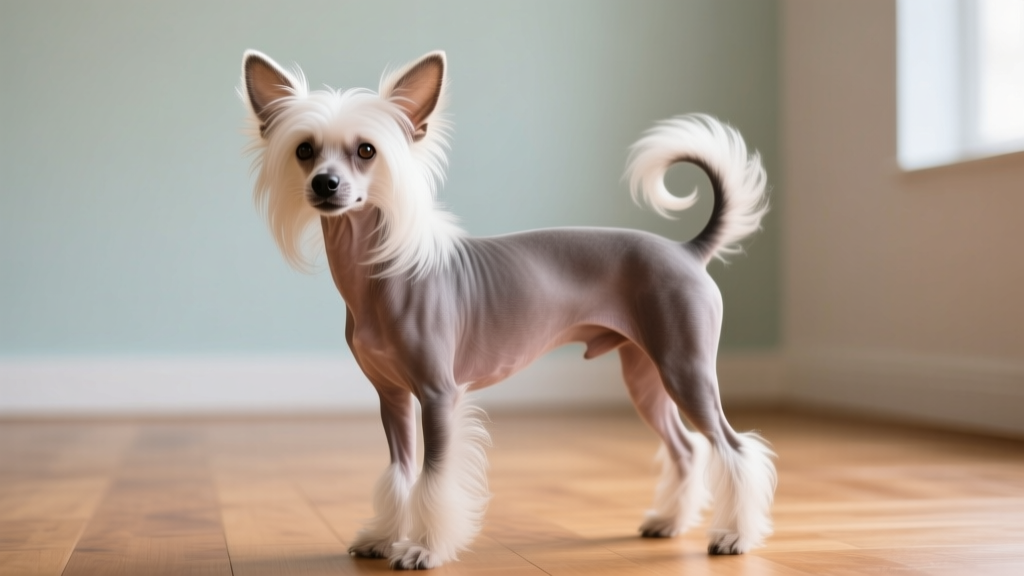
Australian Shepherd Pictures & Breed Profile: Colors,...
Explore stunning Australian Shepherd pictures alongside a complete breed profile covering temperament, health risks, exercise needs, and 2026 ownership costs.

Australian Shepherd Breed Overview: The Athletic Herder With a Show-Stopping Coat
If you've been scrolling through Australian Shepherd pictures online and wondering whether this striking breed could be your next family dog, you're not alone. The Aussie consistently ranks among the AKC's top 15 most popular breeds, and for good reason — their merle coats, piercing eyes, and boundless intelligence make them both photogenic and deeply rewarding companions. But behind those gorgeous photos is a working dog with serious needs that prospective owners must understand before committing.
Despite the name, the Australian Shepherd was actually developed in the western United States during the 19th century. Basque shepherds who immigrated from Australia brought their herding dogs with them, and American ranchers refined the breed to work livestock across rugged Western terrain. The result is a medium-to-large herding dog built for endurance, agility, and independent problem-solving.
| Attribute | Detail |
|---|---|
| Size Class | Medium-Large |
| Weight (Male) | 50–65 lb / 23–29 kg |
| Weight (Female) | 40–55 lb / 18–25 kg |
| Height (Male) | 20–23 inches / 51–58 cm |
| Height (Female) | 18–21 inches / 46–53 cm |
| Lifespan | 12–15 years |
| Coat Type | Double coat, medium length, straight to wavy |
| Energy Level | High — 60–90+ minutes daily |
| Grooming | Moderate — brushing 2–3x per week |
| AKC Group | Herding |
Coat Colors, Patterns, and What Makes Australian Shepherd Pictures So Captivating
The primary reason Australian Shepherd pictures dominate social media feeds is the breed's extraordinary coat diversity. Recognized AKC colors include blue merle, red merle, solid black, and solid red — all with or without white markings and tan (copper) points. The merle pattern, caused by the M locus gene, creates that signature marbled, mottled appearance that photographers love.
Beyond coat color, Aussies are famous for their eyes. They can have brown, blue, amber, or hazel eyes — and frequently display heterochromia (two different colored eyes) or even marbled eyes with multiple colors in a single iris. This genetic trait, linked to the merle gene, gives each dog a one-of-a-kind look.
Their double coat features a weather-resistant outer layer that is straight to slightly wavy, with a soft, dense undercoat. Males tend to have a more pronounced mane and ruff around the neck. The coat is moderate in length — longer on the back of the legs (feathering) and shorter on the face and ears. Many Aussies are born with naturally bobbed tails or have tails docked to approximately 4 inches, per breed tradition.
Temperament & Personality: Five Core Traits Every Owner Should Expect
Australian Shepherds are not casual pets — they're full-contact family members who want to participate in everything you do. Here are the five defining personality traits you'll encounter:
1. Intense Intelligence and Problem-Solving Drive
Aussies rank among the most trainable breeds, but this intelligence comes with a catch: they'll solve problems you didn't want solved. Expect them to figure out latch mechanisms on gates, open low cabinets, and learn routines well enough to anticipate your moves. One owner I worked with reported her Aussie learned to nudge the lever-style door handle to let herself into the garage — where the dog food was stored.
2. Velcro-Dog Attachment
This breed bonds deeply with their primary people and tends to follow them room-to-room. They're known for leaning against your legs, resting a paw on your foot, or positioning themselves in doorways to maintain visual contact. Separation anxiety is a genuine concern if they're left alone for long stretches without enrichment.
3. Herding Instinct
Their herding heritage manifests as nipping at heels, circling running children, and attempting to "gather" groups of people or other pets. This is hardwired behavior, not misbehavior — but it requires management and redirection, especially in households with small children or cats.
4. Reserved With Strangers
Unlike Golden Retrievers who greet everyone like a long-lost friend, Aussies are typically aloof with unfamiliar people. They'll observe from a distance, assess, and warm up on their own timeline. Early socialization (between 8–16 weeks) is critical to prevent this wariness from hardening into fear-based reactivity.
5. High-Octane Playfulness
Aussies retain puppy-like enthusiasm well into adulthood. They excel at frisbee, fetch, agility courses, and water play. Many will initiate games by dropping toys in your lap or performing a "play bow" to invite interaction. This play drive is a major asset for training but means they need structured outlets to prevent destructive boredom behaviors.
Exercise & Activity Needs: What the Pictures Don't Show You
Those stunning Australian Shepherd pictures of dogs racing through fields? That's not optional recreation — it's a biological requirement. This breed needs a minimum of 60–90 minutes of vigorous daily exercise, and many individuals thrive with two hours or more.
| Activity Type | Duration | Frequency | Notes |
|---|---|---|---|
| Off-leash running/hiking | 30–60 min | Daily | Secure areas only; recall training essential |
| Structured fetch/frisbee | 15–30 min | Daily | Use a Chuckit! launcher to save your arm |
| Mental enrichment | 15–20 min | Daily | Puzzle feeders, snuffle mats, training sessions |
| Agility or sport training | 20–40 min | 2–3x per week | Excellent for physical and mental burn |
| Leash walking | 20–30 min | Daily | Baseline activity; not sufficient alone |
A word of caution: physical exercise alone won't tire an Aussie. You must pair it with mental stimulation — obedience drills, scent work, puzzle toys like the Kong Wobbler or Outward Hound Nina Ottosson puzzles, or learning new tricks. A physically exhausted but mentally unstimulated Aussie will often still find ways to entertain themselves, usually by chewing furniture or digging up landscaping.
Puppies under 18 months should avoid high-impact activities like repetitive jumping or long-distance running on hard surfaces to protect developing joints. Stick to free play, short walks, and soft-surface activities until growth plates close. Your veterinarian can confirm growth plate closure via X-ray if you're unsure.
Training & Intelligence: Channeling That Brainpower
Australian Shepherds are rated among the top 10 most trainable dog breeds by canine intelligence researcher Stanley Coren. They learn new commands in fewer than 5 repetitions and obey known commands on the first attempt 95% of the time or better. However, their intelligence means they bore easily with repetitive training and will start improvising if sessions become monotonous.
Recommended training methods center on positive reinforcement and force-free techniques. Use high-value treats (freeze-dried liver, small pieces of chicken), clicker marking, and variable reward schedules to maintain engagement. Keep training sessions short — 5 to 10 minutes for puppies, 10 to 15 minutes for adults — and end on a success.
Critical training priorities for Aussies include:
- Recall (come when called) — essential for off-leash freedom and safety
- Impulse control — "leave it," "wait," and settle training to manage herding instincts
- Leash manners — their pulling strength at 50+ lb requires early loose-leash training
- Socialization — structured exposure to diverse people, surfaces, sounds, and other dogs during the 8–16 week critical window
Aversive tools like shock collars, prong collars, and alpha rolls are counterproductive with this breed. Aussies are sensitive and tend to shut down or develop fear-based aggression when subjected to punishment-based methods. If you're struggling, consult a certified professional dog trainer (CPDT-KA or IAABC-credentialed) who uses LIMA (Least Intrusive, Minimally Aversive) methods.
Common Health Issues: What Prospective Owners Must Know
While Australian Shepherds are generally robust, the breed carries predispositions to several significant conditions. Responsible breeders screen for these using OFA (Orthopedic Foundation for Animals) and genetic testing protocols.
| Condition | Description | Estimated Prevalence | Screening Method |
|---|---|---|---|
| Hip Dysplasia | Malformation of hip joint causing arthritis | ~6–8% of Aussies (OFA data) | OFA/PennHIP X-ray evaluation |
| MDR1 Gene Mutation | Sensitivity to ivermectin, loperamide, and other drugs | ~32% of Aussies carry the mutation | WSU Veterinary Clinical Pharmacology Lab DNA test |
| Hereditary Cataracts | Clouding of eye lens, can cause blindness | Affects a notable minority; age of onset varies | Annual CERF/OFA ophthalmologist exam |
| Epilepsy (Idiopathic) | Recurring seizures with no identifiable cause | Estimated 2–4% of the breed | Diagnosis of exclusion by veterinarian |
| Collie Eye Anomaly (CEA) | Congenital retinal defect ranging from mild to blinding | Present in a subset; more common in merle-to-merle breedings | Ophthalmologist exam + DNA test |
The MDR1 mutation deserves special attention. Dogs with this mutation can suffer severe neurological reactions — including tremors, seizures, and death — from common medications like ivermectin (found in some heartworm preventives at elevated doses), loperamide (Imodium), and certain chemotherapy drugs. The Merck Veterinary Manual notes that the MDR1 mutation affects drug transport across the blood-brain barrier. Ask your veterinarian about MDR1 testing before any new medication is prescribed. The Washington State University Veterinary Clinical Pharmacology Lab offers a mail-in DNA test for approximately $70.
Double merle breeding (breeding two merle-patterned dogs together) produces puppies with a 25% chance of being "double merle" — which carries high risks of deafness, blindness, and other ocular defects. Reputable breeders never breed merle to merle. If you see Australian Shepherd pictures of predominantly white puppies with extensive blue eyes, be cautious — this can be a red flag for double merle breeding.
Always consult your veterinarian about breed-specific health screening and preventive care. They can help you build a monitoring plan tailored to your individual dog.
Grooming Requirements: Maintaining That Photogenic Coat
That gorgeous double coat you see in Australian Shepherd pictures requires consistent maintenance — especially during shedding seasons.
Routine Grooming Schedule:
- Brushing: 2–3 times per week using a slicker brush and undercoat rake. Focus on the feathering behind the ears, the britches (back of hind legs), and the ruff area where mats form most easily.
- Shedding season (spring and fall): Daily brushing with a de-shedding tool like the Furminator or an undercoat rake. Expect significant hair loss — these dogs "blow" their undercoat heavily twice a year.
- Bathing: Every 6–8 weeks, or as needed. Use a high-quality canine shampoo; over-bathing strips natural oils from the double coat.
- Nail trimming: Every 2–4 weeks. Active dogs on rough terrain may wear nails down naturally, but most need regular trims.
- Ear cleaning: Check weekly for debris and moisture, especially after swimming. Clean with a veterinarian-recommended ear cleanser as needed.
- Dental care: Daily brushing with enzymatic dog toothpaste or, at minimum, 3–4 times per week to prevent periodontal disease.
Essential grooming tools include: a Chris Christensen Big G slicker brush (or similar quality slicker), a long-toothed undercoat rake, a stainless steel comb for checking for tangles, and a high-velocity dryer for shedding season blow-outs. Professional grooming every 8–12 weeks ($50–$80 per session) can help manage the coat if you're not comfortable with at-home maintenance.
Important: Never shave an Australian Shepherd. Their double coat provides insulation against both heat and cold, and shaving can permanently damage the coat's texture and regrowth pattern. It also increases sunburn risk and does not reduce shedding — it simply produces shorter hair that sheds everywhere.
Family Suitability: Kids, Other Pets, and Living Environments
Children: Aussies can be excellent family dogs with children they're raised alongside, but their herding instinct requires active management. They may nip at running children's heels or attempt to body-block toddlers. Supervision is mandatory with children under 8, and kids must be taught to respect the dog's space — especially during meals and sleep. Best suited for families with children ages 8+ who can participate in the dog's exercise and training.
Other Dogs: Generally good with other dogs, especially when socialized early. Same-sex aggression can occur in some lines. Introductions to new dogs should be managed on neutral territory.
Cats and Small Pets: Variable. Aussies raised with cats often coexist peacefully, but their prey drive and herding instinct can make life stressful for household cats. Small pets like rabbits, hamsters, or birds should be kept securely separated — the herding/prey drive is unpredictable around small, fast-moving animals.
Apartment Living: Possible but challenging. An Aussie in an apartment requires a committed owner who can provide 90+ minutes of outdoor exercise daily, rain or shine. Without a yard, you'll need to be creative — dog parks, hiking trails, daycare, and structured sport activities become essential. This breed is far better suited to homes with fenced yards (minimum 6-foot fencing; some Aussies are athletic jumpers).
Pros of Owning an Australian Shepherd
- Exceptionally intelligent and trainable
- Loyal, deeply bonded companions
- Excel in dog sports (agility, obedience, disc, herding trials)
- Versatile — hiking, running, and adventure partners
- Generally healthy with 12–15 year lifespan
- Striking appearance with diverse coat colors
Cons of Owning an Australian Shepherd
- Very high exercise and mental stimulation needs
- Heavy shedding, especially during coat blows
- Herding instinct problematic around small children and cats
- Prone to separation anxiety if left alone excessively
- Not ideal for first-time owners or sedentary lifestyles
- MDR1 mutation requires medication awareness
Cost of Ownership: Puppy Price and Annual Expenses
Budgeting realistically before bringing an Aussie home prevents surrender statistics from climbing. Here's what to expect financially:
Puppy Purchase Price:
- AKC-registered from a health-tested breeder: $1,800–$3,500 (varies by region, lineage, and color)
- Show/breeding-quality puppies from champion lines: $3,000–$5,000+
- Adoption from breed-specific rescue: $300–$600 (Australian Shepherd rescue organizations like ASCA-affiliated rescues regularly have dogs needing homes)
First-Year Estimated Costs:
| Expense | Estimated Cost |
|---|---|
| Puppy purchase | $1,800–$3,500 |
| Veterinary (vaccines, spay/neuter, exams) | $600–$1,200 |
| Food (high-quality kibble or balanced diet) | $500–$800 |
| Supplies (crate, bed, leash, bowls, toys) | $300–$500 |
| Training (group classes + private sessions) | $200–$600 |
| Grooming (tools + professional sessions) | $200–$500 |
| Pet insurance (recommended) | $400–$700/year |
| Heartworm/flea/tick prevention | $200–$400 |
| First-Year Total | $4,200–$8,200 |
Ongoing Annual Costs (After Year One): $2,000–$3,500 per year, covering food, preventive medications, routine veterinary care, grooming, insurance, and enrichment supplies. Emergency veterinary care for conditions like epilepsy management or hip surgery can add $2,000–$8,000+ in unexpected expenses, making pet insurance or a dedicated emergency fund strongly recommended.
Frequently Asked Questions About Australian Shepherds
Is the Australian Shepherd right for first-time dog owners?
Generally, no. The Australian Shepherd's combination of high energy, strong herding instincts, sensitivity, and intelligence makes them a challenging breed for someone without prior dog-handling experience. First-time owners who are committed to investing in professional training, providing extensive daily exercise, and learning about canine behavior can succeed — but they should go in with eyes open. Breeds like the Labrador Retriever or Cavalier King Charles Spaniel tend to be more forgiving of beginner mistakes. If you're a first-time owner set on an Aussie, consider an adult dog from a rescue (typically 2–5 years old, past the high-energy puppy phase) and enroll in training classes immediately.
How much exercise does an Australian Shepherd need daily?
A minimum of 60–90 minutes of vigorous physical activity, plus 15–20 minutes of dedicated mental enrichment, every single day. This should include off-leash running, structured fetch or disc play, and training sessions. A 20-minute leash walk around the block is not sufficient — it's the equivalent of a warm-up, not a workout. Many Aussie owners find success with a combination of morning exercise (30–45 min hike or run), midday mental enrichment (puzzle feeder or training session), and evening play (fetch, agility, or dog park visit).
What health problems are Australian Shepherds prone to?
The most significant breed-specific concerns include hip dysplasia (6–8% prevalence), the MDR1 drug sensitivity gene mutation (approximately 32% carrier rate), hereditary cataracts, idiopathic epilepsy (2–4%), and Collie Eye Anomaly. Double merle dogs face elevated risks of deafness and blindness. Work with your veterinarian to establish a screening and monitoring protocol, and always disclose your dog's breed to any vet or emergency clinic so MDR1-safe medications are used.
How big does an Australian Shepherd get?
Adult males typically weigh 50–65 lb (23–29 kg) and stand 20–23 inches (51–58 cm) at the shoulder. Adult females are slightly smaller at 40–55 lb (18–25 kg) and 18–21 inches (46–53 cm). Some individuals fall slightly outside these ranges. Note that the Miniature American Shepherd (formerly called the Miniature Australian Shepherd) is a separate AKC-recognized breed standing 13–18 inches and weighing 20–40 lb — if you see Australian Shepherd pictures of very small dogs, they may be this related breed.
Are Australian Shepherds good with children and other pets?
With proper socialization and management, yes — but their herding instinct requires supervision. Aussies tend to do well with children ages 8 and older who understand how to interact respectfully with dogs. Toddlers and running children may trigger herding behaviors (nipping, body-blocking). With other dogs, Aussies are generally sociable, though same-sex aggression can occur. Cat compatibility varies by individual — early exposure helps but doesn't guarantee harmony. Small pets should be kept safely separated.
How much does an Australian Shepherd cost to buy and maintain?
Expect to pay $1,800–$3,500 for a puppy from a responsible, health-testing breeder, or $300–$600 through a breed rescue. First-year total expenses typically range from $4,200–$8,200 including the puppy, veterinary care, food, supplies, training, and insurance. Ongoing annual costs settle to approximately $2,000–$3,500 per year. Over a 12–15 year lifespan, total lifetime ownership costs range from $28,000–$55,000+ depending on healthcare needs and lifestyle choices.
Whether you're drawn to Australian Shepherd pictures for their striking merle coats, their athletic prowess, or their legendary loyalty, understanding the full picture — beyond the photo — is essential. This is a breed that rewards dedicated owners with unparalleled companionship, but demands genuine commitment to exercise, training, and healthcare. If your lifestyle matches their needs, an Aussie will give you a lifetime of adventures worth photographing.
Anouk Beaumont
All our authors care for dogs every day — read more of their work on the authors page.