Australian Shepherd Pics: Breed Profile, Traits & Care Guide
Explore stunning Australian Shepherd pics alongside a complete breed profile covering temperament, health risks, exercise needs, grooming, and

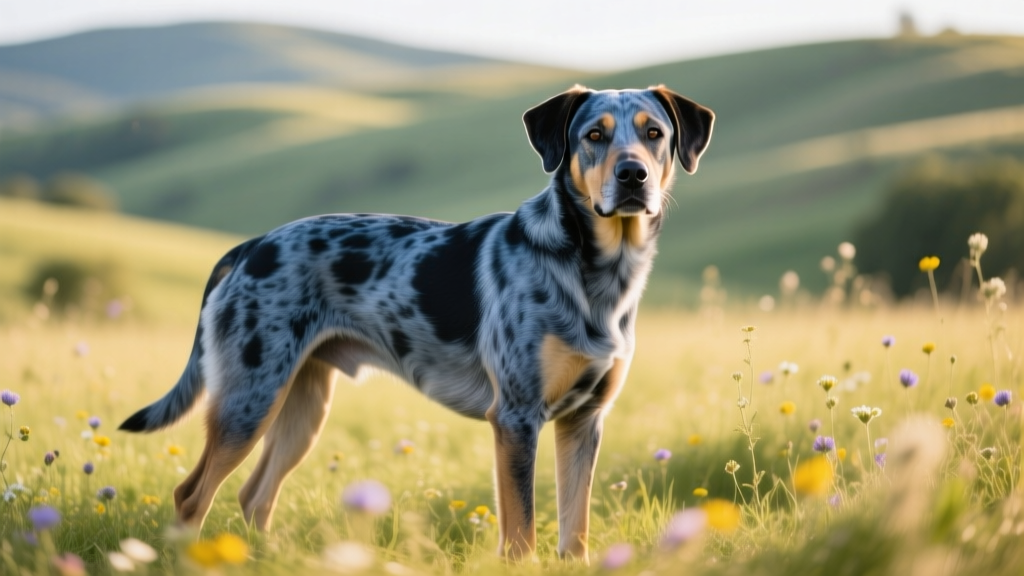
If you've been scrolling through Australian Shepherd pics online and falling for those striking merle coats and intense, intelligent eyes, you're not alone. The Australian Shepherd — affectionately called the "Aussie" — consistently ranks among the AKC's top 15 most popular breeds in the United States. But behind those photogenic good looks is a high-drive herding dog that demands serious commitment. Before you bring one home, here's everything you need to know.
Breed Overview: Origins and Quick Facts
Despite the name, the Australian Shepherd was developed entirely in the western United States during the 19th century. Basque shepherds who emigrated from Australia's sheep-grazing regions brought their herding dogs with them, and American ranchers refined the breed for cattle and sheep work across the Rocky Mountain states. The AKC officially recognized the breed in 1991, though the Australian Shepherd Club of America (ASCA) had been maintaining registries since the 1950s.
Aussies are a medium-to-large herding breed built for endurance, agility, and independent problem-solving. They're the dogs you see executing complex frisbee routines, excelling in agility trials, and working livestock on ranches across the American West.
| Size Class | Medium-Large (Herding Group) |
|---|---|
| Weight (Males) | 50–65 lb / 23–29 kg |
| Weight (Females) | 40–55 lb / 18–25 kg |
| Height (Males) | 20–23 inches / 51–58 cm |
| Height (Females) | 18–21 inches / 46–53 cm |
| Lifespan | 12–15 years |
| Coat Type | Double coat, medium length, straight to wavy |
| Energy Level | Very High |
| Trainability | Exceptional (5/5) |
| Good With Families | Yes, with proper exercise and socialization |
Physical Characteristics: What Makes Aussie Pics So Striking
The reason Australian Shepherd pics go viral isn't accidental — this breed has genuinely stunning physical features. The most iconic is the merle coat pattern, a marbled mix of darker patches on a lighter base. Aussies come in four AKC-recognized colors: blue merle, red merle, solid black, and solid red, all typically accented with white markings and copper (tan) points.
Their eyes are equally captivating and can be brown, blue, hazel, or any combination — including heterochromia (two different-colored eyes) or even marbled eyes with multiple colors in a single iris. This genetic trait is linked to the merle gene and is one of the breed's most photographed features.
Aussies have a moderately built, athletic frame. They're slightly longer than tall, with a strong topline and a naturally bobbed tail (or docked tail in working lines — though many owners now leave natural tails intact). The double coat features a weather-resistant outer layer and a soft, dense undercoat. Males present more substantial bone and mass, while females are noticeably more refined.
Temperament and Personality: Beyond the Photogenic Exterior
An Australian Shepherd's personality is as vivid as its coat. Here are the five core traits that define the breed:
- High-drive and work-oriented: Aussies need a job. Without one, they'll invent their own — which often means herding your children, chasing your cat, or obsessively shadowing you from room to room. One owner I worked with described her Aussie as "a dog who clocked in for work every morning and expected a performance review."
- Velcro-loyal: This isn't a breed that lounges in another room. Aussies bond intensely with their primary person and prefer to be within visual contact at all times. This devotion makes them wonderful companions but also predisposes them to separation anxiety if left alone for long stretches without preparation.
- Intellectually restless: Ranked among the most intelligent dog breeds, Aussies learn commands in fewer than five repetitions and will test boundaries constantly. They solve problems — opening gates, unlatching crates, figuring out where you hid the treats — with alarming speed.
- Reserved with strangers: Unlike a Golden Retriever who greets everyone as a long-lost friend, Aussies tend to assess newcomers with cautious observation. Early socialization is essential to prevent this wariness from developing into fear-based reactivity.
- Playful and athletic: Well-exercised Aussies are exuberant play partners. They excel at fetch, frisbee, hiking, swimming, and any sport that combines physical exertion with mental challenge.
Exercise and Activity Needs: The Non-Negotiable Commitment
This is where many prospective owners underestimate the breed. An Australian Shepherd requires a minimum of 60–90 minutes of vigorous exercise daily, and many individuals thrive on two hours or more. A leisurely 20-minute walk around the block will not satisfy this dog.
| Activity Type | Duration | Purpose |
|---|---|---|
| Structured exercise (running, hiking, biking) | 30–45 minutes | Physical endurance outlet |
| Interactive play (fetch, frisbee, flirt pole) | 20–30 minutes | Burst energy release, bonding |
| Mental stimulation (training, puzzle toys, nose work) | 15–20 minutes | Cognitive fatigue, behavior prevention |
| Free exploration (sniff walks, off-leash in safe areas) | 15–20 minutes | Sensory enrichment, decompression |
For apartment dwellers: Aussies can adapt to apartment living, but only if you commit to multiple daily outings, nearby dog park visits, and structured indoor enrichment. A yard is helpful but not sufficient — an under-stimulated Aussie in a fenced yard will pace, dig, and bark just as destructively as one in an apartment.
Excellent outlet activities include agility, rally obedience, herding trials, dock diving, disc dog competitions, and advanced trick training. According to the AKC sports and events program, Aussies are consistently top performers across nearly all canine athletic disciplines.
Health Issues: Breed-Specific Conditions to Monitor
Australian Shepherds are generally robust, but responsible ownership means understanding their genetic predispositions. Always consult your veterinarian about screening protocols for your individual dog.
| Condition | Prevalence | Screening / Notes |
|---|---|---|
| Hip Dysplasia | ~6–8% (OFA data) | OFA/PennHIP evaluation at 24 months; maintain lean body condition |
| Elbow Dysplasia | ~4–5% | OFA elbow radiographs; avoid repetitive high-impact activity in puppies |
| Hereditary Cataracts | ~5–7% | Annual CERF/OFA ophthalmologist exam; can appear as early as 1–2 years |
| MDR1 Gene Mutation | ~32% of Aussies carry the mutation | DNA test via Washington State University; affects drug sensitivity to ivermectin, loperamide, and others |
| Epilepsy (Idiopathic) | ~4–6% | Typically onset 6 months–5 years; managed with anti-seizure medication per veterinary guidance |
The MDR1 mutation deserves special attention. Dogs carrying two copies of the mutant MDR1 gene can experience severe neurological reactions to common medications including ivermectin (found in some heartworm preventives at higher doses), loperamide (Imodium), and certain chemotherapy agents. A simple cheek swab DNA test through the WSU Veterinary Clinical Pharmacology Lab costs approximately $70 and can prevent life-threatening drug reactions.
The double-merle breeding concern is also worth noting: breeding two merle-patterned Aussies together produces a 25% chance of double-merle puppies, which are at high risk for deafness, blindness, and other developmental defects. Reputable breeders never pair merle to merle.
Grooming Requirements: Managing That Double Coat
Australian Shepherds are moderate-to-heavy shedders year-round with two major seasonal "blowouts" (spring and fall) when the undercoat releases in large quantities. Here's a practical grooming schedule:
- Brushing: 2–3 times per week using a slicker brush and undercoat rake. During shedding season, daily brushing with a de-shedding tool (such as the Furminator or a comparable undercoat rake) significantly reduces household fur.
- Bathing: Every 6–8 weeks or as needed. Use a dog-specific, pH-balanced shampoo. Over-bathing strips natural oils from the double coat and can cause skin dryness.
- Nail trims: Every 2–3 weeks. If you hear clicking on hard floors, they're too long.
- Ear cleaning: Weekly inspection; clean with a veterinary-approved ear cleanser when debris accumulates. Aussies' semi-floppy ears can trap moisture and predispose to otitis externa.
- Dental care: Daily tooth brushing with enzymatic dog toothpaste is ideal; at minimum, aim for 3 times per week. Professional dental cleanings under anesthesia typically recommended every 1–3 years based on veterinary assessment.
Never shave an Australian Shepherd. The double coat provides insulation against both heat and cold. Shaving disrupts the coat structure, can cause permanent textural changes, and actually reduces the dog's ability to thermoregulate.
Training and Intelligence: Channeling a Brilliant Mind
Aussies are among the easiest breeds to train in terms of raw learning ability — but "easy to train" does not mean "easy to live with untrained." Their intelligence means they learn bad habits just as quickly as good ones.
Recommended methods: Positive reinforcement training (treat rewards, toy rewards, clicker marking) is overwhelmingly the most effective approach for this breed. Aussies are sensitive dogs who shut down under harsh correction. Force-free, reward-based methods build the confidence and enthusiasm that make training sessions productive.
Key training priorities for Aussies:
- Impulse control: "Leave it," "wait," and a reliable recall are essential. Their herding instinct drives them to chase moving objects — cars, bicycles, squirrels, running children.
- Off-switch training: Teach a "settle" or "place" command early. Aussies need to learn that relaxation is a rewarded behavior, not just the absence of stimulation.
- Socialization window: Between 8–16 weeks, expose your Aussie puppy to diverse people, surfaces, sounds, and other animals. Insufficient socialization during this critical period is the leading behavioral risk for the breed.
- Herding instinct management: Nipping at heels and circling are innate herding behaviors. Redirect these to appropriate outlets (herding balls, treibball, livestock work) rather than punishing them.
Family Suitability: Kids, Pets, and Living Arrangements
Strengths as a Family Dog
- Deeply loyal and protective of family members
- Sturdy enough to handle active, respectful children
- Enthusiastic adventure companion for hiking, camping, swimming
- Highly trainable — can learn household rules and boundaries reliably
- Generally good with other dogs when properly socialized
Challenges for Families
- Herding instinct may cause nipping at running children or other pets
- High exercise demands require significant daily time commitment
- Prone to separation anxiety if left alone 8+ hours regularly
- Heavy shedding may not suit households with allergy sufferers
- Can be vocal — barking at strangers, delivery drivers, neighborhood activity
With children: Aussies do well with kids aged 8 and up who understand how to interact respectfully with dogs. For toddlers, the herding-nipping behavior and the dog's high energy can create chaotic or unsafe situations. Always supervise interactions and teach children not to approach the dog while eating or sleeping.
With other pets: Well-socialized Aussies typically coexist peacefully with other dogs. Cats can work if the cat is confident and the Aussie is raised alongside felines from puppyhood. Small animals (rabbits, hamsters, chickens) trigger strong prey/herding drive and require careful management or separation.
Cost of Ownership: Budgeting for an Aussie
| Category | Cost Range |
|---|---|
| Puppy from responsible breeder (health-tested parents, AKC registration) | $1,800–$3,500 |
| Adoption from breed-specific rescue | $300–$600 |
| Initial supplies (crate, bed, leash, bowls, grooming tools) | $250–$500 |
| Puppy veterinary series (vaccines, deworming, spay/neuter) | $400–$800 |
| Annual food (premium kibble or balanced diet, 30–40 lb dog) | $500–$900 |
| Annual preventive care (heartworm, flea/tick, vaccines, wellness exam) | $350–$600 |
| Annual grooming supplies or professional grooming | $100–$400 |
| Training classes (group obedience, agility, or sport training) | $200–$600/year |
| Pet insurance (accident + illness plan) | $40–$80/month |
| Estimated first-year total | $3,500–$7,500+ |
| Estimated annual ongoing cost | $1,500–$3,000 |
These figures assume a healthy dog with no major medical events. Emergency veterinary care for conditions like bloat, fracture repair, or epilepsy management can add $2,000–$8,000+ per incident. Pet insurance is strongly recommended for this breed given the prevalence of conditions like hip dysplasia and epilepsy that may require long-term management.
Frequently Asked Questions
Is the Australian Shepherd right for first-time owners?
Honestly, this breed is a challenging choice for a first-time dog owner. The combination of high exercise needs, intense intelligence, strong herding instincts, and sensitivity to inconsistent training means novice owners often feel overwhelmed. If you're a first-time owner set on an Aussie, commit to working with a certified professional dog trainer (CPDT-KA or equivalent) from day one and be prepared for a steep learning curve. Lower-energy breeds like the Cavalier King Charles Spaniel or Bichon Frise may be more forgiving of beginner mistakes.
How much exercise does an Australian Shepherd need daily?
A minimum of 60–90 minutes of vigorous physical activity, plus 15–20 minutes of dedicated mental stimulation. Many Aussies thrive on two hours or more of combined activity. This should include structured exercise (running, hiking), interactive play (fetch, frisbee), and brain work (training sessions, puzzle feeders, scent games).
What health problems are Australian Shepherds prone to?
The most significant breed-specific concerns are hip dysplasia (~6–8%), elbow dysplasia (~4–5%), hereditary cataracts (~5–7%), the MDR1 drug-sensitivity gene mutation (~32% carrier rate), and idiopathic epilepsy (~4–6%). Responsible breeders screen for hip, elbow, and eye conditions through OFA certifications and DNA-test for MDR1 and hereditary cataracts before breeding.
How big does an Australian Shepherd get?
Adult males typically weigh 50–65 lb (23–29 kg) and stand 20–23 inches (51–58 cm) at the shoulder. Females are smaller at 40–55 lb (18–25 kg) and 18–21 inches (46–53 cm). Note: "Miniature American Shepherds" are a separate AKC-recognized breed (13–18 inches, 20–40 lb) often confused with small Aussies.
Are Australian Shepherds good with children and other pets?
With proper socialization, Aussies are excellent family dogs for households with older, respectful children (generally 8+). Their herding instinct can cause heel-nipping with running toddlers, so supervision is essential. They typically do well with other dogs and can coexist with cats if raised together. Small pets like rabbits or birds may trigger prey drive and require careful management.
How much does an Australian Shepherd cost to buy and maintain?
Expect to pay $1,800–$3,500 for a puppy from a responsible breeder who health-tests parents, or $300–$600 through a breed rescue. First-year costs including supplies, veterinary care, food, and training typically range from $3,500–$7,500. Ongoing annual costs for a healthy adult Aussie average $1,500–$3,000, not including emergency veterinary care.
Those gorgeous Australian Shepherd pics capture a genuinely remarkable breed — brilliant, athletic, and deeply bonded to their people. If you can match their energy and commit to the training, exercise, and health screening they require, an Aussie will reward you with one of the most fulfilling partnerships in the dog world. If the lifestyle fit isn't quite right, consider channeling that admiration into supporting an Australian Shepherd rescue organization — there are always Aussies waiting for homes that can meet their needs.
Dr. Hannah Wickes
All our authors care for dogs every day — read more of their work on the authors page.