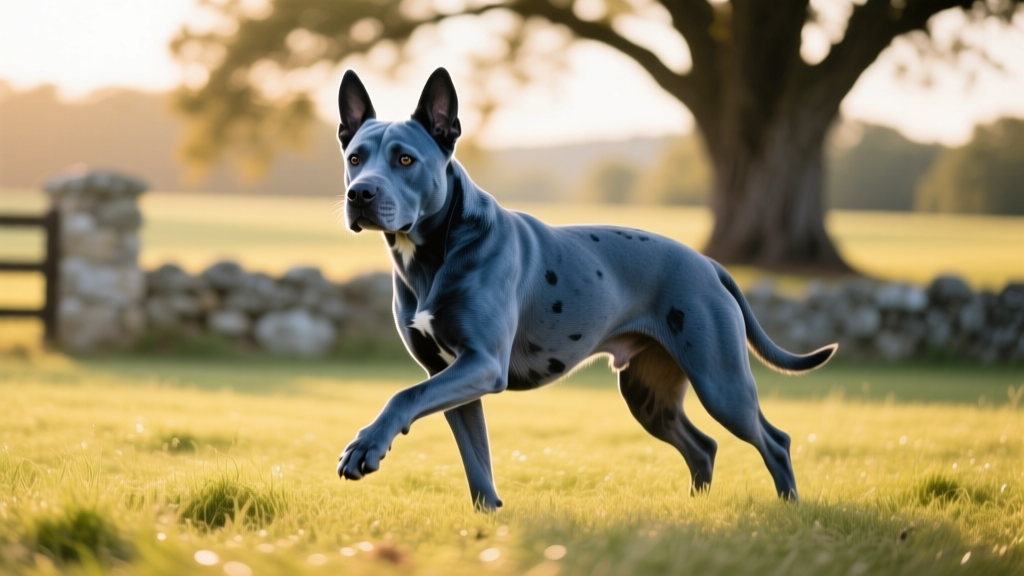
12 Different Kinds of Dog Breeds Ranked by Apartment-Friendliness
Explore 12 different kinds of dog breeds ranked for apartment living. Compare size, energy, noise level, and costs to find your ideal city companion.

Living in an apartment doesn't mean you have to skip dog ownership — but it does mean choosing wisely. Not every breed thrives in a 600-square-foot space with shared walls and limited outdoor access. After working with hundreds of urban dog owners and reviewing breed standards from the American Kennel Club, I've ranked the most apartment-friendly breeds using a concrete scoring system rather than guesswork.
This guide covers 12 different kinds of dog breeds that genuinely adapt well to apartment life, plus the ones you should think twice about before signing a lease.
How I Ranked These Breeds: Selection Criteria
Five factors determine whether a breed earns a spot on this list:
- Noise Level (Weight: 25%): Breeds prone to excessive barking score poorly. Shared walls mean your dog's vocalizations become your neighbor's problem. Data sourced from AKC breed temperament notes and veterinary behaviorist observations.
- Energy Requirements (Weight: 25%): Dogs needing less than 60 minutes of vigorous daily exercise score higher. Apartment dwellers rarely have fenced yards for off-leash zoomies.
- Size & Space Needs (Weight: 20%): Smaller dogs generally adapt better, but some large, low-energy breeds outperform hyperactive small breeds. Weight alone doesn't determine apartment suitability.
- Separation Tolerance (Weight: 15%): Breeds that handle 6-8 hours alone without destructive anxiety earn bonus points. Urban professionals need dogs that won't dismantle the couch during work hours.
- Trainability & Adaptability (Weight: 15%): Breeds that learn house rules quickly, adapt to elevator rides, and stay calm around strangers in lobbies score higher.
Scoring: Each breed receives 1-5 points per category. Maximum possible score: 25. Minimum threshold for this list: 17/25.
Top 12 Apartment-Friendly Breeds Ranked
Breeds are grouped into three tiers based on total score. Within each tier, ordering reflects real-world adaptability based on owner feedback and veterinary behavior assessments.
Tier 1: Excellent Apartment Dogs (Score 21-25)
1. Cavalier King Charles Spaniel — Score: 24/25
Size Class: Small (13-18 lb / 6-8 kg, 12-13 in / 30-33 cm)
Key Apartment Trait: Exceptionally quiet; rarely barks without cause
The Cavalier is the gold standard for apartment living. They require only 30-40 minutes of moderate walking daily, bond deeply without becoming clingy-destructive, and genuinely seem to prefer couch time over outdoor adventures. Their biggest drawback is mitral valve disease, which affects an estimated 50% of Cavaliers by age 5 — budget for cardiology screenings ($200-$400/year).
Why this breed made the list: Near-perfect noise profile combined with low exercise demands and strong separation tolerance (4-6 hours comfortably).
2. Greyhound — Score: 23/25
Size Class: Large (60-70 lb / 27-32 kg, 27-30 in / 69-76 cm)
Key Apartment Trait: Notoriously lazy indoors despite racing reputation
The "45-mph couch potato" earns its nickname. Greyhounds sprint for 30 seconds, then sleep for 18 hours. A single 20-30 minute leash walk plus one short sprint session in a secured area satisfies their daily needs. They're virtually silent — many owners report their Greyhound never barking at all. Retired racing Greyhounds are widely available through rescue organizations for $300-$500 adoption fees.
Why this breed made the list: Proves that large size doesn't disqualify apartment living when energy output is minimal and vocalization is near zero.
3. Bichon Frise — Score: 22/25
Size Class: Small (12-18 lb / 5-8 kg, 9.5-11.5 in / 24-29 cm)
Key Apartment Trait: Hypoallergenic coat sheds minimally, keeping shared spaces clean
Bichons are cheerful, adaptable, and handle alone time reasonably well for a companion breed. Their curly, low-shed coat means less allergen spread in HVAC-shared buildings. They need 30-45 minutes of daily activity and respond beautifully to positive reinforcement training. Professional grooming runs $50-$75 every 4-6 weeks — factor this into your budget.
Why this breed made the list: Combines low allergen output with cheerful adaptability and moderate energy, making them ideal for allergy-conscious apartment dwellers.
4. French Bulldog — Score: 21/25
Size Class: Small (16-28 lb / 7-13 kg, 11-13 in / 28-33 cm)
Key Apartment Trait: Extremely low exercise needs; 20-30 minutes of gentle walking suffices
Frenchies are apartment naturals — they rarely bark, don't need much exercise, and fit comfortably in small spaces. Their brachycephalic (flat-faced) structure means they overheat easily, which actually limits their desire for intense activity. However, this same anatomy causes brachycephalic obstructive airway syndrome (BOAS), affecting an estimated 50%+ of the breed. Expect potential surgical corrections ($2,000-$6,000) and avoid hot-weather walks.
Why this breed made the list: Unmatched for low-energy urban living, though health costs are a real consideration that owners must budget for.
Tier 2: Very Good Apartment Dogs (Score 18-20)
5. Shih Tzu — Score: 20/25
Size Class: Small (9-16 lb / 4-7 kg, 9-10.5 in / 23-27 cm)
Key Apartment Trait: Bred purely as a companion; thrives on indoor proximity to owners
Shih Tzus were literally designed for palace living. They need 20-30 minutes of indoor play or short walks, rarely bark excessively, and handle being left for 4-5 hours. Their long coat requires daily brushing or a shorter "puppy cut" maintained by grooming every 6-8 weeks.
6. Boston Terrier — Score: 19/25
Size Class: Small (12-25 lb / 5-11 kg, 15-17 in / 38-43 cm)
Key Apartment Trait: Compact, sturdy, and notably quieter than most terrier-type breeds
Boston Terriers bring terrier personality without the typical terrier volume. They're playful but not hyperactive, needing 30-45 minutes of daily exercise. Their short coat is virtually maintenance-free. Some lines are prone to patellar luxation and eye issues — ask breeders for OFA and CERF certifications.
7. Pug — Score: 19/25
Size Class: Small (14-18 lb / 6-8 kg, 10-13 in / 25-33 cm)
Key Apartment Trait: Low exercise drive and strong desire to stay near their person
Pugs are apartment-friendly to a fault — they'll happily binge-watch Netflix with you. They need only 20-30 minutes of gentle activity. Like Frenchies, they're brachycephalic and prone to breathing issues, obesity, and eye problems. Keep them lean (body condition score 4-5/9) to minimize respiratory strain.
8. Havanese — Score: 18/25
Size Class: Small (7-13 lb / 3-6 kg, 8.5-11.5 in / 22-29 cm)
Key Apartment Trait: Surprisingly sturdy for their size; adapts well to elevators, public transit, and busy lobbies
Havanese are the extroverts of the toy group. They handle novel environments better than most small breeds, making them excellent for apartment dwellers who take their dogs on errands. They need 30 minutes of daily activity and respond well to reward-based training. Separation anxiety can be an issue if left alone more than 5-6 hours regularly.
Tier 3: Good with Caveats (Score 17-18)
9. Italian Greyhound — Score: 18/25
Size Class: Small (7-14 lb / 3-6 kg, 13-15 in / 33-38 cm)
Key Apartment Trait: Quiet and indoor-oriented, but sensitive to cold and loud environments
Italian Greyhounds are essentially miniature Greyhounds with similar couch-potato tendencies. They're silent indoors and need only 20-30 minutes of walking. The caveat: they're thin-skinned (literally), fracture-prone, and can be nervous in noisy buildings. Best for quiet, upper-floor apartments without small children.
10. Miniature Schnauzer — Score: 17/25
Size Class: Small (11-20 lb / 5-9 kg, 12-14 in / 30-36 cm)
Key Apartment Trait: Low-shed coat and alert-but-manageable bark
Mini Schnauzers are smart, trainable, and low-shedding. They score slightly lower due to higher energy (45-60 minutes needed) and a tendency to bark at hallway noises. Consistent positive reinforcement training and puzzle feeders mitigate both issues effectively.
11. Coton de Tulear — Score: 17/25
Size Class: Small (9-15 lb / 4-7 kg, 9-11 in / 23-28 cm)
Key Apartment Trait: Rarely barks; cotton-like coat is low-allergen
This rare Malagasy breed is a hidden gem for apartment living. They're quiet, adaptable, and genuinely enjoy indoor life. The main challenge is availability — expect 6-12 month waitlists from responsible breeders and prices of $2,500-$4,000. Rescue options are limited.
12. Whippet — Score: 17/25
Size Class: Medium (25-40 lb / 11-18 kg, 18-22 in / 46-56 cm)
Key Apartment Trait: Calm indoors with a single daily sprint requirement
Whippets are slightly larger Greyhounds with similar apartment suitability. They need one 20-minute sprint session in a fenced area daily, then sleep the rest of the day. They're quiet, clean, and gentle. The caveat: you must have access to a secure area for off-leash running within a reasonable distance.
Breed Comparison Table: All 12 Ranked Breeds at a Glance
| Breed | Weight | Daily Exercise | Noise Level | Alone Time Tolerance | Score |
|---|---|---|---|---|---|
| Cavalier King Charles Spaniel | 13-18 lb | 30-40 min | Very Low | 4-6 hrs | 24 |
| Greyhound | 60-70 lb | 20-30 min + sprint | Near Zero | 6-8 hrs | 23 |
| Bichon Frise | 12-18 lb | 30-45 min | Low | 4-6 hrs | 22 |
| French Bulldog | 16-28 lb | 20-30 min | Very Low | 4-6 hrs | 21 |
| Shih Tzu | 9-16 lb | 20-30 min | Low | 4-5 hrs | 20 |
| Boston Terrier | 12-25 lb | 30-45 min | Low-Moderate | 4-6 hrs | 19 |
| Pug | 14-18 lb | 20-30 min | Low | 3-5 hrs | 19 |
| Havanese | 7-13 lb | 30 min | Low | 3-5 hrs | 18 |
| Italian Greyhound | 7-14 lb | 20-30 min | Very Low | 4-5 hrs | 18 |
| Miniature Schnauzer | 11-20 lb | 45-60 min | Moderate | 4-6 hrs | 17 |
| Coton de Tulear | 9-15 lb | 25-35 min | Very Low | 3-5 hrs | 17 |
| Whippet | 25-40 lb | 20 min + sprint | Very Low | 6-8 hrs | 17 |
Decision Framework: Choosing Between the Top 3
The top three breeds — Cavalier King Charles Spaniel, Greyhound, and Bichon Frise — each suit different lifestyles. Use this flowchart to narrow your choice:
- Step 1: What's your living situation regarding pet weight limits?
- → If your building has a 25 lb weight limit: Choose Cavalier or Bichon.
- → If no weight limit or 50+ lb allowed: Continue to Step 2.
- Step 2: Do you or household members have dog allergies?
- → Yes: Choose Bichon Frise (low-shed, low-dander coat).
- → No: Continue to Step 3.
- Step 3: How many hours per day will the dog be alone?
- → 6+ hours regularly: Choose Greyhound (best separation tolerance).
- → 4-5 hours: Cavalier or Bichon both work well.
- Step 4: What's your veterinary budget?
- → Limited ($500-$1,000/year): Greyhound (fewer breed-specific health issues, especially retired racers).
- → Moderate to high ($1,500-$3,000+/year): Cavalier (plan for cardiac screening and potential mitral valve treatment).
- Step 5: How important is outdoor adventure to you?
- → I want a hiking/running companion: None of these three are ideal — consider the Whippet (#12) for short runs.
- → I prefer leisurely walks and couch time: Any of the top three are perfect.
Breeds to Avoid in Apartments (And Why)
Some breeds are fundamentally incompatible with apartment living regardless of training. These breeds consistently fail one or more of our five criteria:
- Siberian Husky: High energy (90-120 min needed), extreme vocalization (howling, "talking"), and severe separation anxiety. They will howl through walls and destroy furniture when bored.
- Border Collie: Bred for 12-hour herding days; apartments cannot meet their mental and physical stimulation needs. Without proper outlets, they develop compulsive behaviors.
- Jack Russell Terrier: Deceptively small but explosively energetic. They need 60-90 minutes of vigorous activity and tend toward nuisance barking at every hallway sound.
- Beagle: Surprisingly poor apartment dogs despite moderate size. Their nose-driven nature leads to baying (a loud, carrying vocalization), and they're prone to escaping through any gap to follow scents.
- Weimaraner: Large, high-energy, and prone to severe separation anxiety. They need 90+ minutes of intense exercise and do poorly when left alone in confined spaces.
Honorable Mentions
These breeds narrowly missed the top 12 but are viable for specific apartment scenarios:
- Basenji: Virtually barkless (they yodel instead), but high energy and cat-like independence make them challenging for first-time owners.
- Chinese Crested (Powderpuff): Tiny, quiet, and low-exercise — but extremely sensitive and prone to skin issues requiring careful management.
- Tibetan Spaniel: Rare, quiet, and apartment-sized — but difficult to source from responsible breeders (waitlists of 1-2 years).
Costs to Budget for Apartment Dog Ownership
Apartment living adds specific costs beyond standard dog ownership. Here's what to expect in 2026:
| Expense | Low End | High End | Notes |
|---|---|---|---|
| Pet rent (monthly) | $25 | $75 | Some buildings charge per pet |
| Pet deposit | $200 | $500 | Often partially refundable |
| Dog walker (if needed) | $15/walk | $30/walk | Urban areas; 3-5x/week |
| Indoor potty system | $30 | $200 | Fresh Patch, DoggieLawn, etc. |
| Sound-mitigating bed | $40 | $120 | Reduces impact noise to units below |
| Renter's insurance (pet liability) | $10/month | $25/month | Breed restrictions may apply |
First-year total estimate: $1,800-$4,500 (including adoption/purchase, deposits, supplies, veterinary care, and ongoing pet rent).
Frequently Asked Questions
What are the best apartment-friendly dog breeds for first-time owners?
The Cavalier King Charles Spaniel and Bichon Frise are the most forgiving for first-time owners. They're trainable with positive reinforcement, don't require expert-level behavior management, and adapt readily to new routines. Avoid sighthounds (Greyhounds, Whippets) as a first dog unless you're prepared to learn about their unique prey drive and recall challenges.
Can large dogs really live in apartments?
Yes — size matters less than energy level. A 65-pound Greyhound is a better apartment dog than a 15-pound Jack Russell Terrier. The key factors are daily exercise needs, noise level, and separation tolerance. Large, low-energy breeds like Greyhounds, Great Danes (honorable mention for experienced owners), and Mastiff-types can thrive in apartments if they get adequate daily walks.
How do I manage bathroom breaks in a high-rise apartment?
Establish a strict schedule: first thing in the morning, midday (walker or lunch break visit), and evening. For puppies, add trips every 2-3 hours. Many high-rise owners use indoor grass patches (Fresh Patch, $30-$40/month subscription) as emergency options. Train a specific potty cue word during outdoor trips so your dog learns to go on command — critical when you're waiting in an elevator.
Are there breed restrictions I should know about?
Many apartment buildings restrict breeds commonly associated with breed-specific legislation (BSL), including Pit Bull-type dogs, Rottweilers, Dobermans, and German Shepherds. Check your lease agreement and local ordinances before adopting. Some buildings also enforce weight limits (commonly 25-50 lb). Always get pet policies in writing before signing a lease.
Should I get a puppy or adult dog for apartment living?
Adult dogs (2+ years) are significantly easier for apartment living. Puppies require bathroom breaks every 2-3 hours, cry during crate training (problematic with shared walls), and have unpredictable energy bursts. An adult dog with a known temperament and established house training eliminates most apartment-specific challenges. If you want a puppy, plan for 2-3 weeks of intensive scheduling and consider a white-noise machine for nighttime crying.
Always consult your veterinarian before making breed-specific health decisions, and consider working with a certified professional dog trainer (CPDT-KA) for apartment-specific behavior training using positive reinforcement methods.
Anouk Beaumont
All our authors care for dogs every day — read more of their work on the authors page.