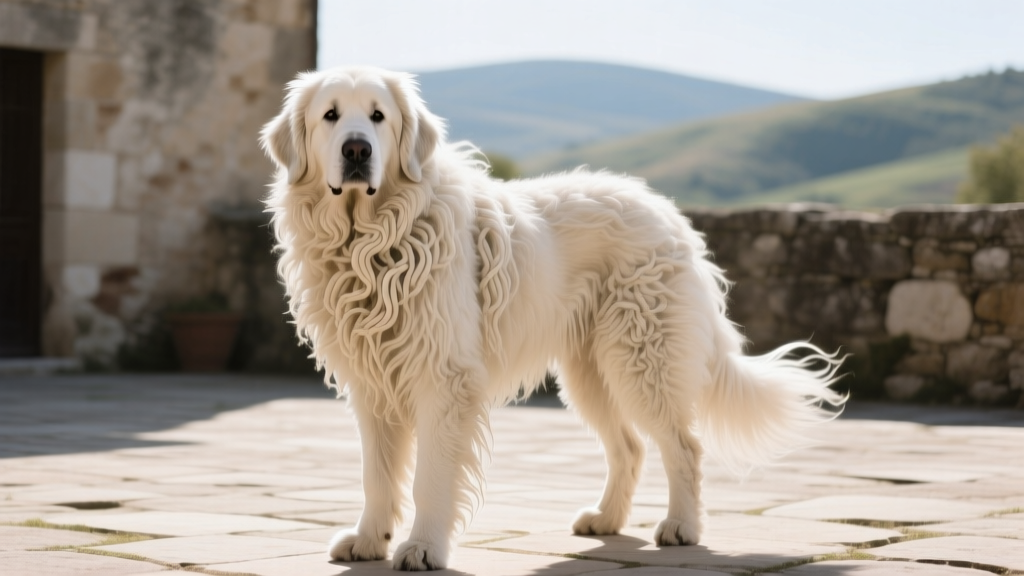
Anatolian Shepherd Mix: What to Expect From This Giant Crossbreed
Considering an Anatolian Shepherd mix? Learn about size, temperament, health risks, coat types, costs.

What Is an Anatolian Shepherd Mix?
An Anatolian Shepherd mix is any crossbreed that pairs the Anatolian Shepherd Dog — Turkey's ancient livestock guardian — with another breed. Unlike designer mixes such as Labradoodles or Goldendoodles, there is no single "standard" Anatolian Shepherd cross. You'll most commonly encounter Anatolian Shepherd crossed with German Shepherd, Labrador Retriever, Great Pyrenees, or Kangal (though the AKC now recognizes the Kangal as a separate breed from the Anatolian Shepherd as of recent reclassification). Each pairing produces a dramatically different dog.
These mixes typically show up in rescue organizations and rural working-dog rehoming situations rather than intentional designer-breeder programs. If you're considering one, understanding the parent breeds and the wide range of possible outcomes is essential before committing to a dog that can weigh over 150 pounds.
The Parent Breeds: Anatolian Shepherd and Common Crosses
Before predicting what a mix will look like, you need to understand the genetic raw material. The Anatolian Shepherd Dog is one of the oldest livestock guardian breeds, originating in central Turkey over 6,000 years ago. These dogs were bred to protect flocks from wolves and bears — independently, without human direction — which shaped a temperament fundamentally different from herding or companion breeds.
| Trait | Anatolian Shepherd | German Shepherd | Labrador Retriever | Great Pyrenees |
|---|---|---|---|---|
| Weight Range | 80–150 lb / 36–68 kg | 50–90 lb / 23–41 kg | 55–80 lb / 25–36 kg | 85–100+ lb / 39–45+ kg |
| Height | 27–29 in / 69–74 cm | 22–26 in / 56–66 cm | 21.5–24.5 in / 55–62 cm | 25–32 in / 64–81 cm |
| Original Purpose | Livestock guardian | Herding / working | Retrieving / gun dog | Livestock guardian |
| Temperament | Independent, reserved, protective | Loyal, trainable, driven | Friendly, outgoing, eager | Calm, patient, protective |
| Energy Level | Low-medium (patrol-style) | High | High | Low-medium |
| Trainability | Moderate (independent thinker) | Very high | Very high | Moderate |
| Lifespan | 11–13 years | 7–10 years | 10–12 years | 10–12 years |
The Anatolian's key traits — independence, territorial instinct, low barking threshold at night, and wariness of unfamiliar people and dogs — tend to show up strongly in mixes, even when the other parent is a highly sociable breed like the Labrador. Guardian genetics are dominant in expression more often than not.
How Big Will an Anatolian Shepherd Mix Get?
Size is one of the more predictable traits in these crosses because the Anatolian Shepherd is a giant breed. The mix will almost always land in the large-to-giant range, but exact size depends heavily on the other parent breed and which parent's growth genes dominate.
| Cross | Weight (lb / kg) | Height at Shoulder (in / cm) |
|---|---|---|
| Anatolian × German Shepherd | 75–130 lb / 34–59 kg | 24–29 in / 61–74 cm |
| Anatolian × Labrador | 70–120 lb / 32–54 kg | 24–28 in / 61–71 cm |
| Anatolian × Great Pyrenees | 90–160 lb / 41–73 kg | 27–32 in / 69–81 cm |
| Anatolian × Kangal | 100–170 lb / 45–77 kg | 28–33 in / 71–84 cm |
| Anatolian × smaller breed (rare) | 50–90 lb / 23–41 kg | 22–27 in / 56–69 cm |
Males consistently run 15–30 lb heavier than females. Most Anatolian Shepherd mixes reach near-adult height by 12–14 months but continue filling out in chest and muscle mass until 18–24 months, consistent with giant-breed growth timelines. Plan for a dog that will eat 4–7 cups of large-breed kibble daily and needs a vehicle rated for transport if you're heading to the vet.
Coat Types, Shedding, and Grooming Needs
The Anatolian Shepherd has a short-to-medium double coat with a dense undercoat, typically in fawn, cream, or brindle with a black mask. Coat outcomes in mixes depend entirely on the other parent:
- Anatolian × German Shepherd: Usually a medium-length double coat, heavy seasonal shedding ("blowing coat" twice yearly), weekly brushing required with daily brushing during shed seasons.
- Anatolian × Labrador: Short, dense double coat. Moderate year-round shedding with seasonal peaks. Low grooming effort — weekly slicker brush session.
- Anatolian × Great Pyrenees: Longer, thicker coat possible. Heavy shedding. Requires brushing 3–4 times per week to prevent matting behind ears, under legs, and around the ruff.
- Anatolian × Kangal: Short, dense coat very similar to the purebred Anatolian. Moderate seasonal shedding.
Grooming costs at professional salons run $60–$120 per session for giant breeds if you opt for deshedding treatments during peak coat-blowing seasons. At minimum, invest in an undercoat rake ($15–$25) and a high-velocity dryer ($100–$200 for home use) if you choose a longer-coated cross.
Temperament: What to Expect (and What Might Surprise You)
Temperament is where Anatolian Shepherd mixes show the widest variability. You can land anywhere on a spectrum, and even puppies in the same litter can differ dramatically. Here's the realistic range:
Best-Case Scenario
A confident, calm dog that is deeply loyal to family, moderately friendly with known visitors, good with children in the household, and tolerant of other family pets. The dog patrols the yard with quiet vigilance, barks appropriately at genuine threats, and settles indoors. This outcome requires early socialization (8–16 weeks is critical), consistent positive reinforcement training, and an owner who understands guardian-breed body language.
Challenging Scenario
A dog that is overly territorial, reactive to strangers approaching the property, aggressive toward unfamiliar dogs (same-sex aggression is common in livestock guardian genetics), difficult to redirect once aroused, and resistant to obedience commands that conflict with its guarding instincts. Without proper socialization, some individuals become fear-reactive or develop resource guarding around property boundaries.
- Night barking: Guardian breeds are wired to be most vigilant at dusk and dawn. Expect vocalization at night, especially in rural or suburban settings with wildlife.
- Independence: Unlike a Border Collie that looks to you for direction, an Anatolian mix often makes its own decisions. "Come" may be treated as a suggestion, not a command.
- Low prey drive variability: Some individuals will protect cats and chickens as "their flock." Others will chase and kill them. Early exposure is critical and still not a guarantee.
- Stranger wariness: Friendly greeting of strangers is unlikely. Polite tolerance is a realistic training goal.
Training must be force-free and positive-reinforcement-based. Aversive methods (shock collars, prong collars, alpha rolls) are particularly damaging with guardian breeds — they can increase fear-based aggression and destroy the trust these dogs need to accept handler guidance. Work with a certified trainer experienced with livestock guardian breeds if behavioral challenges emerge.
Health Considerations: Hybrid Vigor vs. Reality
There's a persistent myth that mixed-breed dogs are automatically healthier than purebreds due to "hybrid vigor." The reality is more nuanced. While outcrossing can reduce the incidence of recessive genetic diseases that are concentrated within a single breed's gene pool, an Anatolian Shepherd mix can still inherit any condition that either parent breed carries. According to the Merck Veterinary Manual, large and giant breeds carry elevated orthopedic risk regardless of whether they're purebred or mixed.
| Condition | Inherited From | Prevalence in Large Breeds | Screening Method |
|---|---|---|---|
| Hip Dysplasia | Both parents | 15–25% in giant breeds | OFA or PennHIP radiograph ($200–$400) |
| Elbow Dysplasia | Both parents | 10–15% in large breeds | OFA elbow radiograph ($150–$300) |
| Gastric Dilatation-Volvulus (Bloat) | Giant-breed conformation | 5–8% lifetime risk in deep-chested breeds | Preventive gastropexy ($300–$800) |
| Hypothyroidism | Anatolian Shepherd | Moderate prevalence | Annual thyroid panel ($80–$150) |
| Entropion / Ectropion | Anatolian Shepherd | Low-moderate | Veterinary ophthalmologic exam ($100–$250) |
| Degenerative Myelopathy | German Shepherd (if cross) | Carrier rate ~35% in GSDs | DNA test ($65–$125 via Embark or Wisdom Panel) |
| Hemangiosarcoma | German Shepherd (if cross) | Elevated in GSD lineage | No screening; monitor for symptoms |
If you're acquiring a puppy from a breeder, ask for OFA hip and elbow clearances on both parent dogs. For rescue dogs, budget for a baseline orthopedic exam and consider pet insurance — large-breed policies typically run $60–$120/month but can offset the $4,000–$8,000 cost of hip replacement surgery if dysplasia becomes severe.
Bloat is the most urgent emergency risk. Deep-chested Anatolian mixes should be fed two to three smaller meals rather than one large meal, should not exercise vigorously within one hour of eating, and owners should learn to recognize early signs: unproductive retching, distended abdomen, restlessness, and pale gums. If you observe these signs, go to an emergency vet immediately — bloat is fatal without surgery within hours.
Cost: Purchase Price, Rescue Fees, and Annual Budget
Anatolian Shepherd mixes are not commonly produced by intentional designer-dog breeders, which affects both availability and pricing. Here's what to expect in 2026:
| Source | Cost Range | Availability |
|---|---|---|
| Breeder (intentional cross) | $800–$2,500 | Rare — few breeders produce this mix deliberately |
| Breeder (accidental litter / farm-bred) | $200–$600 | Moderate in rural areas, especially Western and Southern US |
| Breed-specific rescue (Anatolian Shepherd rescue networks) | $200–$500 adoption fee | Moderate — mixes frequently appear in these rescues |
| General shelter / humane society | $50–$300 adoption fee | Common in rural shelters, less common in urban areas |
Beyond acquisition, budget for significant ongoing costs. Annual care for a giant-breed dog typically runs $2,500–$4,500, including:
- Food: $80–$160/month for quality large-breed kibble (look for AAFCO complete-and-balanced statement, minimum 22% protein for adult maintenance)
- Heartworm prevention: $15–$25/month (dosing is weight-based; giant-breed doses cost more — Heartgard Plus for 101+ lb dogs runs ~$130 for a 6-month supply)
- Flea/tick prevention: $20–$40/month for large-breed dosing (NexGard, Simparica Trio, or Bravecto)
- Veterinary care: $600–$1,200/year for wellness exams, vaccines, and bloodwork
- Fencing: Minimum 6-foot fencing required; installation runs $2,500–$6,000 for a standard yard. Underground/invisible fences are ineffective for guardian breeds — their territorial drive overrides the shock deterrent.
Who Should (and Shouldn't) Get an Anatolian Shepherd Mix
This mix is not a one-size-fits-all dog. Here's a practical decision framework:
This mix is a good fit if you:
- Have prior experience with large guardian or working breeds
- Live on acreage or a large, securely fenced property (minimum 1/4 acre with 6-foot fencing)
- Need a livestock guardian or property-watchdog companion
- Have older children (10+) who understand how to interact calmly with large dogs
- Can commit to 30–60 minutes of daily exercise plus mental enrichment
- Are prepared for a 10–13 year commitment with a dog that may need orthopedic care in later years
This mix is a poor fit if you:
- Are a first-time dog owner
- Live in an apartment or have close neighbors sensitive to night barking
- Have very small children (the dog's size alone poses an accidental-injury risk, and guardian instinct toward children can become overprotective)
- Want a highly obedient, off-leash reliable companion — these dogs are not recall-reliable in open areas
- Cannot commit to early, extensive socialization during the critical 8–16 week window
- Rent your home (many landlords restrict breeds over 80 lb, and the guardian temperament can complicate renter's insurance)
Frequently Asked Questions
What two breeds make up an Anatolian Shepherd mix?
An Anatolian Shepherd mix is a cross between a purebred Anatolian Shepherd Dog and any other breed. The most common pairings found in rescues and rural settings are with German Shepherds, Labrador Retrievers, Great Pyrenees, and other guardian breeds. There is no single "standard" mix — the second parent breed varies widely.
How big will my Anatolian Shepherd mix get?
Most Anatolian Shepherd mixes reach 70–160 lb (32–73 kg) and stand 24–32 inches (61–81 cm) at the shoulder as adults. Males are typically larger. Exact size depends on the other parent breed, nutrition during growth, and individual genetics. Giant-breed growth formula food should be used through 18 months to manage growth rate and reduce orthopedic risk.
Are Anatolian Shepherd mixes good with children?
They can be excellent with children in their own family — the guardian instinct often extends to protecting "their" kids. However, their massive size means accidental knocks can injure toddlers, and some individuals become overprotective, growling at children's friends during rough play. Always supervise interactions, and teach children to respect the dog's space, especially during eating and sleeping. The AVMA recommends that no child under 10 be left unsupervised with any large dog.
How much exercise does an Anatolian Shepherd mix need?
Despite their size, these dogs are not high-energy athletes. They need 30–60 minutes of moderate daily exercise — long walks, supervised yard time, or light hiking. They are patrol-oriented rather than endurance-oriented. Avoid forced running or high-impact exercise (agility, frisbee) until growth plates close at 18–24 months to protect developing joints.
Do Anatolian Shepherd mixes get along with other dogs?
Variable. Many are tolerant of dogs in their own household, especially if raised together. Same-sex aggression is a known trait in livestock guardian genetics. Dog park visits are generally not recommended — these dogs tend to take offense at unfamiliar dogs approaching and can escalate conflicts quickly. Introduce new dogs on neutral territory with controlled, leashed meetings.
Can I use an Anatolian Shepherd mix as a livestock guardian?
Yes, if the dog was raised with livestock from puppyhood (ideally 8–16 weeks). Guardian instinct is genetically driven, but proper bonding to the flock or herd requires early, consistent exposure. A mix with another guardian breed (Great Pyrenees, Kangal) is more likely to show strong working instinct than a mix with a non-guardian breed. Consult with experienced livestock guardian dog mentors — organizations like the AKC and regional LGD networks can connect you with working-dog resources.
This article provides general guidance and should not replace professional veterinary or behavioral consultation. Always consult your veterinarian for health decisions specific to your dog, and work with a certified professional dog trainer (CPDT-KA or IAABC-certified) for behavioral concerns.
Jonas Cole
All our authors care for dogs every day — read more of their work on the authors page.