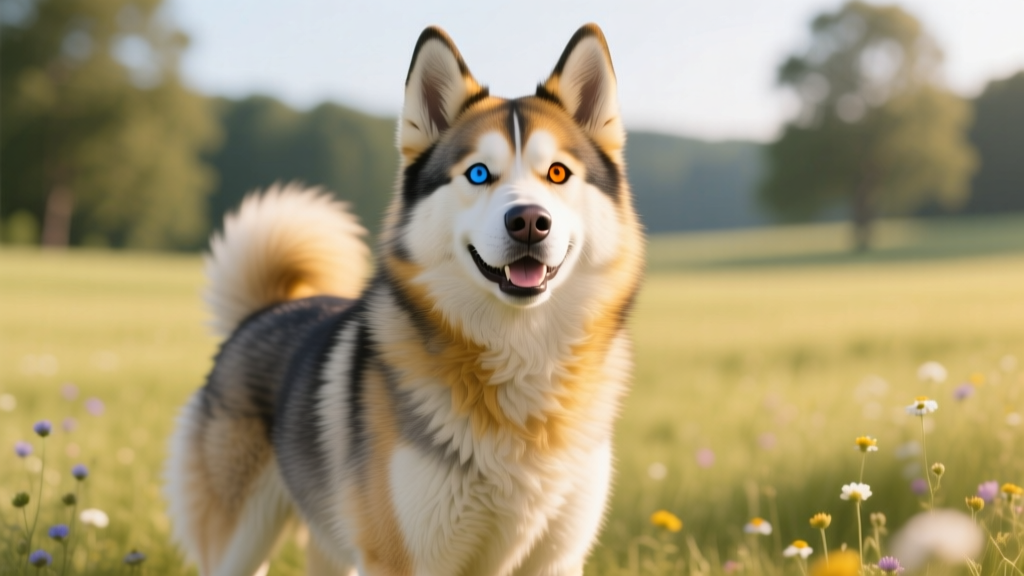
American Pit Bull Terrier Mixed With Boxer: Complete Bullboxer Guide
Everything about the American Pit Bull Terrier mixed with Boxer: size, temperament, health risks, coat care, costs, and who the Bullboxer suits best.

The American Pit Bull Terrier mixed with Boxer — commonly called the Bullboxer or Pitoxer — combines two athletic, people-oriented working breeds into one muscular, high-energy companion. If you're researching this cross before adopting or buying, you need honest information about what's predictable and what's a genetic coin flip. This guide breaks down every practical angle so you can decide whether the Bullboxer fits your household.
Parent Breed Breakdown: Pit Bull Terrier Meets Boxer
Understanding a mixed breed starts with understanding its parents. The American Pit Bull Terrier (APBT) and the Boxer share some traits — loyalty, athleticism, affection toward people — but diverge significantly in build, energy expression, and health profiles.
| Trait | American Pit Bull Terrier | Boxer |
|---|---|---|
| AKC/UKC Recognition | UKC recognized; AKC recognizes the closely related American Staffordshire Terrier | AKC recognized (Working Group) |
| Weight Range | 30–65 lb / 14–29 kg | 50–80 lb / 23–36 kg |
| Height | 17–21 in / 43–53 cm | 21.5–25 in / 55–64 cm |
| Lifespan | 12–16 years | 10–12 years |
| Coat | Short, stiff, single coat | Short, smooth, single coat |
| Energy Level | High — needs 60–90 min/day | High — needs 60–90 min/day |
| Original Function | Bull-and-terrier sport, later farm/yard dog | Big-game hunting, later military/police work |
| Prey Drive | Moderate to high (terrier heritage) | Moderate (chase instinct from hunting) |
| Stranger Friendliness | Generally friendly; poor guard dog | Alert but warms up quickly |
Both breeds are known for clownish, affectionate behavior with their families, but the Boxer tends to be more exuberant and bouncy, while the APBT is often described as a "velcro dog" that leans into you for constant contact. These traits can blend in any proportion in a Bullboxer.
Generations Explained: F1, F1B, and Backcross Variability
What Generation Is Your Bullboxer?
- F1 (First Cross): 50% APBT × 50% Boxer. This is the most common generation you'll find. Traits are least predictable — puppies in the same litter can look and behave very differently.
- F1B (Backcross): 75% one parent breed, 25% the other. For example, an F1 Bullboxer bred back to a Boxer. Slightly more predictable toward the dominant breed.
- F2 (Second Generation): Two F1 Bullboxers bred together. This produces the widest trait variation because recessive genes from both breeds can recombine unexpectedly.
- Multigen: Multiple generations of Bullboxer-to-Bullboxer breeding. Rare for this particular mix. Trait predictability improves slightly, but this is not an established breed with a written standard.
Most Bullboxers available through rescues and breeders are F1 crosses. Unlike Poodle-based designer breeds, there is no large-scale multigen Bullboxer breeding community, so expect F1-level variability.
Size, Build, and Appearance: What to Expect
Because both parents are medium-to-large muscular breeds, the Bullboxer's size range is narrower than some designer mixes — but it's still not a guarantee.
| Measurement | Minimum | Maximum |
|---|---|---|
| Weight | 35 lb / 16 kg | 80 lb / 36 kg |
| Height at Withers | 18 in / 46 cm | 24 in / 61 cm |
A Bullboxer leaning toward the APBT parent will be stockier, more compact, and lighter. One leaning toward the Boxer parent will be taller, leggier, and may have a broader chest. Most adults settle between 45–65 lb (20–29 kg), but outliers on both ends are common.
Predictable vs. Unpredictable Traits
| Likely Predictable | Highly Variable |
|---|---|
| Short coat (both parents carry this) | Exact coat color and pattern |
| Athletic, muscular build | Head shape (boxy vs. wedge) |
| High energy requirement | Ear set (floppy, rose, or cropped) |
| People-oriented temperament | Dog-to-dog sociability |
| Moderate shedding | Tail length and carriage |
Temperament Range: Best Case and Challenging Scenarios
Bullboxers inherit two breeds that are intensely loyal and eager to interact with their humans. In the best-case scenario, you get a dog that is:
- Deeply bonded to family, including respectful children
- Playful and clownish well into adulthood
- Intelligent and responsive to positive reinforcement training
- Alert without being excessively barky
In challenging scenarios, the same genetic combination can produce:
- High arousal and impulse reactivity — both breeds were selected for physical tenacity, and a Bullboxer that hasn't learned impulse control can be a handful on leash
- Dog selectivity or same-sex aggression — more common in APBT lineage; not guaranteed but a real possibility that requires early socialization and management
- Separation-related distress — both breeds bond closely and can develop destructive behaviors if left alone for long stretches without enrichment
- Prey-driven chasing — cats, squirrels, and small dogs may trigger a chase response that requires careful management
Early socialization (before 14–16 weeks of age) is critical. The American Veterinary Society of Animal Behavior recommends structured positive exposure to diverse people, environments, surfaces, and friendly vaccinated dogs during this developmental window.
Training note: Force-free, positive reinforcement methods (treat rewards, clicker training, play rewards) are the only approaches recommended for Bullboxers. Their sensitivity to their handler means aversive tools like shock collars or prong collars damage trust and can escalate reactivity. Look for trainers certified by CCPDT or IAABC who follow LIMA (Least Intrusive, Minimally Aversive) protocols.
Health Considerations: Hybrid Vigor Myth vs. Reality
A common claim about designer mixes is that "hybrid vigor" eliminates health problems. This is misleading. While outcrossing can reduce the risk of recessive conditions that are concentrated in one breed's gene pool, it does not protect against conditions that both parent breeds share. The Bullboxer can inherit any condition common to either parent.
| Condition | Parent Breed Source | Prevalence Notes | Screening Method |
|---|---|---|---|
| Hip Dysplasia | Both breeds | Boxers: ~19% affected per OFA data; APBTs: ~24% | OFA or PennHIP radiographs |
| Dilated Cardiomyopathy (DCM) | Boxer (Boxer cardiomyopathy) | Estimated 10–20% of Boxers develop arrhythmias | Holter monitor, echocardiogram |
| Aortic Stenosis | Boxer | One of the most common congenital heart defects in Boxers | Cardiac auscultation + echocardiogram |
| Hypothyroidism | Both breeds | Autoimmune thyroiditis in both lines | Full thyroid panel (T4, free T4, TSH, antibodies) |
| Allergies (atopic dermatitis) | Both breeds | Very common — environmental and food allergies | Clinical diagnosis, elimination diet trial |
| Demodectic Mange | APBT | Pit Bull-type dogs are predisposed to Demodex mite overgrowth | Skin scraping |
| Degenerative Myelopathy | Boxer (carrier line) | Some Boxer lines carry the SOD1 mutation | DNA test via Embark or UC Davis |
If you're buying from a breeder, request proof of hip scoring (OFA/PennHIP), cardiac clearance, and thyroid testing for both parent dogs. According to the AKC's guide to OFA health testing, responsible breeders submit results to the Orthopedic Foundation for Animals database. If a breeder can't provide these clearances, walk away.
Always consult your veterinarian about a breed-appropriate wellness plan, including cardiac screening for Boxer-lineage dogs starting at 12 months of age.
Coat, Shedding, and Grooming Needs
The Bullboxer is not hypoallergenic. Both parent breeds have short, single-layer coats that shed moderately year-round. You'll find hair on furniture, clothing, and car seats — this is non-negotiable with this mix.
Grooming Routine
- Brushing: 2–3 times per week with a rubber curry brush (like the Kong ZoomGroom, ~$8) or a bristle brush. This removes loose hair and distributes skin oils.
- Bathing: Every 4–6 weeks, or as needed. Use a gentle, dog-specific shampoo (pH 6.5–7.5). Over-bathing strips coat oils and worsens shedding.
- Nail trimming: Every 2–3 weeks. Active Bullboxers on concrete may wear nails naturally, but dewclaws always need trimming.
- Ear cleaning: Weekly check; clean with a vet-recommended ear wash if floppy-eared (Boxer-type ears trap more moisture).
- Dental care: Daily brushing with enzymatic dog toothpaste, or at minimum 3× weekly. Both parent breeds are prone to periodontal disease by age 5.
Seasonal shedding spikes in spring and fall are typical. A high-quality diet with adequate omega-3 fatty acids (look for EPA+DHA at 1,000–1,500 mg per day for a 50 lb dog) can improve coat condition and reduce excessive shedding.
Exercise, Training, and Mental Stimulation
A Bullboxer needs a minimum of 60–90 minutes of structured physical activity daily. This is not a dog that thrives with a 10-minute yard potty break. Plan for:
- Two 30-minute leash walks with sniffing time (decompression walks reduce leash reactivity)
- Off-leash running in a secure area 3–4× weekly — flirt pole sessions, fetch, or swimming
- Strength activities — spring poles, weighted vests (max 10–15% of body weight), or hill hiking suit the breed's muscular build
Mental stimulation is equally important. Without it, Bullboxers redirect their intelligence into destructive chewing, door-dashing, or attention-seeking nuisance behaviors. Effective enrichment includes:
- Food puzzle toys (Kong Classic stuffed and frozen, Outward Hound Nina Ottosson puzzles)
- Scent work games — hide treats around the house or yard
- Short training sessions (5–10 minutes, 2–3× daily) teaching new cues or tricks
- Structured play dates with known-compatible dogs (avoid random dog park encounters if your Bullboxer shows dog selectivity)
Cost: Purchase Price, Adoption, and Annual Care Budget
| Category | Low | Mid | High |
|---|---|---|---|
| Puppy from breeder | $500 | $1,000 | $2,500+ |
| Rescue/adoption fee | $50 | $200 | $400 |
| Initial vet (vaccines, spay/neuter, microchip) | $400 | $700 | $1,200 |
| Annual routine care | $600 | $1,000 | $1,800 |
| Annual food (quality kibble or balanced diet) | $500 | $800 | $1,500 |
| Pet insurance (monthly premium) | $35/mo | $55/mo | $90/mo |
Bullboxers are more commonly found in rescues than through dedicated breeders. Pit Bull-type dogs are overrepresented in shelters nationwide, and Boxer mixes are common in breed-specific rescue networks. Check organizations like ASPCA adoption listings, local humane societies, and breed-specific rescues such as Boxer Rescue Alliance or Petfinder listings filtered by breed mix.
If buying from a breeder, expect to pay $800–$1,500 for a health-tested F1 Bullboxer puppy. Prices above $2,000 should come with extensive documentation: OFA clearances, genetic panel results, early neurological stimulation (ENS) protocols, and a take-back clause guaranteeing the breeder will reclaim the dog at any point in its life.
Who the Bullboxer Suits Best
- Do you have 60–90 minutes daily for structured exercise? → If no, this is not the right dog for you. Bullboxers deteriorate behaviorally without adequate outlet.
- Do you have experience with strong, powerful breeds? → First-time owners can succeed with a Bullboxer, but should commit to working with a certified positive-reinforcement trainer from day one.
- Do you have other dogs in the home? → Opposite-sex pairings tend to work best. Slow, structured introductions over 1–2 weeks are essential. Same-sex households carry higher risk of conflict as dogs mature (2–3 years).
- Do you have young children? → Bullboxers are generally excellent with children they're raised with, but their size and exuberance can knock over toddlers. Supervision is mandatory. Teach children not to disturb a sleeping or eating dog.
- Does your housing allow pit bull-type dogs? → Check breed-specific legislation (BSL) in your city, county, and HOA rules. Some jurisdictions and insurance companies restrict APBT lineage dogs. Verify before committing.
- Can you commit to 10–14 years of care? → Bullboxers typically live 10–14 years. Budget for senior care including potential cardiac monitoring and joint supplements from age 7 onward.
The ideal Bullboxer home is one where the dog is treated as a full family member — included in daily activities, given consistent training, and never left isolated in a backyard for hours. These dogs thrive on engagement and wilt without it.
Frequently Asked Questions
What two breeds make up the Bullboxer?
The Bullboxer is a cross between the American Pit Bull Terrier (APBT) and the Boxer. Some mixes may include American Staffordshire Terrier lineage, which is genetically very close to the APBT.
How big will an American Pit Bull Terrier mixed with Boxer get?
Most Bullboxers weigh between 45–65 lb (20–29 kg) and stand 18–24 inches (46–61 cm) at the shoulder. However, the full range spans 35–80 lb depending on which parent breed the individual favors.
What will the temperament be like?
Expect a loyal, energetic, people-oriented dog. The exact temperament depends on lineage, early socialization, and training. Most Bullboxers are affectionate and playful, but individual dogs may show dog selectivity, high prey drive, or separation sensitivity.
Is the Bullboxer hypoallergenic or low-shedding?
No. Both parent breeds have short, single coats that shed moderately year-round with seasonal increases. No dog is truly hypoallergenic, and the Bullboxer is no exception. If allergies are a concern, spend extended time with a Bullboxer before committing.
What health issues might this mix inherit?
Key concerns include hip dysplasia, Boxer cardiomyopathy (ARVC), aortic stenosis, hypothyroidism, skin allergies, and demodectic mange. Request health clearances for both parent dogs from any breeder. Adopted dogs should receive a baseline cardiac exam and hip radiographs.
How much does a Bullboxer cost?
Adoption fees typically range from $50–$400. Breeder puppies cost $500–$2,500 depending on health testing and pedigree documentation. Annual care costs range from $1,100–$3,300+ including food, routine veterinary care, and preventive medications.
Are Bullboxers good apartment dogs?
They can adapt to apartment living if their exercise needs are met — but their size, energy, and potential for vocalization make them better suited to homes with yard access. If apartment-living, commit to multiple daily outings and indoor enrichment.
Do Bullboxers get along with cats?
It depends on the individual dog's prey drive and the cat's temperament. Bullboxers raised with cats from puppyhood often coexist well. Introducing an adult Bullboxer to a cat household requires careful management and may not be safe depending on the dog's chase instinct.
Priya Sutaria
All our authors care for dogs every day — read more of their work on the authors page.