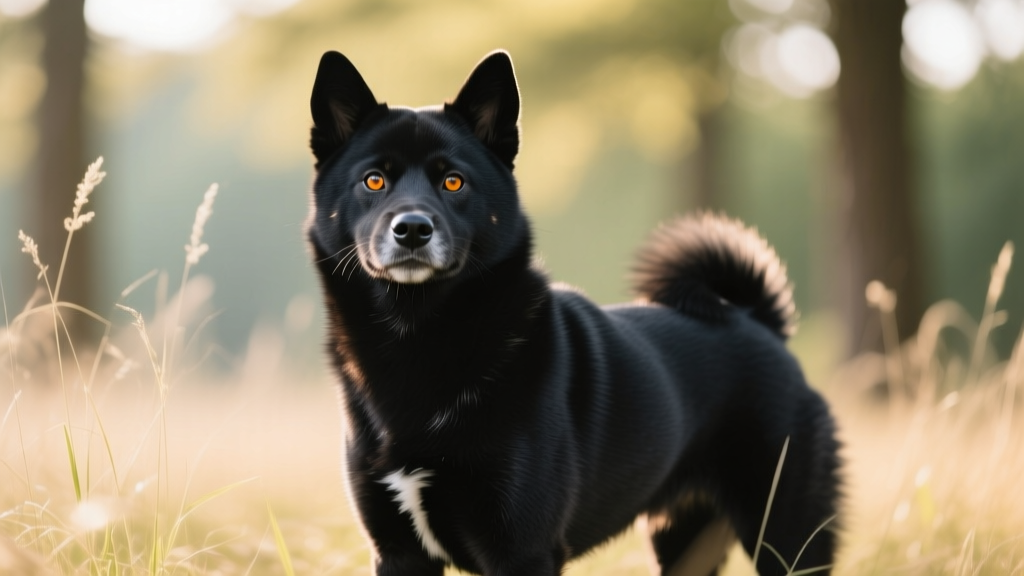
Alsatian Cross Doberman: Complete Breed Profile & Owner Guide
Everything about the Alsatian cross Doberman mix: size, temperament, health risks, coat types, cost.

The Alsatian cross Doberman — a deliberate blend of the German Shepherd (often called "Alsatian" in the UK and parts of Europe) and the Doberman Pinscher — is one of the most striking designer mixes you'll encounter. Both parent breeds rank among the most intelligent, loyal, and physically capable working dogs in the world. When combined, the result can be an extraordinary companion for experienced owners — or an overwhelming challenge for anyone unprepared for the intensity these bloodlines carry.
This guide breaks down exactly what you can expect from an Alsatian cross Doberman, including the traits that are predictable, the ones that vary wildly between littermates, and the real costs and health considerations you need to budget for before committing.
Parent Breeds: German Shepherd (Alsatian) and Doberman Pinscher
Before understanding the mix, you need to understand the two powerful breeds behind it. The terminology matters: "Alsatian" is simply the British and Commonwealth name for the German Shepherd Dog (GSD), adopted after World War I to avoid the German association. They are the same breed.
| Trait | German Shepherd (Alsatian) | Doberman Pinscher |
|---|---|---|
| Origin | Germany, 1899 (Max von Stephanitz) | Germany, 1890s (Louis Dobermann) |
| AKC Group | Herding | Working |
| Weight Range | 50–90 lb / 23–41 kg | 60–100 lb / 27–45 kg |
| Height | 22–26 in / 56–66 cm | 24–28 in / 61–71 cm |
| Lifespan | 7–10 years | 10–12 years |
| Coat Type | Double coat, medium to long | Single coat, short and smooth |
| Shedding | Heavy year-round, seasonal blowouts | Low to moderate |
| Energy Level | High (60–90 min/day) | High (60–90 min/day) |
| Trainability | Exceptional (ranked #3 in intelligence) | Exceptional (ranked #5 in intelligence) |
| Guard Instinct | Strong — territorial, alert | Very strong — personal protection |
| Common Health Issues | Hip/elbow dysplasia, degenerative myelopathy, bloat | Dilated cardiomyopathy (DCM), von Willebrand disease, bloat, cervical vertebral instability (wobbler syndrome) |
Both breeds were developed in Germany within the same decade, but for fundamentally different jobs. The German Shepherd was bred for herding and general-purpose farm and police work. The Doberman was bred specifically as a personal protection dog for a tax collector who needed a fearless, fast, loyal companion through dangerous territory. These different origins shape the temperament nuances you'll see in the cross.
Size, Build, and Physical Appearance
Because both parent breeds are large dogs with overlapping size ranges, the Alsatian cross Doberman typically falls into a fairly predictable size bracket — though individual variation still exists depending on which parent's genes dominate and whether the parents were on the smaller or larger end of their breed standards.
| Measurement | Minimum | Typical Range | Maximum |
|---|---|---|---|
| Weight (male) | 55 lb / 25 kg | 70–95 lb / 32–43 kg | 105 lb / 48 kg |
| Weight (female) | 45 lb / 20 kg | 55–80 lb / 25–36 kg | 90 lb / 41 kg |
| Height at shoulder | 22 in / 56 cm | 24–27 in / 61–69 cm | 29 in / 74 cm |
Expect an athletic, deep-chested build. Most individuals inherit the Doberman's sleeker silhouette with the German Shepherd's slightly broader skull and more substantial bone density. Ear carriage is unpredictable — puppies may have erect ears (Doberman-dominant), folded ears (GSD-dominant), or one of each that eventually stands. Tail length and carriage also vary.
Color possibilities are extensive: black and tan (the most common, shared by both breeds), black and rust, sable, solid black, or occasionally bi-color patterns. The classic Doberman "rust markings on black" pattern is very common in this cross, sometimes with the German Shepherd's darker saddle marking overlaid.
Coat Types and Grooming Requirements
The coat your Alsatian cross Doberman inherits is one of the most variable traits in this mix, and it directly impacts your daily grooming commitment.
- Short single coat (Doberman-dominant): Sleek, low-maintenance, minimal shedding. Brush weekly with a rubber curry brush. This is the easier outcome.
- Short double coat (blend): Shorter outer guard hairs with a dense undercoat. Moderate shedding year-round with heavier seasonal sheds. Brush 2–3 times per week with an undercoat rake.
- Medium double coat (GSD-dominant): The full German Shepherd coat experience. Heavy shedding, seasonal blowouts that last 2–3 weeks, daily brushing required during shed periods. Invest in a high-velocity dryer (such as the MetroVac Air Force Commander, approximately $180–$230) for efficient undercoat removal.
Is the Alsatian cross Doberman hypoallergenic? No. Neither parent breed is hypoallergenic, and this mix will shed to some degree regardless of which coat type it inherits. If you have dog allergies, this is not the right mix for your household. Consider a Poodle-based cross instead.
Grooming costs at a professional salon range from $45–$80 per session if you opt for deshedding treatments during heavy shed seasons, though most owners manage at home with the right tools. Budget roughly $80–$150 annually for brushes, shampoos, and grooming supplies.
Temperament: Best-Case and Challenging Scenarios
This is where prospective owners need to be brutally honest with themselves. Both parent breeds are powerful, intelligent, driven working dogs with strong protective instincts. The mix does not dilute these traits — it combines them.
A confident, stable dog that bonds deeply with its family, is naturally protective without being aggressive, excels in obedience and dog sports, is good with children it's raised alongside, and settles calmly in the home after adequate daily exercise. This outcome requires early socialization (starting by 8–12 weeks), consistent positive reinforcement training, and an owner who provides structure and mental stimulation.
A dog that inherits the Doberman's intensity and the German Shepherd's wariness of strangers without the confidence to manage either. This can manifest as fear-based reactivity on leash, resource guarding, territorial aggression toward visitors, or separation anxiety when left alone for long periods. This outcome is more likely in dogs from poorly bred lines (no temperament testing of parents), dogs with inadequate socialization, or dogs owned by people who lack experience with guardian breeds.
Key temperament traits to prepare for:
- High intelligence: Both breeds rank in the top 5 for working intelligence (according to AKC breed rankings). Your dog will learn commands fast — but will also learn bad habits fast. Mental stimulation (puzzle feeders, scent work, agility, advanced obedience) is non-negotiable.
- Strong handler focus: These dogs want to work with you. They thrive on structured training sessions and job-oriented activities.
- Protective instinct: Expect alertness to strangers, territorial barking, and a natural inclination to position themselves between you and unfamiliar people. This is breed-typical behavior, not aggression — but it requires deliberate socialization to keep it manageable.
- Same-sex aggression potential: Both German Shepherds and Dobermans can show same-sex dog aggression, particularly male-to-male. This trait may carry into the cross.
- Separation anxiety risk: Both breeds form intense bonds and are prone to distress when isolated. Plan for gradual alone-time training and avoid leaving this mix crated for more than 4–5 hours at a stretch.
Generations and Trait Predictability
- F1 (First Generation): One purebred German Shepherd parent × one purebred Doberman parent. Maximum genetic diversity, most variable in appearance and coat type. Most Alsatian cross Dobermans on the market are F1.
- F1B (First Generation Backcross): An F1 Alsatian × Doberman bred back to one of the parent breeds (usually the German Shepherd). Slightly more predictable toward the backcrossed breed's traits.
- F2 (Second Generation): Two F1 Alsatian × Doberman mixes bred together. Greater trait variability — puppies in the same litter may look dramatically different.
- Multigen: Multiple generations of Alsatian × Doberman bred together. Rare for this particular mix. More predictable traits but limited gene pool raises health concerns.
Unlike Poodle-based designer breeds (Labradoodles, Goldendoodles), the Alsatian cross Doberman is almost always produced as an F1. There is no established multigenerational breeding program for this mix, and there is no recognized breed club working toward standardization. This means every litter is essentially a genetic roll of the dice in terms of which parent's traits dominate.
What's relatively predictable: Size range, intelligence level, energy requirements, and protective instinct — both breeds share these traits, so offspring almost always land somewhere in the expected zone.
What's unpredictable: Coat type and shedding level, ear carriage, specific color patterns, degree of stranger wariness versus Doberman-style confidence, and which breed-specific health conditions the individual may inherit.
Health Considerations: Hybrid Vigor Myth vs. Reality
Let's address a common misconception directly: hybrid vigor does not eliminate health risks in designer crosses. The concept of heterosis (hybrid vigor) refers to a statistical tendency for crossbred animals to have slightly lower rates of recessive genetic conditions compared to inbred purebreds. It does not mean your Alsatian cross Doberman is "healthier" than its parents or immune to the serious conditions both breeds carry.
What hybrid vigor may help with: reducing the likelihood of conditions caused by recessive genes that are common within a single breed's closed gene pool. What it does not help with: structural conditions like hip dysplasia, cardiac diseases like dilated cardiomyopathy, or neurological conditions like degenerative myelopathy — because these are influenced by polygenic inheritance, not simple recessive patterns.
| Condition | Inherited From | Prevalence | Screening Test | Typical Treatment Cost |
|---|---|---|---|---|
| Hip Dysplasia | Both (higher in GSD) | ~19% of GSDs, ~6% of Dobermans (OFA data) | OFA/PennHIP radiographs | $3,500–$7,000 per hip (surgical) |
| Dilated Cardiomyopathy (DCM) | Doberman | Up to 58% of Dobermans develop DCM in their lifetime | Annual echocardiogram + Holter monitor | $300–$600/year monitoring; $200–$500/month medications |
| Degenerative Myelopathy (DM) | German Shepherd | Carrier rate ~35% in GSD lines | DNA test (SOD1 mutation) | No cure; supportive care $2,000–$5,000/year |
| Gastric Dilatation-Volvulus (Bloat) | Both (deep-chested breeds) | Lifetime risk ~4–6% in large deep-chested breeds | No screening; preventive gastropexy available | Emergency surgery $3,000–$7,000; preventive gastropexy $400–$800 |
| Von Willebrand Disease (vWD) | Doberman | ~15–30% of Dobermans are affected or carriers | DNA test + vWF antigen assay | Management varies; severe cases require plasma transfusions ($500–$1,500 per episode) |
| Cervical Vertebral Instability (Wobbler Syndrome) | Doberman | Higher prevalence in Dobermans, especially males | MRI or CT scan | Surgical: $5,000–$10,000 |
| Elbow Dysplasia | German Shepherd | ~15% of GSDs (OFA data) | OFA elbow radiographs | $2,000–$5,000 per elbow (surgical) |
Responsible breeders of this mix should provide: OFA hip and elbow scores for both parents, a recent echocardiogram and Holter monitor report for the Doberman parent, DNA test results for DM (SOD1) and vWD, and proof of temperament testing (such as an ATD or CGC certification). If a breeder cannot produce these documents, walk away.
Always consult your veterinarian about an appropriate screening schedule for your individual dog, especially cardiac monitoring beginning at age 2–3 given the Doberman DCM risk.
Both parent breeds are at elevated risk for gastric dilatation-volvulus (GDV/bloat), a life-threatening emergency where the stomach fills with gas and twists. Discuss a prophylactic gastropexy with your veterinarian — this surgical procedure tacks the stomach to the abdominal wall and reduces the risk of torsion by over 95%. It can be performed during spay/neuter for approximately $400–$800 in additional surgical fees. Also: feed 2–3 smaller meals daily, avoid vigorous exercise 1 hour before and after eating, and use a slow-feed bowl if your dog eats rapidly.
Training, Exercise, and Mental Stimulation
This mix requires a minimum of 60–90 minutes of structured physical exercise daily, plus dedicated mental stimulation. A walk around the block is not sufficient. Plan for activities that engage both body and mind:
- Physical exercise: Long hikes (3–5 miles), running alongside a bicycle (using a springer attachment, ~$35–$60), flirt pole sessions (10–15 minutes), swimming, or off-leash running in secure areas
- Mental stimulation: Nosework/scent detection classes, puzzle feeders (Kong Wobbler, Outward Hound Nina Ottosson puzzles — $15–$35 each), structured obedience training (10–15 minute sessions, 2x daily), agility or rally obedience
- Job-oriented activities: Carrying a dog backpack on hikes (Ruffwear Approach Pack, ~$80–$100), learning to find hidden items, structured "place" training, impulse control exercises
Training methodology matters enormously with this mix. Both German Shepherds and Dobermans are sensitive dogs that shut down under harsh handling. Use only positive reinforcement and force-free methods — reward-based training with high-value treats, toy rewards, and clear marker signals (clicker or verbal "yes"). Avoid prong collars, shock collars, alpha rolls, or any confrontational "dominance" techniques. These methods damage trust and can trigger defensive aggression in a dog with protection-breed genetics.
Invest in professional training early. Budget for:
- Puppy socialization class (8–16 weeks): $150–$250 for a 6–8 week course
- Basic obedience (4–6 months): $200–$400 for group classes
- Private sessions for any behavioral concerns: $80–$150 per hour with a certified trainer (CPDT-KA or IAABC credentialed)
Cost: Purchase Price, Adoption, and Annual Expenses
| Category | Low End | Typical | High End |
|---|---|---|---|
| Puppy from responsible breeder | $800 | $1,200–$2,000 | $2,500+ |
| Adoption/rescue fee | $150 | $250–$400 | $500 |
| First-year veterinary care (vaccines, spay/neuter, screening) | $800 | $1,200–$1,800 | $2,500 |
| Annual ongoing veterinary care | $500 | $800–$1,200 | $2,000+ |
| Food (high-quality large-breed formula) | $600/year | $900–$1,200/year | $1,500/year |
| Pet insurance (monthly premium) | $45/month | $65–$90/month | $120/month |
| Training (first year) | $200 | $500–$1,000 | $2,000+ |
Breeder availability: This is not a common designer mix. You won't find Alsatian cross Doberman puppies at every breeder. Search through breed-specific rescue networks — German Shepherd rescues and Doberman rescues (such as the Doberman Pinscher Club of America rescue network) occasionally take in mixed-breed dogs that match this profile. Expect to wait 3–6 months or longer for a specific cross to become available through rescue.
A warning about pricing: If you find this mix advertised for under $500 from a "breeder" with no health testing documentation, you are likely looking at a backyard breeding operation. The health screening costs for the parent breeds alone (hip/elbow x-rays, echocardiogram, Holter monitor, DNA panels) total $1,500–$3,000+ per breeding pair. Puppies priced below this threshold indicate corners were cut.
Who Should — and Shouldn't — Own This Mix
- Experienced dog owners who have previously owned guardian or working breeds
- Active individuals or couples who exercise outdoors daily (hikers, runners)
- Households with secure, fenced yards (minimum 5–6 foot fence — both breeds are athletic jumpers)
- People interested in dog sports: obedience, agility, protection sports (Schutzhund/IGP), scent work
- Families with older children (10+) who understand how to interact respectfully with large dogs
- Owners who work from home or can arrange midday visits — this mix does poorly with 8+ hours of isolation
- First-time dog owners — the combination of size, intelligence, and protective instinct is unforgiving of training mistakes
- Apartment dwellers without access to adequate outdoor exercise space
- Families with very young children (under 5) unless the dog has been specifically raised and trained around toddlers
- Households where the dog will be left alone for 8+ hours daily
- Anyone looking for a low-maintenance "couch dog" — this mix has working-dog energy and drive
- Multi-dog households with existing same-sex dogs, particularly intact males
Note on breed-specific legislation (BSL): While the Alsatian cross Doberman is not typically targeted by BSL the way pit bull-type breeds are, some jurisdictions and housing authorities restrict Doberman Pinschers or "Doberman mixes." Check your local regulations, homeowner's insurance policy, and lease agreement before committing to this mix. Rules vary significantly by city, county, and even individual insurance providers.
Frequently Asked Questions
What two breeds make up the Alsatian cross Doberman?
The German Shepherd Dog (called "Alsatian" primarily in the UK, Ireland, and parts of Europe) and the Doberman Pinscher. "Alsatian" and "German Shepherd" refer to the same breed — the name difference is historical, not genetic.
How big will an Alsatian cross Doberman get?
Most adults land between 55–95 lb (25–43 kg) and 22–28 inches (56–71 cm) at the shoulder. Males trend toward the larger end. The exact size depends on which parent's genes dominate and the size of the specific parent dogs used in the breeding.
What will the temperament be like?
Expect a highly intelligent, energetic, loyal dog with strong protective instincts. The exact temperament varies — some individuals lean toward the German Shepherd's wariness of strangers, while others show the Doberman's more confident, people-oriented style. Early socialization (by 12–16 weeks) and consistent positive reinforcement training are essential regardless of which temperament expression you get.
Is this mix hypoallergenic or low-shedding?
No. Neither parent breed is hypoallergenic. Shedding level depends on which coat type the individual inherits — a Doberman-dominant short coat sheds less, while a GSD-dominant double coat sheds heavily. All variations produce dander and are unsuitable for allergy sufferers.
What health issues might this mix inherit?
The primary concerns are hip and elbow dysplasia (from both breeds), dilated cardiomyopathy (from the Doberman side — this is the most serious concern, as up to 58% of Dobermans develop DCM), degenerative myelopathy (from the GSD side), bloat/GDV (both breeds are high-risk), and von Willebrand disease (Doberman side). Ask your veterinarian about a cardiac screening protocol starting at age 2–3.
How much does an Alsatian cross Doberman cost?
From a responsible breeder who health-tests both parents, expect to pay $1,200–$2,500 for a puppy. Through rescue or adoption, fees typically range from $150–$500. Budget an additional $1,500–$2,500 for first-year expenses including veterinary care, food, training, and supplies.
How long do Alsatian cross Dobermans live?
Lifespan typically ranges from 9–12 years, though the German Shepherd's shorter average lifespan (7–10 years) and the Doberman's vulnerability to DCM can pull this lower. The single most impactful thing you can do for longevity is annual cardiac screening starting at age 2–3, as early DCM detection allows medication that can extend life by years.
Beth Carrasco
All our authors care for dogs every day — read more of their work on the authors page.