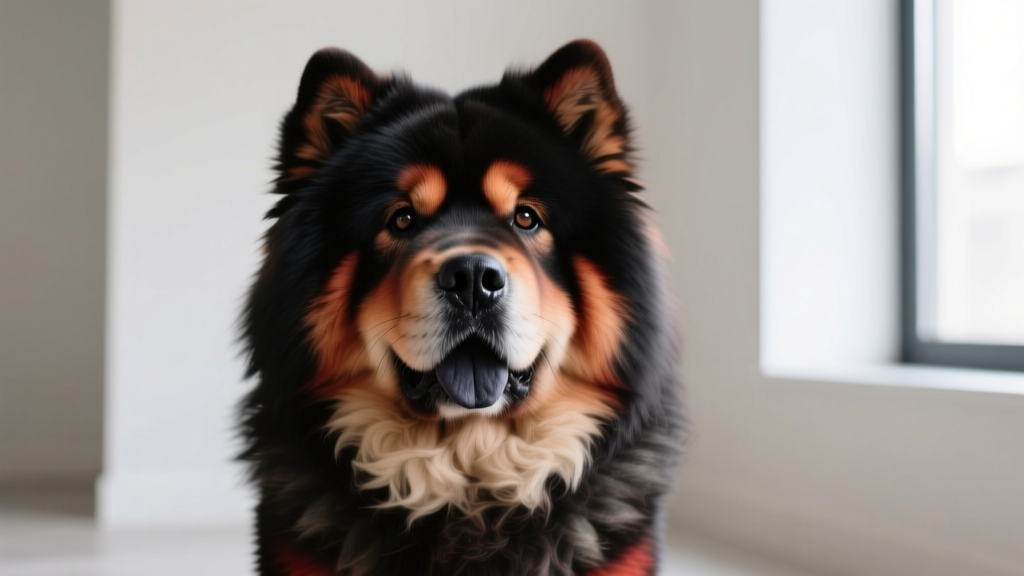
Alaskan Klee Kai Dog: The Rare Spitz Breed You Need to Know About
Complete guide to the Alaskan Klee Kai dog breed: temperament, health risks, cost, care requirements, and how this rare spitz differs from Huskies.

A Compact Spitz With Outsized Personality: Meet the Alaskan Klee Kai
If you've ever scrolled through social media and spotted what looks like a miniature Siberian Husky — complete with a striking facial mask, pricked ears, and a curled tail — you may have been looking at an Alaskan Klee Kai dog. This rare breed has surged in visibility over the past decade, but most prospective owners have no idea what actually comes with bringing one home.
The Alaskan Klee Kai (pronounced "klee-kye") is not a Husky mix, a Pomsky, or a designer dog cooked up for Instagram appeal. It's a distinct, purpose-bred companion spitz with a documented origin story, a dedicated breed club, and a temperament that surprises even experienced dog owners. Before you put a deposit down with a breeder, here's everything you need to understand about this uncommon breed.
Where Did the Alaskan Klee Kai Originate?
The Alaskan Klee Kai's origin story is unusually well-documented for such a rare breed. In the early 1970s, a woman named Linda Spurlin encountered a small, Husky-like dog in Oklahoma — reportedly the result of accidental breeding between an Alaskan Husky and a smaller unknown breed. Spurlin was captivated by the idea of a companion-sized dog that retained the look and hardiness of northern spitz breeds without the demanding exercise requirements and escape-artist tendencies of a full-size Siberian Husky.
Spurlin relocated to Wasilla, Alaska, and began a deliberate breeding program. She selectively bred smaller Alaskan Huskies with Siberian Huskies, and reportedly introduced Schipperke and American Eskimo Dog bloodlines to reduce size while preserving spitz characteristics. The goal was never a working sled dog — it was a household companion that looked like a miniature wolf-type dog.
- Early 1970s: Linda Spurlin encounters a small Husky-type dog in Oklahoma and begins her breeding vision.
- 1970s–1980s: Selective breeding program in Wasilla, Alaska, using Alaskan Husky, Siberian Husky, Schipperke, and American Eskimo Dog.
- 1988: Spurlin sells her kennel and breeding stock to Eileen Gregory, who continues the program and begins showing dogs.
- 1995: The Alaskan Klee Kai Association of America (AKKAOA) forms as the official breed club.
- 1997: United Kennel Club (UKC) grants full breed recognition.
- 2020s: The breed enters the American Kennel Club (AKC) Foundation Stock Service (FSS), a stepping stone toward full AKC recognition. As of 2026, full AKC recognition has not yet been granted.
The breed name itself is telling: "Klee Kai" derives from an Inuit term meaning "small dog." The Alaskan Klee Kai was never bred for pulling sleds, herding livestock, or guarding property. Its historical purpose was, and remains, companionship — a spitz-type dog sized for modern living.
Size, Coat, and the Physical Traits That Set the Breed Apart
One of the most common questions prospective owners ask is: How is an Alaskan Klee Kai dog different from a small Siberian Husky? The answer starts with the breed standard's precise measurements and extends to structural details that a casual observer might miss.
| Trait | Specification |
|---|---|
| Weight | 10–22 lb / 4.5–10 kg (varies by size division) |
| Height (at withers) | Toy: up to 13 in (33 cm) · Miniature: 13–15 in (33–38 cm) · Standard: 15–17 in (38–43 cm) |
| Lifespan | 12–16 years |
| Coat type | Double coat — dense undercoat with longer guard hairs; moderate shedding year-round, heavy seasonal blowouts (spring/fall) |
| Accepted colors | Black & white, gray & white, red & white (all with facial mask and contrasting lighter underside); all-white is a disqualification in the UKC standard |
| Energy level | Moderate-high — 45–60 minutes of structured exercise daily |
| Grooming needs | Brushing 2–3× per week; daily during coat blowouts; bathing every 6–8 weeks |
| Family fit | Best with older children (8+) who respect boundaries; cautious with toddlers; high prey drive around cats and small animals |
What makes the Alaskan Klee Kai physically distinct:
- The facial mask: The UKC breed standard requires a clearly defined, symmetrical facial mask — a darker-colored pattern over the eyes and forehead with lighter markings below. Dogs without a visible mask are disqualified from conformation showing. This is one of the fastest ways to distinguish a Klee Kai from a small Husky mix.
- Proportional build: Unlike many small breeds that look "scaled down" awkwardly, the Klee Kai's body proportions mirror those of larger northern breeds — slightly longer than tall, with moderate bone and a well-furred tail that curls over the back.
- Eye color variation: Brown, blue, bi-eyed (one of each), or parti-eyed (mixed color within one iris) are all accepted. This genetic trait is shared with Siberian Huskies but is far less common in other small breeds.
- Three size divisions: The breed's toy, miniature, and standard categories are unique among spitz breeds. A litter can produce puppies that mature into different size divisions.
Temperament: What Surprises New Klee Kai Owners
Here's the part of the profile where many new owners realize they weren't fully prepared. The Alaskan Klee Kai dog is not a gregarious, everyone's-best-friend type of dog. If you're expecting the social confidence of a Golden Retriever or the easygoing nature of a Cavalier King Charles Spaniel, recalibrate now.
Loyalty bordering on velcro behavior. Klee Kai bond intensely with their primary people. They follow you room to room, want to be on your lap or pressed against your leg, and notice when you leave. Separation anxiety is a genuine concern — this is not a breed that does well left alone for 8-hour workdays without gradual conditioning and enrichment strategies.
Reserve with strangers. The UKC standard describes the breed as "reserved" with unfamiliar people, and this is putting it mildly for some individuals. A Klee Kai will typically observe a new person from a distance before deciding whether to approach. They are not aggressive, but they are not immediately friendly. Early and ongoing socialization (positive exposure to diverse people, environments, and experiences during the 3–14 week critical socialization window) is essential to prevent excessive wariness.
Vocality. Despite their size, Klee Kai are not quiet dogs. They talk — a range of grumbles, chirps, "aroo" vocalizations, and full-throated howls. They will alert you to the mail carrier, the neighbor's dog, a leaf blowing across the yard. If you live in an apartment with thin walls or noise-sensitive neighbors, this is a legitimate consideration.
High prey drive. This is a spitz breed with northern-dog instincts. Squirrels, rabbits, cats, and small dogs may trigger chase behavior. Off-leash reliability is extremely difficult to achieve with this breed, and a secure fence (minimum 5 feet / 1.5 m with no gaps at the base) is non-negotiable. Many Klee Kai are skilled climbers and diggers — inspect your fence line regularly.
Alaskan Klee Kai vs. Similar Breeds: A Practical Comparison
Understanding how the Alaskan Klee Kai dog stacks up against similar-looking breeds helps clarify whether it's the right fit for your household.
| Trait | Alaskan Klee Kai | Siberian Husky | American Eskimo Dog (Mini) |
|---|---|---|---|
| Weight range | 10–22 lb / 4.5–10 kg | 35–60 lb / 16–27 kg | 10–20 lb / 4.5–9 kg |
| Stranger friendliness | Reserved/cautious | Outgoing/friendly | Friendly after warm-up |
| Apartment suitability | Moderate (vocal) | Poor (size + energy) | Good |
| Daily exercise | 45–60 min | 90–120 min | 30–45 min |
| Trainability | Moderate (independent) | Low-moderate (stubborn) | High (eager to please) |
| Prey drive | High | Very high | Low-moderate |
| AKC recognition | FSS only (not full) | Full (1930) | Full (1995) |
| Typical puppy cost | $2,200–$5,500+ | $800–$2,500 | $1,000–$2,500 |
The key takeaway: the Klee Kai occupies a niche between the Husky and the American Eskimo Dog. It has more spitz-type independence and prey drive than the Eskie, but far less physical demand than the Husky. If you want the northern-dog aesthetic in a smaller, more manageable package — and you can work with the reserved temperament — the Klee Kai fills that gap precisely.
Health Concerns: What to Screen For
The Alaskan Klee Kai is generally a hardy breed with a long lifespan for its size, but its small gene pool (the breed was developed from a limited number of foundation dogs) means certain inherited conditions warrant attention. Responsible breeders test for these before breeding.
Always consult your veterinarian about breed-appropriate health screenings and any symptoms you observe. The information below is educational, not a substitute for professional veterinary care.
- Patellar luxation (kneecap dislocation): Estimated to affect 5–10% of the breed. Grades I–IV; mild cases managed conservatively, severe cases require surgical correction ($1,500–$3,500 per knee). The Orthopedic Foundation for Animals (OFA) maintains a patella registry.
- Thyroid disease (autoimmune thyroiditis): Hypothyroidism appears at higher rates than in many breeds of similar size. Symptoms include weight gain, lethargy, hair thinning, and skin changes. Manageable with daily levothyroxine supplementation (~$15–$30/month).
- Factor VII deficiency: A hereditary blood-clotting disorder identified in the breed. Affected dogs may bleed excessively after injury or surgery. A DNA test is available — breeders should test all breeding stock.
- Cardiac conditions: Dilated cardiomyopathy (DCM) and heart murmurs have been reported, though prevalence data is limited due to the breed's small population. Annual cardiac auscultation by a veterinarian is recommended for dogs over age 5.
- Dental disease: Like many small breeds, Klee Kai are prone to early tartar accumulation and periodontal disease. Daily tooth brushing and professional dental cleanings every 1–2 years (cost: $300–$800 per cleaning under anesthesia) are strongly recommended.
Recommended health clearances for breeders (per the AKC health screening guidelines):
- OFA or PennHIP hip evaluation
- OFA patella evaluation
- OFA thyroid panel
- Factor VII DNA test
- Annual CERF/OFA eye examination
Care Requirements: What Owning a Klee Kai Actually Looks Like
The Alaskan Klee Kai dog is lower-maintenance than a Husky in some ways but demands more attention than the average small companion breed. Here's what a realistic care routine involves.
- Daily: 45–60 minutes of structured exercise (two 20–30 minute leash walks plus mental enrichment such as puzzle feeders, scent games, or short training sessions). Off-leash time only in fully enclosed areas.
- Daily: 10–15 minutes of training or bonding activity. Klee Kai respond best to positive reinforcement methods — food-motivated training works well, but keep sessions short (5–8 minutes) to hold their attention.
- 2–3× per week: Brush with an undercoat rake or slicker brush to manage shedding and prevent matting behind the ears and at the ruff.
- During coat blowouts (spring and fall, lasting 2–4 weeks): Daily brushing with a de-shedding tool (e.g., Furminator or Undercoat Rake). Expect significant fur accumulation — a high-velocity dryer can speed the process.
- Weekly: Nail trimming (if nails click on hard floors, they're too long), ear inspection and cleaning with a vet-approved ear wash if debris is visible.
- Every 6–8 weeks: Bathing with a mild, dog-specific shampoo. Avoid over-bathing, which strips the double coat's natural oils and compromises weather resistance.
- Annually: Veterinary wellness exam, core vaccine boosters (DHPP, rabies per local requirements), heartworm testing and year-round prevention, fecal parasite screening.
Training quirks to expect: Klee Kai are intelligent and capable of learning complex behaviors, but they are not biddable in the way a Border Collie or Poodle is. They think independently and will assess whether a command is "worth it" before complying. Force-free, reward-based training with high-value treats (freeze-dried liver, small pieces of chicken) produces the best results. Never use aversive methods — shock collars, prong collars, or alpha rolls will damage the trust-based bond this breed requires and can trigger fear-based reactivity.
Nutrition: Feed a high-quality kibble or wet food that carries an AAFCO statement of complete and balanced nutrition for your dog's life stage. Most adult Klee Kai (standard size, 15–22 lb) require approximately 400–550 calories per day, split into two meals. Adjust based on body condition score (BCS) — you should be able to feel ribs without pressing hard, and see a visible waist from above.
Availability, Cost, and How to Find a Responsible Breeder
How rare is the Alaskan Klee Kai dog today? Very. The AKKAOA estimates the global registered population at roughly 3,000–5,000 dogs. Litters are small (typically 3–5 puppies), and established breeders often have waiting lists of 12–24 months. This scarcity creates both logistical and financial challenges for prospective owners.
Typical pricing (2026 estimates):
| Category | Estimated Cost |
|---|---|
| Puppy from a health-tested, AKKAOA-member breeder | $2,200–$4,000 |
| Puppy from a show-line breeder with champion bloodlines | $4,000–$5,500+ |
| Adult dog from rescue/rehoming (rare) | $300–$800 |
| First-year total ownership cost (food, vet, supplies, insurance) | $3,500–$6,000+ |
| Annual ongoing cost (years 2+) | $1,800–$3,000 |
Where to find reputable breeders: Start with the Alaskan Klee Kai Association of America (AKKAOA) breeder directory. Members must adhere to a code of ethics that includes health testing, take-back clauses, and restrictions on breeding frequency. The AKC Foundation Stock Service also lists breeders who register through that program.
Red flags to walk away from:
- Breeder cannot provide OFA or equivalent health test results for both parents
- Puppies advertised as "rare all-white" or "teacup" (all-white is a disqualification; "teacup" is a marketing term, not a breed size division)
- Breeder has multiple litters available simultaneously or year-round
- No take-back or return clause in the purchase contract
- Puppies available before 8 weeks of age (UKC and AKKAOA recommend 10–12 weeks minimum for this breed)
- Prices significantly below $2,000 — often indicates a backyard breeder or puppy mill operation
Adoption as an alternative: While rare, Klee Kai do occasionally enter rescue. The AKKAOA maintains a rescue liaison, and breed-specific rescue groups occasionally list dogs on Petfinder. Adopting an adult Klee Kai can be an excellent option for experienced owners who want to skip the puppy phase and know the dog's established temperament.
Is the Alaskan Klee Kai Right for Your Family?
This breed is not generally recommended for first-time dog owners. The combination of stranger wariness, high prey drive, vocal tendencies, and separation anxiety risk requires an owner who understands canine body language and is committed to ongoing socialization and training. That said, experienced owners who invest the time consistently describe the Klee Kai as one of the most rewarding breeds they've lived with.
Best fit: A household with older children (8+) or adults, a securely fenced yard, someone home for much of the day (or a plan for gradual alone-time conditioning), and a willingness to manage prey drive around small pets.
Poor fit: Families with toddlers (the breed's reserve and sensitivity mean they may not tolerate grabbing or rough handling), homes with cats or pet rabbits (high chase risk), or owners who work 10-hour days and expect the dog to self-entertain.
Frequently Asked Questions
Are Alaskan Klee Kai good apartment dogs?
They can be, given their moderate size, but their vocal nature is a real concern in shared-wall housing. If your building has noise restrictions or thin walls, consider whether you can manage alert barking through training before committing. A daily exercise routine and mental enrichment will reduce nuisance vocalization, but you cannot train the instinct out entirely.
Do Alaskan Klee Kai shed a lot?
Yes. They have a dense double coat and shed moderately year-round, with two heavy "blowout" periods per year (spring and fall) lasting 2–4 weeks. During blowouts, daily brushing is necessary, and you will find fur on everything. If you are particular about a fur-free home, this is not the breed for you.
Can an Alaskan Klee Kai be off-leash?
In most cases, no. Their prey drive and independent nature make reliable off-leash recall extremely difficult. Even well-trained individuals may bolt after wildlife. Only allow off-leash time in fully enclosed, secure areas. GPS trackers (such as the Fi Series 3 or Tractive GPS) are a smart investment for any Klee Kai owner.
How long do Alaskan Klee Kai live?
The typical lifespan is 12–16 years, with some individuals living to 17 or 18. Their longevity is supported by maintaining a lean body condition, regular veterinary care, dental hygiene, and avoiding obesity-related joint stress.
Is the Alaskan Klee Kai recognized by the AKC?
As of 2026, the breed is listed in the AKC Foundation Stock Service (FSS) but has not received full AKC recognition. It is fully recognized by the United Kennel Club (UKC) since 1997, and the AKKAOA serves as the official breed club. Full AKC recognition may come in future years as the breed population grows and meets AKC requirements.
Robin Maitland
All our authors care for dogs every day — read more of their work on the authors page.