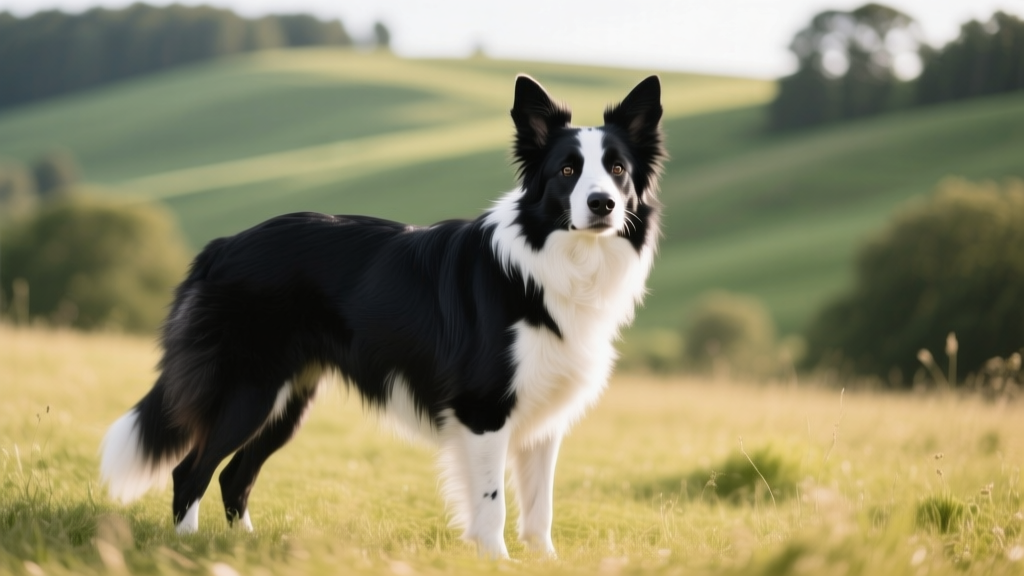
Alano Dog Breed and 9 Similar Guardian Breeds Compared
Explore the Alano dog breed and 9 similar mastiff-type guardian breeds. Compare size, temperament, health, cost, and find the right fit for your lifestyle.

Why the Alano Español Deserves Your Attention
The Alano Español — often simply called the Alano dog breed — is one of Europe's most historically significant working mastiffs, yet it remains largely unknown outside Spain. Once used for cattle handling, boar hunting, and estate guarding across the Iberian Peninsula, the Alano nearly vanished by the mid-20th century before dedicated breeders mounted a recovery effort in the 1980s. Today, the breed is recognized by Spain's Real Sociedad Canina de España (RSCE) and continues to gain interest among experienced dog owners looking for a powerful, athletic guardian that is notably less sedentary than typical mastiff breeds.
If you've found yourself researching the Alano dog breed, you've likely noticed a pattern: most resources are thin, and finding comparable alternatives is difficult. That's exactly what this guide solves. Below, we break down the Alano in detail and compare it against nine other guardian and catch-dog breeds that share similar traits — giving you a structured framework to decide which breed actually fits your household.
Every breed on this list was evaluated against five benchmarks:
- Guardian heritage: Bred for protection, livestock work, or property guarding
- Weight class: 55 lb (25 kg) or heavier — true medium-to-large working dogs
- Athleticism: Capable of sustained physical work, not purely sedentary guardians
- Handler experience required: Breeds that need confident, knowledgeable owners (not first-dog breeds)
- Availability: Obtainable through responsible breeders or breed-specific rescues in North America or Europe
The Alano Español: Breed Profile in Detail
| Weight | 55–77 lb / 25–35 kg |
| Height | 21–25 in / 53–63 cm at the shoulder |
| Lifespan | 11–14 years |
| Coat | Short, dense; brindle, fawn, black, or wolf sable |
| Energy Level | High — 60–90 minutes of structured exercise daily |
| Grooming | Low — weekly brushing, occasional baths |
| Family Fit | Best with experienced owners; good with children when socialized early; can be dog-selective |
| Estimated Puppy Cost | $1,500–$3,000 (import from Spain often required) |
The Alano is a catch dog — historically used to grip and hold large livestock and game. This means a powerful bite, tenacity, and a calm demeanor under pressure. Unlike many mastiffs that are content to lounge, the Alano needs real work: structured walks, scent games, or advanced obedience training. They are deeply loyal to their family, reserved with strangers, and typically quiet — they bark only when there's a reason.
Health-wise, the Alano benefits from a relatively broad gene pool thanks to the recovery breeding program. Large-breed concerns like hip dysplasia and gastric dilatation-volvulus (bloat) should still be monitored. Reputable breeders screen for hip and elbow scores via OFA or PennHIP. Annual veterinary costs typically range from $600–$1,100 for routine care, with emergency bloat surgery running $3,000–$7,000 if it occurs.
9 Guardian Breeds Comparable to the Alano
The following breeds are grouped by size and working style. Each entry explains specifically why it earned a spot on this list and how it compares to the Alano Español.
1. Dogo Argentino
Size class: Large (77–99 lb / 35–45 kg)
Key trait match: Catch-dog heritage, athleticism, and guardian instinct
Developed in Argentina for big-game hunting, the Dogo Argentino shares the Alano's catch-dog DNA — both breeds were designed to physically engage large animals. The Dogo is larger, more widely available in North America, and recognized by the AKC. It requires similar exercise (60–90 minutes daily) but tends to be more dog-aggressive, making same-sex household introductions challenging. Puppy cost: $1,500–$3,500.
2. Presa Canario (Dogo Canario)
Size class: Large to extra-large (84–130 lb / 38–59 kg)
Key trait match: Iberian guardian lineage, powerful build, reserved temperament
The Presa Canario hails from Spain's Canary Islands and shares the Alano's Iberian roots. It is significantly heavier and more overtly territorial. Where the Alano is athletic and moderate, the Presa is a bruiser — slower but more imposing. Both breeds need early, extensive socialization. The Presa is subject to breed-specific legislation (BSL) in several countries and some U.S. municipalities — check your local ordinances. Puppy cost: $2,000–$4,000.
3. Cane Corso
Size class: Large (88–110 lb / 40–50 kg)
Key trait match: Italian mastiff guardian, trainable, widely available
The Cane Corso is arguably the most accessible breed on this list for North American owners. AKC-recognized and increasingly popular, the Corso shares the Alano's blend of power and trainability but is heavier and more commonly found in protection sport circles. Health screening is more standardized — reputable breeders test for hip dysplasia, cardiac issues, and degenerative myelopathy. Expect to pay $2,500–$5,000 for a well-bred puppy.
4. Fila Brasileiro
Size class: Extra-large (90–180 lb / 41–82 kg)
Key trait match: Extreme guardian instinct, catch-dog ancestry, loyalty
Brazil's Fila Brasileiro is a serious guardian breed — the FCI standard literally describes "ojeriza" (aversion to strangers) as a desirable trait. This breed made the list because it represents the upper extreme of guardian intensity. It is not suitable for most households and is banned in several countries. Only experienced handlers with secure, rural properties should consider the Fila. Puppy cost: $2,000–$4,500, often requiring import.
5. Boerboel
Size class: Extra-large (110–200 lb / 50–91 kg)
Key trait match: Farm guardian, athletic for its size, confident temperament
South Africa's Boerboel was bred to protect remote homesteads from predators and intruders. Like the Alano, it is athletic for a mastiff-type dog and can cover ground quickly. The Boerboel is larger, more independent, and less biddable than the Alano. It excels in rural settings with acreage. Health screening should include hip, elbow, and cardiac evaluations. Puppy cost: $1,500–$3,500.
6. Bullmastiff
Size class: Large (100–130 lb / 45–59 kg)
Key trait match: Estate guardian, calm under pressure, lower energy alternative
The Bullmastiff was originally bred by English gamekeepers to silently track and pin poachers — a job description that echoes the Alano's gripping heritage. The key difference is energy: the Bullmastiff is far more sedentary, needing only 30–45 minutes of daily exercise. This breed makes the list as the best option for owners who want guardian traits without the Alano's high exercise demands. Puppy cost: $1,500–$3,000.
7. Rottweiler
Size class: Large (80–135 lb / 36–61 kg)
Key trait match: Versatile working guardian, high trainability, widely available
The Rottweiler's droving and guarding heritage aligns closely with the Alano's cattle-working origins. Rottweilers are more trainable and more widely available, with robust breed clubs and standardized health testing through the Orthopedic Foundation for Animals (OFA). They are more social than Alanos with strangers when properly raised. However, they require consistent mental stimulation and are prone to hip dysplasia, osteosarcoma, and cardiac disease. Puppy cost: $1,800–$4,000.
8. Caucasian Shepherd (Caucasian Ovcharka)
Size class: Extra-large (99–170 lb / 45–77 kg)
Key trait match: Livestock guardian, independent thinking, extreme hardiness
This ancient livestock guardian from the Caucasus region represents the flock-protection end of the guardian spectrum — where the Alano was a catch dog that actively engaged threats, the Caucasian Shepherd deters through presence and confrontation. They are fiercely independent, less biddable, and need extensive acreage. Not suited for suburban life. Puppy cost: $1,500–$3,000, mostly available through specialized importers.
9. Perro de Presa Mallorquín (Ca de Bou)
Size class: Medium-large (66–84 lb / 30–38 kg)
Key trait match: Closest relative to the Alano, Iberian catch-dog, rare breed
Originating from Spain's Balearic Islands, the Ca de Bou is the Alano's closest cousin on this list. It shares similar size, brindle coat preferences, and catch-dog heritage. The Ca de Bou is even rarer than the Alano outside Spain and can be difficult to source. It tends to be slightly more dog-tolerant. This breed is ideal for owners specifically drawn to Iberian catch-dog types who want a slightly smaller package. Puppy cost: $1,500–$2,500, almost always requiring European import.
Breed Comparison Table: All 10 Breeds at a Glance
| Breed | Weight (lb/kg) | Daily Exercise | Stranger Wariness | BSL Risk | Puppy Cost |
|---|---|---|---|---|---|
| Alano Español | 55–77 / 25–35 | 60–90 min | High | Low | $1,500–$3,000 |
| Dogo Argentino | 77–99 / 35–45 | 60–90 min | Moderate | Moderate | $1,500–$3,500 |
| Presa Canario | 84–130 / 38–59 | 45–60 min | Very High | High | $2,000–$4,000 |
| Cane Corso | 88–110 / 40–50 | 60–90 min | High | Moderate | $2,500–$5,000 |
| Fila Brasileiro | 90–180 / 41–82 | 45–60 min | Extreme | Very High | $2,000–$4,500 |
| Boerboel | 110–200 / 50–91 | 45–60 min | High | Moderate | $1,500–$3,500 |
| Bullmastiff | 100–130 / 45–59 | 30–45 min | Moderate | Low | $1,500–$3,000 |
| Rottweiler | 80–135 / 36–61 | 60–90 min | Moderate-High | Moderate | $1,800–$4,000 |
| Caucasian Shepherd | 99–170 / 45–77 | 45–60 min | Extreme | Moderate | $1,500–$3,000 |
| Ca de Bou | 66–84 / 30–38 | 45–60 min | High | Low | $1,500–$2,500 |
Decision Framework: Which Guardian Breed Fits Your Life?
Choosing between these breeds comes down to three lifestyle variables: your property type, your experience level, and how much daily time you can dedicate to exercise and training. Use the framework below to narrow your top three.
- Apartment/small yard: Bullmastiff (lowest energy), Cane Corso (adaptable with commitment)
- Suburban fenced yard (¼–½ acre): Rottweiler, Alano Español, Dogo Argentino
- Rural acreage (1+ acre): Boerboel, Caucasian Shepherd, Presa Canario
- First-time guardian breed owner: Rottweiler (most forgiving, best breed-club support), Bullmastiff
- Experienced with working breeds: Alano Español, Cane Corso, Dogo Argentino
- Professional handler / advanced owner only: Fila Brasileiro, Caucasian Shepherd, Presa Canario
- 30–45 minutes: Bullmastiff, Boerboel (lower drive, content with patrols)
- 60–90 minutes: Alano Español, Rottweiler, Cane Corso, Dogo Argentino
- 90+ minutes plus structured work: Caucasian Shepherd (needs a job), Presa Canario
Top 3 recommendation summary: If you want the closest match to the Alano's athletic catch-dog profile with better North American availability, the Cane Corso is your strongest alternative. If you want the Alano's temperament in a slightly smaller, equally rare Iberian package, look at the Ca de Bou. If guardian instinct matters more than athleticism and you have rural property, the Boerboel offers the best balance of power, independence, and availability.
Honorable Mentions and Breeds to Approach With Caution
Honorable Mentions
- Dogue de Bordeaux: French mastiff with guardian roots, but significantly lower energy and shorter lifespan (5–8 years). Made the honorable mention list because its health profile makes it a very different ownership experience than the Alano.
- Tosa Inu: Japanese guardian breed with catch-dog heritage. Extremely rare outside Japan, subject to BSL in many countries, and generally not available through ethical channels in North America.
- Ambullneo Mastiff: A newer American mastiff-type breed designed for athleticism and guardian work. Still establishing breed consistency — not yet recommended for owners seeking predictable temperament.
Breeds to Avoid If You Want Alano-Like Traits
- English Mastiff: Despite the mastiff label, the English Mastiff is a low-energy companion guardian — a poor match if you want the Alano's athleticism and working drive.
- Neapolitan Mastiff: Bred for intimidation through appearance rather than physical engagement. Very low endurance, heavy drooling, and significant health concerns make it a fundamentally different ownership proposition.
- American Bulldog: While athletic and powerful, the American Bulldog is significantly more social, higher-energy in an undirected way, and lacks the Alano's calm, deliberate guardian temperament. Different working style entirely.
Health Considerations Across Guardian Breeds
All large guardian breeds share certain health vulnerabilities. According to the Merck Veterinary Manual, hip dysplasia prevalence in mastiff-type breeds ranges from 15–40% depending on the breed and breeding program. Here's what to screen for regardless of which breed you choose:
- Hip and elbow dysplasia: Require OFA or PennHIP certification from the breeder — not just "vet checked"
- Gastric dilatation-volvulus (bloat): Know the signs (distended abdomen, unproductive retching, restlessness) — this is a surgical emergency. Prophylactic gastropexy during spay/neuter costs $300–$800 and can be life-saving.
- Cardiac disease: Dilated cardiomyopathy (DCM) has higher prevalence in some guardian breeds. Annual cardiac auscultation recommended after age 4.
- Cancer: Osteosarcoma and lymphoma rates are elevated in large breeds. Rottweilers are particularly predisposed to osteosarcoma, with lifetime risk estimated at 1 in 8.
For any large guardian breed, seek emergency veterinary care if you observe: unproductive vomiting or retching, sudden abdominal swelling, collapse or inability to stand, labored breathing, or sudden hind-limb weakness. These can indicate bloat, cardiac events, or spinal issues requiring immediate intervention.
Always consult your veterinarian before making decisions about breed-specific health screening, diet, or preventive care. Individual dogs vary, and your vet can provide guidance tailored to your specific dog.
Frequently Asked Questions
Is the Alano Español a good family dog?
Yes, with important caveats. Alanos are deeply loyal and typically gentle with children in their own family when raised with proper socialization from 8–16 weeks of age. They are reserved with strangers and can be dog-selective, so they're best suited for families who can manage controlled introductions and commit to ongoing positive reinforcement training. They are not a "dog park" breed.
How does the Alano compare to a Pit Bull-type breed?
The Alano is larger (55–77 lb vs. 30–65 lb for most pit bull types), more reserved with strangers, and has a stronger livestock-guarding instinct. Both share catch-dog heritage, but the Alano is calmer and more deliberate, while pit bull types tend to be more socially gregarious and higher-arousal. Note that breed-specific legislation may apply to both in some jurisdictions — always check your local laws.
Can I find an Alano Español puppy in the United States?
It is possible but difficult. There are a small number of U.S. breeders, but most Alanos are imported from Spain. Expect to pay $2,500–$4,000+ when factoring in import costs, health certificates, and transport. The RSCE maintains breeder directories. Always verify health testing — request OFA/PennHIP hip scores and documentation of genetic screening.
What is the best training approach for guardian breeds like the Alano?
Positive reinforcement and force-free methods are the gold standard for guardian breeds. These dogs are sensitive to handler fairness and respond poorly to harsh corrections, which can damage trust and increase defensive behaviors. Focus on reward-based obedience, structured socialization during the critical 3–14 week window, and ongoing engagement through scent work, tracking, or advanced obedience. The American Veterinary Society of Animal Behavior (AVSAB) recommends against aversive training tools including shock collars and prong collars for all breeds.
What are the annual ownership costs for an Alano or similar guardian breed?
Budget $2,500–$5,000 annually for a large guardian breed. This includes high-quality food ($600–$1,200/year for a 60–80 lb dog eating premium kibble), routine veterinary care ($600–$1,100), pet insurance ($600–$1,200/year for a large breed), training classes ($200–$600), and gear replacement ($150–$300). Emergency veterinary events can add $2,000–$8,000 in any given year — pet insurance or a dedicated emergency fund is strongly recommended.
Tom Renshaw
All our authors care for dogs every day — read more of their work on the authors page.