Border Collie Dog Breed Profile: Care, Temperament & Health Guide
Complete border collie dog breed guide covering temperament, exercise needs, health risks, grooming, training, and 2026 ownership costs from puppy to
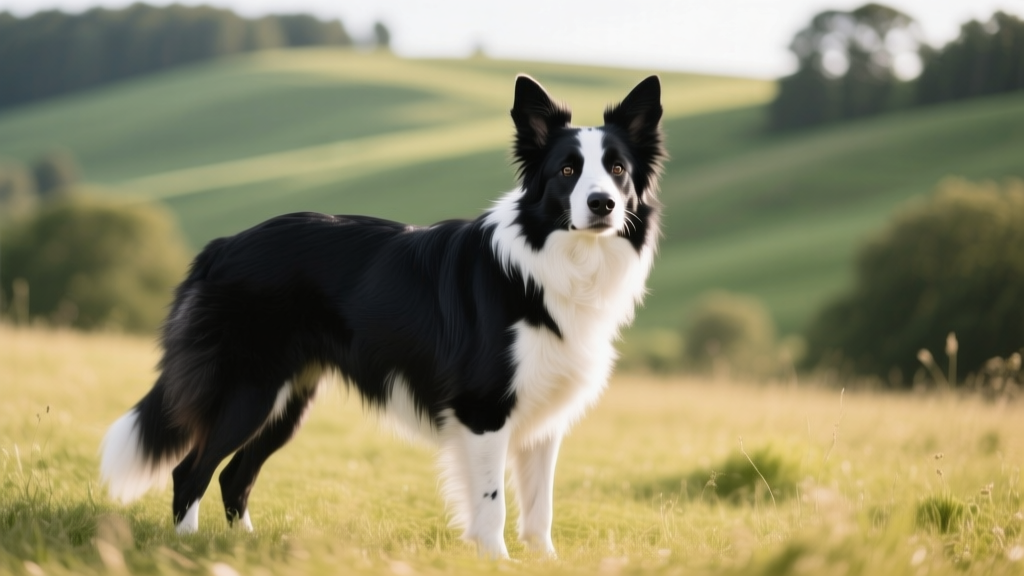
The Border Collie consistently ranks among the most intelligent dog breeds in the world, and for good reason. Originally developed along the Anglo-Scottish border to herd sheep with an intense, almost hypnotic stare known as "the eye," this breed brings a work ethic and cognitive ability that few other dogs can match. But that same brilliance makes the Border Collie a poor fit for casual or sedentary households. If you're researching the Border Collie as your next dog, this guide gives you the specific numbers, health data, and real-world ownership details you need to make an informed decision.
Breed Overview: Origin, Size Class & Lifespan
The Border Collie's history traces back to the 19th-century borderlands between England and Scotland, where shepherds selectively bred working sheepdogs for intelligence and herding instinct rather than appearance. The breed's foundation sire is widely considered to be Old Hemp (1893–1901), a tri-color dog whose calm, powerful herding style became the template for the modern Border Collie. The American Kennel Club officially recognized the Border Collie in 1995, though the International Sheep Dog Society (ISDS) in the UK has maintained working registries since the early 1900s.
Border Collies are classified as a medium-sized herding breed. They are athletic and balanced rather than bulky, built for endurance over raw power.
| Attribute | Details |
|---|---|
| Size Class | Medium |
| Weight (Male) | 30–55 lb / 14–25 kg |
| Weight (Female) | 27–42 lb / 12–19 kg |
| Height (Male) | 19–22 in / 48–56 cm |
| Height (Female) | 18–21 in / 46–53 cm |
| Lifespan | 12–15 years (median ~13.1 years per UK Kennel Club survey) |
| Coat Types | Rough (medium-long) or Smooth (short); both double-coated |
| AKC Group | Herding |
| Energy Level | Very High |
| Trainability | Exceptional (ranked #1 in Stanley Coren's intelligence rankings) |
Temperament & Personality: 5 Core Traits
Border Collies are not a "chill on the couch" breed. Their temperament reflects centuries of selective breeding for sustained mental and physical work. Here's what you'll actually live with:
- Intense Focus: A Border Collie will lock onto moving objects — squirrels, bikes, children running — with laser-like concentration. This is the herding instinct in action, and it doesn't switch off in a suburban backyard.
- High Sensitivity: These dogs read human body language and emotional tone with uncanny accuracy. Harsh corrections or yelling can shut a Border Collie down or trigger anxiety-based behaviors. They thrive under calm, consistent handlers.
- Relentless Energy: A Border Collie who hasn't had sufficient mental and physical outlet will create their own "job" — which often means herding your toddlers, chasing shadows, or dismantling your couch cushions.
- Problem-Solving Drive: Expect your Border Collie to figure out latch mechanisms, gate locks, and treat-dispensing toys within minutes. This intelligence is a double-edged sword: they learn desired behaviors fast, but they learn unwanted behaviors equally fast.
- Strong Handler Bond: Border Collies tend to attach deeply to one person, often following their chosen human from room to room. They can be reserved with strangers, though early socialization mitigates this.
Exercise & Activity Needs: What the Numbers Say
Vague advice like "needs lots of exercise" doesn't help you plan your schedule. Here are the concrete daily requirements for an adult Border Collie:
| Life Stage | Minutes/Day | Activity Types |
|---|---|---|
| Puppy (3–6 months) | 25–40 min (structured, low-impact) | Short walks, sniffing games, basic obedience, puppy playdates |
| Adolescent (6–18 months) | 60–90 min | Longer walks, introduction to agility foundations, fetch, flirt pole, recall training |
| Adult (1.5–8 years) | 90–120+ min | Running/hiking, agility, flyball, herding trials, advanced obedience, disc dog |
| Senior (8+ years) | 45–75 min (adjusted for arthritis) | Leisurely walks, gentle swimming, puzzle toys, scent work |
Critical detail: Physical exercise alone is not enough. Border Collies need mental work — puzzle feeders, training sessions, scent discrimination games, or structured dog sports. A Border Collie who runs 5 miles but has no mental challenge will still come home and herd your cat. Aim for at least 20–30 minutes of dedicated brain work daily in addition to physical activity.
Recommended gear for meeting these needs:
- Hands-free running leash (e.g., Ruffwear Roamer or Kurgo Zippy) for jogging sessions
- Snuffle mat or Kong Wobbler for mealtime mental stimulation
- Agility tunnel and weave poles (backyard sets start around $80–$150) for home training
- Chuckit! Ultra Ball launcher for high-intensity fetch without arm strain
Common Health Issues & Breed-Specific Risks
Border Collies are generally robust, but the breed carries predispositions to several conditions that prospective owners should understand. Always consult your veterinarian about screening and preventive care.
| Condition | Description | Estimated Prevalence | Screening / Prevention |
|---|---|---|---|
| Hip Dysplasia | Malformation of the hip joint leading to arthritis | ~4–6% (OFA data) | OFA or PennHIP evaluation of breeding stock; maintain lean body condition |
| Collie Eye Anomaly (CEA) | Congenital eye disorder ranging from mild to blindness-causing | ~2–4% affected; up to 30% carriers in some lines | DNA test available; CERF/OFA eye exam annually |
| Epilepsy (Idiopathic) | Recurring seizures with no identifiable structural cause | ~2–5% (higher than breed average) | No preventive screening; manage with vet-prescribed anticonvulsants (phenobarbital, levetiracetam) |
| MDR1 Gene Mutation | Sensitivity to certain drugs (ivermectin, loperamide, others) | ~1–4% of Border Collies carry the mutation | DNA test via Washington State University Veterinary Clinical Pharmacology Lab |
| Osteochondritis Dissecans (OCD) | Cartilage defect in joints, typically shoulder or elbow | Low-moderate; more common in rapidly growing puppies | Controlled growth rate; avoid high-impact exercise before 12 months |
Veterinary screening recommendation: Reputable breeders should provide OFA hip scores, CEA DNA results, and ideally MDR1 status for both parents. Ask for documentation before purchasing a puppy. The Orthopedic Foundation for Animals (OFA) maintains a public database where you can verify health clearances.
Grooming Requirements & Care Schedule
Border Collies come in two coat varieties, and grooming needs differ between them. Both types have a weather-resistant double coat that sheds year-round with heavier seasonal "blows" in spring and fall.
| Task | Rough Coat | Smooth Coat | Tools Needed |
|---|---|---|---|
| Brushing | 3–4 times/week | 1–2 times/week | Slicker brush, undercoat rake (e.g., Furminator for medium coats) |
| De-shedding (seasonal) | Daily during blow periods | Every other day during blow periods | De-shedding tool, high-velocity dryer (optional, ~$90–$200) |
| Bathing | Every 6–8 weeks | Every 8–10 weeks | Oatmeal-based dog shampoo; avoid human products |
| Nail trimming | Every 2–3 weeks | Every 2–3 weeks | Guillotine or scissor-style clippers; styptic powder on hand |
| Ear cleaning | Monthly | Monthly | Veterinary ear cleaner (e.g., Epi-Otic); cotton balls |
| Dental care | Daily ideal; 3x/week minimum | Daily ideal; 3x/week minimum | Dog-specific enzymatic toothpaste; finger brush or small head brush |
Never shave a Border Collie's coat. The double coat provides insulation against both heat and cold. Shaving disrupts the coat structure and can lead to permanent texture changes and sunburn vulnerability.
Training & Intelligence: Methods That Work
In neuropsychologist Stanley Coren's landmark book The Intelligence of Dogs, the Border Collie ranks #1 out of 138 breeds for working and obedience intelligence — capable of learning a new command in fewer than 5 repetitions and obeying a known command on the first attempt 95% of the time or better.
This trainability demands the right approach:
- Use positive reinforcement exclusively. Border Collies respond to reward-based methods (treats, toys, praise) with enthusiasm. Force-free, LIMA (Least Intrusive, Minimally Aversive) methods produce the best results. Shock collars, prong collars, and alpha rolls are unnecessary and counterproductive — they damage the trust-based bond this breed requires.
- Keep sessions short and varied. 10–15 minute sessions, 2–3 times daily, outperform one long grind. Border Collies bore easily with repetition.
- Teach an "off switch." Actively train a settle/mat behavior using protocols like Karen Overall's Relaxation Protocol. Without this, your Border Collie will remain in a state of hyperarousal indoors.
- Channel herding instinct appropriately. If you don't have sheep, consider treibball (herding large exercise balls), disc dog, or agility as outlets. Treibball equipment costs as little as $40–$80 for a set of exercise balls.
- Socialize extensively between 8–16 weeks. Expose your Border Collie puppy to diverse surfaces, sounds, people, and other dogs during the critical socialization window. Puppy classes (typically $150–$250 for a 6-week course) provide structured exposure.
Family Suitability: Kids, Pets & Living Spaces
With children: Border Collies can coexist well with children — but they require supervision and management. The herding instinct may cause the dog to nip at running children's heels or attempt to "gather" kids into a group. Families with children under 6 should be cautious; the combination of a high-energy dog and unpredictable toddler movement can trigger herding behaviors. Teach children to respect the dog's rest time and never approach while eating.
With other pets: Border Collies typically do well with other dogs, especially if socialized early. Cats can be more challenging — the dog's chase instinct may target a running cat. Successful cohabitation usually requires a cat with confident, dog-savvy behavior and management (separate spaces, vertical escape routes for the cat). Small animals like rabbits or hamsters should be kept securely separated.
Apartment living: Border Collies are not well-suited to apartments unless the owner is exceptionally committed to meeting their 90–120 minute daily exercise requirement. Without a yard for quick training sessions and decompression, apartment-dwelling Border Collies are at higher risk for destructive behavior and noise complaints (they are vocal dogs). A house with a securely fenced yard (minimum 6-foot fence recommended — Border Collies are athletic jumpers) is strongly preferred.
- Exceptional trainability — excels in dog sports and advanced obedience
- Deep loyalty and strong handler bond
- Long lifespan (12–15 years) with generally good health
- Versatile — succeeds in agility, herding, search-and-rescue, therapy work
- Highly attuned to owner's emotional state
- Extreme exercise and mental stimulation needs (90–120+ min/day)
- Herding instinct can cause nipping at children/pets
- Prone to anxiety and destructive behavior if under-stimulated
- Heavy seasonal shedding
- Not well-suited to apartments or sedentary lifestyles
Cost of Ownership: Purchase Price & Annual Expenses
Budgeting accurately for a Border Collie prevents financial surprises. Here's what ownership actually costs in 2026:
| Expense Category | Low Range | Mid Range | High Range |
|---|---|---|---|
| Puppy from responsible breeder (health-tested parents, AKC/ISDS registered) | $1,200 | $1,800–$2,500 | $3,000–$4,500 (proven working/show lines) |
| Adoption from rescue | $200 | $350–$500 | $600 |
| First-year veterinary care (vaccines, spay/neuter, microchip, wellness exams) | $500 | $800–$1,200 | $1,800+ (if health issues arise) |
| Annual veterinary care (adult, routine) | $400 | $600–$900 | $1,500+ (senior screening, dental) |
| High-quality food (annual) | $480 ($40/mo) | $720 ($60/mo) | $1,080 ($90/mo, premium/raw) |
| Dog sports & training classes (annual) | $300 | $600–$1,000 | $2,000+ (competition travel, private lessons) |
| Pet insurance (annual) | $480 ($40/mo) | $660 ($55/mo) | $960 ($80/mo, comprehensive) |
| Grooming supplies & professional grooming (annual) | $100 | $200–$400 | $600+ (regular professional grooming) |
| Estimated first-year total | $3,180 | $5,360–$7,500 | $10,000+ |
| Estimated annual cost (years 2+) | $1,880 | $2,880–$4,000 | $5,500+ |
Food note: An active adult Border Collie weighing 40 lb (18 kg) typically requires 900–1,200 calories per day, depending on activity level. Look for an AAFCO-approved complete-and-balanced diet with a named animal protein as the first ingredient and a guaranteed analysis showing minimum 22–26% protein for adult maintenance.
Frequently Asked Questions
Is the Border Collie right for first-time dog owners?
Generally, no — unless the first-time owner is highly active, committed to dog sports or structured training, and prepared for the time investment. Border Collies are unforgiving of inconsistent training, insufficient exercise, and passive ownership. A first-time owner who joins an agility club, enrolls in weekly classes, and hikes daily can succeed, but a casual first-time owner will likely struggle with the breed's demands.
How much exercise does a Border Collie need daily?
Adult Border Collies need a minimum of 90–120 minutes of combined physical and mental exercise per day. This should include at least one sustained aerobic activity (running, hiking, agility) plus structured mental work (training sessions, puzzle toys, dog sports). Puppies need less — roughly 5 minutes per month of age per session — to protect developing joints.
What health problems are Border Collies prone to?
The most significant breed-specific conditions include hip dysplasia (~4–6% prevalence), Collie Eye Anomaly (CEA, ~2–4% affected with higher carrier rates), idiopathic epilepsy (~2–5%), and the MDR1 drug sensitivity gene mutation (~1–4%). Responsible breeders screen for hip dysplasia via OFA/PennHIP and test for CEA via DNA. Consult your veterinarian about appropriate screening for your individual dog.
How big does a Border Collie get?
Adult males typically stand 19–22 inches (48–56 cm) at the shoulder and weigh 30–55 lb (14–25 kg). Adult females stand 18–21 inches (46–53 cm) and weigh 27–42 lb (12–19 kg). Working-line Border Collies tend to be leaner and slightly lighter than show-line dogs.
Is the Border Collie good with children and other pets?
Border Collies can live successfully with children and other dogs when properly socialized and supervised. The primary concern is the herding instinct, which may cause nipping at running children or chasing cats. Families with very young children or small pets should carefully evaluate whether the breed's instincts are manageable in their household. Early socialization and training significantly improve outcomes.
How much does a Border Collie cost to buy and maintain?
Puppy prices from responsible breeders range from $1,200 to $4,500, with adoption fees typically $200–$600. First-year expenses (vet care, food, supplies, training) typically total $3,200–$7,500. Ongoing annual costs for an adult Border Collie run $1,900–$5,500+ depending on activity level, health needs, and whether you pursue competitive dog sports.
Dr. Hannah Wickes
All our authors care for dogs every day — read more of their work on the authors page.


