Terrier Mixed Pitbull: The Complete Guide to This Energetic Crossbreed
Everything about the terrier mixed pitbull: size, temperament, health risks, coat types, costs, and whether this energetic crossbreed fits your household.
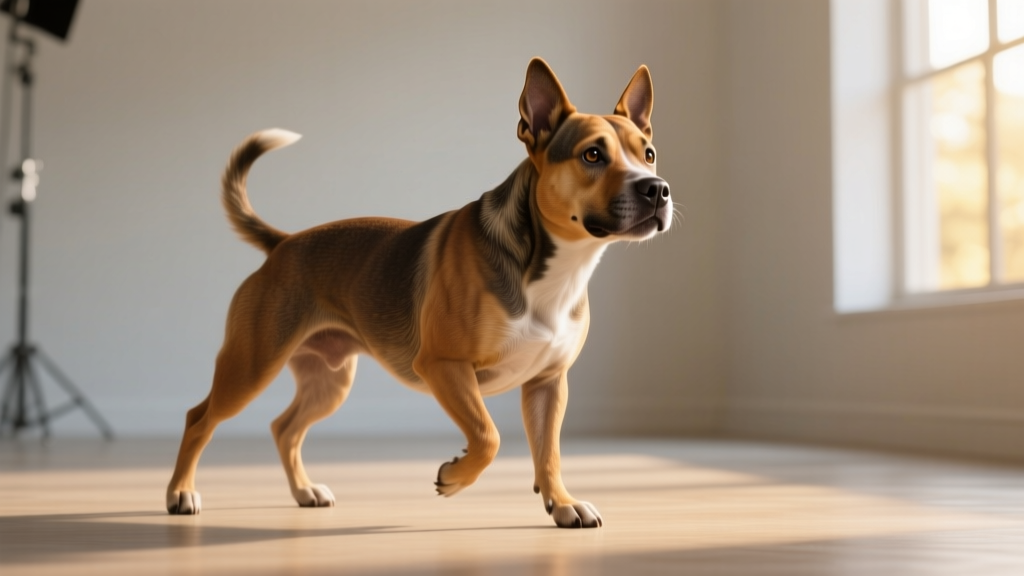
If you've encountered a scrappy, muscular dog with terrier intensity and pitbull athleticism, you may have met a terrier mixed pitbull. This crossbreed — sometimes called a "Pit Terrier" — combines two powerful canine lineages into one compact, high-energy companion. But unlike purebred dogs with predictable breed standards, mixed breeds carry a genetic lottery ticket. Understanding both parent breeds is the only way to anticipate what you'll live with for the next 12 to 16 years.
This guide breaks down the parent breeds, the range of traits you might see, health realities (including the hybrid vigor myth), and whether this mix is the right fit for your home. We'll also cover costs, grooming, and the training approach that actually works for these strong-willed dogs.
What Two Breeds Make Up a Terrier Mixed Pitbull?
The term "terrier mixed pitbull" refers to a cross between any dog from the terrier group and a dog commonly identified as a pitbull-type breed. Because "pitbull" is itself an umbrella term — not a single AKC-recognized breed — and the terrier group contains over 30 breeds, the exact combination varies significantly.
Most commonly, you'll encounter these pairings:
- Jack Russell Terrier × American Pit Bull Terrier (APBT) — produces a compact, wiry, extremely high-drive dog
- Rat Terrier × American Staffordshire Terrier (AmStaff) — tends toward a medium-sized, smooth-coated athletic dog
- Bull Terrier × Staffordshire Bull Terrier — yields a stockier, muscular dog with a distinctive egg-shaped head influence
- Yorkshire Terrier × APBT — rare but produces a small-to-medium dog with unpredictable coat traits
The American Kennel Club's Terrier Group includes breeds originally developed for vermin control, fox hunting, and badger baiting. Pitbull-type dogs — including the APBT (recognized by the UKC, not AKC), the AmStaff, and the Staffordshire Bull Terrier — descend from bull-and-terrier crosses bred in 19th-century England. So in many cases, a terrier-pitbull mix is essentially a modern recreation of historical bull-and-terrier lineage, with traits amplified or diluted by generations of separate breeding.
Unlike designer breeds such as Labradoodles, terrier-pitbull crosses are rarely bred intentionally through structured generation programs. However, if you encounter a breeder using these terms:
- F1 (First Generation): One purebred terrier parent + one purebred pitbull-type parent. Maximum trait variability — you're truly getting a genetic coin flip.
- F1B (First Generation Backcross): An F1 mix bred back to one of the parent breeds (e.g., F1 Pit Terrier × purebred Jack Russell). Slightly more predictable toward the backcross parent's traits.
- F2 (Second Generation): Two F1 Pit Terriers bred together. Produces the widest trait variation of any generation due to gene recombination.
- Multigen (F3+): Multiple generations of Pit Terrier × Pit Terrier breeding. Rare for this mix; traits may stabilize somewhat but never reach purebred consistency.
Most terrier-pitbull mixes found in shelters and rescues are multigenerational mixes with unknown ancestry — making predictability even lower.
Parent Breed Breakdown: What Each Side Brings
To anticipate the traits of a terrier mixed pitbull, you need to understand both parent lineages. Here's how the most common parent breeds compare:
| Trait | Jack Russell Terrier | American Pit Bull Terrier |
|---|---|---|
| Weight | 9–15 lb (4–7 kg) | 30–65 lb (14–29 kg) |
| Height | 10–15 in (25–38 cm) | 17–21 in (43–53 cm) |
| Energy Level | Very high (60–90+ min/day) | High (45–90 min/day) |
| Prey Drive | Extreme | Moderate to high |
| Dog Selectivity | Moderate (can be scrappy) | Moderate to high (same-sex aggression common) |
| Human Affection | High but independent | Very high ("velcro dog") |
| Trainability | Smart but stubborn | Eager to please, responds well |
| Lifespan | 12–16 years | 12–14 years |
When you cross these two, you get a dog that inherits high energy from both sides, strong prey drive, deep human attachment, and a stubborn streak that makes training both rewarding and challenging.
How Big Will a Terrier Mixed Pitbull Get?
Size is one of the most unpredictable aspects of this cross, especially when the parent breeds differ dramatically in weight (e.g., a 10 lb Jack Russell and a 55 lb APBT). Here's the realistic range:
| Size Category | Weight | Height at Shoulder | Likely Parent Combo |
|---|---|---|---|
| Small | 15–25 lb (7–11 kg) | 12–15 in (30–38 cm) | Jack Russell × smaller APBT or Staffy |
| Medium | 25–45 lb (11–20 kg) | 15–18 in (38–46 cm) | Rat Terrier × AmStaff, or mid-size parents |
| Large | 45–65 lb (20–29 kg) | 18–21 in (46–53 cm) | Bull Terrier × larger APBT |
Most terrier-pitbull mixes land in the medium range (25–45 lb / 11–20 kg). If you're adopting a puppy, the best size predictor is the parents' weight — ask the rescue or breeder for that information. A rough formula: average the parents' weights, then expect ±20% variation.
Temperament: What to Expect (Best Case vs. Challenging Scenarios)
This is where individual variation matters most. Two puppies from the same terrier-pitbull litter can have dramatically different personalities. That said, both parent breeds share certain tendencies that often surface in the mix.
Best-Case Scenario
You get a dog that is intensely loyal, playful well into adulthood, quick to learn commands, and friendly with familiar people. They're athletic enough for agility or canicross but can settle into couch time in the evening. They tolerate other household pets with proper early socialization and greet visitors with enthusiasm rather than suspicion.
Challenging Scenario
You get a dog with extreme prey drive that cannot safely coexist with cats or small dogs. They develop leash reactivity toward other dogs (common in both terriers and pitbull-type breeds) and exhibit resource guarding behavior. Without sufficient physical and mental exercise (minimum 60–90 minutes of vigorous activity daily), they become destructive — chewing furniture, digging, and barking excessively.
- Prey drive intensity: Ranges from manageable (can coexist with cats if raised together) to unmanageable (will chase and potentially injure small animals regardless of training)
- Dog tolerance: Some are social butterfly; others become dog-selective or dog-aggressive after reaching social maturity (ages 2–3)
- Independence vs. velcro tendency: Terrier side pulls toward independence; pitbull side pulls toward constant human contact
- Stranger response: Can range from gregarious to aloof to suspicious — early socialization (weeks 8–16) is critical
- Energy duration: Some settle by age 3; others remain puppy-energy into age 7+
Coat Types, Shedding, and Grooming Needs
Coat inheritance in a terrier mixed pitbull depends heavily on which terrier breed is in the mix. Here are the possibilities:
Smooth/Short Coat (most common): Inherited from the pitbull parent or from smooth-coated terriers like the Rat Terrier or Jack Russell. Hair is short, dense, and lies flat against the body. Shedding is moderate year-round with seasonal increases in spring and fall. Grooming requires weekly brushing with a rubber curry brush (like the Kong ZoomGroom, approximately $8–$12) and occasional baths every 4–8 weeks.
Wiry/Broken Coat: Inherited from wire-haired terrier lines. The coat is rougher, may have longer guard hairs around the face and legs, and may require hand-stripping or clipping 2–4 times per year. Shedding is lower than smooth coats but maintenance is higher. Professional grooming sessions cost $40–$70 per visit.
Is this mix hypoallergenic or low-shedding? No. Neither parent breed carries the low-shedding, hair-like coat gene found in breeds like Poodles or Bichon Frises. Even the wiry-coated variants shed — just less visibly. If you have dog allergies, this mix is not a suitable choice.
Health Considerations: Inherited Risks From Both Parents
Let's address the hybrid vigor myth directly: crossing two breeds does not automatically produce a healthier dog. Hybrid vigor (heterosis) can reduce the risk of recessive genetic diseases that are concentrated within a single breed's gene pool. However, a mixed-breed dog can still inherit dominant or polygenic conditions from either parent. A 2013 study published in the Journal of the American Veterinary Medical Association found that mixed-breed dogs had lower rates of only some inherited disorders while sharing equal risk for others like hip dysplasia and certain cancers.
Here are conditions to screen for and discuss with your veterinarian:
| Condition | Inherited From | Prevalence | Screening/Cost |
|---|---|---|---|
| Hip Dysplasia | Pitbull parent (polygenic) | ~15–20% in pitbull-type breeds (OFA data) | OFA/PennHIP x-ray: $200–$400 |
| Patellar Luxation | Terrier parent (especially small terriers) | Common in Jack Russells, ~5–8% | Vet orthopedic exam: included in wellness visit |
| Allergic Skin Disease | Both parents (pitbulls are highly prone) | Up to 30% in pitbull-type breeds | Dermatology referral: $150–$500 initial consult |
| Legg-Calvé-Perthes Disease | Terrier parent (small breeds) | Uncommon but higher in terriers | X-ray diagnosis: $150–$300; surgery: $1,500–$3,500 |
| Cardiac Conditions (Aortic Stenosis) | Pitbull parent | Lower prevalence, ~2–4% | Cardiac auscultation + echocardiogram: $300–$600 |
| Lens Luxation (Primary) | Terrier parent (especially Jack Russells) | ~1–3% in affected terrier breeds | Ophthalmologic exam: $80–$200; surgery: $1,500–$3,000 |
For more on breed-specific health conditions, the Merck Veterinary Manual provides detailed clinical references for both terrier and pitbull-type breed predispositions.
Preventive care budget: Plan for $800–$1,500 annually for routine veterinary care (vaccines, heartworm prevention, flea/tick control, annual bloodwork). Add $200–$500 if you pursue genetic screening through services like Embark ($199) or Wisdom Panel ($85–$130) to identify which specific breeds are in your dog's lineage and what health risks they carry.
Training and Exercise: What Actually Works
Both terriers and pitbull-type breeds are intelligent, strong, and capable of ignoring commands when something more interesting catches their attention. The training approach that succeeds with this mix is positive reinforcement with high-value rewards — think real chicken, cheese, or freeze-dried liver, not generic kibble treats.
Daily exercise minimum: 60–90 minutes of structured activity. This should include:
- 30–45 minutes of brisk walking or jogging (a well-fitted harness like the Ruffwear Front Range, ~$40, reduces pulling better than a flat collar)
- 15–20 minutes of mental stimulation (puzzle feeders, snuffle mats, scent work)
- 10–15 minutes of training sessions (short, frequent sessions outperform long ones for terrier-type dogs)
Critical socialization window: If you're raising a puppy, the primary socialization period closes around 14–16 weeks. Expose your puppy to diverse people, surfaces, sounds, and vaccinated, friendly dogs during this window. The American Veterinary Society of Animal Behavior (AVSAB) recommends starting socialization before the full vaccine series is complete, in controlled environments.
What does NOT work: Aversive tools (shock collars, prong collars) and dominance-based methods (alpha rolls, leash jerks) are counterproductive with this mix. Terriers tend to shut down or escalate aggression when punished, and pitbull-type breeds are sensitive enough that harsh methods damage the human-dog bond. Force-free, LIMA (Least Intrusive, Minimally Aversive) methods produce more reliable long-term results.
Cost and Availability: Breeder vs. Rescue
Because terrier-pitbull mixes are rarely intentionally bred as "designer dogs," most are available through shelters and rescues rather than breeders. Here's the cost landscape:
| Source | Cost Range | What's Included |
|---|---|---|
| Shelter/Rescue Adoption | $50–$350 | Spay/neuter, initial vaccines, microchip, sometimes heartworm test |
| Breed-Specific Rescue (Pitbull or Terrier) | $200–$500 | Full veterinary workup, behavioral assessment, foster evaluation |
| Intentional Breeder (rare) | $400–$1,200 | Varies widely; insist on health-tested parents (OFA hips, cardiac, ophthalmologic) |
First-year total cost estimate: Budget $2,500–$4,500 for the first year, including adoption/purchase price, veterinary setup (spay/neuter if not included, initial vaccine series, heartworm test, fecal exam), supplies (crate, harness, leash, food bowls, puzzle toys), food ($40–$80/month for a quality kibble like Purina Pro Plan or Orijen), pet insurance ($35–$70/month through providers like Trupanion or Healthy Paws), and training classes ($150–$300 for a 6-week group course).
Breed-specific legislation note: Pitbull-type breeds and their mixes face breed-specific legislation (BSL) in some municipalities. Before adopting, check your local ordinances, homeowner's insurance policy, and rental agreements. Organizations like the AVMA oppose BSL, but local laws vary regardless.
Who This Mix Suits Best
A terrier mixed pitbull thrives in a specific type of household. Based on the trait range from both parent breeds, here's the ideal fit:
Best suited for:
- Active individuals or couples who run, hike, or bike regularly and want a canine athletic partner
- Experienced dog owners (2+ years) familiar with leash reactivity, prey drive management, and positive reinforcement training
- Homes with fenced yards (minimum 5-foot fence — both parent breeds are athletic jumpers and climbers)
- Families with older children (ages 8+) who understand how to interact calmly with dogs; both parent breeds can be wonderful with kids but the high energy and potential for resource guarding make toddler households riskier
- Single-dog households or homes where a careful introduction period is feasible; dog-dog compatibility varies widely
Not ideal for:
- First-time dog owners without a support system (trainer, experienced mentor)
- Apartment dwellers without access to daily off-leash or vigorous exercise opportunities
- Homes with cats, rabbits, or small dogs unless the specific dog has been evaluated and proven safe
- Owners away from home 8+ hours daily without a dog walker or daycare plan
- Anyone seeking a low-maintenance or "couch potato" companion
Frequently Asked Questions
Is a terrier mixed pitbull a recognized breed?
No. This is a mixed-breed dog (crossbreed) and is not recognized by the AKC, UKC, or FCI as a distinct breed. Some registries like the American Canine Hybrid Club (ACHC) may register specific designer crosses, but terrier-pitbull mixes are rarely bred intentionally enough to have registry presence.
How long do terrier-pitbull mixes live?
Expect 12–16 years on average, assuming good nutrition, regular veterinary care, and weight management. Smaller variants (closer to the terrier parent's size) tend to live longer — sometimes up to 17 years. Larger variants may fall in the 11–14 year range.
Are terrier-pitbull mixes aggressive?
Aggression is not a breed trait — it's a behavior influenced by genetics, socialization, training, and environment. Both terriers and pitbull-type breeds score well on the American Temperament Test Society (ATTS) evaluations, with AmStaffs passing at rates above 85%. However, individual dogs can develop fear-based aggression, leash reactivity, or resource guarding without proper socialization and training. Early positive experiences are the strongest predictor of temperament.
Can I find a terrier-pitbull mix in a shelter?
Yes — this is actually the most common way to find this mix. Pitbull-type dogs and terriers are among the most commonly surrendered breeds in U.S. shelters. Look at local shelters, Petfinder.com, or breed-specific rescues like the Bad Rap Rescue or local terrier rescue networks.
What should I feed a terrier-pitbull mix?
Choose an AAFCO-certified complete-and-balanced diet appropriate for your dog's life stage and size. For a 30 lb (14 kg) adult, expect to feed approximately 600–800 calories daily, split into two meals. Look for a named protein source (chicken, lamb, fish) as the first ingredient and a guaranteed analysis showing minimum 22% protein for adult maintenance. Dogs with skin allergies (common in this mix) may benefit from limited-ingredient diets or novel protein formulas — consult your veterinarian before switching.
Do terrier-pitbull mixes need professional training?
Professional training is strongly recommended, especially during the first year. A certified positive-reinforcement trainer (look for CPDT-KA or KPA-CTP credentials) can help with leash reactivity, impulse control, and recall — the three most common challenges with this mix. Expect to invest $500–$1,500 in training during the first year (group classes + a few private sessions for specific issues).
Dr. Hannah Wickes
All our authors care for dogs every day — read more of their work on the authors page.


