Akita Cross Husky (Huskita): Complete Breed Profile & Care Guide
Everything about the Akita cross Husky: size, temperament, coat, health risks, grooming, cost, and whether this powerful designer mix suits your lifestyle.

What Is an Akita Cross Husky?
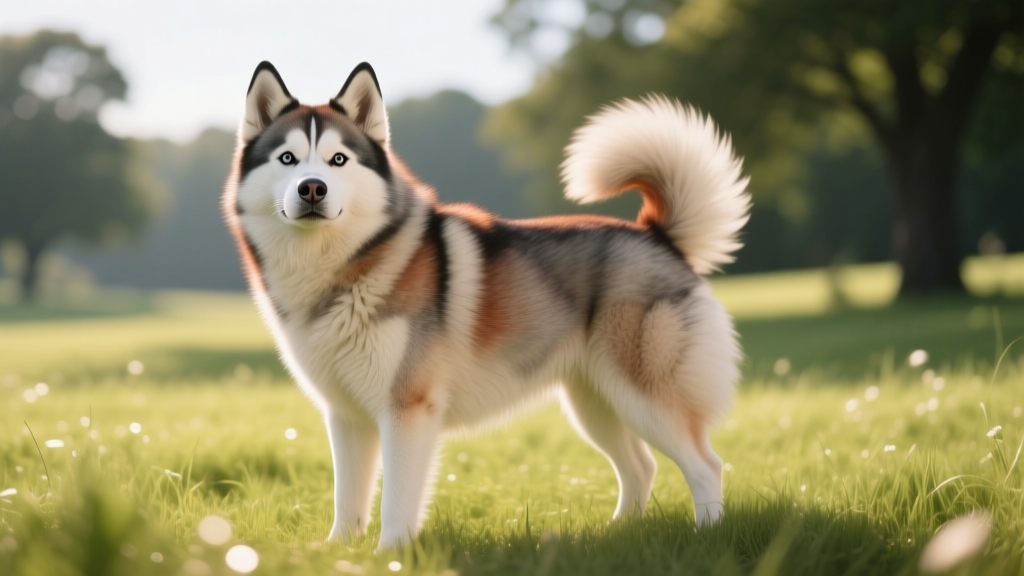
The Akita cross Husky — commonly called a Huskita — is a designer mix that pairs the dignified, powerful Japanese Akita with the energetic, vocal Siberian Husky. This is not an AKC-recognized breed; it's a first-generation or multigenerational cross between two large spitz-type dogs that share some ancestral traits but differ sharply in temperament and working style.
Both parent breeds belong to the spitz family, which means the offspring will almost certainly have pointed ears, a curled tail, and a thick double coat. But beyond those shared spitz characteristics, the Akita and Husky are remarkably different dogs — and that's what makes predicting a Huskita's personality one of the biggest challenges for prospective owners.
Parent Breed Breakdown: Akita vs. Siberian Husky
To understand what a Huskita might be like, you need to understand the two very different dogs that create it. The following comparison draws on AKC Akita breed standards and AKC Siberian Husky standards.
| Trait | Japanese Akita (Akita Inu) | Siberian Husky |
|---|---|---|
| Origin | Japan (Akita Prefecture), ancient breed | Northeast Asia (Chukchi people), developed as sled dogs |
| AKC Group | Working Group | Working Group |
| Weight Range | 70–130 lb / 32–59 kg | 35–60 lb / 16–27 kg |
| Height | 24–28 in / 61–71 cm | 20–24 in / 51–61 cm |
| Temperament | Loyal, aloof with strangers, territorial, dog-aggressive tendencies | Friendly, outgoing, high prey drive, pack-oriented |
| Energy Level | Moderate — bursts of activity, enjoys downtime | Very high — bred for endurance running |
| Vocalization | Generally quiet, will bark to alert | Extremely vocal — howling, "talking," whining |
| Shedding | Heavy — blows coat 2x/year | Heavy — blows coat 2x/year |
| Lifespan | 10–13 years | 12–14 years |
| Trainability | Independent, requires firm but positive leadership | Intelligent but easily bored, stubborn streak |
| Prey Drive | High | Very high |
| Stranger Response | Wary, reserved | Welcoming, poor guard dog |
The Akita is a guardian at heart — deeply bonded to family, suspicious of strangers, and often intolerant of same-sex dogs. The Husky is a social athlete who will greet a burglar with tail wags but will happily run alongside them if they go for a jog. These are fundamentally different orientations toward the world, and a Huskita can land anywhere on that spectrum.
Understanding Generations: F1, F1B, and F2 Huskitas
Generation Guide
- F1 (First Generation): One purebred Akita parent + one purebred Siberian Husky parent. Maximum genetic diversity, but highest trait unpredictability. Most Huskitas on the market are F1.
- F1B (First-Generation Backcross): An F1 Huskita bred back to one of the parent breeds (usually the Husky, for smaller size). Results in a dog that's roughly 75% one breed and 25% the other.
- F2 (Second Generation): Two F1 Huskitas bred together. Trait expression becomes even more variable — puppies in the same litter can look and behave very differently.
- Multigen (F3+): Multiple generations of Huskita-to-Huskita breeding. Extremely rare for this mix — most breeders don't maintain established Huskita lines the way they do for Labradoodles or Goldendoodles.
Because the Huskita is not an established designer breed with a breed club or multigenerational breeding programs, the vast majority you'll encounter are F1 crosses. This means each puppy is essentially a genetic lottery. One littermate might weigh 45 pounds and act like an overgrown Husky, while another hits 100 pounds with the Akita's stoic reserve.
Size, Weight, and Physical Appearance
Size is one of the most unpredictable aspects of a Huskita because the parent breeds differ dramatically in mass. A male Akita can weigh more than double a female Husky. Here's the realistic range based on parent breed data from the Merck Veterinary Manual:
| Measurement | Minimum (Husky-dominant) | Maximum (Akita-dominant) |
|---|---|---|
| Weight | 35 lb / 16 kg | 120 lb / 54 kg |
| Height at Shoulder | 20 in / 51 cm | 28 in / 71 cm |
| Most Common Range | 50–85 lb / 23–39 kg; 22–26 in / 56–66 cm | |
Most Huskitas land in the "large dog" category — roughly 50 to 85 pounds. But outliers exist. If the Akita parent is a large male and the Huskita puppy inherits predominantly Akita genetics, you could end up with a 100+ pound dog. If the Husky parent is a small female and genetics lean that direction, you might have a 40-pound dog that looks almost entirely Husky.
Physically, expect a muscular, athletic build with a broad chest. The head shape varies — some Huskitas inherit the Akita's broad, bear-like skull while others have the Husky's narrower, fox-like features. Ears are almost always erect and triangular. The tail typically curls over the back, a hallmark spitz trait inherited from both parents.
Coat, Colors, and Shedding: Is a Huskita Hypoallergenic?
No. The Huskita is absolutely not hypoallergenic or low-shedding. Both parent breeds are prolific shedders with thick double coats designed for cold climates. There is zero genetic pathway to a low-shedding Huskita — neither parent carries the furnishings or coat-type genes associated with hypoallergenic breeds like Poodles.
Coat type possibilities:
- Akita-dominant coat: Shorter, denser outer guard hairs with a very thick undercoat. Typically stands away from the body slightly.
- Husky-dominant coat: Medium-length, softer outer coat with a plush undercoat. May have longer fur around the neck (ruff) and tail.
- Blended coat: Most common — medium length, dense, with a mix of guard hair textures.
Color range: Huskitas can inherit any combination from both parents — red, sesame, brindle, white, black, gray, sable, piebald, and agouti patterns. Eye colors include brown (most common from the Akita side), blue (from the Husky side), or heterochromia (one of each), which the Husky breed is known for.
Temperament: What to Expect (and What to Prepare For)
This is where the Huskita's variability matters most. You are combining two breeds with very different social orientations, and the result can be anything from a friendly, goofy companion to a serious guardian dog that doesn't tolerate strangers or other animals.
Best-Case Temperament Scenario
The Huskita inherits the Husky's friendliness and playfulness but tempers it with the Akita's calmness and loyalty. The result is an affectionate family dog that enjoys outdoor adventures, is reasonably trainable with positive reinforcement, and has an "off switch" at home. This dog greets visitors politely, plays well with familiar dogs, and bonds deeply with its people without being clingy.
Challenging Temperament Scenario
The Huskita inherits the Akita's dog aggression and territorial instincts combined with the Husky's high prey drive and escape artistry. This dog may be reactive toward unfamiliar dogs (especially same-sex), chase cats and small animals, attempt to escape any yard that isn't escape-proof, and be aloof or even suspicious with visitors. Training requires patience, consistency, and professional guidance — this is not a dog you can "love into obedience."
Common Temperament Traits Across Most Huskitas
- High energy: Minimum 60–90 minutes of vigorous exercise daily. These are working-breed athletes.
- Vocalization: Expect some combination of howling, "talking," barking, and whining. If you live in an apartment with noise restrictions, this is a dealbreaker.
- Prey drive: Both parents have strong chase instincts. Off-leash reliability is extremely difficult to achieve and should never be trusted in unsecured areas.
- Independence: Neither parent breed is a biddable, handler-focused dog like a Border Collie or Golden Retriever. Huskitas think for themselves.
- Same-sex dog aggression: Akitas are notorious for same-sex aggression, and this trait can surface in the mix. Early socialization helps but doesn't guarantee tolerance.
Only use positive reinforcement, force-free training methods with this mix. Aversive tools like shock collars or prong collars will backfire — these are proud, sensitive dogs that shut down or become defensively aggressive when punished. Work with a certified professional dog trainer (CPDT-KA or IAABC-certified) who uses LIMA (Least Intrusive, Minimally Aversive) methods.
Health Considerations: Hybrid Vigor Myth vs. Reality
Let's address a common misconception head-on: hybrid vigor does not eliminate health problems in designer mixes. The concept of heterosis (hybrid vigor) applies primarily to traits controlled by many genes with recessive negative alleles — and while crossbreeding can reduce the incidence of some breed-specific conditions, it absolutely does not grant immunity from genetic disease. A Huskita can inherit any health condition that affects either parent breed.
Here are the conditions to screen for and discuss with your veterinarian:
| Condition | Inherited From | Prevalence | Screening Method |
|---|---|---|---|
| Hip Dysplasia | Both breeds | Akitas: ~15%; Huskies: ~5% (OFA data) | OFA/PennHIP radiographic evaluation |
| Progressive Retinal Atrophy (PRA) | Both breeds | Variable — genetic test available | DNA test (Optigen or equivalent) |
| Hypothyroidism | Primarily Akita | Akitas: one of the most affected breeds | Full thyroid panel (not just T4) |
| Von Willebrand Disease (vWD) | Primarily Akita | Present in Akita lines | DNA test + vWF:Ag assay |
| Cataracts | Primarily Husky | Huskies: hereditary juvenile cataracts well-documented | CERF/OFA ophthalmologist exam |
| Gastric Dilatation-Volvulus (Bloat) | Both breeds (deep-chested) | Risk increases with chest depth and size | Preventive gastropexy discussed with vet |
| Sebaceous Adenitis | Primarily Akita | Akitas: among most predisposed breeds | Skin biopsy if symptoms appear |
If purchasing from a breeder, insist on seeing health clearances for both parent dogs — not just one. The Orthopedic Foundation for Animals (OFA) database allows you to verify hip, eye, and thyroid clearances by registered name. A responsible breeder will have these on file and will share them willingly.
Grooming, Exercise, and Daily Care
Grooming Schedule
- Daily (during coat blow): 15–20 minutes with an undercoat rake or deshedding tool
- 2–3x/week (off-season): Brushing with a slicker brush and metal comb to prevent matting
- Bathing: Every 6–8 weeks, or as needed. Use a high-velocity dryer to blow out dead undercoat — this is more effective than brushing alone
- Nails: Trim every 2–3 weeks
- Ears: Check weekly; clean with a veterinary ear cleanser if debris accumulates (erect ears tend to stay cleaner than drop ears)
- Teeth: Brush 3–4x/week minimum with enzymatic dog toothpaste
Never shave a Huskita. The double coat provides insulation against both cold and heat. Shaving disrupts the coat's thermoregulation and can cause permanent damage — the guard hairs may not grow back correctly, leaving the dog more vulnerable to sunburn and temperature extremes.
Exercise Requirements
Plan for 90–120 minutes of structured activity daily. This includes:
- Morning: 30–45 minute brisk walk or jog
- Afternoon/Evening: 30–45 minutes of active play (fetch, flirt pole, hiking, or structured agility)
- Mental stimulation: 15–20 minutes of puzzle toys, scent work, or training sessions
Huskitas that don't receive adequate exercise will find their own entertainment — and you won't like their choices. Destructive chewing, excessive howling, digging, and escape attempts are almost always symptoms of under-exercised working-breed dogs.
Cost, Availability, and Where to Find a Huskita
Purchasing from a Breeder
Because the Huskita is not an established designer breed with a large breeder network, availability is limited and inconsistent. Here are realistic 2025–2026 price ranges:
| Source | Price Range | Notes |
|---|---|---|
| Backyard/casual breeder | $300–$800 | Little to no health testing; high risk. Not recommended. |
| Intentional F1 breeder (health-tested parents) | $800–$1,500 | Rare; verify OFA clearances for both parents |
| Responsible rescue/adoption | $150–$400 | Best option; Huskita mixes appear in sled-dog rescues and general shelters |
Be cautious of breeders marketing Huskitas at premium "designer dog" prices ($2,000+). This is not a Poodle-cross with an established breeding program — you're paying for a mixed-breed dog, and the price should reflect that.
Adoption as a Strong Alternative
Huskita mixes regularly appear in breed-specific rescues (Husky rescues, Akita rescues) and general shelters, particularly in northern US states and mountain regions where both parent breeds are popular. Adoption offers several advantages: the dog's adult size and temperament are already apparent, many rescue dogs are spayed/neutered and vaccinated, and you're providing a home to a dog in need.
Check resources like Petfinder, Adopt-a-Pet, and breed-specific rescues such as the AKC Rescue Network for Akita and Husky mixes in your area.
Is a Huskita Right for You? Lifestyle Fit Assessment
This mix is not for everyone — and that's okay. Here's an honest breakdown of who thrives with a Huskita and who should look elsewhere.
Ideal Huskita Owner Profile
- Experienced dog owner (at least one prior dog, preferably a working or spitz breed)
- Home with a securely fenced yard — minimum 6-foot fence, with dig-proofing at the base
- Active lifestyle: hiking, running, or outdoor activity at least 4–5 days per week
- Cold or temperate climate — Huskitas overheat easily in hot, humid environments
- No cats or small pets in the household (prey drive risk)
- Tolerance for dog hair on every surface and seasonal shedding storms
- Willingness to invest in professional training (group classes + private sessions)
- No young children in the home, or children who are experienced and respectful around large dogs
Consider a Different Breed If You...
- Are a first-time dog owner
- Live in an apartment or condo with shared walls and noise restrictions
- Work long hours away from home (8+ hours/day)
- Have cats, rabbits, or small dogs
- Want an off-leash hiking companion (prey drive makes this unsafe)
- Live in a hot climate (southern US, tropics) without robust air conditioning
- Want a predictable, easy-going family dog — consider a Golden Retriever or Labrador instead
Frequently Asked Questions
What two breeds make up the Akita cross Husky?
The Huskita is a cross between a Japanese Akita (Akita Inu) and a Siberian Husky. Both are spitz-type working breeds, but they differ significantly in size, temperament, and social behavior. Occasionally, the American Akita (a larger, heavier breed recognized separately from the Japanese Akita Inu) may be used in the cross, which produces an even larger offspring.
How big will my Akita cross Husky get?
Realistically, most Huskitas fall between 50–85 lb (23–39 kg) and 22–26 inches at the shoulder. However, the range extends from as small as 35 lb (a Husky-dominant female) to as large as 120 lb (an Akita-dominant male). You cannot predict final size from a puppy — wait until the dog is at least 12–18 months old for a reliable estimate.
What will a Huskita's temperament be like?
Unpredictable. The dog may inherit the Husky's friendliness, the Akita's wariness, or a blend of both. The safest approach is to socialize extensively from puppyhood using positive reinforcement, prepare for a strong-willed and independent dog, and work with a professional trainer from the start. Never assume friendliness toward strangers or other dogs — always manage introductions carefully.
Is the Akita cross Husky hypoallergenic?
No. This is one of the worst mixes for allergy sufferers. Both parent breeds are heavy shedders with dense double coats. A Huskita will shed year-round and blow its coat seasonally in large volumes. If you need a low-shedding dog, look at Poodle mixes or breeds like the Portuguese Water Dog instead.
What health issues might a Huskita inherit?
Key conditions include hip dysplasia, progressive retinal atrophy, hypothyroidism, Von Willebrand disease, hereditary cataracts, sebaceous adenitis, and bloat (GDV). Work with your veterinarian to establish a screening protocol, and if purchasing from a breeder, demand health clearances for both parent dogs.
How much does an Akita cross Husky cost?
From a casual breeder: $300–$800. From an intentional breeder with health-tested parents: $800–$1,500. Through adoption/rescue: $150–$400. Budget an additional $1,500–$2,500 for first-year expenses including vaccinations, spay/neuter, supplies, training classes, and high-quality food for a large-breed dog.
Can Huskitas live with children?
With proper socialization and supervision, many Huskitas do well with respectful older children. However, the Akita's guarding instincts and the mix's large size make this a poor choice for homes with toddlers or very young children. Never leave any dog unsupervised with children under 10, and teach children to read canine body language and respect the dog's space.
Do Huskitas make good guard dogs?
They can be effective watchdogs (alerting to strangers) due to the Akita's territorial nature, but this is not a reliable trait — a Husky-dominant Huskita may greet intruders enthusiastically. Neither parent breed is trained for personal protection work, and deliberately training a Huskita for aggression is irresponsible and dangerous.
Marcus Aldridge
All our authors care for dogs every day — read more of their work on the authors page.