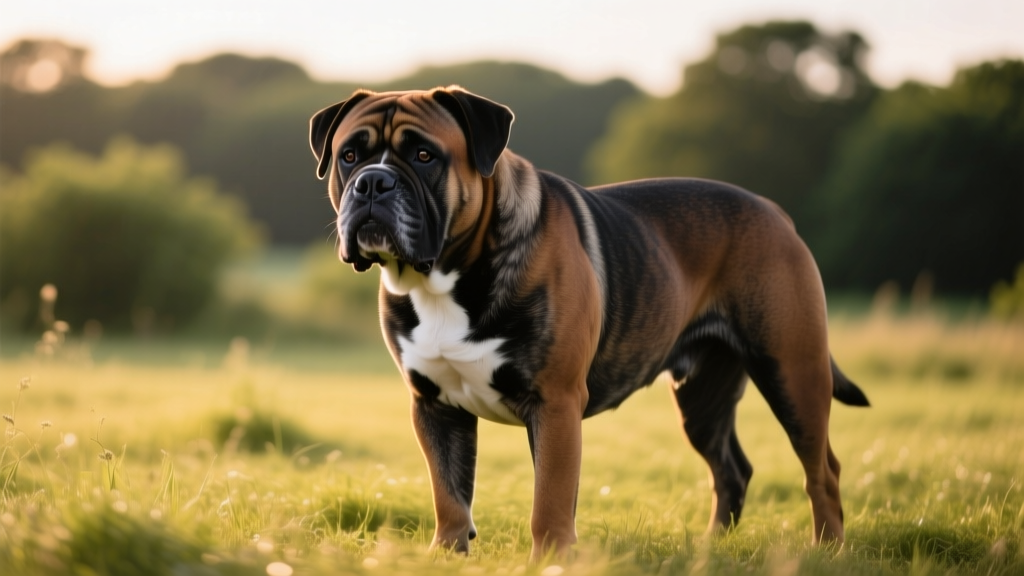
The Rare Pinscher Breed Guide for Prospective Owners
Discover the Affenpinscher, one of the rarest pinscher dogs. Learn about temperament, health risks, costs, and whether this toy breed fits your family.

Meet the Affenpinscher: Germany's "Monkey Dog"
If you've been researching pinscher dogs and stumbled onto the Affenpinscher, you've found one of the most distinctive — and genuinely rare — toy breeds in the world. Known as the "Monkey Terrier" for its expressive, almost human-like face, the Affenpinscher packs the tenacity of a working terrier into a compact 7-to-10-pound frame. This isn't a lapdog that melts into the couch. It's a confident, opinionated little dog with a wiry coat, a mischievous streak, and a history that predates many of the popular breeds we know today.
With fewer than 500 Affenpinscher puppies registered annually in the United States, finding one requires patience, research, and realistic expectations. This guide covers everything you need to know before bringing this rare pinscher breed into your home — from breed-specific health predispositions to what daily life actually looks like with an Affenpinscher.
| Weight | 7–10 lb / 3.2–4.5 kg |
| Height | 9–11.5 in / 23–29 cm at the shoulder |
| Lifespan | 12–15 years |
| Coat | Wiry, rough, dense; low-shedding |
| Energy Level | Moderate (30–45 min/day) |
| Grooming | Weekly brushing + professional stripping every 8–12 weeks |
| Family Fit | Best with older children (8+); not ideal for toddlers |
| Apartment Friendly | Yes, with daily outdoor time |
Origins and History: From German Rat-Catcher to Companion
The Affenpinscher originated in Germany during the 17th century, where it served a decidedly unglamorous purpose: killing rats in kitchens, granaries, and stables. The name itself tells the story — Affen (monkey) describes the breed's protruding lower jaw, round dark eyes, and bushy eyebrows, while Pinscher (terrier/biter) references its working-dog function.
- 1600s: Small pinscher-type dogs appear in German households as vermin hunters. Paintings from this era depict dogs remarkably similar to today's Affenpinscher.
- 1800s: Breeders in Munich and Frankfurt begin refining the type, likely crossing early Affenpinschers with the German Pinscher, Pug, and Brussels Griffon to stabilize the distinctive facial features.
- 1896: The Affenpinscher is officially recognized in the German studbook, making it one of the oldest documented toy breeds.
- 1936: The American Kennel Club (AKC) recognizes the Affenpinscher, placing it in the Toy Group.
- Present day: The FCI (Fédération Cynologique Internationale) classifies the breed under Group 2 (Pinscher and Schnauzer type), and the UKC lists it in the Companion Group. Despite recognition, the breed remains rare globally.
Unlike many toy breeds developed purely as companions, the Affenpinscher's working-dog roots are still visible in its behavior. Owners consistently report that their Affenpinschers will stalk, pounce on, and "kill" squeaky toys with the intensity of a much larger terrier. This prey drive is a defining trait, not a bug.
What Sets the Affenpinscher Apart From Other Pinscher Dogs
The pinscher family includes several breeds — the Doberman Pinscher, Miniature Pinscher, German Pinscher, and Austrian Pinscher among them. The Affenpinscher is the smallest and most visually distinct. Here's how it compares to the two breeds most commonly confused with it:
| Trait | Affenpinscher | Miniature Pinscher | Brussels Griffon |
|---|---|---|---|
| Weight | 7–10 lb / 3.2–4.5 kg | 8–10 lb / 3.6–4.5 kg | 8–10 lb / 3.6–4.5 kg |
| Coat Texture | Wiry, rough | Short, smooth | Wiry or smooth |
| Muzzle Shape | Short, pronounced underbite | Long, tapered | Very short, flat |
| Temperament | Confident, mischievous, stubborn | Bold, high-energy, fearless | Sensitive, alert, velcro-dog |
| Trainability | Moderate — gets bored easily | Moderate — independent streak | Higher — eager but sensitive |
| Rarity (US) | Very rare (~140th in AKC rank) | Moderate (~68th in AKC rank) | Rare (~130th in AKC rank) |
The key differentiator is the Affenpinscher's head structure. The breed standard calls for a prominent lower jaw that protrudes beyond the upper jaw (an undershot bite), combined with round, dark, prominent eyes and a domed skull. This gives the face its signature "monkey-like" expression that no other pinscher breed shares. The wiry coat — particularly the longer facial furnishings around the eyes and muzzle — further distinguishes it from the sleek-coated Miniature Pinscher.
Temperament: What Surprises New Owners
Most people who meet an Affenpinscher for the first time expect a quiet, delicate lapdog. What they get is something closer to a tiny comedian with a strong opinion about everything.
The surprises owners report most frequently:
- Vocalization with purpose: Affenpinschers aren't yappy without reason, but they will announce visitors, comment on unusual sounds, and negotiate for treats with a range of grumbles, chirps, and pointed barks that feels almost conversational.
- Physical comedy: This breed uses its paws like hands — manipulating toys, opening low cabinet doors, and occasionally covering their own faces when scolded. Owners describe them as "performers" who seem aware they're being watched.
- Stubbornness disguised as deafness: An Affenpinscher who doesn't want to do something will simply... not do it. This isn't a lack of intelligence — the breed scores well on problem-solving tasks — but rather a strong-willed temperament that requires patient, positive-reinforcement training. Force-free methods work best; harsh corrections cause this sensitive breed to shut down entirely.
- Possessiveness with toys and food: Resource guarding tendencies appear more frequently in Affenpinschers than in many other toy breeds. Early training around food-bowl exercises and toy trades is essential, particularly in multi-pet households.
- Not a natural cuddler: While affectionate on their own terms, many Affenpinschers prefer sitting near you rather than on you. They're companionable without being clingy — a trait that suits independent owners but disappoints those expecting a velcro dog.
Care Requirements: Coat, Exercise, and Daily Life
The Affenpinscher's care needs are moderate but specific. Skipping grooming or underestimating exercise requirements are the two most common mistakes new owners make.
- Brushing: 2–3 times per week with a slicker brush and metal comb to prevent matting in the wiry undercoat
- Hand-stripping: Every 8–12 weeks by a professional groomer familiar with wire-coated breeds (budget $60–$90 per session; clipping the coat instead of stripping changes its texture and color permanently)
- Nail trims: Every 2–3 weeks — small breeds are prone to overgrown nails causing joint stress
- Dental care: Daily tooth brushing or at minimum 3x/week with enzymatic dog toothpaste; toy breeds are disproportionately affected by periodontal disease
- Exercise: 30–45 minutes daily, split into two sessions; include sniff-walks and puzzle-toy time for mental stimulation
- Eye cleaning: Wipe around eyes daily with a damp cloth; the prominent eyes and facial hair trap debris
Exercise specifics: Despite their small size, Affenpinschers need genuine activity — not just a quick potty loop around the block. A structured routine might include a 15-minute morning leash walk, a 10-minute afternoon play session with flirt-pole or fetch, and an evening food-puzzle session. Without adequate stimulation, this breed develops nuisance barking and destructive chewing habits.
Housing considerations: Affenpinschers adapt well to apartments, but they're surprisingly athletic and enjoy climbing. Secure low shelves and countertops — an Affenpinscher can and will scale furniture to reach interesting objects. A crate (24-inch length, such as the MidWest iCrate 24x18x19) provides a safe den when unsupervised.
Health Concerns: Breed-Specific Predispositions
The Affenpinscher is generally a healthy breed with a strong 12–15 year lifespan, but its small size and brachycephalic-adjacent facial structure create specific vulnerabilities. Always consult your veterinarian about screening and preventive care for these conditions:
| Condition | Description | Estimated Prevalence | Screening/Cost |
|---|---|---|---|
| Patellar Luxation | Kneecap slips out of position, causing intermittent lameness or "skipping" gait | Common in toy breeds; ~8–12% of Affenpinschers screened via OFA | Orthopedic exam ($50–$100); surgical correction $1,500–$3,000 per knee |
| Hip Dysplasia | Malformed hip joint causing arthritis; less common in toys but documented in the breed | Low (~3–5% per OFA data) | OFA hip evaluation ($60–$80 per radiograph) |
| Legg-Calvé-Perthes Disease | Degeneration of the femoral head, typically appearing between 4–12 months of age | Uncommon but breed-associated | X-ray diagnosis ($150–$300); femoral head excision surgery $1,500–$2,500 |
| Corneal Dystrophy / Eye Conditions | Clouding of the cornea; prominent eyes are also prone to scratches and ulceration | Moderate — eye prominence increases injury risk | CERF/OFA ophthalmologist exam ($80–$150 annually) |
| Periodontal Disease | Gum infection and tooth loss; the Affenpinscher's undershot jaw creates crowded teeth that trap plaque | Very high — most toy breeds show signs by age 3 | Professional dental cleaning under anesthesia ($400–$900) |
| Syringomyelia (SM) | Fluid-filled cavities in the spinal cord near the brain; associated with brachycephalic skull shape | Rare but reported; prevalence unknown | MRI diagnosis ($1,500–$3,000) |
Responsible breeder health testing: The Orthopedic Foundation for Animals (OFA) and the Affenpinscher Club of America recommend that breeding stock be screened for patellar luxation, hip dysplasia, and eye conditions. Ask any breeder for OFA certificates — not just a verbal assurance that "the vet said the dogs are healthy."
- Sudden reluctance to bear weight on a hind leg (possible patellar luxation or ligament tear)
- Squinting, excessive tearing, or pawing at the eye (possible corneal ulcer — can worsen within hours)
- Head tilt, circling, or yelping when picked up (possible neurological issue)
- Difficulty breathing, especially in heat or after exertion (airway concern in short-muzzled dogs)
Finding an Affenpinscher: Availability, Cost, and Breeder Red Flags
The Affenpinscher is genuinely rare in the United States. The AKC typically registers fewer than 200 individual dogs per year, and the breed consistently ranks in the bottom 20 of all AKC-recognized breeds by popularity (approximately 140th out of 201 breeds as of recent rankings). This scarcity means:
- Waitlists of 12–24 months are standard from reputable breeders
- Litters are small — typically 2–4 puppies, sometimes only 1
- Geographic flexibility is required — you may need to travel or arrange ground/air transport
Typical cost ranges (2026 estimates):
- Puppy from an AKC-registered, health-tested breeder: $2,500–$4,500
- Imported puppy from a European breeder (FCI-registered): $4,000–$7,000+ including transport
- Adult rescue/rehome: $300–$800 through breed-specific rescue networks (Affenpinscher Club of America maintains a rescue coordinator)
- First-year total ownership cost: $3,500–$6,500 (purchase price + initial veterinary care, supplies, grooming, and pet insurance)
Breeder red flags to avoid:
- No OFA or PennHIP health testing documentation for both parents
- Multiple litters available simultaneously or year-round puppy availability
- Prices significantly below $2,000 (often indicates backyard breeding or puppy mill sourcing)
- Unwillingness to allow you to visit the breeding facility and meet the dam
- No take-back clause in the contract (responsible breeders contractually require dogs be returned to them if the owner can no longer keep the dog)
- "Rare colors" marketed at premium prices — the AKC breed standard recognizes black, gray, silver, red, black-and-tan, and belge; breeders charging extra for "blue" or "chocolate" are prioritizing color over health
Is the Affenpinscher Right for Your Family?
This breed is not a universal fit. Here's a practical decision framework:
- Have children aged 8+ who understand gentle handling
- Live in an apartment or small home
- Want a dog with personality, not a pushover
- Can commit to regular professional grooming
- Appreciate an independent, cat-like companion
- Have experience with stubborn or terrier-type breeds
- Have toddlers or very young children (fragile frame + low tolerance for rough handling)
- Want an off-leash hiking companion (high prey drive makes recall unreliable)
- Need a quiet dog for shared-wall living (they will bark at hallway noises)
- Can't commit to $600–$1,200/year in grooming costs
- Want a first dog that's easy to train (better starter breeds: Cavalier King Charles Spaniel, Bichon Frise)
- Have small pets like hamsters, birds, or rabbits (prey drive is a real safety risk)
For first-time owners: The Affenpinscher is possible but not ideal. The combination of stubbornness, resource guarding tendencies, and grooming demands makes this breed more rewarding for owners with prior terrier or toy-breed experience. If you're set on the breed as a first-time owner, invest in a puppy kindergarten class within the first 16 weeks and plan for at least one follow-up positive-reinforcement training course.
Frequently Asked Questions
How rare is the Affenpinscher today?
Very rare. The AKC registers approximately 150–200 Affenpinschers per year in the United States, placing it in the bottom 10–15% of all recognized breeds by population. Globally, the breed has small but stable populations in Germany, France, and Scandinavia. You will almost never find an Affenpinscher in a general animal shelter — breed-specific rescue networks handle the few dogs that need rehoming.
Are Affenpinschers hypoallergenic?
No dog is truly hypoallergenic, but the Affenpinscher's wiry, low-shedding coat produces less airborne dander than many breeds. People with mild dog allergies often tolerate Affenpinschers well, but individual reactions vary. Spend time with the breed before committing if allergies are a concern.
Do Affenpinschers get along with other dogs?
Generally yes, particularly when socialized early. However, their confident temperament means they will not back down from larger dogs, which can create dangerous situations. Always supervise interactions with dogs more than 3x their size. Same-sex aggression is occasionally reported, particularly between intact males.
What is the Affenpinscher's bite force and is it dangerous?
Like all toy breeds, the Affenpinscher has a relatively low bite force compared to larger dogs. However, their terrier heritage means they bite with determination when provoked. Bites to small children's fingers are a documented concern — not because the breed is aggressive, but because their pain tolerance is high and their patience for ear-pulling is low. Supervision with young children is non-negotiable.
Can I find an Affenpinscher through rescue?
Yes, but it requires patience. The Affenpinscher Club of America operates a rescue referral program, and occasionally Affenpinschers appear in all-breed toy rescues. Expect to fill out an application, undergo a home check, and potentially wait 6–18 months for a suitable dog. Rescue Affenpinschers are typically adults (ages 4–10) and are spayed/neutered before placement.
How does the Affenpinscher compare to the Miniature Pinscher for apartment living?
Both adapt to apartments, but the Affenpinscher is generally the calmer indoor companion. The Miniature Pinscher has significantly higher energy and a stronger escape-artist tendency (they will bolt through open doors). The Affenpinscher's moderate energy level and willingness to engage in indoor puzzle games make it slightly better suited to small-space living — provided you commit to daily outdoor walks and regular grooming maintenance.
Priya Sutaria
All our authors care for dogs every day — read more of their work on the authors page.