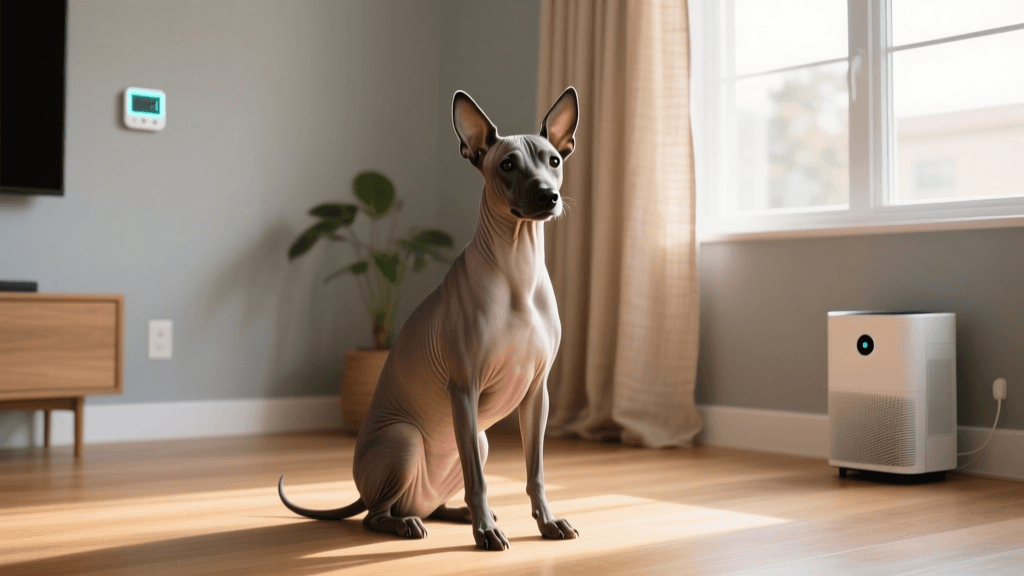
Xoloitzcuintli Care Guide 2026: Preparing for a Mexican Hairless Dog
Discover how to prepare your home for a Xoloitzcuintli in 2026. Learn essential skincare, climate control, and training tips for the Mexican Hairless Dog.
Introduction to the Xoloitzcuintli in 2026
As we navigate the evolving landscape of dog ownership in 2026, exotic and international breeds are experiencing a massive surge in popularity. Among the most fascinating of these is the Xoloitzcuintli (pronounced show-low-eats-QUEENT-lee), often simply called the Xolo or Mexican Hairless Dog. Revered by the Aztecs, Mayans, and Toltecs as sacred healers and spiritual guides, this ancient breed has transitioned from a historical artifact to a highly sought-after companion for modern, allergy-conscious, and design-forward households. According to the American Kennel Club (AKC), the Xolo continues to climb the ranks in unique breed registrations this year, driven by their striking appearance, profound loyalty, and hypoallergenic qualities.
However, bringing a Xolo into your home is not like adopting a standard Golden Retriever or Labrador. Their unique physiology—specifically their lack of an insulating coat and their distinct dental structure—requires highly specific home preparation, climate control, and skincare routines. This comprehensive 2026 guide will walk you through every essential step of preparing your home and lifestyle for a Xoloitzcuintli.
Understanding the Breed Standard and Varieties
Before purchasing supplies, you must understand the physical parameters of the breed. The Xoloitzcuintli comes in three distinct sizes: Toy (10-14 inches), Miniature (14-18 inches), and Standard (18-23 inches). Furthermore, despite the common moniker 'Mexican Hairless,' the breed actually features two distinct varieties: the Hairless and the Coated. The hairless trait is a dominant genetic mutation, meaning a single litter can produce both hairless and coated puppies. According to historical and genetic archives, the hairless variety is characterized by smooth, tough skin with tufts of hair on the head and tail, while the coated variety boasts a short, flat, and dense layer of fur.
When preparing your home, you must tailor your environment to the specific variety and size you are adopting. A Standard Hairless Xolo will have vastly different thermal regulation needs compared to a Toy Coated Xolo.
Climate Control and Environmental Preparation
The most critical aspect of Xolo ownership is environmental temperature management. Without a protective undercoat, the Hairless Xolo is exceptionally vulnerable to both hypothermia and severe sunburn. In 2026, smart home technology makes it easier than ever to maintain the precise ambient temperatures these dogs require.
Smart Thermostat Integration
Your home's ambient temperature should ideally remain between 72°F and 78°F (22°C - 26°C) year-round. We recommend integrating your pet's sleeping zones with smart home climate sensors. Devices like the latest 2026 Ecobee SmartThermostat Premium allow you to place remote room sensors in the specific areas where your Xolo spends the most time, ensuring that the heating or cooling system prioritizes their comfort zone rather than just the main hallway.
UV-Blocking Window Films
Hairless Xolos love to sunbathe, but their exposed skin can burn in a matter of minutes. You must apply UV-blocking window films to all south and west-facing windows in your home. Look for 2026-certified architectural films that block at least 99% of UVA and UVB rays while still allowing visible light to enter. This creates a safe 'sunroom' effect without the risk of radiation damage to their sensitive skin.
Orthopedic Heated Bedding
Xolos are prone to seeking out heat sources, which can lead to them sleeping dangerously close to space heaters or fireplaces. Eliminate this hazard by providing thermostatically controlled, orthopedic heated beds. The K&H Pet Products Thermo-Pet Mat (2026 Edition) is an excellent choice, as it features an internal thermostat that automatically adjusts to the dog's body temperature, providing gentle, safe warmth without the risk of overheating.
The 2026 Skincare and Sun Protection Protocol
Skin care for a Hairless Xolo is akin to human dermatology. Their skin is exposed to environmental pollutants, allergens, and UV radiation daily. Establishing a rigorous skincare routine before the dog even arrives is crucial.
Sunscreen Selection
Never use human sunscreen on a Xolo. Many human formulas contain zinc oxide or PABA, which are highly toxic to dogs if ingested during grooming. In 2026, veterinary dermatologists strongly recommend mineral-based, dog-specific sunscreens that utilize titanium dioxide and are formulated to be non-toxic upon ingestion. Apply a generous layer to the bridge of the nose, the ears, the shoulders, and the back 20 minutes before any outdoor exposure.
Bathing and Acne Management
Hairless Xolos are prone to canine acne and clogged pores. You will need to stock up on veterinary-grade chlorhexidine wipes and a gentle, pH-balanced canine shampoo. Bathe your Xolo every two to three weeks. Between baths, use the chlorhexidine wipes to gently clean their back and belly to remove excess sebum and environmental dirt. Avoid heavy, human-grade moisturizers; instead, use a dog-safe coconut oil or a specialized canine dermatological lotion recommended by your vet to maintain skin elasticity.
Pro Tip for 2026: Invest in a 'dirt suit' or lightweight cotton bodysuit for your Xolo when they are playing in the yard or hiking. This prevents micro-abrasions from brush and grass while keeping their skin relatively clean, reducing the need for frequent, drying baths.
Dental Anomalies and Dietary Adjustments
One of the most surprising facts for new Xolo owners is the genetic link between their hairlessness and their dentition. The FOXI3 gene mutation responsible for the lack of hair also affects the development of the teeth. It is entirely normal and expected for a Hairless Xolo to be missing several premolars. While this does not affect their ability to eat, it does change their dietary requirements and dental care routine.
Food Texture and Nutrition
Because of the missing teeth, some Hairless Xolos struggle with large, hard kibble. In 2026, many premium pet food brands offer 'small bite' or 'soft-moist' formulations specifically designed for breeds with dental anomalies. Look for high-protein, grain-free options that utilize real meat as the first ingredient. If you prefer a raw or freeze-dried diet, ensure the pieces are small enough to be swallowed safely without extensive mastication.
Dental Hygiene
Missing teeth can create uneven gaps where food particles and plaque accumulate rapidly on the remaining teeth. Daily brushing with an enzymatic dog toothpaste is non-negotiable. Additionally, incorporate veterinary-approved dental chews that are designed to dissolve slowly, scrubbing the remaining teeth without requiring heavy crushing force.
Comparison Chart: Hairless vs. Coated Xoloitzcuintli
To help you prepare the exact right supplies, review the differences between the two varieties below.
| Trait | Hairless Variety | Coated Variety |
|---|---|---|
| Coat Coverage | Smooth skin; tufts on head, paws, and tail tip. | Short, flat, dense, and uniform coat covering the entire body. |
| Skincare Needs | High. Requires regular bathing, acne wipes, and daily sunscreen. | Low. Standard occasional brushing and infrequent bathing. |
| Temperature Sensitivity | Extreme. Requires winter coats and heated beds; highly susceptible to sunburn. | Moderate. Tolerates standard outdoor temperatures much better. |
| Dentition | Often missing premolars due to the FOXI3 gene mutation. | Full set of standard canine teeth. |
| Allergenicity | Considered highly hypoallergenic (minimal dander). | Produces standard levels of pet dander. |
Training, Socialization, and Wardrobe
The Xoloitzcuintli is a primitive breed. They are not inherently eager to please like a Border Collie, nor are they as boisterous as a Terrier. They are deeply loyal to their immediate family but often aloof and suspicious of strangers. Early, positive socialization is paramount.
Socialization Strategies
Begin socialization the moment your puppy arrives. Expose them to diverse environments, surfaces, and people, but always allow them to retreat if they feel overwhelmed. Forceful interactions will damage their trust. Use high-value treats (like freeze-dried liver) to create positive associations with new stimuli. In 2026, many urban centers offer 'primitive breed' puppy classes that focus on confidence-building rather than strict obedience, which is ideal for the Xolo temperament.
The Canine Wardrobe
If you live in a climate with distinct seasons, you must build a wardrobe for your Hairless Xolo. This is not about fashion; it is about survival and comfort. You will need:
- Winter Puffer Coats: Waterproof, insulated jackets with high collars to protect the neck and chest during freezing walks.
- Fleece Loungewear: Soft, breathable fleece sweaters for indoor wear during the winter months to reduce the strain on your home's heating system.
- Rain Gear: Lightweight, waterproof raincoats. Xolos notoriously dislike being wet and cold, and a raincoat will make winter potty breaks significantly less stressful.
- Booties: To protect their sensitive paw pads from hot summer asphalt and toxic winter road salts.
Conclusion
Welcoming a Xoloitzcuintli into your home in 2026 is a deeply rewarding experience that connects you to an ancient lineage of canine companionship. By proactively preparing your home's climate, investing in specialized veterinary skincare, adjusting your dietary expectations, and building a functional wardrobe, you ensure that your exotic companion will thrive. The Xolo is a dog that demands a bit more preparation than the average breed, but in return, they offer an unparalleled, quiet devotion that makes every ounce of effort entirely worthwhile.
marcus-aldridge
All our authors care for dogs every day — read more of their work on the authors page.