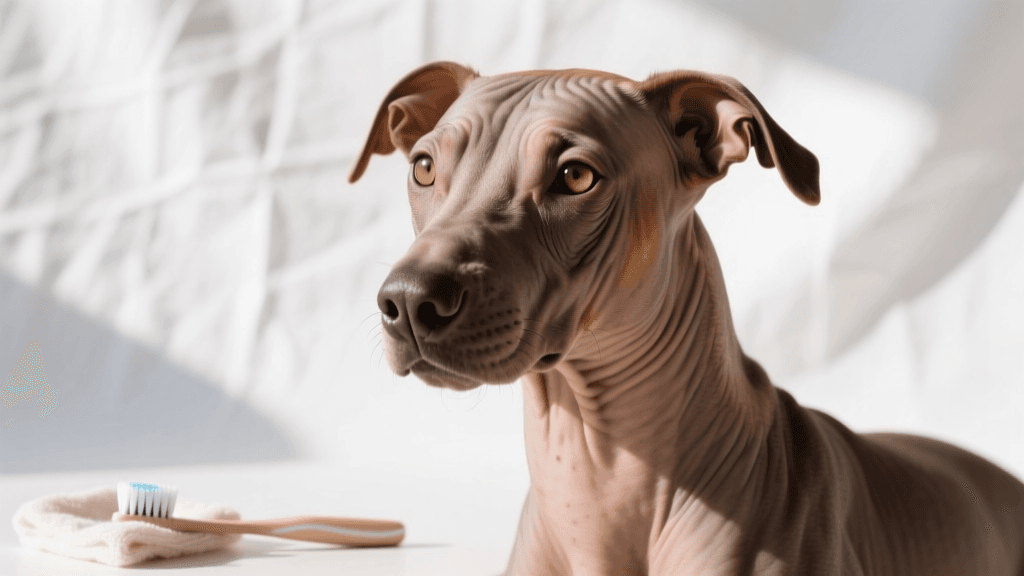
Xoloitzcuintli Health 2026: Skin, Dental & Temperature Care
Discover the 2026 health guide for Xoloitzcuintli dogs. Learn essential skincare, dental routines, and temperature regulation for this exotic hairless breed.
Introduction to the Xoloitzcuintli: An Ancient Breed in a Modern World
The Xoloitzcuintli, affectionately known as the Xolo or Mexican Hairless Dog, is one of the oldest and rarest breeds in the world. Revered by the Aztecs, Mayans, and Toltecs, these dogs were historically believed to possess healing properties and serve as guides through the underworld. Today, they are cherished companions known for their striking appearance, profound loyalty, and unique physiological traits. However, owning a Xolo in 2026 requires a specialized approach to health and wellbeing that differs vastly from caring for standard coated breeds.
Because the hairless variety lacks a protective coat and possesses unique genetic traits—such as premolar agenesis (the natural absence of certain teeth)—their veterinary, nutritional, and environmental needs are highly specific. According to the American Kennel Club, the Xoloitzcuintli is generally a robust and healthy breed, but their exposed skin and unique dental structure demand proactive, daily management. This comprehensive 2026 guide explores the essential health pillars for the exotic Xoloitzcuintli, ensuring your canine companion thrives in any environment.
Unique Dermatological Needs: Skincare for Hairless Breeds
The most defining characteristic of the hairless Xolo is its exposed skin. Without a coat to act as a barrier, their skin is directly subjected to environmental stressors, making dermatological care the cornerstone of their wellbeing. In 2026, veterinary dermatologists emphasize a proactive skincare routine that focuses on sun protection, acne management, and moisture retention.
Sun Protection and UV Defense
Just like humans, hairless dogs are highly susceptible to ultraviolet (UV) radiation. Prolonged sun exposure can lead to severe sunburns, premature skin aging, and an increased risk of cutaneous squamous cell carcinoma. When taking your Xolo outdoors during peak sunlight hours (between 10 AM and 4 PM), applying a pet-safe sunscreen is non-negotiable. For 2026, top-rated veterinary sunscreens include the Warren London Dog Sunscreen SPF 30 and the Epi-Pet Sun Protector Spray. These formulas are specifically engineered without zinc oxide or para-aminobenzoic acid (PABA), both of which are highly toxic to dogs if ingested during grooming.
Managing Canine Acne and Follicular Health
Contrary to popular belief, hairless dogs still have hair follicles. These follicles can easily become clogged with sebum, dead skin cells, and environmental debris, leading to canine acne and blackheads. To prevent follicular congestion, Xolos require regular bathing every one to two weeks. Use a gentle, hypoallergenic, and pH-balanced canine shampoo, such as Earthbath Oatmeal and Aloe. After bathing, it is crucial to apply a dog-safe moisturizer. Human lotions often contain fragrances, alcohols, and xylitol, which can cause severe contact dermatitis or systemic toxicity. Stick to veterinary-approved emollients containing ceramides and aloe vera to maintain the skin's lipid barrier.
Dental Health: Navigating Premolar Agenesis
One of the most fascinating genetic traits of the hairless Xoloitzcuintli is premolar agenesis. The gene responsible for hairlessness (a dominant mutation in the FOXI3 gene) is intrinsically linked to the incomplete development of teeth. While the coated variety of the Xolo typically has a full set of 42 teeth, hairless Xolos often lack several premolars. It is vital to understand that this is a breed-standard genetic trait, not a disease or a sign of poor health. However, missing teeth create wider gaps in the gum line, which can alter the way the dog chews and potentially allow food to pack into the gums, accelerating periodontal disease.
Daily Dental Routines for Xolos
Because of their unique dental anatomy, Xolos require meticulous oral hygiene. The VCA Hospitals veterinary network notes that periodontal disease is the most common clinical condition in adult dogs, and breeds with dental anomalies are at an elevated risk for localized gingivitis and plaque accumulation.
- Daily Brushing: Use a soft-bristled canine toothbrush and an enzymatic toothpaste like Virbac C.E.T. Enzymatic Toothpaste. The enzymatic action helps break down plaque biofilm even in the gaps left by missing premolars.
- Dental Chews: Incorporate veterinary-recommended dental chews, such as Oravet Dental Hygiene Chews, which coat the teeth with a protective barrier against plaque-forming bacteria. Ensure the chew size is appropriate for your Xolo's specific weight class to prevent choking or tooth fractures.
- Water Additives: For dogs resistant to brushing, a daily water additive containing chlorhexidine or stabilized chlorine dioxide can help reduce the oral bacterial load.
- Biannual Professional Cleanings: Schedule professional dental scaling and polishing with your veterinarian every six to twelve months. Dental radiographs are crucial for Xolos to monitor the health of the tooth roots beneath the gum line.
Temperature Regulation and Joint Health
The absence of an insulating undercoat means the Xoloitzcuintli cannot regulate its body temperature as efficiently as double-coated breeds. They lose heat rapidly in cold environments and can easily become hypothermic. Conversely, while they enjoy basking in the sun, they can overheat quickly in high-humidity environments.
Cold Weather Gear and Environmental Control
In 2026, the market for canine apparel has evolved significantly, offering highly technical gear designed for extreme weather. For winter walks, invest in a high-quality, insulated dog coat. The Hurtta Extreme Warmer and the Ruffwear Climate Master are excellent choices, providing core warmth while allowing full range of motion. Indoors, ensure your Xolo has access to orthopedic, heated dog beds, especially during the winter months. Maintaining a consistent ambient temperature in your home is essential for their comfort and immune system function.
Joint Support and Mobility
While Xolos are naturally athletic and agile, their lean muscle mass and fine bone structure require joint support as they age. Providing a daily joint supplement containing glucosamine hydrochloride, chondroitin sulfate, and green-lipped mussel extract can help preserve cartilage integrity. Regular, low-impact exercise such as swimming or controlled leash walking on soft surfaces is ideal for maintaining muscle tone without placing excessive stress on their joints.
Nutrition and Diet for the Xoloitzcuintli
A Xolo's diet directly impacts their skin health, energy levels, and overall longevity. Because they have a fast metabolism and low body fat, they require a nutrient-dense diet rich in high-quality animal proteins and essential fatty acids. Omega-3 and Omega-6 fatty acids are particularly critical for hairless breeds, as they help fortify the skin barrier, reduce inflammation, and promote a healthy, supple epidermis.
Below is a structured guide to the daily nutritional requirements and recommended supplements for the Xoloitzcuintli in 2026:
| Life Stage | Caloric Needs (kcal/day) | Key Macronutrients | Essential Supplements |
|---|---|---|---|
| Puppy (2-12 months) | 400 - 800 | High Protein (30%+), DHA for brain development | Puppy-specific multivitamin, Probiotics |
| Adult (1-7 years) | 600 - 1,000 | Moderate Protein (25%), Moderate Fat (15%) | Omega-3 Fish Oil, Glucosamine |
| Senior (7+ years) | 500 - 800 | Lean Protein (22%), Low Fat (10%), High Fiber | Joint support complex, Antioxidants |
Note: Caloric needs vary based on the Xolo's size (Toy, Miniature, or Standard), activity level, and whether they are spayed/neutered. Always consult with a board-certified veterinary nutritionist to tailor a diet plan for your specific dog.
Preventive Veterinary Care and Parasite Control
Despite their tough exterior, Xolos are susceptible to the same vector-borne diseases and parasites as any other breed. In fact, their exposed skin makes them highly visible targets for mosquitoes, ticks, and fleas. Tick-borne illnesses such as Lyme disease and Ehrlichiosis are a severe threat. Utilizing a broad-spectrum, monthly oral parasiticide like Simparica Trio or NexGard PLUS is essential year-round, regardless of your geographic location. Additionally, ensure your Xolo is up to date on core vaccinations and receives a comprehensive veterinary wellness exam at least twice a year, including routine blood work to monitor liver and kidney function.
Conclusion
The Xoloitzcuintli is a magnificent, deeply historical breed that rewards dedicated owners with unparalleled devotion. By embracing a specialized 2026 healthcare regimen that prioritizes dermatological protection, meticulous dental hygiene, precise temperature regulation, and targeted nutrition, you can ensure your exotic companion lives a long, vibrant, and comfortable life. Understanding and respecting the unique biological quirks of the hairless Xolo is the ultimate key to unlocking their full potential as a beloved family member.
aaron-whyte
All our authors care for dogs every day — read more of their work on the authors page.