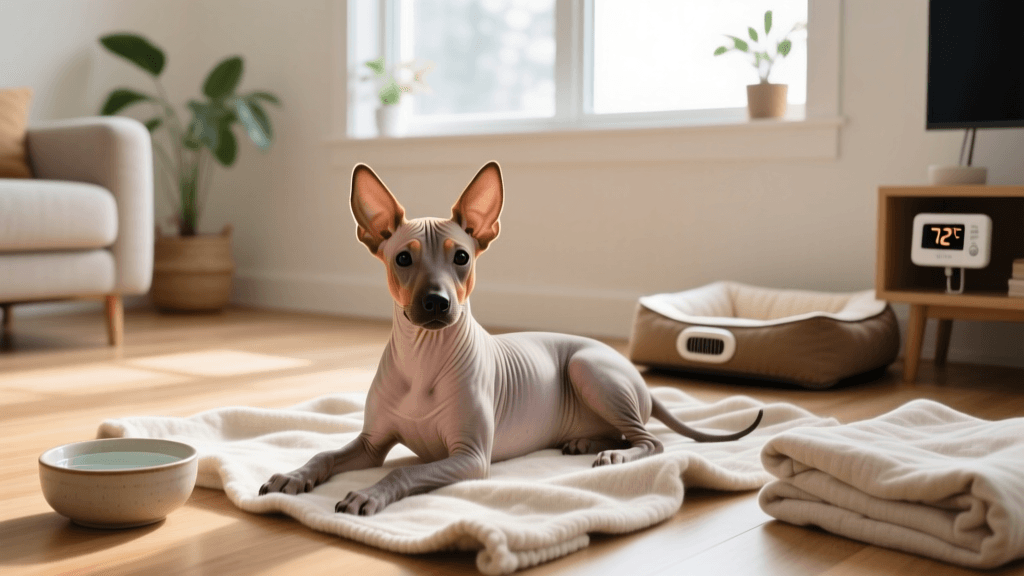
Xoloitzcuintli Puppy Prep: 2026 Hairless Dog Care Guide
Discover how to prepare your home for a Xoloitzcuintli in 2026. Learn essential skin care, temperature control, and breeder tips for this exotic hairless breed.
The Xoloitzcuintli: An Ancient Treasure for Modern Homes
As we navigate the dog adoption and purchasing landscape in 2026, the Xoloitzcuintli (pronounced show-low-eats-QUEENT-lee), often simply called the Xolo, has seen a massive surge in popularity among exotic breed enthusiasts. Revered as a sacred healer by the ancient Aztecs, this striking hairless breed is now highly sought after by allergy-sensitive owners and those looking for a deeply loyal, low-shedding companion. However, bringing a Xolo into your home requires highly specialized preparation. Unlike heavily coated breeds, the hairless Xolo demands a meticulous approach to environmental temperature control, dermatological care, and primitive breed socialization.
If you are preparing to welcome a Mexican Hairless Dog into your family this year, this comprehensive 2026 guide will walk you through the exact home modifications, skincare regimens, and acquisition strategies you need to ensure your exotic companion thrives.
Understanding the Breed Standard and Size Varieties
Before purchasing supplies, it is crucial to understand that the Xoloitzcuintli is not a one-size-fits-all breed. The American Kennel Club's Xoloitzcuintli Breed Profile recognizes three distinct size varieties, all of which can be born in the same litter. Furthermore, while the hairless variety is the most famous, the "coated" variety (which has a short, flat coat) is also genetically vital and increasingly popular for owners who want the Xolo temperament without the intense skincare requirements.
| Size Variety | Height (Shoulder) | Weight Range | Space Needs | 2026 Avg. Price |
|---|---|---|---|---|
| Toy | 10 - 14 inches | 10 - 15 lbs | Apartment friendly | $1,500 - $2,500 |
| Miniature | 14 - 18 inches | 15 - 30 lbs | Small yard / Active | $2,000 - $3,500 |
| Standard | 18 - 23 inches | 30 - 55 lbs | Fenced yard required | $2,500 - $4,500 |
Climate Control: Engineering the Perfect Environment
The most critical aspect of Xoloitzcuintli home preparation is temperature regulation. Lacking an insulating undercoat, hairless Xolos are highly susceptible to both hypothermia in the winter and sunstroke in the summer. In 2026, smart home technology and advanced pet gear make it easier than ever to maintain a safe microclimate for your dog.
Winter and Cold Weather Prep
- Heated Orthopedic Beds: Invest in a thermostatically controlled heated bed, such as the K&H Pet Products Thermo-Mat. These beds activate only when the dog lies on them, maintaining a surface temperature of around 102°F (the natural canine body temperature).
- Canine Apparel Wardrobe: You will need a variety of dog sweaters and waterproof coats. Look for garments made from merino wool blends, which provide excellent insulation without causing friction burns on sensitive hairless skin.
- Smart Thermostat Zoning: If your home has smart HVAC zoning, ensure the rooms where your Xolo spends the most time are kept at a minimum of 68°F (20°C) during winter months.
Summer and Heat Protection
While they love to sunbathe, hairless Xolos can suffer severe sunburns in a matter of minutes. Prepare your home with cooling gel mats and ensure your backyard has deep, permanent shade structures. UV-blocking window films are also highly recommended for rooms with large, south-facing windows where your dog might nap in the sunbeams.
The Hairless Skincare Regimen
Skin care for a hairless Xolo is not a luxury; it is a medical necessity. Without fur to protect them, their skin is exposed to environmental allergens, bacteria, and UV radiation. Canine acne, blackheads, and dry patches are common if a strict dermatological routine is not followed.
Bathing and Acne Prevention
Plan to bathe your Xolo every one to two weeks. Use a gentle, hypoallergenic canine shampoo formulated with chlorhexidine or colloidal oatmeal. After bathing, it is vital to thoroughly dry the dog, paying special attention to the skin folds around the neck and tail base, as trapped moisture can lead to fungal infections.
According to the Fédération Cynologique Internationale (FCI), the Xolo's skin should be smooth and completely hairless on the body, though some short hairs on the forehead and tail are permissible. Maintaining this skin health requires vigilant pore cleansing to prevent sebaceous cysts.
Sun Protection and Toxicity Warnings
When taking your Xolo outside for extended periods, applying dog-safe sunscreen to their ears, snout, and back is mandatory. Never use human sunscreen on your dog. Many human sunscreens contain zinc oxide or PABA, which are highly toxic if ingested when the dog licks its skin. The ASPCA Animal Poison Control explicitly warns against zinc oxide ingestion, which can cause severe hemolytic anemia and gastrointestinal distress in canines. Always purchase sunscreens specifically formulated and tested for veterinary use.
Nutrition for Sensitive Systems
Exotic breeds often come with exotic sensitivities. The Xoloitzcuintli is known for having a sensitive digestive tract, and food allergies frequently manifest as severe skin rashes or hot spots. In 2026, the gold standard for feeding a Xolo is a limited-ingredient diet (LID) or a freshly prepared, human-grade subscription meal plan that allows you to control every macro and micronutrient.
Avoid commercial kibbles that use corn, wheat, or soy as fillers. Instead, look for novel protein sources such as rabbit, venison, or wild-caught salmon, paired with a single, easily digestible carbohydrate like sweet potato. Supplementing their diet with Omega-3 fatty acids (specifically EPA and DHA from wild Alaskan salmon oil) is highly recommended to support the skin's lipid barrier and maintain a healthy, glowing complexion.
Training and Socializing a Primitive Breed
The Xolo is a "primitive" breed, meaning they retain many of their ancient, wolf-like instincts. They are intensely loyal to their primary family but are naturally aloof, reserved, and sometimes suspicious of strangers. Early socialization is non-negotiable.
- Positive Reinforcement: Xolos do not respond well to harsh corrections or repetitive drills. Use high-value, single-ingredient freeze-dried treats (like pure beef liver) and keep training sessions under 10 minutes to maintain their focus.
- Stranger Desensitization: Invite friends and neighbors over regularly during the puppy's critical socialization window (8 to 16 weeks). Instruct guests to ignore the puppy initially, allowing the Xolo to approach on its own terms to build confidence without feeling cornered.
- Recall Training: Because they possess a high prey drive and are excellent escape artists, standard Xolos must be trained on a reliable recall and never left off-leash in unsecured areas. Invest in a high-quality, escape-proof martingale collar or a custom-fitted harness, as their narrow heads can easily slip out of standard flat collars.
Sourcing Your Xolo: Breeders vs. Rescue in 2026
Due to their rarity, finding a Xoloitzcuintli requires patience and diligent research. The Xoloitzcuintli Club of America (XCA) and the AKC marketplace are the safest starting points for locating reputable breeders. A responsible breeder will provide Orthopedic Foundation for Animals (OFA) health clearances for hips, patellas, and cardiac health, as well as genetic testing for Degenerative Myelopathy (DM).
Be highly skeptical of breeders offering "rare blue" or "merle" hairless Xolos at premium prices, as these colors are often the result of crossbreeding or carry severe genetic health defects linked to deafness and blindness. If you prefer to adopt, Xolo-specific rescues and international sighthound/primitive breed sanctuaries occasionally have adult dogs or retired show champions available, though the waitlists for these organizations can exceed a year.
Final Thoughts on Exotic Ownership
Bringing a Xoloitzcuintli into your home is a deeply rewarding experience that connects you to thousands of years of canine history. By investing in proper climate control, committing to a rigorous skincare routine, and respecting their primitive temperament, you will ensure your exotic companion lives a long, healthy, and comfortable life in your modern home.
jonas-cole
All our authors care for dogs every day — read more of their work on the authors page.