Winter Recall Training: Adapting Obedience for Cold Weather
Learn how to adapt your dog's recall and leash training for winter. Discover cold-weather gear, safe training limits, and high-value treats that won't freeze.
The Impact of Winter on Canine Senses and Obedience
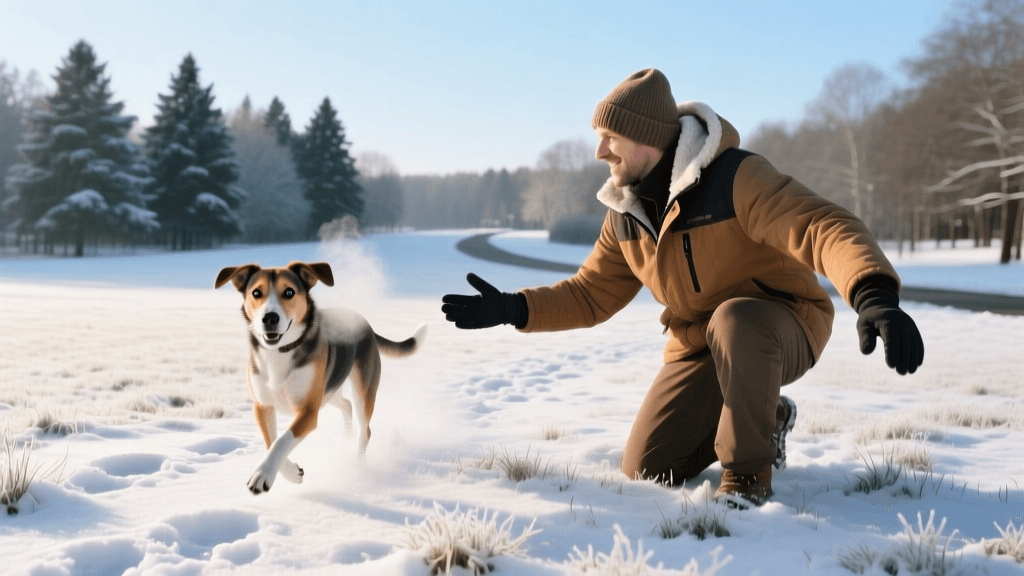
Winter brings a magical transformation to the outdoors, but it also drastically alters the environment in ways that directly impact your dog's senses and training reliability. Snow acts as an acoustic dampener, muffling the sound of your voice and making traditional verbal recall cues harder for your dog to hear from a distance. Furthermore, cold, dry air and snow cover completely change the scent profile of your local parks and trails. Scent markers that your dog relies on for navigation and boundary recognition are buried or neutralized, which can lead to disorientation and a sudden drop in obedience compliance. According to the American Kennel Club (AKC), winter conditions require pet owners to be hyper-vigilant about visibility, temperature limits, and sensory changes. To maintain a reliable recall and ensure your dog's safety during off-leash or long-line training sessions, you must adapt your seasonal care and training strategies to match the harsh realities of winter weather.
Essential Winter Training Gear
Before you step outside for a training session, equipping both you and your dog with the right seasonal gear is non-negotiable. Standard nylon leashes absorb moisture and freeze stiff, becoming difficult to handle and potentially painful if they snap against your skin. Cotton treat pouches hold moisture from wet treats and freeze solid. Upgrading to winter-specific training gear ensures that your mechanics remain smooth and your dog remains safe.
| Gear Type | Recommended Product | Estimated Cost | Best Use Case |
|---|---|---|---|
| Paw Protection | Ruffwear Grip Trex Boots | $90 - $115 | Deep snow, icy trails, and sharp crusts |
| Paw Wax | Musher's Secret Dog Paw Wax | $15 - $20 | Light snow, ice melt, and salt protection |
| Long Line | Biothane 30ft Training Leash | $35 - $50 | Recall practice (waterproof and freeze-proof) |
| Visibility | LED Rechargeable Dog Collar | $15 - $25 | Low-light winter evenings and snowstorms |
| Acoustic Cue | Acme 210.5 Dog Training Whistle | $10 - $15 | Cutting through wind and snow for recall |
Biothane is a game-changer for winter recall training. Unlike nylon or leather, biothane is essentially a polyester webbing coated in a waterproof polymer. It does not absorb water, meaning it will not freeze into a rigid stick at 20°F (-6°C). It is also incredibly easy to wipe clean of mud and slush, making it the ultimate long-line for proofing your dog's recall in snowy fields.
Adapting Recall Training for Snowy Environments
When training recall in the snow, you must account for reduced visibility and auditory dampening. A dog running through deep snow is expending significantly more energy than on a grassy field, and their excitement levels can spike unpredictably when encountering hidden wildlife tracks. To maintain control, transition from verbal cues to a training whistle. A whistle, such as the Acme 210.5, produces a consistent, high-frequency pitch that carries much further than the human voice and cuts through howling winter winds. Furthermore, using a whistle means you do not have to remove your heavy gloves or expose your face to freezing winds to shout your dog's name.
Step-by-Step Winter Recall Proofing
- Start in Cleared Areas: Begin your long-line recall practice in areas where the snow has been cleared or packed down. Deep, powdery snow can cause muscle strains in dogs that are not conditioned for it, leading to negative associations with the recall command.
- Use High-Visibility Gear: Winter days are short, and dusk falls quickly. An LED collar or a reflective orange vest ensures you can track your dog's body language and exact location against the white backdrop of the snow.
- Shorten the Distance: Because snow creates a physical barrier to speed, do not expect your dog to return as quickly as they do in the summer. Reward heavily for the effort of trudging through the snow, even if the return time is slower than usual.
High-Value Treats That Won't Freeze
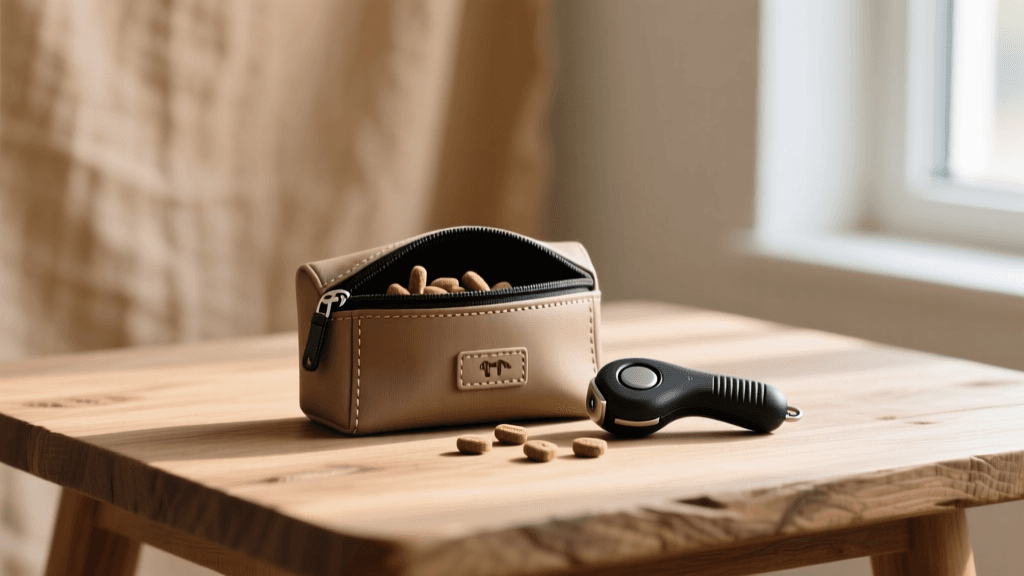
A critical mistake many trainers make in the winter is bringing the same treat pouch they use in the summer. Wet treats, such as hot dogs, cheese sticks, or meat rolls, contain high moisture content. Within ten minutes of being outside in freezing temperatures, these treats turn into inedible ice pucks that your dog will likely spit out, completely ruining the reward marker for a successful recall. Instead, you must rely on low-moisture, high-value rewards. Freeze-dried beef liver (such as Stewart ProTreat) is an excellent choice. It is highly aromatic, incredibly palatable, and contains virtually no moisture, meaning it stays soft and crumbly even in sub-zero temperatures. Zuke's Mini Naturals are another great option, as their small size allows the dog to consume them quickly before the cold air saps the flavor. For post-training mental wind-downs back inside the house, a KONG Classic stuffed with peanut butter and frozen provides excellent enrichment without the outdoor freezing issues.
Temperature Limits and Session Timing
Pushing through extreme cold is not a sign of dedication; it is a recipe for frostbite and hypothermia. The American Veterinary Medical Association (AVMA) emphasizes that cold tolerance varies greatly depending on a dog's coat type, body fat, age, and health status. However, general guidelines dictate that prolonged outdoor training sessions should be curtailed when temperatures drop below freezing (32°F / 0°C). For small breeds, short-haired breeds (like Greyhounds or Boxers), and senior dogs, training should be limited to 5 to 10 minutes when temperatures are below 40°F (4°C). The ASPCA also warns pet owners to watch for signs of cold stress, including shivering, anxiety, whining, slowing down, or lifting paws off the ground. If your dog exhibits any of these behaviors, the training session is over immediately. Winter training is about quality, not quantity. Five minutes of highly focused, heavily rewarded recall practice in a safe temperature window is vastly superior to a 30-minute session where the dog is distracted by freezing paws.
Desensitization Training for Winter Booties
Dog boots are essential for protecting paw pads from ice shards and toxic chemical de-icers, but most dogs will do a high-stepping dance or refuse to walk when first wearing them. Desensitization training for booties must begin indoors, weeks before the first snowfall. Follow this structured timeline to build a positive conditioned emotional response (+CER) to paw protection:
- Days 1-2 (Scent and Sniff): Leave the boots near your dog's food bowl or bed. Allow them to investigate the boots on their own terms. Reward any sniffing or interaction with high-value treats.
- Days 3-5 (Paw Handling): Practice touching your dog's paws and holding them gently, followed immediately by a treat. Introduce the bootie by letting it touch the paw without putting it on, then reward.
- Days 6-8 (Single Boot Application): Put a single bootie on one front paw. Immediately feed a continuous stream of treats for 10 seconds, then remove the boot. Repeat on all four paws individually.
- Days 9-12 (Full Set and Indoor Movement): Put all four booties on. Engage your dog in a fun indoor game of tug or scatter feeding to distract them from the sensation on their feet. Keep sessions under 5 minutes.
- Days 13+ (Outdoor Transition): Transition to the outdoors for a short, highly rewarding walk. The first time they step into the snow with boots on, use a jackpot reward (a handful of freeze-dried liver) to cement the positive experience.
Indoor Alternatives: Scent Work and Mental Enrichment
When the wind chill drops to dangerous levels and outdoor obedience training is unsafe, you must pivot to indoor seasonal activities to burn off your dog's physical and mental energy. Scent work is an exceptional winter alternative that taps into a dog's natural foraging instincts. You can create indoor scent boxes using cardboard boxes filled with crumpled paper or safe packing peanuts, hiding a few pieces of kibble or a specific target scent (like birch or clove essential oil on a cotton swab) inside. Teaching your dog to perform a 'find it' command indoors provides immense mental fatigue. A 20-minute indoor nose-work session can tire a high-energy dog out just as effectively as a one-hour off-leash hike in the snow, keeping their obedience skills sharp and their brain engaged until the spring thaw finally arrives.
priya-sutaria
All our authors care for dogs every day — read more of their work on the authors page.