Understanding Your Dog's Winter Behavior and Enrichment
Discover how winter weather impacts your dog's psychology and instincts. Learn actionable seasonal enrichment tips to prevent cabin fever and anxiety.
The Psychology of Seasonal Shifts in Canines
As the seasons change and winter sets in, dog owners often notice distinct shifts in their pet's behavior. While much of cold weather safety focuses on physical health—like preventing hypothermia and protecting paw pads from ice melt—the psychological impact of winter is equally profound. Dogs are deeply attuned to their environment, and the reduction in daylight hours, coupled with decreased outdoor exploration, can significantly alter their circadian rhythms and mental states.
Reduced sunlight affects melatonin and serotonin production in dogs, much like Seasonal Affective Disorder (SAD) in humans. This can lead to lethargy, increased sleep, or conversely, restless anxiety due to a lack of physical and mental exhaustion. Understanding these biological and psychological shifts is the first step in providing effective seasonal care.
Breed Instincts: How Genetics React to the Cold
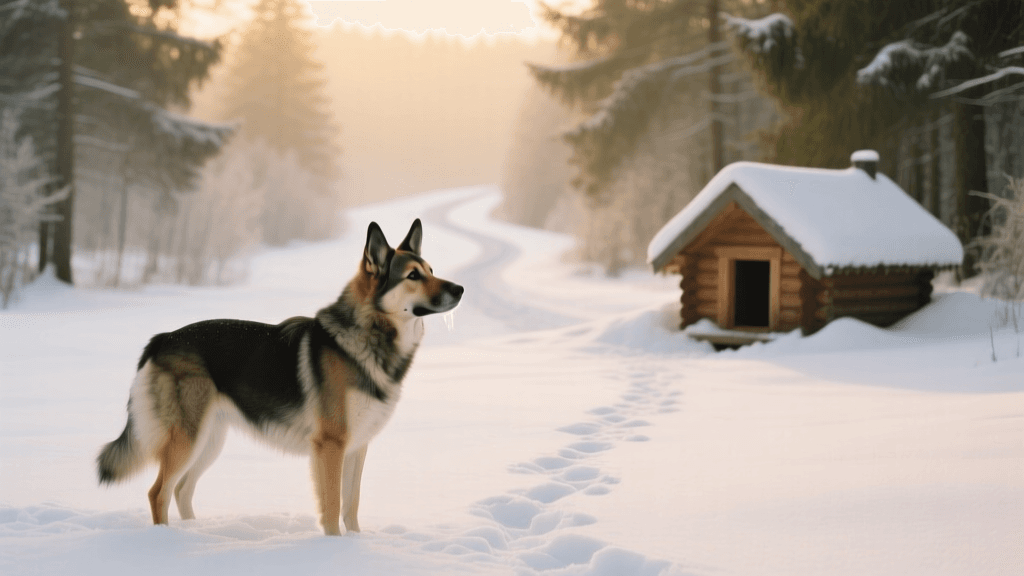
A dog's reaction to winter is heavily dictated by breed instincts and evolutionary history. Northern breeds and working dogs possess genetic adaptations that not only protect them physically but also stimulate specific behavioral drives in cold weather. Conversely, breeds originating from warmer climates may experience heightened stress and avoidance behaviors when exposed to snow and freezing temperatures.
When planning seasonal activities, it is crucial to align your expectations with your dog's genetic predispositions. Forcing a cold-averse dog to endure long winter hikes can lead to negative associations with the outdoors, manifesting as leash reactivity or door-darting anxiety.
| Breed Category | Examples | Winter Psychological Response | Recommended Seasonal Activity |
|---|---|---|---|
| Northern & Sled Breeds | Husky, Malamute, Samoyed | High arousal, increased stamina, snow joy | Weight pulling, snowshoeing, extended scent trails |
| Short-Coated & Toy Breeds | Chihuahua, Greyhound, Pit Bull | Avoidance, shivering-induced anxiety, reluctance | Indoor agility, heated snuffle mats, short potty breaks |
| Herding & Working Breeds | Border Collie, German Shepherd | Frustration from reduced physical outlets, hyper-vigilance | Advanced indoor obedience, puzzle toys, treadmill work |
Recognizing Winter Cabin Fever
When outdoor activities are curtailed by freezing temperatures, dogs often suffer from under-stimulation. Cabin fever in dogs is not a formal veterinary diagnosis, but rather a behavioral syndrome characterized by pent-up energy and frustration. Because dogs lack the ability to self-regulate boredom in a domestic setting, this unspent energy frequently morphs into maladaptive behaviors.
Behavioral Signs of Winter Under-Stimulation
- Destructive Chewing: Targeting baseboards, shoes, or furniture as a self-soothing mechanism.
- Pacing and Whining: Repetitive movements indicating cognitive frustration and lack of an outlet.
- Hyper-Vigilance: Overreacting to minor outdoor stimuli (like a passing car or falling branch) due to a lack of regular desensitization.
- Attention-Seeking Nuisance Behaviors: Excessive barking, pawing, or bringing toys relentlessly to the owner.
Mental fatigue is just as exhausting for a dog as physical exercise. Ten minutes of intensive scent work can burn as much energy as a three-mile run, making it an essential tool for winter care. — American Kennel Club
Actionable Winter Enrichment Strategies
To combat seasonal behavioral decline, owners must implement structured indoor enrichment that targets a dog's primary senses: olfaction and gustation. Here are specific, actionable strategies to keep your dog psychologically balanced during the winter months.
1. Advanced Olfactory Sniffari Games
A dog's olfactory bulb is proportionally much larger than a human's, and sniffing lowers a dog's heart rate and promotes calmness. Create an indoor Sniffari by hiding high-value treats (like freeze-dried liver or Zuke's Mini Naturals, approx. $6 per bag) around the living room. Start with easy, visible placements and gradually increase the difficulty by hiding them under rugs, behind table legs, or inside cardboard boxes. Dedicate 15 to 20 minutes daily to this activity.
2. Licking and Chewing for Anxiety Reduction
The mechanical actions of licking and chewing release endorphins in a dog's brain, acting as a natural stress reliever. Utilize a LickiMat Soother (approx. $12) spread with plain pumpkin puree, low-sodium chicken broth, or plain Greek yogurt. Freeze the mat for two hours to increase the difficulty and extend the activity time to 30-45 minutes. This is particularly effective for dogs that exhibit pacing or whining during winter storms.
3. Introduction to Canine Nosework
For dogs that need intense mental stimulation, formal nosework is a winter lifesaver. You can purchase beginner nosework kits containing Birch, Anise, and Clove essential oils (approx. $25). Hide a scented cotton swab in a room and encourage your dog to find it. This taps directly into a dog's primal hunting instincts, providing profound psychological satisfaction even when confined indoors. According to the Humane Society, keeping pets mentally engaged indoors is a vital component of holistic winter safety.
4. Indoor Shaping and Trick Training
Winter is the ideal time to engage in shaping—a positive reinforcement training method where you reward successive approximations of a desired behavior. Teach complex tricks like fetching a specific toy by name or closing doors. Use a clicker and high-value rewards. Keep sessions short (5-10 minutes) to prevent cognitive overload, but repeat them 2-3 times a day. This builds focus, strengthens the human-animal bond, and tires the dog mentally.
5. Canine Treadmill Conditioning
For high-energy breeds that physically require miles of running, indoor treadmills (like the DogPacer LF 3.1, approx. $500) can be a lifesaver. However, introducing a dog to a treadmill requires careful behavioral conditioning. Never tie a dog to a treadmill. Start with the machine off, rewarding the dog for simply standing on the belt. Gradually introduce the lowest speed (0.5 mph), feeding high-value treats continuously. Over several weeks, build up to a 20-minute trot. This satisfies the physical urge to move without exposing short-coated breeds to dangerous wind chills.
Managing Outdoor Winter Walks and Phobias
Even in winter, dogs need to go outside. However, the sensory landscape of winter is stark and can trigger anxiety. The crunch of snow, the smell of chemical ice melts, and the static shock from dry winter air can make dogs hesitant to walk.
Invest in a well-fitted, fleece-lined harness (such as the Ruffwear Web Master, approx. $60) to provide a sense of security and warmth. Apply a protective paw wax like Musher's Secret ($15 per tin) before walks to create a semi-permeable barrier against ice and salt. If your dog exhibits snow phobia (refusing to walk, lifting paws frantically), do not force them. Instead, shovel a clear, small potty zone in your yard and reward them heavily for using it, reserving longer walks for milder days. Additionally, beware of static electricity; dogs can receive mild shocks from metal water bowls or door handles, leading to resource guarding or door-darting phobias. Switch to ceramic or heavy plastic bowls during the driest winter months to prevent this behavioral trigger.
Conclusion: Adapting to the Season
Understanding your dog's winter behavior requires looking beyond the physical cold and addressing the psychological void left by shortened days and restricted outdoor access. By leaning into breed-specific instincts and replacing physical mileage with intense mental enrichment, you can prevent cabin fever and maintain a happy, balanced dog all season long. Remember, seasonal care is not just about keeping your dog warm; it is about keeping their mind engaged, their instincts satisfied, and their anxiety at bay.
hannah-wickes
All our authors care for dogs every day — read more of their work on the authors page.