Winter Dog Adoption: Preparing Your Home and First-Day Essentials
Adopting a dog in winter? Learn how to prepare your home, manage cold-weather potty training, and gather essential gear for your new furry friend.
The Unique Challenges of Winter Adoptions
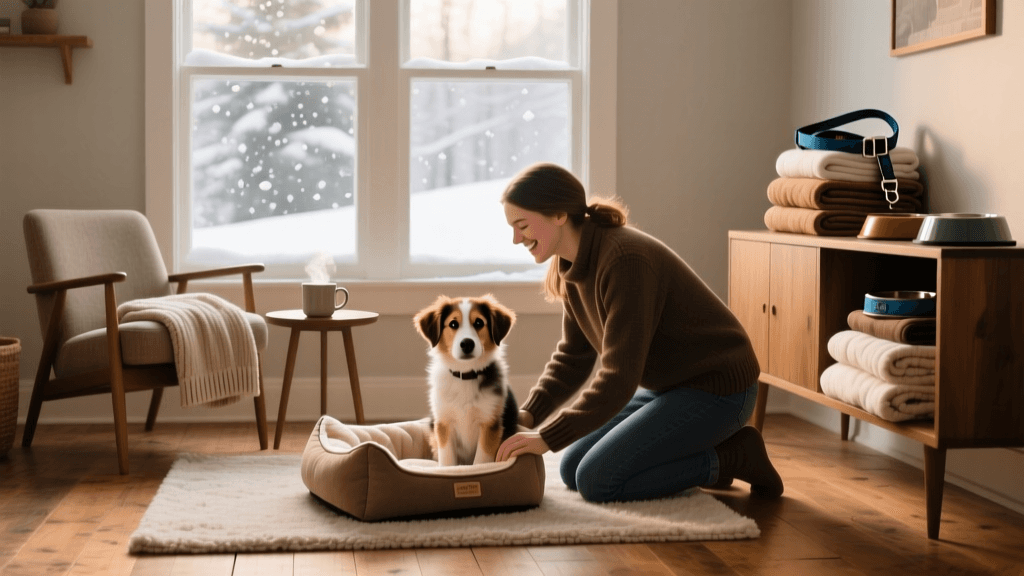
Bringing a new dog or puppy home is a life-changing event filled with excitement, cuddles, and new routines. However, adopting during the winter months introduces a unique set of logistical and environmental challenges that new owners must navigate. The well-known '3-3-3 rule' of dog adoption—three days to decompress, three weeks to learn your routine, and three months to feel at home—can be complicated by freezing temperatures, icy sidewalks, and significantly reduced daylight hours.
When you adopt a dog in the summer, you can easily spend hours in the backyard letting them explore and burn off nervous energy. In the winter, outdoor time is often cut short by the cold, forcing both you and your new pet to spend the critical bonding and adjustment periods indoors. Furthermore, the transition from a shelter environment to a warm, dry home can cause dry skin, and the presence of winter-specific household hazards requires immediate attention. By understanding these seasonal hurdles and preparing your home accordingly, you can ensure a smooth, safe, and joyful transition for your new furry family member.
Winter-Proofing Your Home for a New Dog
Before your new dog crosses the threshold, you must winter-proof your living space. Winter brings specific toxins and hazards into our homes and garages that are highly dangerous to curious canines, particularly puppies who explore the world with their mouths.
Antifreeze and Garage Toxins
Ethylene glycol, the primary ingredient in most automotive antifreeze, has a sweet taste that is incredibly appealing to dogs but is fatally toxic even in minuscule amounts. According to the ASPCA's Winter Pet Care guidelines, as little as a few tablespoons can be lethal to a medium-sized dog. Store all automotive fluids on high shelves in sealed containers, and immediately clean up any spills in the garage or driveway using an absorbent material like cat litter.
Ice Melts and De-Icers
Rock salt and chemical de-icers used on sidewalks can cause severe irritation, chemical burns on paw pads, and gastrointestinal distress if licked off during grooming. When preparing your home, designate a specific 'paw-washing station' near your entryway. Keep a stack of clean microfiber towels, a shallow basin of warm water, or a bottle of dog-safe unscented pet wipes ready for immediate use the moment you walk through the door.
Space Heaters and Fireplaces
New dogs, especially short-haired breeds or senior rescues, will naturally seek out heat sources. Space heaters pose a severe burn and fire risk if knocked over by a wagging tail or a playful pounce. Ensure all space heaters have automatic tip-over shut-off features and are placed behind physical barriers or baby gates. If you have a wood-burning fireplace, invest in a sturdy, heavy-duty metal screen to prevent embers from popping onto your dog's bedding.
Essential Winter Gear for Your New Arrival
Equipping yourself with the right seasonal gear before adoption day will save you from frantic pet store runs in the freezing cold. Below is a structured checklist of winter essentials, complete with estimated costs and specific features to look for when shopping.
| Item | Purpose | Estimated Cost | Recommended Features |
|---|---|---|---|
| Insulated Dog Coat | Retains body heat during outdoor potty breaks and walks. | $30 - $65 | Water-resistant outer shell, fleece lining, belly coverage, and reflective trim. |
| Paw Protection Wax | Creates a semi-permeable barrier against ice, salt, and snow. | $15 - $25 | 100% natural waxes (like Musher's Secret), non-toxic if licked, vitamin E enriched. |
| Dog Booties | Physical protection against sharp ice shards and chemical burns. | $20 - $50 | Rugged anti-slip rubber soles, adjustable velcro ankle straps, water-resistant fabric. |
| Indoor Potty System | Provides an emergency relief area during extreme blizzards or deep freezes. | $40 - $120 | Real grass patches (e.g., Fresh Patch) or raised plastic grates with washable pee pads. |
| LED Collar Light | Ensures visibility during early morning and late evening potty breaks in the dark. | $10 - $20 | USB rechargeable, multiple flash modes, waterproof silicone casing. |
Cold-Weather Potty Training Strategies
Potty training is often the most stressful part of the first week with a new dog, and winter weather amplifies this difficulty. Dogs are naturally reluctant to relieve themselves in deep snow or freezing wind, which can lead to indoor accidents. The American Kennel Club (AKC) emphasizes that consistency and positive reinforcement are even more critical during cold snaps.
Create a Snow-Free Potty Zone
Before the dog arrives, shovel a designated 4x4 foot area in your yard or near your apartment complex's green space. Lay down a tarp or a layer of gravel if possible, and keep this specific area clear of snow. Dogs rely heavily on scent; having a consistent, dry, and accessible spot will encourage them to do their business quickly rather than wandering aimlessly in the snow.
Use a Leash and Keep it Brief
Even if you have a fully fenced backyard, always use a leash for potty breaks during the first few weeks. A leash prevents the dog from playing in the snow and allows you to guide them directly to the cleared potty zone. Limit outdoor potty trips to 5 to 10 minutes. If they do not go, bring them back inside, place them in their crate or a confined pen for 15 minutes, and try again. This teaches them that the outdoors is for business, not play, during freezing weather.
High-Value Rewards
Because the cold is a deterrent, your reward must outweigh the discomfort. Keep high-value treats (like freeze-dried liver or small pieces of boiled chicken) in a pocket close to your body so they don't freeze solid. Deliver the treat and enthusiastic verbal praise the exact second they finish eliminating, before heading back to the warmth of the house.
Managing Indoor Energy and Enrichment
When the temperature drops below freezing or icy conditions make walking unsafe, your new dog will still need mental and physical stimulation to prevent destructive behaviors born from boredom and anxiety. According to the Humane Society of the United States, indoor enrichment is vital for maintaining a dog's psychological well-being when outdoor activities are restricted.
- Snuffle Mats and Foraging: Hide your dog's daily kibble ration inside a snuffle mat or scatter it across a rolled-up towel. This mimics natural foraging behaviors and can tire a dog out mentally just as much as a two-mile walk tires them out physically.
- Frozen KONG Toys: Fill a classic KONG toy with a mixture of plain canned pumpkin, low-sodium chicken broth, and a few training treats. Freeze it overnight. Licking is a naturally soothing behavior for anxious dogs, and working on a frozen toy can keep them occupied for up to 45 minutes.
- Indoor Hide and Seek: Practice the 'stay' command in one room, then hide in another and call your dog. This builds recall skills, burns off energy, and strengthens the bond between you and your new pet without requiring a large amount of space.
First-Week Health and Safety Precautions
The sudden shift from a shelter or foster home to a centrally heated house can wreak havoc on a dog's skin and coat. Winter air holds less moisture, and indoor heating systems strip humidity from the environment, leading to dry, flaky skin and itchy paws.
To combat this, run a cool-mist humidifier in the room where your dog sleeps. Aim to keep indoor humidity levels between 30% and 50%. Additionally, resist the urge to bathe your new dog during their first week unless absolutely necessary. Bathing strips natural oils from the skin, which are crucial for protection against winter dryness. If they get muddy, use a damp washcloth to spot-clean the affected areas instead of a full submersion bath.
Patience is your greatest tool during a winter adoption. Your new dog is learning a new language, a new environment, and a new climate all at once. Give them grace, keep them warm, and celebrate the small victories.
Adopting a dog in the winter requires a bit more foresight and preparation, but the reward of providing a loving, warm haven for a shelter animal during the coldest months of the year is immeasurable. By winter-proofing your home, investing in the right seasonal gear, and adapting your training routines to the weather, you set the foundation for a lifelong, healthy, and happy relationship with your new best friend.
marcus-aldridge
All our authors care for dogs every day — read more of their work on the authors page.