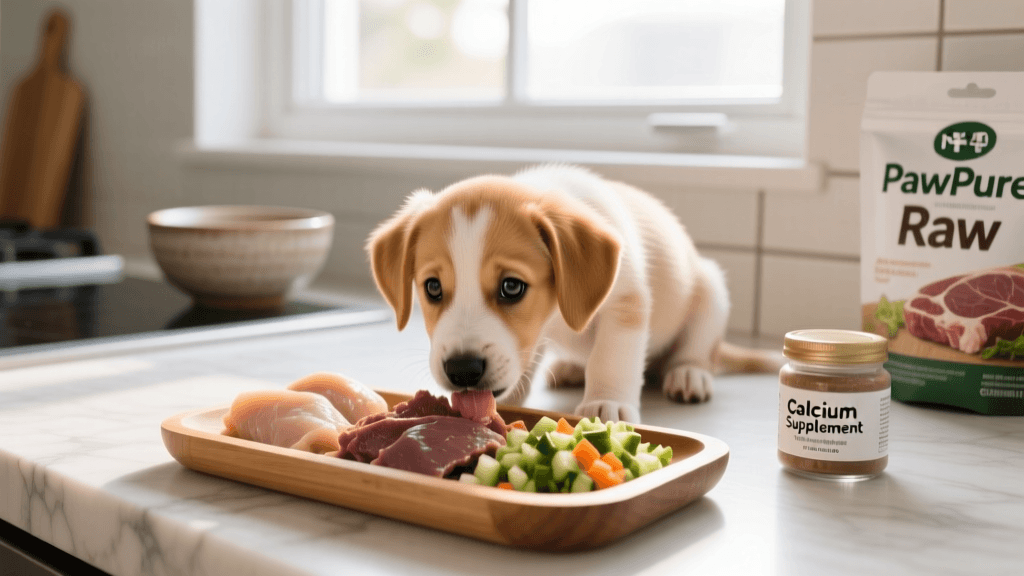
Best Fresh Raw Puppy Diets in 2026: Safe Ratios & Top Brands
Discover how to safely transition weaning puppies to fresh raw diets in 2026. Learn essential calcium-phosphorus ratios and top vet-approved brands.
The Evolution of Puppy Nutrition in 2026
As we navigate through 2026, the landscape of canine nutrition has shifted dramatically. More pet parents than ever are moving away from highly processed extruded kibble, seeking out fresh, raw, and alternative diets for their growing puppies. The first year of a dog's life is a critical window for skeletal, neurological, and immune system development. While fresh diets offer incredible benefits—such as improved digestibility, shinier coats, and higher moisture content—they also carry significant risks if not meticulously balanced for a growing puppy. Unlike adult dogs, puppies require precise nutritional profiles to support rapid bone growth and brain development. Feeding an adult raw formula to a puppy can lead to irreversible orthopedic damage, making it vital to understand the science and safety behind raw and fresh weaning diets.
Understanding the Calcium-to-Phosphorus (Ca:P) Ratio
The most critical factor in any puppy diet, particularly raw and fresh diets, is the calcium-to-phosphorus ratio. In 2026, veterinary nutritionists continue to emphasize that growing puppies need a Ca:P ratio strictly between 1.1:1 and 1.4:1, with the ideal target hovering around 1.2:1. Calcium and phosphorus work synergistically to build bone matrix. If a puppy consumes too much phosphorus (common in pure muscle meat diets), the body will leach calcium from the developing bones to balance the blood chemistry, leading to nutritional secondary hyperparathyroidism. Conversely, excessive calcium can inhibit bone remodeling, leading to developmental orthopedic diseases like osteochondritis dissecans (OCD) and hypertrophic osteodystrophy (HOD), particularly in large and giant breeds.
According to the World Small Animal Veterinary Association (WSAVA), growing puppies require strictly balanced nutrient profiles, and any diet fed during the first 12 months must meet the rigorous Association of American Feed Control Officials (AAFCO) guidelines for 'growth and reproduction'.
When formulating or purchasing a raw diet, it is not enough to simply feed 'meat and bones.' The density of bone varies wildly between chicken necks, turkey wings, and beef ribs. Commercial fresh and raw brands in 2026 utilize advanced laboratory testing to ensure every batch hits this narrow Ca:P window, removing the guesswork that plagues many home-prepared diets.
The Dangers of Unregulated Home-Prepared Raw Diets
While the intention behind home-preparing a raw diet is often rooted in love and a desire for transparency, the execution is frequently flawed. Studies consistently show that the vast majority of home-prepared puppy diets are deficient in essential micronutrients, including iodine, zinc, copper, and vitamin D. Furthermore, the FDA warns about the bacterial risks associated with handling raw meats, noting that pathogens like Salmonella and Listeria pose a threat not only to the immunocompromised puppy but also to the human household members. In 2026, the gold standard for raw feeding is High-Pressure Processing (HPP), a non-thermal pasteurization method that eliminates harmful bacteria while preserving the raw nutritional integrity of the proteins and enzymes.
Top Commercial Fresh and Raw Puppy Brands in 2026
To ensure safety and completeness, veterinary nutritionists at Tufts Cummings School of Veterinary Medicine recommend relying on commercially prepared diets formulated by PhD-level animal nutritionists. Here are the top vet-approved fresh and raw puppy diets available this year.
1. We Feed Raw (Puppy Specific Formulas)
We Feed Raw has solidified its position in 2026 as a leader in the raw space by utilizing HPP technology and adhering strictly to AAFCO growth profiles. Their puppy recipes incorporate finely ground bone for safe calcium delivery, alongside organic kelp for iodine and green-lipped mussels for natural joint support and DHA. DHA (Docosahexaenoic acid) is an omega-3 fatty acid crucial for a puppy's retinal and cognitive development during the first six months of life.
2. The Farmer's Dog (Fresh, Gently Cooked)
For pet parents who want the benefits of a whole-food diet but are wary of raw bacteria risks, The Farmer's Dog offers an excellent alternative. Their fresh, gently cooked meals are human-grade and formulated to support the high-energy demands of puppies. The cooking process increases the digestibility of the proteins and carbohydrates, ensuring that a weaning puppy's sensitive gastrointestinal tract can absorb maximum nutrients without experiencing the loose stools often associated with abrupt raw transitions.
3. JustFoodForDogs (Puppy Recipe)
JustFoodForDogs provides a lightly cooked, fresh diet that is transparently formulated. Their 2026 puppy recipe includes a precise blend of lean meats, nutrient-rich organ meats, and a proprietary vitamin-mineral premix that guarantees the Ca:P ratio remains perfectly balanced. They also offer specific large-breed puppy formulations, which strictly control caloric density and calcium levels to prevent the rapid growth spurts that cause joint dysplasia.
2026 Fresh and Raw Puppy Diet Comparison
| Brand | Diet Type | Ca:P Ratio | Est. 2026 Cost | Best For |
|---|---|---|---|---|
| We Feed Raw | HPP Raw | 1.2:1 | $8.50 / lb | Pet parents seeking true raw with bacterial safety. |
| The Farmer's Dog | Fresh Cooked | 1.3:1 | $7.00 / lb | Puppies with sensitive stomachs needing high digestibility. |
| JustFoodForDogs | Fresh Cooked | 1.2:1 | $9.50 / lb | Large breed puppies requiring strict calcium control. |
Step-by-Step Weaning and Transition Protocol
Transitioning a weaning puppy (typically around 6 to 8 weeks of age) to a fresh or raw diet requires a methodical approach to avoid gastrointestinal upset and ensure proper caloric intake.
- Week 1 (Weeks 6-7 of age): Begin by offering a 'gruel' or 'slurry.' Blend the commercial fresh or raw puppy food with warm water or goat's milk to a soup-like consistency. Puppies at this age are still learning to lap and chew. Offer this mixture 4 times a day.
- Week 2 (Weeks 7-8 of age): Gradually reduce the amount of water or milk in the slurry. The texture should resemble a thick oatmeal. Monitor the puppy's stool; if it becomes too loose, slow the transition and add a teaspoon of plain canned pumpkin (not pie filling) for soluble fiber.
- Week 3 (Weeks 8-9 of age): Transition to the fully hydrated, unblended fresh or raw food. At this stage, feed 3 to 4 small meals a day. Puppies have small stomachs and high metabolic rates, requiring frequent, nutrient-dense meals.
- Week 4 and Beyond: Establish a consistent feeding schedule of 3 meals a day until the puppy reaches 6 months of age, at which point you can transition to 2 meals a day.
Monitoring Growth: Body Condition Scoring (BCS)
One of the most common mistakes owners make when feeding fresh or raw diets is overfeeding. Fresh food is highly palatable, and puppies will often eat past the point of satiety. In 2026, veterinary professionals urge owners to use the 9-point Body Condition Score (BCS) system rather than relying solely on the feeding charts provided on the packaging. A growing puppy should ideally sit at a BCS of 4 or 5. You should be able to easily feel their ribs without pressing hard, but the ribs should not be visibly protruding. Furthermore, the puppy should have a visible 'tuck' at the waist when viewed from the side and above. Rapid weight gain puts immense mechanical stress on developing growth plates, exacerbating the risks of hip and elbow dysplasia, even if the Ca:P ratio is perfect.
Common Mistakes to Avoid in 2026
Even with the best intentions, pet parents can stumble when navigating alternative diets. Avoid these critical errors:
- Feeding Adult Formulas: Never feed a raw diet labeled for 'adult maintenance' to a growing puppy. Adult formulas lack the elevated levels of DHA, calcium, and specific amino acids required for puppy development.
- Unnecessary Supplementation: If you are feeding a complete and balanced commercial fresh or raw puppy diet, do not add calcium supplements, bone meal, or multi-vitamins. Over-supplementation is just as dangerous as a deficiency.
- Ignoring Dental Health: While raw diets are often touted for dental benefits, soft fresh foods do not provide the mechanical abrasion needed to clean teeth. Incorporate veterinary-approved dental chews or begin daily tooth brushing routines as early as 8 weeks of age.
Conclusion
Feeding a fresh or raw diet to your puppy in 2026 is an excellent way to provide them with whole, biologically appropriate nutrition. However, the margin for error during the first year of life is incredibly small. By prioritizing the calcium-to-phosphorus ratio, choosing AAFCO-compliant commercial brands that utilize safety measures like HPP, and closely monitoring your puppy's body condition, you can set the foundation for a lifetime of vibrant health. Always consult with a board-certified veterinary nutritionist when making significant dietary decisions for your growing puppy.
hannah-wickes
All our authors care for dogs every day — read more of their work on the authors page.