Top Quiet Apartment Puppies: First-Year Care Guide 2026
Discover the best quiet puppy breeds for apartments and learn essential 2026 first-year care tips for potty training, teething, and socialization.
The Rise of Quiet Apartment Puppies in 2026
As urban living continues to evolve in 2026, more dog lovers are finding themselves in apartments, condos, and high-rises. While the joy of bringing a new puppy home is universal, apartment dwellers face unique challenges. Thin walls, shared hallways, and limited outdoor space mean that choosing a vocal, high-energy breed can quickly lead to noise complaints and stressed neighbors. Fortunately, the shift toward urban pet ownership has highlighted several remarkably quiet, low-bark breeds that thrive in smaller spaces. However, a quiet disposition does not mean a puppy requires less care. The first year of a puppy's life is a critical window for physical development, potty training, teething, and early socialization. This comprehensive guide explores the best quiet breeds for apartment living and provides actionable, 2026-specific care strategies to ensure your puppy's first year is a resounding success.
Top 3 Quiet Puppy Breeds for Small Spaces
When selecting a puppy for an apartment, you must look beyond just their adult size. Temperament, energy levels, and vocal tendencies are equally important. According to the American Kennel Club (AKC), the best apartment dogs are those that can comfortably relax indoors and do not possess a strong guarding or alert-barking instinct. Here are three exceptional quiet breeds to consider for your first-year puppy care journey.
1. The Cavalier King Charles Spaniel
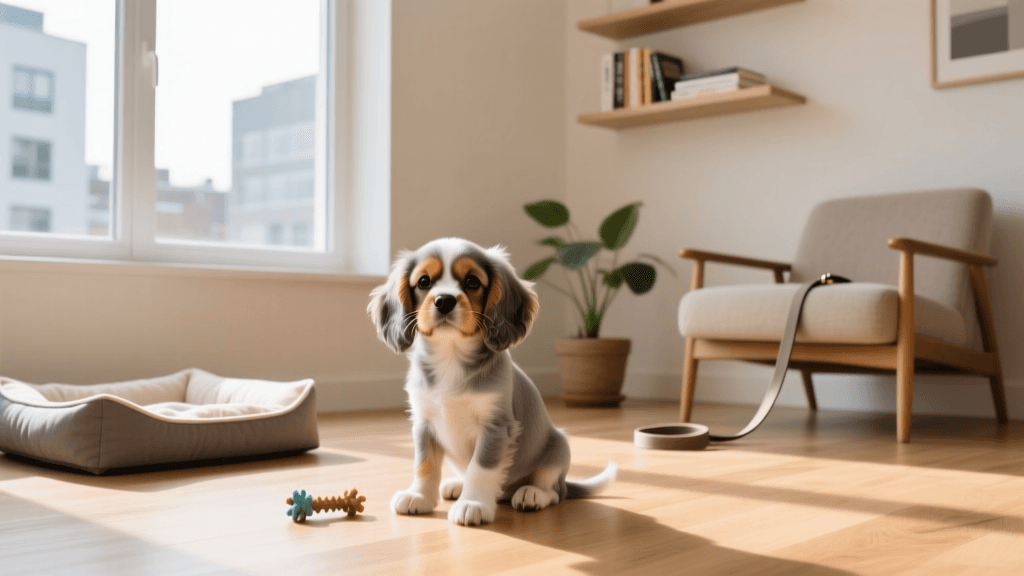
The Cavalier King Charles Spaniel is the quintessential apartment companion. Known for their gentle, affectionate nature, Cavaliers rarely bark without a profound reason. During their first year, Cavaliers are highly impressionable and eager to please, making them relatively easy to train. However, they are prone to separation anxiety. Your first-year care plan must include gradual alone-time training to prevent destructive chewing or stress-whining when you leave for work. Invest in interactive smart cameras, like the 2026 Furbo Dog Camera, which allows you to toss treats and speak to your Cavalier remotely, keeping them calm and quiet throughout the day.
2. The Italian Greyhound
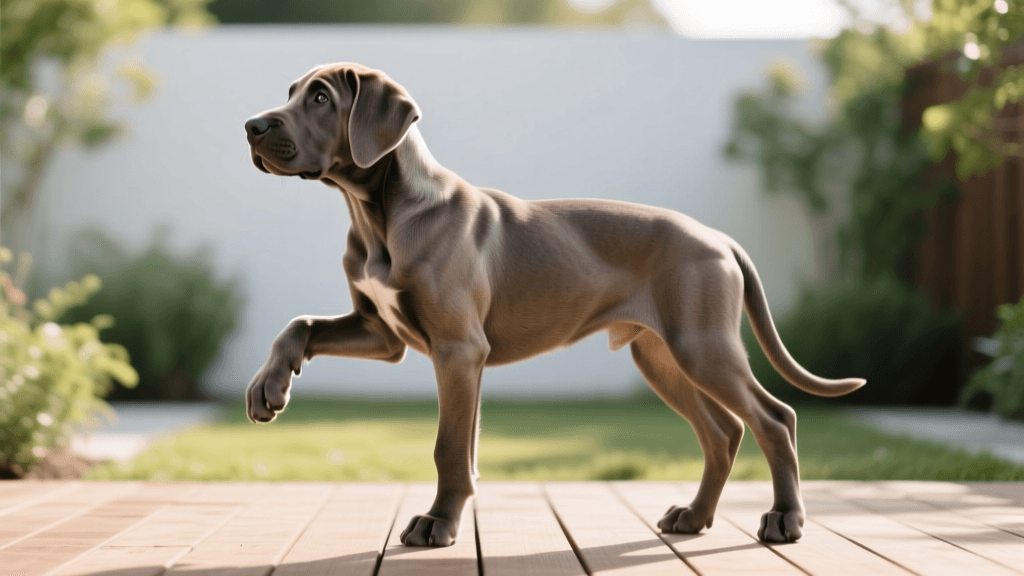
Often described as "cats in dog suits," Italian Greyhounds are incredibly quiet, fastidious, and deeply bonded to their owners. They rarely bark, preferring to communicate with soft nudges or expressive eyes. The primary challenge during an Italian Greyhound's first year in an apartment is potty training. Because they have very low body fat and thin coats, they despise cold weather, rain, and wind. In 2026, apartment owners are increasingly turning to premium indoor grass delivery services like Fresh Patch or DoggieLawn to create a balcony or indoor potty station, bypassing the need to drag a shivering puppy down ten flights of stairs in the middle of winter.
3. The Basset Hound
While Basset Hounds are famous for their deep, resonant bay, they are actually quite lazy and quiet indoors. They are not prone to nuisance barking at every passing footstep in the hallway. The first year of a Basset Hound puppy requires strict dietary management and controlled exercise. Their long spines and heavy front assemblies mean that jumping on and off apartment furniture can cause severe joint damage. Your 2026 puppy-proofing checklist must include pet ramps for all sofas and beds, alongside orthopedic memory foam bedding to support their developing joints.
First-Year Potty Training for Apartment Puppies
Potty training in an apartment requires a different logistical approach than training in a house with a fenced backyard. The distance to the nearest grassy area can be the biggest hurdle. The ASPCA emphasizes the importance of a consistent, frequent schedule to build reliable bladder habits. For quiet apartment breeds, associating the elevator ride and leash walk with the act of eliminating is crucial.
| Puppy Age | Bladder Capacity | Break Frequency | Apartment Strategy |
|---|---|---|---|
| 8-10 Weeks | 1-2 Hours | Every 1-2 hours | Use indoor real-grass pads on a balcony; carry puppy down stairs to avoid overstimulation. |
| 11-14 Weeks | 2-3 Hours | Every 2-3 hours | Begin leash-walking to the designated outdoor apartment complex pet area. |
| 15-20 Weeks | 3-4 Hours | Every 3-4 hours | Phase out indoor pads; establish a strict post-meal and post-nap outdoor routine. |
| 6-12 Months | 4-8 Hours | Every 4-6 hours | Transition to adult schedule; ensure mid-day dog walker if you work outside the home. |
Pro Tip for 2026: Keep a dedicated "potty tote" by your apartment door. This should include biodegradable waste bags, a small bottle of enzymatic cleaner for hallway accidents, and high-value training treats like freeze-dried beef liver. Being prepared reduces the friction of taking your puppy out, ensuring you never skip a necessary potty break.
Nighttime Crate Training in Limited Spaces
Space is at a premium in an apartment, but a crate remains an indispensable tool for a puppy's first year. A crate provides a den-like sanctuary where your quiet puppy can decompress from the auditory stimuli of neighboring units. Choose a wire crate with a divider panel so you can adjust the space as your puppy grows. Place the crate in your bedroom for the first few months; hearing your breathing and heartbeat reassures breeds like the Cavalier and Italian Greyhound, drastically reducing nighttime whining. Use a sound machine playing white noise to mask the sounds of neighbors walking in the halls above or beside you, ensuring your puppy's sleep cycle remains uninterrupted.
Teething and Indoor Enrichment
Between 12 and 24 weeks of age, your puppy will lose their baby teeth and their adult teeth will emerge. Even the quietest puppies will chew during this phase. If left without appropriate outlets, an apartment puppy will quickly turn baseboards, door frames, and expensive furniture into chew toys. In 2026, the gold standard for teething relief remains the KONG Puppy toy, made from a softer, gentler rubber formula designed specifically for developing teeth. Stuff the KONG with a mixture of plain pumpkin puree, plain Greek yogurt, and kibble, then freeze it overnight. The cold temperature soothes inflamed gums, while the food-dispensing nature of the toy provides mental enrichment, tiring your puppy out without requiring a marathon walk.
Additionally, incorporate daily scent-work games using a snuffle mat. Quiet breeds like the Basset Hound are highly olfactory-driven. Hiding their daily kibble ration inside the fabric strips of a snuffle mat forces them to use their nose, burning mental energy that would otherwise be directed toward destructive apartment behaviors.
Early Socialization Without Overstimulation
A common misconception is that quiet breeds do not need extensive socialization. In reality, without proper exposure during the critical 8 to 16-week window, quiet puppies can develop fear-based reactivity or become overly timid. The AKC's guidelines on puppy socialization stress that exposure should be positive and controlled. In an apartment building, the lobby and elevators can be chaotic, overwhelming environments for a young puppy.
- Invite Guests In: Host small, controlled "puppy parties" in your apartment. Invite calm friends over to feed your puppy treats, teaching them that strangers entering their territory is a positive event.
- Elevator Etiquette: Practice stepping in and out of the elevator when it is empty. Reward your puppy for sitting calmly in the corner. Avoid crowded elevator rides until your puppy is fully vaccinated and confident.
- Urban Desensitization: Carry your puppy to a nearby park bench and simply watch the world go by. Reward them for remaining quiet and relaxed while observing joggers, bicycles, and city traffic.
Conclusion
Raising a quiet puppy breed in an apartment is a deeply rewarding experience, provided you are prepared for the unique logistical hurdles of the first year. By selecting a suitable breed like the Cavalier King Charles Spaniel, Italian Greyhound, or Basset Hound, and implementing a structured 2026 care plan focused on strategic potty training, joint-safe enrichment, and controlled socialization, you will cultivate a well-adjusted, happy companion. Your apartment will remain a peaceful sanctuary, and your puppy will thrive in their urban home for years to come.
priya-sutaria
All our authors care for dogs every day — read more of their work on the authors page.