The Viral Raw Goat Milk Trend: Dog Gut Health Guide
Explore the viral raw goat milk trend for dogs. Learn dosing, microbiome benefits, top brands, and safety risks in our comprehensive gut health guide.
The TikTok Sensation: Why Raw Goat Milk is Taking Over Dog Bowls
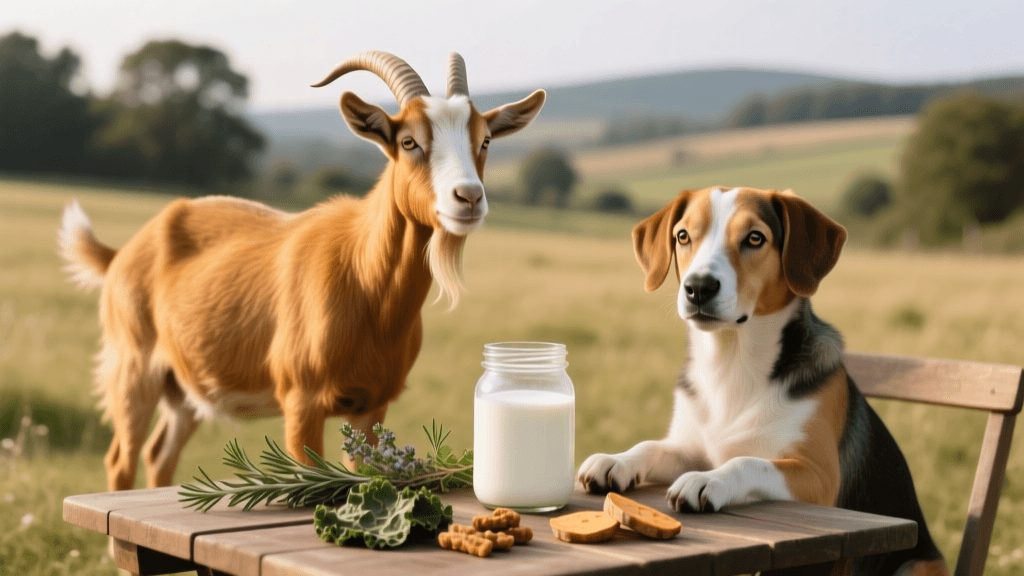
Scroll through any pet-focused social media feed today, and you are bound to see a dog enthusiastically lapping up a milky, frothy liquid poured over their kibble or freeze-dried meals. The viral trend of adding raw, fermented goat milk to canine diets has exploded across platforms like TikTok and Instagram, championed by holistic pet influencers as a 'miracle cure' for everything from itchy skin to poor digestion. But as with any viral pet health trend, it is crucial to separate the aesthetic appeal from the actual veterinary science. Is raw goat milk truly a superfood for your dog's gut, or just another expensive fad?
In this comprehensive guide, we break down the science of the canine microbiome, provide exact dosing measurements, compare top commercial brands, and outline the very real veterinary risks you must consider before jumping on the bandwagon.
What Exactly is Raw, Fermented Goat Milk?
It is important to clarify that the viral trend does not involve grabbing a carton of pasteurized goat milk from your local grocery store. The product dominating the dog wellness space is raw, fermented, pet-grade goat milk.
Unlike pasteurized milk, which is heated to kill bacteria (and in the process, destroys many beneficial enzymes), raw goat milk is kept in its natural state. When lightly fermented, it becomes rich in probiotics, digestive enzymes, and bioavailable nutrients. Goat milk naturally contains smaller fat globules and less lactose than cow's milk, making it significantly easier for a dog's digestive tract to process. Furthermore, it is packed with vitamins A, B-complex, and D, alongside essential minerals like calcium, magnesium, and potassium.
The Science of the Canine Microbiome
To understand why holistic veterinarians and canine nutritionists support fermented foods, we have to look at the gut-brain axis and the canine microbiome. A dog's gastrointestinal tract houses trillions of bacteria that dictate everything from immune system function to neurotransmitter production.
According to a landmark study on dietary interventions and the canine gut microbiome published in the National Institutes of Health (NIH), dietary shifts—specifically the introduction of varied proteins and fermented components—can rapidly and significantly alter the microbial composition of a dog's gut. Fermented goat milk introduces live strains of beneficial bacteria (such as Lactobacillus and Bifidobacterium) and prebiotic oligosaccharides that feed existing good bacteria, helping to crowd out pathogenic microbes and reduce systemic inflammation linked to canine atopic dermatitis (itchy skin) and leaky gut syndrome.
Liquid Toppers Compared: Goat Milk vs. Cow Milk vs. Bone Broth
How does raw goat milk stack up against other popular liquid meal toppers? Here is a side-by-side nutritional and functional comparison:
| Feature | Raw Fermented Goat Milk | Pasteurized Cow Milk | Canine Bone Broth |
|---|---|---|---|
| Lactose Content | Low (easier to digest) | High (frequent GI upset) | Zero |
| Probiotics | High (naturally occurring) | None (destroyed by heat) | None (unless added later) |
| Primary Benefit | Gut microbiome & immunity | Calcium (but poor absorption) | Joint support & hydration |
| Caloric Density | Moderate/High | High | Very Low |
Actionable Guide: Dosing, Costs, and Top Commercial Brands
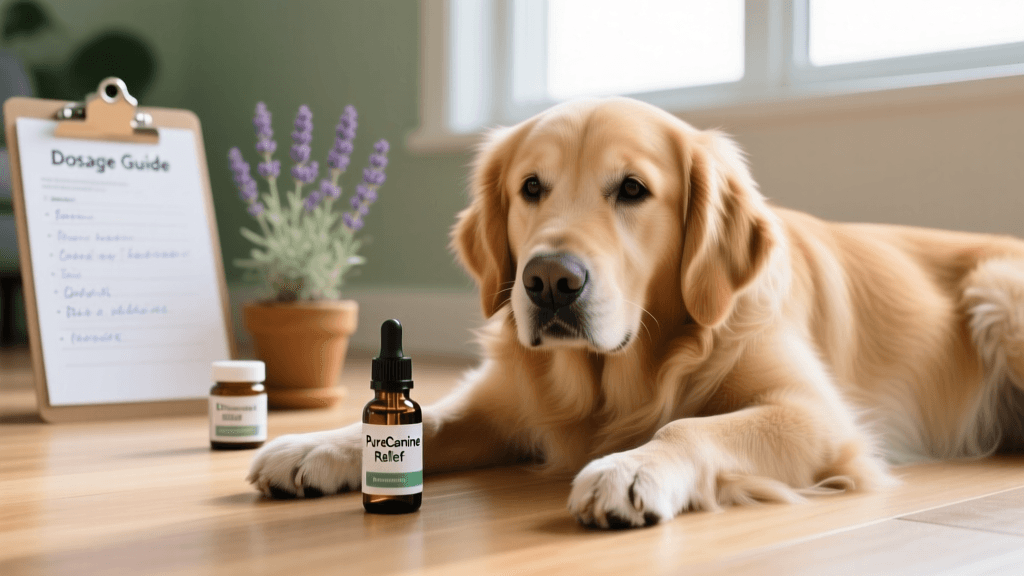
If you decide to incorporate raw goat milk into your dog's routine, sourcing and dosing are critical. Because it is calorie-dense, overfeeding can lead to rapid weight gain or pancreatitis in sensitive breeds. The general rule of thumb is 1 ounce of goat milk per 20 pounds of body weight daily.
Here is a breakdown of the top commercial brands dominating the market, alongside estimated costs and serving sizes:
| Dog Weight | Daily Serving | Quarts Last (Approx.) | Est. Monthly Cost |
|---|---|---|---|
| 10 - 20 lbs | 0.5 to 1 oz | 2 to 3 months | $8 - $12 |
| 25 - 50 lbs | 1.5 to 2.5 oz | 1 to 1.5 months | $15 - $22 |
| 60 - 90+ lbs | 3 to 4.5+ oz | 2 to 3 weeks | $30 - $50+ |
Note: Prices based on average retail costs of $15 to $25 per 32oz quart from premium brands like Primal Pet Foods, Steve's Real Food, and Answers Pet Food.
The 7-Day Introduction Protocol
Never introduce a rich, fermented food to your dog's diet overnight. Doing so can cause severe osmotic diarrhea. Follow this 7-day schedule to allow your dog's gut flora to adapt:
- Days 1-2: Offer 1/4 of the recommended daily dose. Mix thoroughly into their regular food. Monitor stool consistency.
- Days 3-4: Increase to 1/2 of the recommended daily dose. If stools remain firm, proceed.
- Days 5-6: Increase to 3/4 of the recommended daily dose. Watch for signs of gas or bloating.
- Day 7: Serve the full recommended dose. For maximum probiotic benefit, serve it at room temperature or slightly chilled—never microwaved, as heat will kill the beneficial bacteria.
Veterinary Warnings and Potential Risks
Despite the overwhelming viral hype, raw goat milk is not without controversy in the veterinary community. The primary concern revolves around the 'raw' aspect of the product. The U.S. Food and Drug Administration (FDA) maintains strict warnings regarding the consumption of raw milk by both humans and pets, citing the potential presence of dangerous pathogens such as Salmonella, E. coli, Campylobacter, and Listeria. While reputable pet food companies utilize High-Pressure Processing (HPP) to mitigate these risks without using heat, the FDA still considers raw dairy a safety hazard.
Additionally, the American Kennel Club (AKC) notes that while goat milk has less lactose than cow's milk, it is not entirely lactose-free. Dogs with severe lactose intolerance or pre-existing gastrointestinal diseases (like IBD) may still experience adverse reactions. Finally, because goat milk is high in fat, it should be strictly avoided in dogs with a history of pancreatitis or those prone to hyperlipidemia, such as Miniature Schnauzers.
Final Verdict: Is the Viral Trend Worth the Hype?
The viral trend of pouring raw goat milk over dog food is rooted in legitimate nutritional science regarding the canine microbiome and the benefits of fermented foods. When sourced from reputable, HPP-treated brands and dosed correctly according to your dog's weight, it can serve as an excellent, hydrating source of natural probiotics and enzymes. However, it is not a mandatory requirement for a healthy dog, nor is it a replacement for targeted veterinary treatments for severe allergies or GI diseases. Always consult with your primary care veterinarian before introducing raw dairy into your pet's diet, especially if they have a compromised immune system or a history of pancreatic issues.
hannah-wickes
All our authors care for dogs every day — read more of their work on the authors page.