Urban Sniffari Decompression Walks for Leash Reactivity 2026
Discover how urban sniffari decompression walks reduce leash reactivity in 2026. Learn threshold training techniques and essential gear for anxious dogs.
The Science Behind Canine Reactivity and Cortisol Stacking
Leash reactivity is one of the most common challenges faced by modern dog owners, particularly as urban environments become denser and more stimulating. In 2026, veterinary behaviorists emphasize that reactivity is rarely about true aggression; rather, it is a manifestation of anxiety, fear, or frustration. When a reactive dog encounters a trigger—such as an unfamiliar dog, a loud delivery drone, or a fast-moving cyclist—their amygdala hijacks the brain, releasing a massive surge of cortisol and adrenaline.
This physiological response is known as 'trigger stacking.' If a dog experiences multiple triggers in a single day without adequate recovery time, their baseline cortisol levels remain elevated. According to the Cornell University Companion Animal Behavior Clinic, it can take up to 72 hours for a dog's cortisol levels to return to baseline after a significant reactive episode. This means that a dog who reacts intensely on a Monday morning walk is physiologically primed to be even more reactive on Tuesday, creating a vicious cycle of stress and lunging.
Understanding this biological reality is the first step toward effective management. You cannot train a dog out of a physiological panic response; you must first manage their environment to prevent the cortisol stack, and then introduce decompression activities that actively lower their heart rate and engage their parasympathetic nervous system.
What is an Urban Sniffari Decompression Walk?
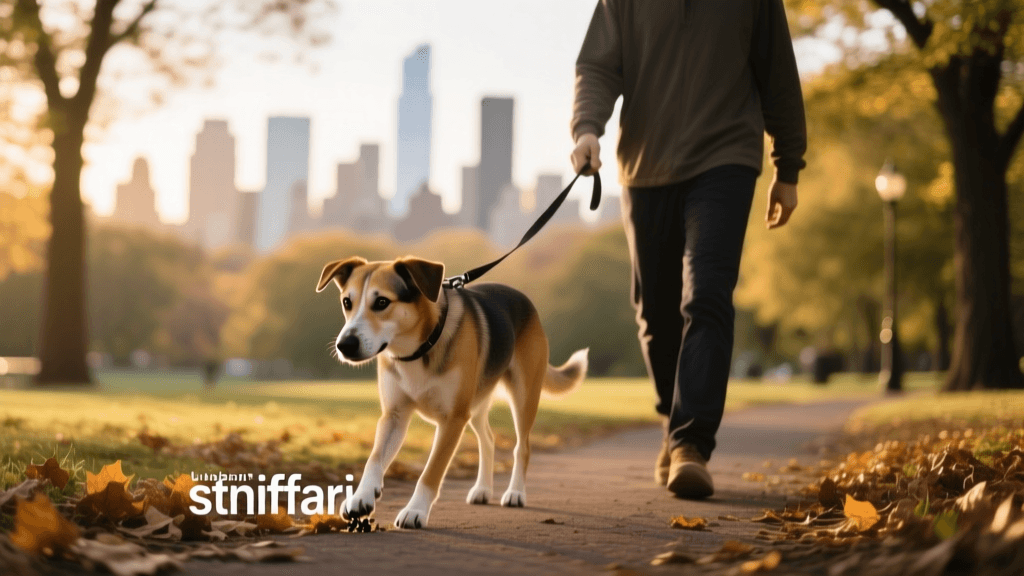
An 'Urban Sniffari' is a structured decompression walk designed specifically for reactive and anxious dogs living in high-density areas. Unlike a traditional heel walk or a brisk exercise march, the primary goal of a Sniffari is olfactory enrichment. Dogs process the world primarily through their noses, and the act of sniffing has been scientifically proven to lower a dog's heart rate and promote a state of deep calm.
During a Sniffari, the dog is given the freedom to choose the pace and direction of the walk, provided the environment remains below their reactivity threshold. You are essentially allowing your dog to 'read the neighborhood news' through scent marking and environmental investigation. In 2026, certified fear-free trainers heavily advocate for Sniffaris as the foundational pillar of any leash reactivity rehabilitation program, noting that mental fatigue from sniffing is often more exhausting and satisfying for a dog than miles of physical running.
Essential Gear for Reactive Dog Walks in 2026
Having the right equipment is non-negotiable when managing a reactive dog. Standard retractable leashes and flat collars can cause tracheal damage and offer zero control during a lunge. Below is a comparison of the top-rated, escape-proof gear recommended by behaviorists for urban decompression walks this year.
| Gear Category | 2026 Top Recommendation | Key Feature for Reactivity | Approx. Cost |
|---|---|---|---|
| Escape-Proof Harness | Ruffwear Web Master Plus (2026 Edition) | Double-girthed straps prevent backing out during panic; padded handle for secure holds. | $110 |
| Secure Leash | Mendota Biothane Hands-Free Leash | Weatherproof, easy to clean, with a built-in traffic handle for immediate proximity control. | $55 |
| Treat Delivery System | Doggy Dash Magnetic Pouch | Silent magnetic closure prevents clicker-like sounds that might startle anxious dogs. | $38 |
| Visual Barrier | ThunderShirt ThunderCap | Semi-transparent mesh reduces visual stimuli without blinding the dog, lowering trigger intensity. | $28 |
Investing in a harness with a sturdy dorsal handle, such as the Ruffwear Web Master Plus, allows you to safely guide your dog away from a trigger without putting pressure on their neck or spine. Pair this with a high-value treat pouch filled with freeze-dried liver or boiled chicken, which provides a stronger motivational pull than the environmental trigger.
Strategic Route Planning for Urban Environments
A successful Sniffari begins before you leave the house. In 2026, urban spaces are more crowded than ever, making route planning a critical skill for owners of reactive dogs. You must identify 'safe zones' where your dog can sniff freely without the threat of an off-leash dog or a sudden loud noise.
- Time of Day: Schedule walks during off-peak hours. Early dawn (5:30 AM - 6:30 AM) or late evening (after 9:00 PM) drastically reduces foot traffic and the presence of other dogs.
- Industrial Parks and Business Districts: On weekends, commercial areas are often completely empty, providing wide, predictable sightlines and fascinating scents without the unpredictable movement of pedestrians.
- Dead-End Streets: Cul-de-sacs and dead-end roads eliminate the risk of a dog approaching from behind, allowing your reactive dog to feel secure while they investigate the perimeter.
Step-by-Step Threshold Training Protocol
Managing reactivity requires strict adherence to threshold distances. Your dog's threshold is the exact distance at which they notice a trigger but remain capable of taking treats and responding to cues. If your dog is staring hard, panting heavily, or refusing food, you have crossed the threshold and learning is no longer possible.
Step 1: Pre-Walk Decompression
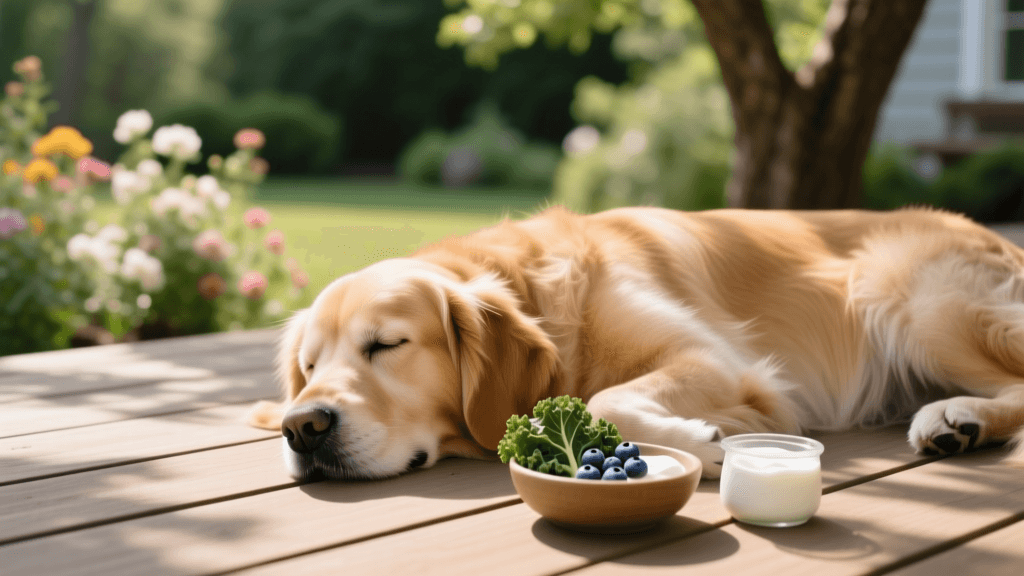
Before even attaching the leash, spend 10 minutes engaging your dog's brain indoors. Use a snuffle mat or a lick mat spread with plain Greek yogurt. This initiates the calming process and ensures your dog is not starting the walk in a state of high arousal.
Step 2: The 'Look At That' (LAT) Game
As detailed in resources provided by the American Kennel Club, counter-conditioning relies on changing the dog's emotional response to a trigger. When your dog spots a trigger from a sub-threshold distance (e.g., 50 feet away):
- Mark the behavior: The moment your dog looks at the trigger, use a calm verbal marker like 'Yes' or a soft click.
- Reward heavily: Immediately deliver a high-value treat. The sequence is: Dog sees trigger -> Marker -> Treat.
- Repeat: Over weeks of practice, the dog will begin to look at the trigger and immediately whip their head back to you in anticipation of the reward, effectively rewiring their emotional response.
Step 3: The Emergency U-Turn
Sometimes, a trigger appears unexpectedly around a corner, pushing your dog over threshold. You must have an escape route trained. Teach a cheerful 'Let's Go!' cue in a low-distraction environment. When a surprise trigger appears, say 'Let's Go!', pivot 180 degrees on your heel, and jog away while tossing high-value treats behind you to keep the dog moving and disengaged from the threat.
Tracking Progress: The 2026 Reactivity Journal Method
Because cortisol stacking can make progress feel non-linear, keeping a detailed reactivity journal is vital. In your journal, record the date, time, weather conditions, the specific trigger, the estimated distance, and your dog's recovery time. You will likely notice patterns—such as increased reactivity on windy days when scents are scattered, or during twilight hours when visual silhouettes are harder for dogs to identify.
'Progress in leash reactivity is not measured by the absolute absence of reactions, but by the speed of recovery and the ability to maintain engagement with the handler in increasingly complex environments.'
When to Seek Professional Help
While decompression walks and threshold management are highly effective, some dogs suffer from deep-seated fear or genetic anxiety that requires pharmaceutical intervention. If your dog is injuring themselves on their harness, exhibiting redirected aggression toward the handler, or refusing to eat for hours after a walk, consult a board-certified veterinary behaviorist. Combining behavioral modification with modern, targeted anti-anxiety medications can provide the neurochemical bridge your dog needs to finally succeed on their urban Sniffaris and enjoy a higher quality of life.
priya-sutaria
All our authors care for dogs every day — read more of their work on the authors page.