2026 Puppy Apartment Transition: Smart Tech & Potty Tips
Discover the ultimate 2026 guide to transitioning your new puppy into an apartment, featuring smart potty setups, socialization tips, and schedules.
The Ultimate Life Transition: Moving From Litter to High-Rise
Bringing a new puppy home is one of the most exciting life transitions you will experience, but it is also one of the most demanding. For urban dwellers, this transition is compounded by the unique challenges of apartment living. Moving from a sprawling breeder facility or a foster home with a backyard into a high-rise apartment requires careful planning, strategic environmental management, and a solid understanding of canine developmental milestones. In 2026, the integration of smart home technology and modern pet care science has made this transition smoother than ever, provided you know how to leverage these tools effectively.
The first year of a puppy's life is defined by rapid physical and psychological changes. When you introduce an urban environment into the mix, you are not just managing basic puppy care; you are acclimating a young animal to elevator rides, distant traffic noises, shared hallways, and strict strata or HOA regulations. This comprehensive guide will walk you through the critical steps of transitioning your puppy into an apartment setting, ensuring a harmonious living situation for you, your new dog, and your neighbors.
Preparing Your Apartment: The 2026 Puppy-Proofing Standard
Before your puppy crosses the threshold of your apartment, you must view your space through their eyes. Puppies explore the world with their mouths, and an apartment is full of hidden hazards. According to the ASPCA, proper environmental management is the first line of defense against accidental poisonings and destructive behaviors during the crucial teething phase.
Smart Home Puppy-Proofing
In 2026, puppy-proofing goes beyond simply hiding shoes and taping down cords. Modern smart home ecosystems offer proactive protection:
- Matter-Compatible Smart Plugs: Use smart plugs to automatically cut power to floor-level outlets and lamps when you are not in the room. Schedule them to turn off during your puppy's unsupervised nap times.
- Automated Cord Concealers: While physical cable management is still necessary, smart surge protectors can now detect abnormal power draws (like a puppy chewing through a wire) and instantly trip the breaker, preventing shocks or fires.
- Smart Air Purifiers: Puppies bring in dander, and accidents happen. HEPA smart purifiers linked to your apartment's humidity and air quality sensors will automatically ramp up filtration after a potty accident, keeping your small space smelling fresh.
High-Rise Potty Training: Smart Solutions and Schedules
Potty training in a house with a backyard is a matter of opening the door. Potty training on the 14th floor of an apartment building is a logistical marathon. The delay of waiting for elevators and navigating busy lobbies can lead to frequent indoor accidents if you are not prepared. The American Kennel Club (AKC) emphasizes that consistency and immediate positive reinforcement are the cornerstones of successful housebreaking.
Indoor Smart Potty Setups for Balconies and Bathrooms
For high-rise residents, relying solely on outdoor grass is a recipe for frustration, especially during extreme weather or late-night hours. In 2026, the gold standard for apartment potty training involves a hybrid approach using real-grass delivery services and automated indoor cleaning systems.
- Real Grass Subscriptions: Services like BarkPotty deliver hydroponically grown, odor-neutralizing grass patches directly to your door. Placing this on your balcony creates a familiar, natural surface that encourages elimination.
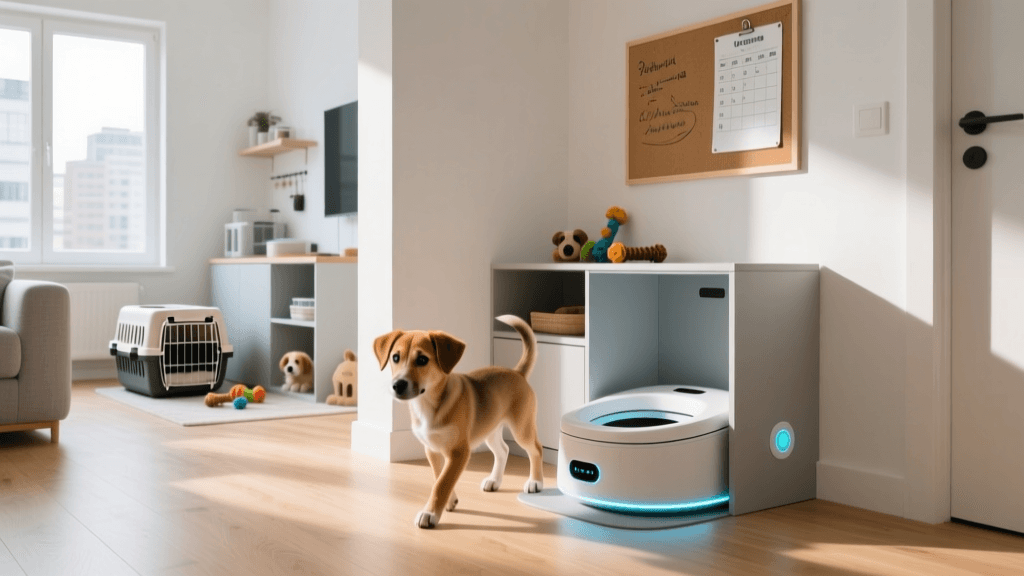
- Self-Cleaning Indoor Boxes: For bathrooms or utility closets, automated litter-style boxes designed specifically for canine waste use UV light and carbon filters to sanitize the area immediately after use, which is essential for small, poorly ventilated apartment bathrooms.
The High-Rise Potty Schedule
To succeed, you must anticipate your puppy's biological needs and account for apartment transit time. Below is a recommended schedule for an 8-to-12-week-old puppy living in a multi-story building.
| Time of Day | Action Required | Transit Buffer (Elevator/Lobby) | Location |
|---|---|---|---|
| 6:30 AM | Immediate wake-up elimination | 5 Minutes | Outdoor designated pet area |
| 8:00 AM | Post-breakfast potty break | 5 Minutes | Outdoor designated pet area |
| 12:00 PM | Mid-day relief (Dog walker or return home) | 5 Minutes | Outdoor or Balcony Grass Patch |
| 3:00 PM | Post-nap / Play session relief | 5 Minutes | Outdoor designated pet area |
| 6:00 PM | Post-dinner elimination | 5 Minutes | Outdoor designated pet area |
| 10:30 PM | Late-night final break | 5 Minutes | Outdoor or Bathroom Indoor Box |
Pro Tip: Always keep a 'potty go-bag' by your front door containing waste bags, a leash, high-value treats, and your keys. Fumbling for items while a puppy is doing the 'potty dance' in the hallway will result in accidents on the communal carpet.
Urban Socialization During the Vaccine Window
The most critical socialization window occurs between 8 and 16 weeks of age. During this time, puppies need exposure to diverse sights, sounds, and surfaces to prevent fear-based reactivity later in life. However, because your puppy will not have completed their parvovirus and distemper vaccination series, you cannot let their paws touch public urban sidewalks or visit crowded dog parks.
The 2026 Pet Stroller Strategy
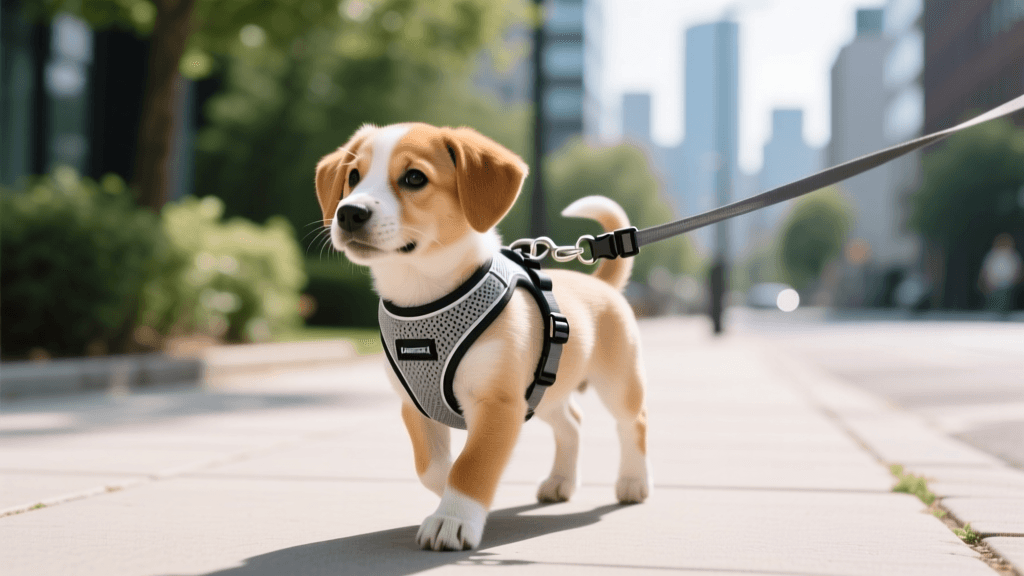
To safely socialize an apartment puppy in a dense city, invest in a high-quality, enclosed pet stroller. Modern strollers feature suspension systems for cobblestone streets and mesh enclosures that allow your puppy to see and hear the city while remaining physically protected from pathogens and unpredictable street traffic.
Take your puppy on daily stroller rides to:
- Busy outdoor cafes (to hear clinking cups and human chatter).
- Public transit stations (to experience the sound of arriving trains and buses).
- Construction zones (to safely observe heavy machinery and loud noises from a distance).
- Outdoor markets (to smell diverse foods and see moving crowds).
Pair every novel experience with high-value treats like freeze-dried liver or boiled chicken. This classical conditioning teaches your puppy that the chaotic urban environment predicts wonderful things, building a confident, well-adjusted adult dog.
Protecting Your Security Deposit: Teething Management
A major stressor for renters transitioning to life with a puppy is the potential for property damage. Puppies begin teething around 12 weeks and continue until they are 6 months old. Baseboards, door frames, and cheap apartment blinds are prime targets for destructive chewing.
To protect your security deposit, implement a strict chew-management protocol:
- Bitter Apple and Smart Deterrents: Apply pet-safe bitter sprays to baseboards. In 2026, you can also use motion-activated compressed air deterrents placed near forbidden furniture. These devices emit a harmless hiss of air when the puppy approaches, correcting the behavior without you needing to be in the room.
- Rotating Chew Toys: Puppies lose interest in toys quickly. Keep a selection of textured rubber toys, frozen Kongs stuffed with puppy-safe peanut butter, and edible dental chews. Rotate them every three days to maintain novelty.
- Playpen Confinement: Never leave a teething puppy unsupervised in the open apartment. Use a heavy-duty metal playpen or a reinforced crate when you are sleeping or away.
Managing the Hybrid-Work Separation Transition
One of the hardest life transitions for a modern puppy is adjusting to their owner's hybrid work schedule. If you work from home for the first few weeks and then suddenly start going to the office three days a week, your puppy is highly likely to develop separation anxiety. This manifests as excessive barking, howling, and destructive behavior, which can lead to noise complaints and eviction in an apartment setting.
You must proactively train your puppy to be alone. Start by leaving the apartment for just 5 minutes while your puppy is safely crated with a food puzzle. Gradually increase this time to 15 minutes, 30 minutes, and eventually a full workday over the course of several weeks. Utilize smart pet cameras with two-way audio and treat-tossing capabilities to check in on your puppy and reward quiet behavior while you are at the office. If your puppy struggles to settle, consider hiring a mid-day dog walker to break up the isolation and provide necessary physical exercise.
First 30 Days Milestone Checklist
To ensure your apartment transition is on track, use this checklist for your puppy's first month in their new home:
- Week 1: Establish the potty schedule, set up the crate and playpen, and begin basic handling exercises (touching paws, ears, and mouth).
- Week 2: Introduce the pet stroller for safe outdoor socialization. Begin short, structured alone-time training sessions.
- Week 3: Schedule the first veterinary wellness exam and establish a vaccination timeline. Introduce the puppy to the apartment building's elevator and lobby during low-traffic hours.
- Week 4: Enroll in a virtual or private in-home positive reinforcement training class to establish foundational cues like 'sit', 'down', and 'leave it' before joining group classes.
Transitioning a puppy to apartment life is a marathon, not a sprint. By leveraging modern smart technology, adhering to a strict potty schedule, and prioritizing safe socialization, you will lay the groundwork for a lifetime of happy, harmonious urban living with your best friend.
tom-renshaw
All our authors care for dogs every day — read more of their work on the authors page.