Urban Leash Reactivity: Threshold Training Guide for 2026
Master threshold training and the engage-disengage game to manage urban leash reactivity. Expert tips and top 2026 gear for anxious dogs.
The Neurology of Urban Leash Reactivity
Navigating densely populated urban environments with a reactive dog can feel like walking through a minefield. As cityscapes become more crowded and sensory-rich in 2026, leash reactivity has emerged as one of the most common behavioral challenges reported by veterinary behaviorists. However, reactivity is not a sign of a "bad" or "stubborn" dog; it is a profound manifestation of an overwhelmed nervous system. To effectively manage an anxious and reactive dog, we must first understand the psychological and physiological mechanisms driving their behavior.
When a dog spots a trigger—be it another dog, a speeding e-bike, or a loud pedestrian—their amygdala (the brain's threat-detection center) instantly activates the sympathetic nervous system. This triggers a flood of cortisol and adrenaline, preparing the dog for a "fight or flight" response. According to VCA Animal Hospitals, once these stress hormones flood the bloodstream, the dog's prefrontal cortex (responsible for rational thought and learned behaviors) essentially goes offline. This is why asking a highly reactive dog to "sit" or "look at me" while they are barking frantically is entirely ineffective. They are physically incapable of processing complex commands in that state.
Defining the Canine Threshold
The cornerstone of managing leash reactivity is understanding your dog's "threshold." The threshold is the invisible boundary between a dog feeling uneasy and a dog going over the edge into a full-blown reactive episode.
- Sub-Threshold: The dog notices the trigger but remains under the stress tipping point. They might exhibit subtle calming signals (lip licking, yawning, sniffing the ground) or mild tension, but they can still take treats and respond to cues.
- Over-Threshold: The dog has crossed the invisible line. They are lunging, barking, or freezing rigidly. Learning cannot occur in this state. The only goal when a dog is over-threshold is to increase distance and provide immediate relief.
Effective threshold training requires you to become a master at reading your dog's subtle body language *before* they cross that line. The American Kennel Club emphasizes that proactive management at sub-threshold distances is the only way to permanently rewire a reactive dog's emotional response to their triggers.
The Engage-Disengage Protocol: A Step-by-Step Guide
The Engage-Disengage game, pioneered by canine behavior experts, is a counter-conditioning technique designed to change how your dog feels about their triggers. Instead of punishing the reaction, we reward the dog for noticing the trigger and then choosing to look back at you. Here is the updated protocol for 2026:
Phase 1: The Assisted Disengage
- The Setup: Find an environment where you can control the distance to the trigger (e.g., a quiet park bench overlooking a distant walking path).
- The Engage: Your dog looks at the trigger. The moment they look, use a verbal marker like "Yes!" or a clicker within 0.5 seconds.
- The Disengage: Immediately deliver a high-value treat (like boiled chicken or freeze-dried liver) directly to your dog's mouth. This forces them to turn their head away from the trigger to eat.
- Repetition: Repeat this process 10-15 times per session. You are building a classical conditioning loop: Trigger appears = Delicious food appears.
Phase 2: The Volunteer Disengage
- The Setup: Once your dog reliably expects a treat after hearing the marker, stop using the marker immediately.
- The Wait: When your dog looks at the trigger, wait for 1 to 2 seconds. Do not say anything.
- The Choice: If your dog voluntarily turns their head away from the trigger to look at you, mark with "Yes!" and deliver a jackpot of treats.
- The Reset: If your dog stares at the trigger for more than 3 seconds, they are likely creeping over threshold. Simply lure them away with a treat and increase your distance. No marker is given.
Essential Gear for Urban Reactivity Management in 2026
While training is paramount, the right equipment acts as a safety net and a calming aid. The market for canine behavioral support gear has evolved significantly, focusing on ergonomics and biofeedback.
1. Front-Clip No-Pull Harnesses
For lunging dogs, a front-clip harness is non-negotiable. The 2026 iterations of the Rabbitgoo No-Pull Harness and the Ruffwear Front Range feature upgraded breathable air-mesh and wider chest plates that distribute pressure evenly across the sternum, preventing tracheal damage while gently redirecting the dog's forward momentum toward the handler when they pull.
2. Calming Pheromone Wearables
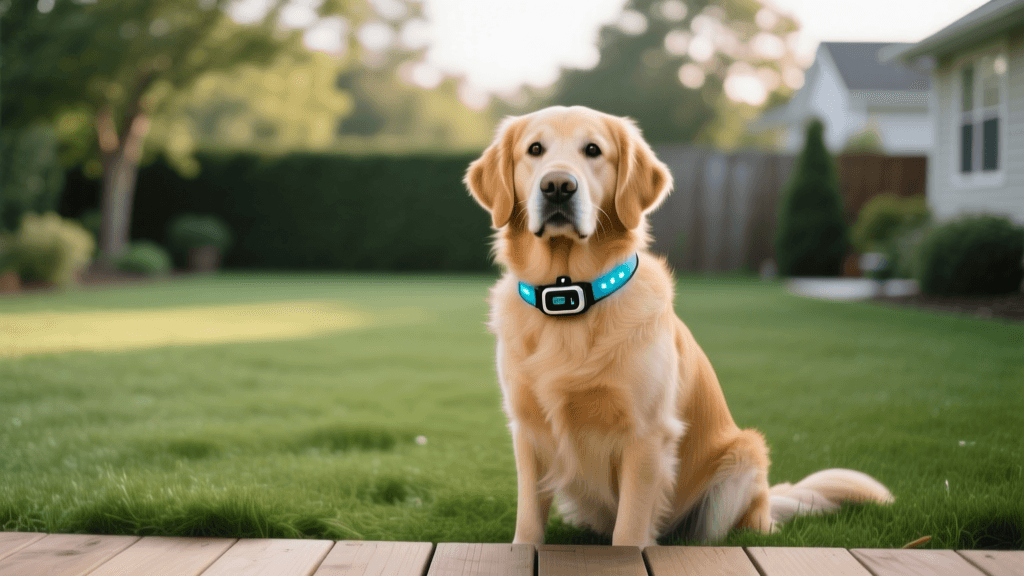
The latest Adaptil Optimum Collars utilize advanced pheromone diffusion technology that mimics the comforting pheromones produced by a nursing mother dog. Worn 24/7, these collars provide a continuous baseline of calm, which is particularly useful for dogs who are already highly stimulated before they even leave the apartment building.
3. Visual Barriers and Umbrella Walking
For dogs triggered specifically by the sudden appearance of other dogs, visual barriers are highly effective. The Calming Cap (a sheer mesh hood that reduces visual stimuli without blinding the dog) remains a top recommendation. Additionally, the "umbrella walking" technique—where the handler opens a large, opaque umbrella to block the dog's line of sight to an approaching trigger—has become a mainstream urban management strategy.
Trigger Mapping and Distance Management
Every reactive dog has a unique "trigger stack." When multiple triggers occur in quick succession, the dog's stress hormones compound, drastically lowering their threshold. Use the table below to map your dog's specific triggers and plan your urban routes accordingly.
| Trigger Type | Typical Reaction Distance | Management Strategy | Recommended Gear |
|---|---|---|---|
| Unfamiliar Dogs (On-Leash) | 30 - 50 feet | Cross the street, use environmental blockers (cars, trees), Engage-Disengage. | Front-clip harness, high-value treat pouch. |
| Fast-Moving E-Bikes/Scooters | 15 - 20 feet | Step off the path, ask for an emergency "U-turn" cue, scatter feed on grass. | 6-foot leather leash (for secure grip), Calming Cap. |
| Loud Urban Noises (Sirens) | N/A (Auditory) | Advocate for space, use white noise at home, counter-condition with play. | Mutt Muffs (canine ear protection), Adaptil Optimum. |
| Direct Eye Contact from Strangers | 5 - 10 feet | Body block the dog, use a "Stop" hand signal to strangers, advocate firmly. | "Do Not Pet" harness patches, umbrella barrier. |
The Power of Decompression Walks
A dog suffering from chronic leash reactivity is living in a state of hyper-vigilance. To lower their baseline cortisol levels, you must incorporate "decompression walks" (often called sniffaris) into your weekly routine. During a decompression walk, the goal is not physical exercise or obedience; it is mental enrichment and autonomy.
Take your dog to a quiet, low-traffic area (like a secluded field or a rented private dog park). Attach them to a 15-to-30-foot long line. Allow them to roam, sniff, dig, and explore at their own pace. Sniffing is a naturally soothing behavior for dogs; it lowers their heart rate and engages the parasympathetic nervous system. Just 20 minutes of intensive sniffing can be as mentally exhausting as a two-mile run, leaving your dog significantly more relaxed for the rest of the day.
Nutritional Support for the Anxious Nervous System
In 2026, veterinary consensus heavily supports the use of targeted nutraceuticals alongside behavioral modification. While supplements are not a cure-all, they can help raise a dog's threshold, making training more effective.
- L-Theanine: An amino acid found in green tea that promotes the production of alpha-brain waves, associated with a state of relaxed alertness. It is highly effective for situational anxiety (e.g., before a crowded walk).
- Probiotics (BL999 Strain): Products like Purina Pro Plan Calming Care target the gut-brain axis. Since a vast majority of the body's serotonin is produced in the gut, maintaining a healthy microbiome is crucial for emotional regulation.
- Hydrolyzed Milk Protein (Zylkene): A natural derivative of casein that acts on the same brain receptors as anti-anxiety medications, providing a gentle, non-drowsy calming effect.
When to Seek Professional Help
Managing a reactive dog is a marathon, not a sprint. If your dog's reactivity is escalating, if they are redirecting their frustration onto you (biting the leash or your hands), or if you feel your own mental health suffering from the stress of walking them, it is time to call in a professional. Look for a Certified Applied Animal Behaviorist (CAAB) or a Diplomate of the American College of Veterinary Behaviorists (DACVB). These professionals can design a customized behavioral modification plan and, if necessary, discuss prescription anti-anxiety medications like fluoxetine or trazodone to help your dog's brain become receptive to learning. Remember, advocating for your dog's space and emotional well-being is the ultimate expression of canine companionship.
tom-renshaw
All our authors care for dogs every day — read more of their work on the authors page.